• Is Nyesom Wike Undermining APC from Inside Government? Why Rivers APC Leaders Are Urging Tinubu to Sanction the FCT Minister Over ‘Anti-Party’ Activities

    Why would leaders of the ruling All Progressives Congress (APC) publicly demand the removal of a sitting minister appointed by their own government? And is Nigeria witnessing one of the most serious internal party confrontations since the 2023 elections?

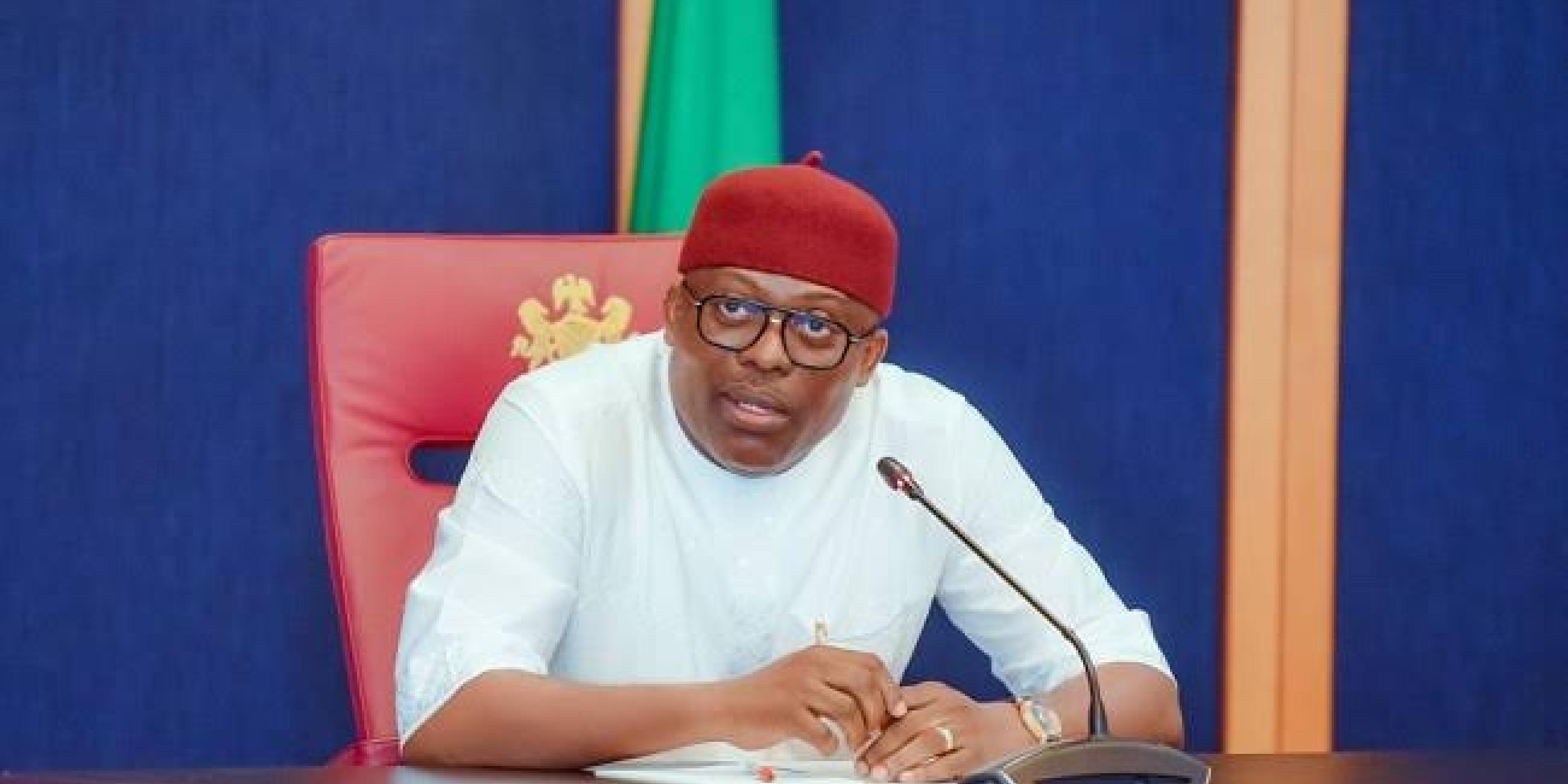
    A coalition of APC leaders has formally asked President Bola Tinubu to sanction or remove the Minister of the Federal Capital Territory (FCT), Nyesom Wike, accusing him of repeated anti-party conduct and statements that allegedly threaten national unity. The demand was conveyed in a memo addressed to the President through the APC National Chairman, Prof. Nentawe Yilwatda, and was accompanied by plans for a protest at the party’s national secretariat in Abuja.

    The signatories—including party chieftains and youth leaders—say their action was prompted by growing concern that Wike, a former Rivers State governor and still a member of the opposition Peoples Democratic Party (PDP), has consistently attacked APC leadership while serving in an APC-led federal government. Could a minister appointed from outside the ruling party be working at cross-purposes with the party that empowered him?

    At the heart of the dispute are comments allegedly made by Wike during a “thank-you tour” in Oyigbo, Rivers State, where he was said to have criticised the APC National Secretary, Senator Ajibola Basiru, accusing him of meddling in state politics for personal reasons and warning that those who interfere would “get their fingers burnt.” APC leaders argue that such remarks amount to direct disrespect for the party’s National Working Committee and an attempt by Wike to exert influence in Rivers State despite not being a registered APC member.

    The coalition further alleges that Wike has been undermining the APC-led government in Rivers State through persistent public attacks on Governor Siminalayi Fubara, reportedly calling his emergence a “mistake” and suggesting that the situation should be corrected in the 2027 elections. Are these political opinions—or a calculated strategy to weaken APC’s hold on Rivers State from within?

    Beyond party politics, the memo raises alarms over what it describes as “dangerous and inflammatory” statements, including claims attributed to Wike that “nobody can enter Rivers State.” The APC leaders warn that portraying any part of Nigeria as a “no-go area” challenges federal authority, risks reviving tensions in the Niger Delta, and could undermine the President’s constitutional role as Commander-in-Chief. Could such rhetoric threaten national cohesion at a time when unity remains fragile?

    The group insists that failure to act against the FCT Minister may deepen internal divisions, erode party discipline, and weaken APC’s electoral prospects in Rivers State. They have vowed to escalate their protests nationwide if their demand is ignored.

    Is this a necessary stand to defend party supremacy and national unity—or a dramatic political showdown that exposes deeper fractures within Nigeria’s ruling party? As the standoff unfolds, all eyes remain on President Tinubu and whether he will heed the call to sanction one of the most powerful political figures in the country.


    Is Nyesom Wike Undermining APC from Inside Government? Why Rivers APC Leaders Are Urging Tinubu to Sanction the FCT Minister Over ‘Anti-Party’ Activities Why would leaders of the ruling All Progressives Congress (APC) publicly demand the removal of a sitting minister appointed by their own government? And is Nigeria witnessing one of the most serious internal party confrontations since the 2023 elections? A coalition of APC leaders has formally asked President Bola Tinubu to sanction or remove the Minister of the Federal Capital Territory (FCT), Nyesom Wike, accusing him of repeated anti-party conduct and statements that allegedly threaten national unity. The demand was conveyed in a memo addressed to the President through the APC National Chairman, Prof. Nentawe Yilwatda, and was accompanied by plans for a protest at the party’s national secretariat in Abuja. The signatories—including party chieftains and youth leaders—say their action was prompted by growing concern that Wike, a former Rivers State governor and still a member of the opposition Peoples Democratic Party (PDP), has consistently attacked APC leadership while serving in an APC-led federal government. Could a minister appointed from outside the ruling party be working at cross-purposes with the party that empowered him? At the heart of the dispute are comments allegedly made by Wike during a “thank-you tour” in Oyigbo, Rivers State, where he was said to have criticised the APC National Secretary, Senator Ajibola Basiru, accusing him of meddling in state politics for personal reasons and warning that those who interfere would “get their fingers burnt.” APC leaders argue that such remarks amount to direct disrespect for the party’s National Working Committee and an attempt by Wike to exert influence in Rivers State despite not being a registered APC member. The coalition further alleges that Wike has been undermining the APC-led government in Rivers State through persistent public attacks on Governor Siminalayi Fubara, reportedly calling his emergence a “mistake” and suggesting that the situation should be corrected in the 2027 elections. Are these political opinions—or a calculated strategy to weaken APC’s hold on Rivers State from within? Beyond party politics, the memo raises alarms over what it describes as “dangerous and inflammatory” statements, including claims attributed to Wike that “nobody can enter Rivers State.” The APC leaders warn that portraying any part of Nigeria as a “no-go area” challenges federal authority, risks reviving tensions in the Niger Delta, and could undermine the President’s constitutional role as Commander-in-Chief. Could such rhetoric threaten national cohesion at a time when unity remains fragile? The group insists that failure to act against the FCT Minister may deepen internal divisions, erode party discipline, and weaken APC’s electoral prospects in Rivers State. They have vowed to escalate their protests nationwide if their demand is ignored. Is this a necessary stand to defend party supremacy and national unity—or a dramatic political showdown that exposes deeper fractures within Nigeria’s ruling party? As the standoff unfolds, all eyes remain on President Tinubu and whether he will heed the call to sanction one of the most powerful political figures in the country.
    0 Comentários ·0 Compartilhamentos ·178 Visualizações
  • Rivers APC Rejects Impeachment of Governor Fubara Amid Political Crisis and PDP Pressure

    The All Progressives Congress (APC) in Rivers State has formally rejected ongoing impeachment moves against Governor Siminalayi Fubara and Deputy Governor Ngozi Oduh, warning that such action could destabilize the state and tarnish the party’s image. The impeachment effort, reportedly signed by 26 lawmakers, alleges gross misconduct by the state executive.

    In a statement, the Rivers APC acknowledged the legislature’s constitutional independence but stressed that it cannot support removing a governor elected on its platform. The party linked the impeachment threat to internal disputes within the Peoples Democratic Party (PDP) and cautioned against external pressures influencing APC lawmakers.

    The APC also addressed claims that the move was related to budgetary issues, highlighting that the ₦1.485 trillion budget for 2025–2026 had been approved and that the governor has constitutional leeway in its execution. The party urged lawmakers to discontinue the impeachment process to preserve governance, democracy, and political stability in Rivers State.

    The political tension follows a lingering rift between Governor Fubara and his predecessor, Nyesom Wike, which continues to polarize the state’s political landscape. APC officials have emphasized that leadership positions are tied to current officeholders, underscoring the party’s commitment to defending its elected executives and maintaining internal cohesion.

    This development adds to the ongoing narrative of political turbulence in Nigerian states, highlighting party loyalty, legislative tensions, and the complexities of state governance under partisan pressures.

    Rivers APC Rejects Impeachment of Governor Fubara Amid Political Crisis and PDP Pressure The All Progressives Congress (APC) in Rivers State has formally rejected ongoing impeachment moves against Governor Siminalayi Fubara and Deputy Governor Ngozi Oduh, warning that such action could destabilize the state and tarnish the party’s image. The impeachment effort, reportedly signed by 26 lawmakers, alleges gross misconduct by the state executive. In a statement, the Rivers APC acknowledged the legislature’s constitutional independence but stressed that it cannot support removing a governor elected on its platform. The party linked the impeachment threat to internal disputes within the Peoples Democratic Party (PDP) and cautioned against external pressures influencing APC lawmakers. The APC also addressed claims that the move was related to budgetary issues, highlighting that the ₦1.485 trillion budget for 2025–2026 had been approved and that the governor has constitutional leeway in its execution. The party urged lawmakers to discontinue the impeachment process to preserve governance, democracy, and political stability in Rivers State. The political tension follows a lingering rift between Governor Fubara and his predecessor, Nyesom Wike, which continues to polarize the state’s political landscape. APC officials have emphasized that leadership positions are tied to current officeholders, underscoring the party’s commitment to defending its elected executives and maintaining internal cohesion. This development adds to the ongoing narrative of political turbulence in Nigerian states, highlighting party loyalty, legislative tensions, and the complexities of state governance under partisan pressures.
    0 Comentários ·0 Compartilhamentos ·185 Visualizações
  • Did Wike Admit Using the Judiciary for APC’s Political Battles? Why the FCT Minister Says He Helped Kill Osun’s LG Funds Case—and What It Means for Democracy in Nigeria

    Nigeria’s political space was thrown into controversy after Minister of the Federal Capital Territory (FCT), Nyesom Wike, openly claimed that he helped influential figures within the ruling All Progressives Congress (APC) use the judiciary to frustrate the Osun State local government funds lawsuit. Speaking in a video circulating online, Wike boasted that the court actions that led to the withholding of Osun’s local government allocations were not accidental but carefully engineered by powerful political actors working behind the scenes.

    Addressing a crowd in Port Harcourt, the former Rivers State governor accused APC National Secretary, Senator Ajibola Basiru, of enjoying the political benefits of judicial decisions against the Osun State Government without acknowledging those who made them possible. According to Wike, the lawsuit—widely viewed as targeting Governor Ademola Adeleke’s administration—was part of a broader political strategy rather than a purely legal process.

    Wike warned APC leaders against what he described as ingratitude, insisting that their current advantage in Osun was the result of unseen political manoeuvres. “Today, you are enjoying in Osun. You don’t know those who did the work,” he said, cautioning party leaders not to “take our support for Mr President for granted.” His remarks appeared to be a direct response to Basiru’s criticism of his involvement in Rivers State politics.

    The political clash follows Basiru’s demand that Wike resign as FCT minister, arguing that he is not a member of the APC and therefore has no standing to interfere in the party’s internal affairs. Basiru maintained that his comments were aimed at defending party structure and respecting sitting governors, adding that Wike’s response was inappropriate for a member of the Federal Executive Council.

    The controversy also reopens debate surrounding the Supreme Court’s December 2025 ruling on the Osun local government funds dispute. While the Court faulted the Federal Government for withholding funds, it also ruled that the Osun Attorney General lacked the authority to sue on behalf of the local councils without proper authorisation. A minority judgment, however, criticised the Federal Government’s action as harmful to local governance.

    Wike’s admission has triggered intense reactions across political and civil society circles, raising troubling questions about judicial independence, political influence over court processes, and the weaponisation of legal institutions for partisan gain. If court outcomes can be “worked out” through political connections, critics ask, what does this mean for democracy, federalism, and the rule of law in Nigeria?

    As tensions escalate between Wike and APC leadership, the episode underscores a deeper struggle over power, loyalty, and accountability within Nigeria’s political system—one that could reshape party alliances, governance in Osun and Rivers States, and public trust in the judiciary.


    Did Wike Admit Using the Judiciary for APC’s Political Battles? Why the FCT Minister Says He Helped Kill Osun’s LG Funds Case—and What It Means for Democracy in Nigeria Nigeria’s political space was thrown into controversy after Minister of the Federal Capital Territory (FCT), Nyesom Wike, openly claimed that he helped influential figures within the ruling All Progressives Congress (APC) use the judiciary to frustrate the Osun State local government funds lawsuit. Speaking in a video circulating online, Wike boasted that the court actions that led to the withholding of Osun’s local government allocations were not accidental but carefully engineered by powerful political actors working behind the scenes. Addressing a crowd in Port Harcourt, the former Rivers State governor accused APC National Secretary, Senator Ajibola Basiru, of enjoying the political benefits of judicial decisions against the Osun State Government without acknowledging those who made them possible. According to Wike, the lawsuit—widely viewed as targeting Governor Ademola Adeleke’s administration—was part of a broader political strategy rather than a purely legal process. Wike warned APC leaders against what he described as ingratitude, insisting that their current advantage in Osun was the result of unseen political manoeuvres. “Today, you are enjoying in Osun. You don’t know those who did the work,” he said, cautioning party leaders not to “take our support for Mr President for granted.” His remarks appeared to be a direct response to Basiru’s criticism of his involvement in Rivers State politics. The political clash follows Basiru’s demand that Wike resign as FCT minister, arguing that he is not a member of the APC and therefore has no standing to interfere in the party’s internal affairs. Basiru maintained that his comments were aimed at defending party structure and respecting sitting governors, adding that Wike’s response was inappropriate for a member of the Federal Executive Council. The controversy also reopens debate surrounding the Supreme Court’s December 2025 ruling on the Osun local government funds dispute. While the Court faulted the Federal Government for withholding funds, it also ruled that the Osun Attorney General lacked the authority to sue on behalf of the local councils without proper authorisation. A minority judgment, however, criticised the Federal Government’s action as harmful to local governance. Wike’s admission has triggered intense reactions across political and civil society circles, raising troubling questions about judicial independence, political influence over court processes, and the weaponisation of legal institutions for partisan gain. If court outcomes can be “worked out” through political connections, critics ask, what does this mean for democracy, federalism, and the rule of law in Nigeria? As tensions escalate between Wike and APC leadership, the episode underscores a deeper struggle over power, loyalty, and accountability within Nigeria’s political system—one that could reshape party alliances, governance in Osun and Rivers States, and public trust in the judiciary.
    0 Comentários ·0 Compartilhamentos ·115 Visualizações
  • Rivers State House of Assembly Initiates Impeachment Proceedings Against Governor Fubara Amid Rift With Wike

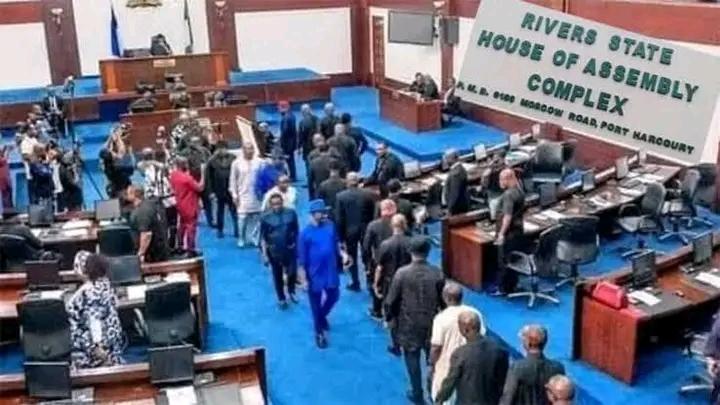
    The political landscape in Rivers State has taken a dramatic turn as the Rivers State House of Assembly formally began impeachment proceedings against Governor Siminalayi Fubara and his deputy, Ngozi Oduh. During a plenary session presided over by Speaker Martins Amaewhule, the Majority Leader, Major Jack, read a notice detailing allegations and claims of gross misconduct against Governor Fubara.

    A total of 26 lawmakers reportedly signed the notice, which they claim aligns with provisions of the Nigerian Constitution. The Speaker announced that the notice would be formally served to Governor Fubara within seven days, in line with legislative procedures. Similarly, Deputy Governor Oduh faces a separate notice read by Deputy Majority Leader Linda Stewart.

    The impeachment proceedings occur against the backdrop of a long-standing political rift between Governor Fubara and his predecessor and political mentor, Nyesom Wike, which continues to polarize Rivers State’s political structure. The All Progressives Congress (APC) emphasized that Wike’s potential involvement in the party would not override Fubara’s current office and leadership, underscoring the link between political roles and office-holding.

    The ongoing crisis highlights the tensions within the state’s political elite, raising questions about governance, party dynamics, and the stability of Rivers State’s administration. The situation remains fluid as the assembly moves forward with the impeachment process, which could significantly impact the state’s political alignment and future leadership.
    Rivers State House of Assembly Initiates Impeachment Proceedings Against Governor Fubara Amid Rift With Wike The political landscape in Rivers State has taken a dramatic turn as the Rivers State House of Assembly formally began impeachment proceedings against Governor Siminalayi Fubara and his deputy, Ngozi Oduh. During a plenary session presided over by Speaker Martins Amaewhule, the Majority Leader, Major Jack, read a notice detailing allegations and claims of gross misconduct against Governor Fubara. A total of 26 lawmakers reportedly signed the notice, which they claim aligns with provisions of the Nigerian Constitution. The Speaker announced that the notice would be formally served to Governor Fubara within seven days, in line with legislative procedures. Similarly, Deputy Governor Oduh faces a separate notice read by Deputy Majority Leader Linda Stewart. The impeachment proceedings occur against the backdrop of a long-standing political rift between Governor Fubara and his predecessor and political mentor, Nyesom Wike, which continues to polarize Rivers State’s political structure. The All Progressives Congress (APC) emphasized that Wike’s potential involvement in the party would not override Fubara’s current office and leadership, underscoring the link between political roles and office-holding. The ongoing crisis highlights the tensions within the state’s political elite, raising questions about governance, party dynamics, and the stability of Rivers State’s administration. The situation remains fluid as the assembly moves forward with the impeachment process, which could significantly impact the state’s political alignment and future leadership.
    0 Comentários ·0 Compartilhamentos ·146 Visualizações
  • Will Wike Have to Bow to Fubara in APC? Why the Party Says the FCT Minister Must Follow Rivers Governor—and What This Power Shift Means for 2027 Politics

    Is Nyesom Wike’s political influence in Rivers State finally being clipped? If the Federal Capital Territory (FCT) Minister decides to join the All Progressives Congress (APC), will he really be forced to operate under his successor, Governor Siminalayi Fubara? And what does this internal power struggle reveal about the battle for 2027?

    The APC has made its position unmistakably clear: if Wike defects to the ruling party, he will not assume a dominant leadership role over the sitting Rivers State governor. According to the party’s Director of Information, Bala Ibrahim, leadership within the APC is tied strictly to current political office—not past power. While Wike would be “given a position” within the party, Ibrahim stressed that he would “certainly be under” Governor Fubara, who currently holds the highest elective office in Rivers State.

    Why such a firm stance? Ibrahim explained that political authority follows office, not personality. “When he was the governor, he was followed. Now that he’s not the governor, he must follow,” he said, underscoring that once a leader vacates a seat, they no longer retain its power. In other words, past influence cannot override present authority in the APC’s hierarchy.

    But is this just about party protocol—or something deeper? Reports suggest that Wike’s alleged efforts to undermine Fubara’s 2027 re-election bid have suffered a major blow. Several APC governors are said to have rallied behind Fubara, signaling growing support for the Rivers governor at the highest levels of the party. Party sources indicate that renewed tensions between the two men were triggered after top APC figures openly endorsed Fubara for a second term—an outcome Wike is reportedly opposed to.

    What changed inside the APC? Insiders say the party leadership has become increasingly impressed with Fubara’s governance style and development projects, earning him favor among key decision-makers. This apparent shift in loyalty is being interpreted as a strategic move to consolidate power around the sitting governor while weakening Wike’s influence in his home state.

    The conflict reportedly deepened when Wike’s allies attempted to push a preferred candidate for the Imo governorship without consulting the APC Governors’ Chairman, Governor Hope Uzodimma. Party officials claim this move backfired, prompting APC governors to close ranks around Fubara as part of a broader effort to curb Wike’s political reach. Some insiders even suggest that powerful figures within the Tinubu administration no longer see Wike as a favored ally.

    So what does this mean going forward? If Wike eventually joins the APC, he may find himself navigating a party structure where authority is no longer shaped by his past dominance but by current officeholders—chief among them Governor Fubara. The unfolding drama raises critical questions: Is Wike’s era of control in Rivers coming to an end? Will Fubara emerge as the undisputed political force ahead of 2027? And is the APC deliberately re-engineering power in Rivers to sideline one of Nigeria’s most formidable political figures?

    As endorsements mount and party leadership draws firm lines, one thing is clear: Rivers State politics is entering a decisive phase—and the outcome could reshape the state’s political landscape for years to come.
    Will Wike Have to Bow to Fubara in APC? Why the Party Says the FCT Minister Must Follow Rivers Governor—and What This Power Shift Means for 2027 Politics Is Nyesom Wike’s political influence in Rivers State finally being clipped? If the Federal Capital Territory (FCT) Minister decides to join the All Progressives Congress (APC), will he really be forced to operate under his successor, Governor Siminalayi Fubara? And what does this internal power struggle reveal about the battle for 2027? The APC has made its position unmistakably clear: if Wike defects to the ruling party, he will not assume a dominant leadership role over the sitting Rivers State governor. According to the party’s Director of Information, Bala Ibrahim, leadership within the APC is tied strictly to current political office—not past power. While Wike would be “given a position” within the party, Ibrahim stressed that he would “certainly be under” Governor Fubara, who currently holds the highest elective office in Rivers State. Why such a firm stance? Ibrahim explained that political authority follows office, not personality. “When he was the governor, he was followed. Now that he’s not the governor, he must follow,” he said, underscoring that once a leader vacates a seat, they no longer retain its power. In other words, past influence cannot override present authority in the APC’s hierarchy. But is this just about party protocol—or something deeper? Reports suggest that Wike’s alleged efforts to undermine Fubara’s 2027 re-election bid have suffered a major blow. Several APC governors are said to have rallied behind Fubara, signaling growing support for the Rivers governor at the highest levels of the party. Party sources indicate that renewed tensions between the two men were triggered after top APC figures openly endorsed Fubara for a second term—an outcome Wike is reportedly opposed to. What changed inside the APC? Insiders say the party leadership has become increasingly impressed with Fubara’s governance style and development projects, earning him favor among key decision-makers. This apparent shift in loyalty is being interpreted as a strategic move to consolidate power around the sitting governor while weakening Wike’s influence in his home state. The conflict reportedly deepened when Wike’s allies attempted to push a preferred candidate for the Imo governorship without consulting the APC Governors’ Chairman, Governor Hope Uzodimma. Party officials claim this move backfired, prompting APC governors to close ranks around Fubara as part of a broader effort to curb Wike’s political reach. Some insiders even suggest that powerful figures within the Tinubu administration no longer see Wike as a favored ally. So what does this mean going forward? If Wike eventually joins the APC, he may find himself navigating a party structure where authority is no longer shaped by his past dominance but by current officeholders—chief among them Governor Fubara. The unfolding drama raises critical questions: Is Wike’s era of control in Rivers coming to an end? Will Fubara emerge as the undisputed political force ahead of 2027? And is the APC deliberately re-engineering power in Rivers to sideline one of Nigeria’s most formidable political figures? As endorsements mount and party leadership draws firm lines, one thing is clear: Rivers State politics is entering a decisive phase—and the outcome could reshape the state’s political landscape for years to come.
    0 Comentários ·0 Compartilhamentos ·99 Visualizações
  • Was Justice Denied? Why Is Inspector Oboh Still Detained After Being Cleared of Murder Charges in Rivers State? | Fintter

    Was justice truly served in the case of Inspector Hycenth Oboh—or is this another troubling example of power, politics, and abuse within Nigeria’s law enforcement system?
    In a case that is raising serious constitutional and human rights concerns, Inspector Hycenth Oboh, a serving police officer attached to the Rivers State Commissioner for Energy and Natural Resources, has allegedly been illegally detained for over 18 months without trial, court order, or lawful disciplinary sanction. His prolonged detention follows a tragic shooting incident that occurred on June 18, 2024, at the Eberi-Omuma Local Government Council Secretariat, where two people were killed during a crossfire.
    What makes this case particularly controversial is that Inspector Oboh was reportedly discharged and acquitted during an internal police disciplinary process in August 2024. Despite this, he has remained in custody at the State Criminal Investigation Department (SCID) in Port Harcourt—raising urgent questions about the rule of law, police accountability, and respect for constitutional rights in Nigeria.
    According to sources, Oboh was initially arrested alongside 11 other officers and subjected to investigations by the Homicide Department. They were later tried under the Police Act and Regulations on three counts: discreditable conduct, unlawful exercise of authority, and destruction of government property through the alleged waste of ammunition. All officers pleaded not guilty. Oboh, in particular, denied firing any weapon and reportedly presented medical evidence showing exposure to teargas.
    The internal proceedings reportedly ended with eight officers, including Oboh, being cleared of all charges. However, in a twist that has left many observers baffled, the Rivers State Police Command allegedly ordered a second disciplinary trial without presenting new evidence. While six officers were later dismissed and five released, Inspector Oboh alone was kept in detention, with no official explanation, court arraignment, or detention order.
    Even more disturbing are allegations of political interference. Sources claim that a serving federal lawmaker, Hon. Kelechi Nwogu, who represents Etche/Omuma Federal Constituency, may have influenced senior police officials to ensure Oboh remains detained—allegedly to prevent him from testifying or being fully investigated. Although these claims have not been independently verified and the lawmaker has yet to respond, they deepen public concern about whether the case is being driven by justice or by political interests.
    Beyond the legal questions, the human cost is devastating. Reports indicate that Oboh’s prolonged detention has destroyed his family life, with his wife reportedly leaving with their children due to lack of support. Paradoxically, despite being held over a murder investigation, he is said to have continued receiving his salary, further highlighting contradictions in how the case is being handled.
    Human rights advocates argue that this situation represents a clear violation of constitutional rights, particularly the rights to liberty and fair hearing. As one advocate put it: “You cannot acquit a man, detain him endlessly, and still call it justice. This is a dangerous abuse of power.”
    As of now, there is no known court order, no formal charge, and no legal justification for Inspector Oboh’s continued detention. Calls are growing louder for either his immediate release or for authorities to arraign him before a competent court if credible evidence exists.
    What Do You Think? (Comment Hooks for Fintter)
    If an officer is cleared internally, can the police legally keep him locked up without a court order?
    Is this a case of justice delayed, or justice deliberately denied?
    Could political influence be overriding due process in this matter?
    Should Nigeria reform how police disciplinary actions and criminal prosecutions are handled?
    Join the conversation on Fintter:
    Is Inspector Oboh a victim of systemic abuse—or are there facts the public still doesn’t know?
    Was Justice Denied? Why Is Inspector Oboh Still Detained After Being Cleared of Murder Charges in Rivers State? | Fintter Was justice truly served in the case of Inspector Hycenth Oboh—or is this another troubling example of power, politics, and abuse within Nigeria’s law enforcement system? In a case that is raising serious constitutional and human rights concerns, Inspector Hycenth Oboh, a serving police officer attached to the Rivers State Commissioner for Energy and Natural Resources, has allegedly been illegally detained for over 18 months without trial, court order, or lawful disciplinary sanction. His prolonged detention follows a tragic shooting incident that occurred on June 18, 2024, at the Eberi-Omuma Local Government Council Secretariat, where two people were killed during a crossfire. What makes this case particularly controversial is that Inspector Oboh was reportedly discharged and acquitted during an internal police disciplinary process in August 2024. Despite this, he has remained in custody at the State Criminal Investigation Department (SCID) in Port Harcourt—raising urgent questions about the rule of law, police accountability, and respect for constitutional rights in Nigeria. According to sources, Oboh was initially arrested alongside 11 other officers and subjected to investigations by the Homicide Department. They were later tried under the Police Act and Regulations on three counts: discreditable conduct, unlawful exercise of authority, and destruction of government property through the alleged waste of ammunition. All officers pleaded not guilty. Oboh, in particular, denied firing any weapon and reportedly presented medical evidence showing exposure to teargas. The internal proceedings reportedly ended with eight officers, including Oboh, being cleared of all charges. However, in a twist that has left many observers baffled, the Rivers State Police Command allegedly ordered a second disciplinary trial without presenting new evidence. While six officers were later dismissed and five released, Inspector Oboh alone was kept in detention, with no official explanation, court arraignment, or detention order. Even more disturbing are allegations of political interference. Sources claim that a serving federal lawmaker, Hon. Kelechi Nwogu, who represents Etche/Omuma Federal Constituency, may have influenced senior police officials to ensure Oboh remains detained—allegedly to prevent him from testifying or being fully investigated. Although these claims have not been independently verified and the lawmaker has yet to respond, they deepen public concern about whether the case is being driven by justice or by political interests. Beyond the legal questions, the human cost is devastating. Reports indicate that Oboh’s prolonged detention has destroyed his family life, with his wife reportedly leaving with their children due to lack of support. Paradoxically, despite being held over a murder investigation, he is said to have continued receiving his salary, further highlighting contradictions in how the case is being handled. Human rights advocates argue that this situation represents a clear violation of constitutional rights, particularly the rights to liberty and fair hearing. As one advocate put it: “You cannot acquit a man, detain him endlessly, and still call it justice. This is a dangerous abuse of power.” As of now, there is no known court order, no formal charge, and no legal justification for Inspector Oboh’s continued detention. Calls are growing louder for either his immediate release or for authorities to arraign him before a competent court if credible evidence exists. 💬 What Do You Think? (Comment Hooks for Fintter) If an officer is cleared internally, can the police legally keep him locked up without a court order? Is this a case of justice delayed, or justice deliberately denied? Could political influence be overriding due process in this matter? Should Nigeria reform how police disciplinary actions and criminal prosecutions are handled? 👉 Join the conversation on Fintter: Is Inspector Oboh a victim of systemic abuse—or are there facts the public still doesn’t know?
    0 Comentários ·0 Compartilhamentos ·128 Visualizações
  • What Will Be the End of Nyesom Wike? Analysis of His Political Influence and Future Prospects”

    In this incisive opinion piece, Pelumi Olajengbesi, Esq., examines the political trajectory and future of Nyesom Wike, one of Nigeria’s most influential and polarizing politicians. Wike, formerly instrumental in shaping the emergence of President Tinubu, has long dominated Rivers State politics, pushing aside rivals and asserting a near-absolute influence over his political domain. His style, a combination of strategic brilliance, territorial control, and relentless confrontation, has both earned him admiration and created friction with allies and the opposition alike.
    Wike’s political approach has been defined by territorial command—he defines the political space, punishes disloyalty, and keeps opponents uncertain. This method proved highly effective when he fully controlled Rivers politics, yet the shifting political terrain has begun to challenge his authority. The analysis highlights that when his former protégé, Governor Fubara, aligned with the APC, Wike’s influence began to face constraints, illustrating that political power dependent on perception and intimidation can be fragile.
    Olajengbesi notes that Wike’s predicament is heightened by his dual position as both a useful ally and an outsider within the ruling party. While his support for Tinubu and his ability to destabilize opposition calculations have made him relevant at the federal level, his independence and confrontational style are increasingly perceived as a threat to party discipline and structure. As the ruling party prepares for the next political cycle, Wike’s influence risks erosion if it continues to undermine institutional hierarchy.
    The opinion piece predicts several possible outcomes for Wike: gradual isolation, where his access and influence diminish quietly; neutralisation, where he retains office but loses political leverage; or forced realignment, requiring him to fully submit to party structures, sacrificing the independence that has defined his political brand. However, Wike’s experience and strategic acumen suggest he may yet adapt, potentially transitioning from territorial dominance to coalition management, balancing influence with accommodation.
    Ultimately, Olajengbesi portrays Wike as a fascinating case study of power, strategy, and political survival, highlighting that his future depends not only on strength but on his capacity to navigate institutional politics without alienating the structures that sustain it. The piece underscores that in Nigerian politics, influence without institutional belonging is potent but precarious, and Wike’s next moves will determine whether his story ends in decline or reinvention.
    What Will Be the End of Nyesom Wike? Analysis of His Political Influence and Future Prospects” In this incisive opinion piece, Pelumi Olajengbesi, Esq., examines the political trajectory and future of Nyesom Wike, one of Nigeria’s most influential and polarizing politicians. Wike, formerly instrumental in shaping the emergence of President Tinubu, has long dominated Rivers State politics, pushing aside rivals and asserting a near-absolute influence over his political domain. His style, a combination of strategic brilliance, territorial control, and relentless confrontation, has both earned him admiration and created friction with allies and the opposition alike. Wike’s political approach has been defined by territorial command—he defines the political space, punishes disloyalty, and keeps opponents uncertain. This method proved highly effective when he fully controlled Rivers politics, yet the shifting political terrain has begun to challenge his authority. The analysis highlights that when his former protégé, Governor Fubara, aligned with the APC, Wike’s influence began to face constraints, illustrating that political power dependent on perception and intimidation can be fragile. Olajengbesi notes that Wike’s predicament is heightened by his dual position as both a useful ally and an outsider within the ruling party. While his support for Tinubu and his ability to destabilize opposition calculations have made him relevant at the federal level, his independence and confrontational style are increasingly perceived as a threat to party discipline and structure. As the ruling party prepares for the next political cycle, Wike’s influence risks erosion if it continues to undermine institutional hierarchy. The opinion piece predicts several possible outcomes for Wike: gradual isolation, where his access and influence diminish quietly; neutralisation, where he retains office but loses political leverage; or forced realignment, requiring him to fully submit to party structures, sacrificing the independence that has defined his political brand. However, Wike’s experience and strategic acumen suggest he may yet adapt, potentially transitioning from territorial dominance to coalition management, balancing influence with accommodation. Ultimately, Olajengbesi portrays Wike as a fascinating case study of power, strategy, and political survival, highlighting that his future depends not only on strength but on his capacity to navigate institutional politics without alienating the structures that sustain it. The piece underscores that in Nigerian politics, influence without institutional belonging is potent but precarious, and Wike’s next moves will determine whether his story ends in decline or reinvention.
    0 Comentários ·0 Compartilhamentos ·131 Visualizações
  • How Did Detained Police Officers Still Get Paid After the Deadly Omuma Shooting? Panel Acquits 10, Demotes Two – What Went Wrong?”

    An exclusive SaharaReporters investigation reveals shocking details about the June 18, 2024 deadly shooting at the Eberi-Omuma Local Government Council Secretariat in Rivers State, where at least two people lost their lives. Despite being detained over the incident, Inspector Hycent Oboh continued to receive his salary of ₦249,138.13 in December 2025, raising questions about accountability within the Nigerian Police Force.
    The incident, triggered by heightened political tensions in Omuma, involved multiple armed police officers allegedly firing live bullets and deploying teargas, leaving Inspector David Mgbada and civilian security operative Samuel Nwigwe dead. Eyewitnesses described chaos, teargas clouds, and indiscriminate gunfire, some linking officers to political actors. Yet, the police orderly room trial, which began in August 2024 at the SCIID in Port Harcourt, found that evidential gaps and investigative lapses prevented most officers from being held accountable.
    After hearing testimonies from eight witnesses, the Executive Chairman of Omuma LGA, and the accused officers themselves, the panel acquitted 10 officers of all charges due to lack of proof. Only Inspectors Michael Etim (D5) and Nelson Mbang (D8) were demoted for discreditable conduct, having joined an unauthorised security detail, highlighting a serious breakdown in police discipline and investigative rigor.
    The panel criticized the Investigating Police Officers (IPO) for failing to verify evidence, including video footage, conduct ballistic analyses, or identify officers present at the scene. This failure, the panel said, compromised justice for the victims and reflected political influence and systemic weaknesses within the force. Shockingly, the panel even recommended a posthumous trial for late Inspector Mgbada, underscoring the unusual and controversial nature of the proceedings.
    The case raises serious questions about police accountability, salary payments during detention, and systemic failures in handling politically sensitive incidents. Citizens and stakeholders continue to demand transparency, proper investigations, and meaningful reforms to prevent future abuses and ensure justice for victims.
    Fintter readers, we want to hear from you: How can the Nigerian Police Force be held accountable when investigations fail and officers continue to draw salaries despite detention? Share your thoughts in the comments.
    How Did Detained Police Officers Still Get Paid After the Deadly Omuma Shooting? Panel Acquits 10, Demotes Two – What Went Wrong?” An exclusive SaharaReporters investigation reveals shocking details about the June 18, 2024 deadly shooting at the Eberi-Omuma Local Government Council Secretariat in Rivers State, where at least two people lost their lives. Despite being detained over the incident, Inspector Hycent Oboh continued to receive his salary of ₦249,138.13 in December 2025, raising questions about accountability within the Nigerian Police Force. The incident, triggered by heightened political tensions in Omuma, involved multiple armed police officers allegedly firing live bullets and deploying teargas, leaving Inspector David Mgbada and civilian security operative Samuel Nwigwe dead. Eyewitnesses described chaos, teargas clouds, and indiscriminate gunfire, some linking officers to political actors. Yet, the police orderly room trial, which began in August 2024 at the SCIID in Port Harcourt, found that evidential gaps and investigative lapses prevented most officers from being held accountable. After hearing testimonies from eight witnesses, the Executive Chairman of Omuma LGA, and the accused officers themselves, the panel acquitted 10 officers of all charges due to lack of proof. Only Inspectors Michael Etim (D5) and Nelson Mbang (D8) were demoted for discreditable conduct, having joined an unauthorised security detail, highlighting a serious breakdown in police discipline and investigative rigor. The panel criticized the Investigating Police Officers (IPO) for failing to verify evidence, including video footage, conduct ballistic analyses, or identify officers present at the scene. This failure, the panel said, compromised justice for the victims and reflected political influence and systemic weaknesses within the force. Shockingly, the panel even recommended a posthumous trial for late Inspector Mgbada, underscoring the unusual and controversial nature of the proceedings. The case raises serious questions about police accountability, salary payments during detention, and systemic failures in handling politically sensitive incidents. Citizens and stakeholders continue to demand transparency, proper investigations, and meaningful reforms to prevent future abuses and ensure justice for victims. Fintter readers, we want to hear from you: How can the Nigerian Police Force be held accountable when investigations fail and officers continue to draw salaries despite detention? Share your thoughts in the comments.
    0 Comentários ·0 Compartilhamentos ·114 Visualizações
  • Breaking: FCT Minister Nyesom Wike Reaffirms Support for President Tinubu Amid Rivers APC Clash Ahead of 2027 Elections

    FCT Minister Nyesom Wike has declared his unwavering support for President Bola Ahmed Tinubu ahead of the 2027 general election, emphasizing that his political structure in Rivers State is fully committed to the President. Wike made the statement on January 6, 2026, during ongoing consultations across local government areas in Rivers State. His declaration comes amid a public clash with APC National Secretary Ajibola Basiru over party influence and local politics. Wike warned against interference in Rivers State, calling it a “no-go area” for outsiders. The tensions reflect deep divisions within the APC, particularly following Governor Siminalayi Fubara’s defection from the PDP to the ruling party. Despite these challenges, Wike affirmed that his loyalty to Tinubu remains non-negotiable, reinforcing his influence over grassroots structures in Rivers State as a key factor in the party’s electoral strategy.

    #NyesomWike #BolaTinubu #APC #RiversStatePolitics #2027Elections #PoliticalTensions #FCTMinister #NigeriaPolitics
    Breaking: FCT Minister Nyesom Wike Reaffirms Support for President Tinubu Amid Rivers APC Clash Ahead of 2027 Elections FCT Minister Nyesom Wike has declared his unwavering support for President Bola Ahmed Tinubu ahead of the 2027 general election, emphasizing that his political structure in Rivers State is fully committed to the President. Wike made the statement on January 6, 2026, during ongoing consultations across local government areas in Rivers State. His declaration comes amid a public clash with APC National Secretary Ajibola Basiru over party influence and local politics. Wike warned against interference in Rivers State, calling it a “no-go area” for outsiders. The tensions reflect deep divisions within the APC, particularly following Governor Siminalayi Fubara’s defection from the PDP to the ruling party. Despite these challenges, Wike affirmed that his loyalty to Tinubu remains non-negotiable, reinforcing his influence over grassroots structures in Rivers State as a key factor in the party’s electoral strategy. #NyesomWike #BolaTinubu #APC #RiversStatePolitics #2027Elections #PoliticalTensions #FCTMinister #NigeriaPolitics
    0 Comentários ·0 Compartilhamentos ·283 Visualizações
  • Rivers State Police Arrest 12 Suspects Over Deadly Unity Estate Attack as Vigilantes Commander, Others Flee

    The Rivers State Police Command has arrested 12 suspects involved in a violent attack on Unity Estate along Mbodo–Aluu, Port Harcourt, on January 5, 2026. The assailants, reportedly members of a vigilante group and hired thugs, fired gunshots indiscriminately, vandalized property, and abducted one resident, Apostle Stephen Nmacha, who sustained a leg injury before being rescued.
    Police sources said the attackers stormed the estate around 1:15 pm, wielding pump-action guns, cutlasses, and other weapons. Investigations revealed that two suspects allegedly coordinated the attack and remain at large, along with the Akpor OSPAC Commander, Azubuike, aka “Ocean.”
    Recovered items include firearms, ammunition, charms, motorcycles, and vehicles. Commissioner of Police Olugbenga Adepoju condemned the attack as unlawful, warning that vigilante groups must operate strictly under police supervision. Residents have been urged to provide information to help apprehend fleeing suspects.

    #RiversStateAttack #UnityEstateIncident #RiversPolice #VigilanteViolence #PortHarcourtNews #AbujaCrimeAlert #NigeriaSecurity #CrimeInRivers #OSPACInvestigation #GunAttackNigeria
    Rivers State Police Arrest 12 Suspects Over Deadly Unity Estate Attack as Vigilantes Commander, Others Flee The Rivers State Police Command has arrested 12 suspects involved in a violent attack on Unity Estate along Mbodo–Aluu, Port Harcourt, on January 5, 2026. The assailants, reportedly members of a vigilante group and hired thugs, fired gunshots indiscriminately, vandalized property, and abducted one resident, Apostle Stephen Nmacha, who sustained a leg injury before being rescued. Police sources said the attackers stormed the estate around 1:15 pm, wielding pump-action guns, cutlasses, and other weapons. Investigations revealed that two suspects allegedly coordinated the attack and remain at large, along with the Akpor OSPAC Commander, Azubuike, aka “Ocean.” Recovered items include firearms, ammunition, charms, motorcycles, and vehicles. Commissioner of Police Olugbenga Adepoju condemned the attack as unlawful, warning that vigilante groups must operate strictly under police supervision. Residents have been urged to provide information to help apprehend fleeing suspects. #RiversStateAttack #UnityEstateIncident #RiversPolice #VigilanteViolence #PortHarcourtNews #AbujaCrimeAlert #NigeriaSecurity #CrimeInRivers #OSPACInvestigation #GunAttackNigeria
    0 Comentários ·0 Compartilhamentos ·126 Visualizações
  • Passenger Boat Capsizes on Way to Abonnema in Rivers State, Panic Ensues as Commuters Rescued by Nearby Operators; No Casualties Reported

    A passenger boat traveling to Abonnema in Akuku-Toru Local Government Area of Rivers State capsized, causing panic among passengers mid-journey. Eyewitnesses confirmed that all occupants were safely rescued by nearby boat operators, preventing a potential disaster. The swift intervention of fellow river transport workers ensured that no lives were lost. This incident recalls a tragic boat mishap in October on the River Niger in Kogi State, which left many feared dead and several missing. Authorities continue to emphasize safety on waterways, as such accidents highlight the vulnerability of commuters to sudden riverine emergencies.

    #RiversState #BoatCapsize #Abonnema #RiverSafety #WaterTransport #EmergencyRescue
    Passenger Boat Capsizes on Way to Abonnema in Rivers State, Panic Ensues as Commuters Rescued by Nearby Operators; No Casualties Reported A passenger boat traveling to Abonnema in Akuku-Toru Local Government Area of Rivers State capsized, causing panic among passengers mid-journey. Eyewitnesses confirmed that all occupants were safely rescued by nearby boat operators, preventing a potential disaster. The swift intervention of fellow river transport workers ensured that no lives were lost. This incident recalls a tragic boat mishap in October on the River Niger in Kogi State, which left many feared dead and several missing. Authorities continue to emphasize safety on waterways, as such accidents highlight the vulnerability of commuters to sudden riverine emergencies. #RiversState #BoatCapsize #Abonnema #RiverSafety #WaterTransport #EmergencyRescue
    0 Comentários ·0 Compartilhamentos ·96 Visualizações
  • APC National Secretary Basiru Tells FCT Minister Wike to Resign Over Rivers State Politics Interference

    Senator Ajibola Basiru, National Secretary of the All Progressives Congress (APC), has called on FCT Minister Nyesom Wike to resign immediately, accusing him of meddling in Rivers State politics while serving in an APC-led government.

    Basiru argued that Wike, a non-APC member, has no right to interfere in the party’s affairs and dismissed allegations of corruption involving Rivers APC as “cheap blackmail.” He described Wike’s actions as an attempt to import PDP-style politics into the APC and destabilize party structures.

    The APC secretary emphasized that peaceful party operations must be respected and warned that continued interference could lead to legal action. Basiru stressed that Wike’s support for President Tinubu does not confer APC membership and reiterated that party governance should remain free from external disruption.
    APC National Secretary Basiru Tells FCT Minister Wike to Resign Over Rivers State Politics Interference Senator Ajibola Basiru, National Secretary of the All Progressives Congress (APC), has called on FCT Minister Nyesom Wike to resign immediately, accusing him of meddling in Rivers State politics while serving in an APC-led government. Basiru argued that Wike, a non-APC member, has no right to interfere in the party’s affairs and dismissed allegations of corruption involving Rivers APC as “cheap blackmail.” He described Wike’s actions as an attempt to import PDP-style politics into the APC and destabilize party structures. The APC secretary emphasized that peaceful party operations must be respected and warned that continued interference could lead to legal action. Basiru stressed that Wike’s support for President Tinubu does not confer APC membership and reiterated that party governance should remain free from external disruption.
    0 Comentários ·0 Compartilhamentos ·222 Visualizações
  • Police Arrest Port Harcourt Pastor Over Alleged Plot to Assassinate FCT Minister Wike, Hunt Underway for Ex-Rivers SSG

    Security operatives from the Inspector-General of Police Intelligence Response Team (IRT) have detained Dr. Tombari Joseph Gbeneol, a medical doctor and pastor of Life Forte Chapel Church in Port Harcourt, over an alleged plan to assassinate FCT Minister Nyesom Wike.

    The arrest followed the interception of a phone call between Gbeneol and former Rivers State Secretary to the Government (SSG), Dr. Tammy Danagogo, in which they allegedly discussed hiring Israeli nationals to carry out the assassination and seeking funding from Governor Siminalayi Fubara.

    Police confirmed Gbeneol is in custody, with investigations ongoing. Authorities are still searching for Danagogo, who reportedly went underground after the plot was uncovered. Security sources described the case as a grave national security threat.
    Police Arrest Port Harcourt Pastor Over Alleged Plot to Assassinate FCT Minister Wike, Hunt Underway for Ex-Rivers SSG Security operatives from the Inspector-General of Police Intelligence Response Team (IRT) have detained Dr. Tombari Joseph Gbeneol, a medical doctor and pastor of Life Forte Chapel Church in Port Harcourt, over an alleged plan to assassinate FCT Minister Nyesom Wike. The arrest followed the interception of a phone call between Gbeneol and former Rivers State Secretary to the Government (SSG), Dr. Tammy Danagogo, in which they allegedly discussed hiring Israeli nationals to carry out the assassination and seeking funding from Governor Siminalayi Fubara. Police confirmed Gbeneol is in custody, with investigations ongoing. Authorities are still searching for Danagogo, who reportedly went underground after the plot was uncovered. Security sources described the case as a grave national security threat.
    0 Comentários ·0 Compartilhamentos ·207 Visualizações
  • FCT Minister Wike Warns APC National Secretary Basiru Against Meddling in Rivers State Politics

    Federal Capital Territory (FCT) Minister Nyesom Wike has threatened APC National Secretary Ajibola Basiru, warning him to stop interfering in Rivers State politics. Speaking at a rally in Oyigbo, Wike accused Basiru of commenting on matters outside his jurisdiction, particularly concerning the N600 billion funds in Rivers State.

    Wike cautioned Basiru against taking Rivers State’s support for President Bola Tinubu for granted and threatened to brief the President about the issue. He emphasized that anyone interfering with Rivers State affairs would face consequences, stating, “Anything you see, take it.”

    The tension follows Basiru’s earlier criticism of an APC official who referred to Rivers Governor Siminalayi Fubara as a “so-called governor,” noting that elected offices must be respected regardless of political differences. Wike, however, remains determined to prevent Fubara from securing a second term in office.
    FCT Minister Wike Warns APC National Secretary Basiru Against Meddling in Rivers State Politics Federal Capital Territory (FCT) Minister Nyesom Wike has threatened APC National Secretary Ajibola Basiru, warning him to stop interfering in Rivers State politics. Speaking at a rally in Oyigbo, Wike accused Basiru of commenting on matters outside his jurisdiction, particularly concerning the N600 billion funds in Rivers State. Wike cautioned Basiru against taking Rivers State’s support for President Bola Tinubu for granted and threatened to brief the President about the issue. He emphasized that anyone interfering with Rivers State affairs would face consequences, stating, “Anything you see, take it.” The tension follows Basiru’s earlier criticism of an APC official who referred to Rivers Governor Siminalayi Fubara as a “so-called governor,” noting that elected offices must be respected regardless of political differences. Wike, however, remains determined to prevent Fubara from securing a second term in office.
    0 Comentários ·0 Compartilhamentos ·240 Visualizações
  • Rivers Police Arrest Two Murder Suspects, Recover Remains of Missing Okrika Youth Sampson Worianime From Shallow Grave

    The Rivers State Police Command has arrested two suspects in connection with the murder of Sampson Worianime, a youth from Ogbogbo Community in Okrika Local Government Area who was declared missing in November 2025. Police operatives also recovered his remains from a shallow grave following an intelligence-led investigation.

    Worianime was reported missing on November 11, 2025, after accompanying members of his community youth group to measure land at their former settlement. His disappearance raised alarm among residents and family members, prompting his mother to submit a formal petition to the police.

    According to police spokesperson CSP Grace Iringe-Koko, investigations by the Anti-Kidnapping Unit led to the arrest of Igwe Alex, 26, Chief Security Officer of Aleto-Eleme Community, and John Mikel, 24, both from Eleme Local Government Area. The suspects reportedly abducted two youths from Okrika on the day of the incident, with one escaping while Worianime was killed.

    Police said the suspects confessed to the crime and led officers to the burial site, where the victim’s remains were exhumed. The suspects are currently in custody, cooperating with investigators, as efforts continue to arrest other accomplices.

    Reacting to the development, Rivers State Commissioner of Police, CP Olugbenga Adepoju, described the killing as a heinous act and vowed that all those involved would be brought to justice, urging residents to continue supporting the police with credible information.
    Rivers Police Arrest Two Murder Suspects, Recover Remains of Missing Okrika Youth Sampson Worianime From Shallow Grave The Rivers State Police Command has arrested two suspects in connection with the murder of Sampson Worianime, a youth from Ogbogbo Community in Okrika Local Government Area who was declared missing in November 2025. Police operatives also recovered his remains from a shallow grave following an intelligence-led investigation. Worianime was reported missing on November 11, 2025, after accompanying members of his community youth group to measure land at their former settlement. His disappearance raised alarm among residents and family members, prompting his mother to submit a formal petition to the police. According to police spokesperson CSP Grace Iringe-Koko, investigations by the Anti-Kidnapping Unit led to the arrest of Igwe Alex, 26, Chief Security Officer of Aleto-Eleme Community, and John Mikel, 24, both from Eleme Local Government Area. The suspects reportedly abducted two youths from Okrika on the day of the incident, with one escaping while Worianime was killed. Police said the suspects confessed to the crime and led officers to the burial site, where the victim’s remains were exhumed. The suspects are currently in custody, cooperating with investigators, as efforts continue to arrest other accomplices. Reacting to the development, Rivers State Commissioner of Police, CP Olugbenga Adepoju, described the killing as a heinous act and vowed that all those involved would be brought to justice, urging residents to continue supporting the police with credible information.
    0 Comentários ·0 Compartilhamentos ·96 Visualizações
  • Rivers State Secretary to Government Benibo Anabraba Resigns from PDP Amid Political Realignments

    Benibo Anabraba, Secretary to the Rivers State Government, has officially resigned from the Peoples Democratic Party (PDP), according to a resignation letter dated January 5, 2026. Addressed to the PDP Chairman of Ward 1 in Akuku-Toru Local Government Area, Anabraba described his departure as a personal decision while expressing gratitude for the political opportunities and exposure gained during his time in the party.

    Although he did not publicly disclose his next political affiliation, sources suggest he is likely to join the ruling All Progressives Congress (APC). Anabraba’s resignation comes amid broader political shifts in Rivers State, following the defection of Governor Siminalayi Fubara from the PDP to the APC in December 2025, alongside 15 members of the state House of Assembly, including Speaker Martin Amaewhule.

    This move reflects ongoing party realignments in the state as political actors position themselves ahead of future elections.
    Rivers State Secretary to Government Benibo Anabraba Resigns from PDP Amid Political Realignments Benibo Anabraba, Secretary to the Rivers State Government, has officially resigned from the Peoples Democratic Party (PDP), according to a resignation letter dated January 5, 2026. Addressed to the PDP Chairman of Ward 1 in Akuku-Toru Local Government Area, Anabraba described his departure as a personal decision while expressing gratitude for the political opportunities and exposure gained during his time in the party. Although he did not publicly disclose his next political affiliation, sources suggest he is likely to join the ruling All Progressives Congress (APC). Anabraba’s resignation comes amid broader political shifts in Rivers State, following the defection of Governor Siminalayi Fubara from the PDP to the APC in December 2025, alongside 15 members of the state House of Assembly, including Speaker Martin Amaewhule. This move reflects ongoing party realignments in the state as political actors position themselves ahead of future elections.
    0 Comentários ·0 Compartilhamentos ·143 Visualizações
  • PRESIDENT TINUBU NOMINATES BOARD MEMBERS FOR NMDPRA, NUPRC, SEEKS SENATE CONFIRMATION

    President Bola Ahmed Tinubu has written two letters to the Senate, seeking confirmation of 21 nominees for the boards of the Nigerian Midstream and Downstream Petroleum Regulatory Authority (NMDPRA) and the Nigerian Upstream Petroleum Regulatory Commission (NUPRC).

    A statement by Bayo Onanuga, special Adviser to the President, Information & Strategy, indicates that in the first letter, President Tinubu nominated Senator Magnus Abe to serve as the NUPRC board chair. Abe, who represented Rivers South East in the Senate for two terms, is a former NNPC board member and current chairman of the National Agency of the Great Green Wall.

    Other nominees for the NUPRC board are Engineer Paul Yaro Jezhi, a former Trade Union Congress chairman in Kaduna, and Mr Sunday Adebayo Babalola, a former deputy director of the Department of Petroleum Resources (DPR), which was abolished by the PIA in 2021. Both men will serve as non-executive commissioners.

    President Tinubu also nominated executive commissioners to the board.

    They are: Muhammed Sabo Lamido, executive commissioner for finance; Mr Edu Inyang, executive commissioner for Exploration and Acreage; Justin Ezeala, executive commissioner for economic regulation and strategic planning; and Henry Darlington Oki, executive commissioner for Development and Production. Others are Indabawa Bashari Alka, executive commissioner for corporate services and administration; Mahmood Tijani, executive commissioner for health, safety and environment; and Ms Olayemi Adeboyejo, as secretary and legal adviser.

    Former President Buhari appointed Lamido and Adeboyejo in 2022, while President Tinubu appointed Alka in 2023. Inyang, Ezeala, the former managing director of Nigerian Gas Marketing Limited, Mahmood Tijani, Babalola and Jezhi are new appointees of President Tinubu.

    In his second letter to the Senate, President Tinubu nominated Mr Adegbite Ebiowei Adeniji, a lawyer, as chairman of the NMDPRA board. Adeniji has over 30 years of experience in energy and natural resources issues. He was a special technical adviser to the Minister of State for Petroleum on upstream and gas until 2018. He was a member of the Oil & Gas Policy team at the World Bank, which advised the Government of Nigeria on the reform and restructuring of the petroleum sector, including the development of the Strategic Gas Plan for Nigeria. He is currently the managing partner at ENR Advisory.

    President Tinubu also nominated Chief Kenneth Kobani and Mrs Asabe Ahmed as non-executive members. Kobani was a former minister of state for trade under President Jonathan and secretary to the government of Rivers State, under Nyesom Wike.

    Also nominated for confirmation are Abiodun Adeniji, executive director of finance; Francis Ogaree, executive director of hydrocarbon; Oluwole Adama, executive director of midstream and Downstream gas infrastructure; and Dr Mustapha Lamorde, executive director of Corporate Services and Administration. President Tinubu appointed Adama in 2024, while late President Buhari appointed Lamorde and Adeniji in 2021 and Ogaree in 2022

    Other members of the NMDPRA board, as proposed by President Tinubu, are Mr Yahaya Nasamu Yinusa, executive director, distribution systems; Adeyemi Murtala Aminu, executive director, corporate services; Ms Modie Ogechukwu, executive director, economic regulation and strategic planning; and Barrister Olawale Dawodu, as board secretary and legal adviser. Dawodu is an industry player and was, at a time, the Financial Reporting Manager at Exxon Nigerian subsidiaries.

    The President urged the Senate to approve the nominees expeditiously.

    The requests followed the recent appointment of chief executive officers for the two regulatory agencies. The Senate confirmed Oritsemeyiwa Eyesan as the chief executive officer (CEO) of the Nigerian Upstream Petroleum Regulatory Commission (NUPRC) and Engineer Saidu Aliyu Mohammed as CEO of NMDPRA.

    Mr President has charged all the appointees and nominees to discharge their duties and responsibilities professionally as regulators of the oil and gas sectors.
    PRESIDENT TINUBU NOMINATES BOARD MEMBERS FOR NMDPRA, NUPRC, SEEKS SENATE CONFIRMATION President Bola Ahmed Tinubu has written two letters to the Senate, seeking confirmation of 21 nominees for the boards of the Nigerian Midstream and Downstream Petroleum Regulatory Authority (NMDPRA) and the Nigerian Upstream Petroleum Regulatory Commission (NUPRC). A statement by Bayo Onanuga, special Adviser to the President, Information & Strategy, indicates that in the first letter, President Tinubu nominated Senator Magnus Abe to serve as the NUPRC board chair. Abe, who represented Rivers South East in the Senate for two terms, is a former NNPC board member and current chairman of the National Agency of the Great Green Wall. Other nominees for the NUPRC board are Engineer Paul Yaro Jezhi, a former Trade Union Congress chairman in Kaduna, and Mr Sunday Adebayo Babalola, a former deputy director of the Department of Petroleum Resources (DPR), which was abolished by the PIA in 2021. Both men will serve as non-executive commissioners. President Tinubu also nominated executive commissioners to the board. They are: Muhammed Sabo Lamido, executive commissioner for finance; Mr Edu Inyang, executive commissioner for Exploration and Acreage; Justin Ezeala, executive commissioner for economic regulation and strategic planning; and Henry Darlington Oki, executive commissioner for Development and Production. Others are Indabawa Bashari Alka, executive commissioner for corporate services and administration; Mahmood Tijani, executive commissioner for health, safety and environment; and Ms Olayemi Adeboyejo, as secretary and legal adviser. Former President Buhari appointed Lamido and Adeboyejo in 2022, while President Tinubu appointed Alka in 2023. Inyang, Ezeala, the former managing director of Nigerian Gas Marketing Limited, Mahmood Tijani, Babalola and Jezhi are new appointees of President Tinubu. In his second letter to the Senate, President Tinubu nominated Mr Adegbite Ebiowei Adeniji, a lawyer, as chairman of the NMDPRA board. Adeniji has over 30 years of experience in energy and natural resources issues. He was a special technical adviser to the Minister of State for Petroleum on upstream and gas until 2018. He was a member of the Oil & Gas Policy team at the World Bank, which advised the Government of Nigeria on the reform and restructuring of the petroleum sector, including the development of the Strategic Gas Plan for Nigeria. He is currently the managing partner at ENR Advisory. President Tinubu also nominated Chief Kenneth Kobani and Mrs Asabe Ahmed as non-executive members. Kobani was a former minister of state for trade under President Jonathan and secretary to the government of Rivers State, under Nyesom Wike. Also nominated for confirmation are Abiodun Adeniji, executive director of finance; Francis Ogaree, executive director of hydrocarbon; Oluwole Adama, executive director of midstream and Downstream gas infrastructure; and Dr Mustapha Lamorde, executive director of Corporate Services and Administration. President Tinubu appointed Adama in 2024, while late President Buhari appointed Lamorde and Adeniji in 2021 and Ogaree in 2022 Other members of the NMDPRA board, as proposed by President Tinubu, are Mr Yahaya Nasamu Yinusa, executive director, distribution systems; Adeyemi Murtala Aminu, executive director, corporate services; Ms Modie Ogechukwu, executive director, economic regulation and strategic planning; and Barrister Olawale Dawodu, as board secretary and legal adviser. Dawodu is an industry player and was, at a time, the Financial Reporting Manager at Exxon Nigerian subsidiaries. The President urged the Senate to approve the nominees expeditiously. The requests followed the recent appointment of chief executive officers for the two regulatory agencies. The Senate confirmed Oritsemeyiwa Eyesan as the chief executive officer (CEO) of the Nigerian Upstream Petroleum Regulatory Commission (NUPRC) and Engineer Saidu Aliyu Mohammed as CEO of NMDPRA. Mr President has charged all the appointees and nominees to discharge their duties and responsibilities professionally as regulators of the oil and gas sectors.
    0 Comentários ·0 Compartilhamentos ·172 Visualizações
  • Deji Adeyanju Condemns Hypocrisy Over Nnamdi Kanu Rendition, Fubara Suspension and U.S. Abduction of Maduro

    Nigerian human rights activist and lawyer Deji Adeyanju criticized what he called selective outrage among some Nigerians regarding international law and due process. He condemned the U.S. extraordinary rendition of Venezuelan President Nicolás Maduro, stressing that illegal actions cannot be justified regardless of the target’s record of human rights abuses.

    Adeyanju highlighted the inconsistency of Nigerians who previously praised the unlawful rendition of IPOB leader Nnamdi Kanu from Kenya and supported the unconstitutional removal of Rivers State Governor Siminalayi Fubara, yet now condemn similar actions by the U.S. He emphasized that due process and respect for international law must apply universally, warning that justifying illegal actions based on political convenience undermines justice and global law.


    #DejiAdeyanju #Maduro #NnamdiKanu #Fubara #HumanRights #InternationalLaw #DueProcess #NigeriaNews #SelectiveOutrage
    Deji Adeyanju Condemns Hypocrisy Over Nnamdi Kanu Rendition, Fubara Suspension and U.S. Abduction of Maduro Nigerian human rights activist and lawyer Deji Adeyanju criticized what he called selective outrage among some Nigerians regarding international law and due process. He condemned the U.S. extraordinary rendition of Venezuelan President Nicolás Maduro, stressing that illegal actions cannot be justified regardless of the target’s record of human rights abuses. Adeyanju highlighted the inconsistency of Nigerians who previously praised the unlawful rendition of IPOB leader Nnamdi Kanu from Kenya and supported the unconstitutional removal of Rivers State Governor Siminalayi Fubara, yet now condemn similar actions by the U.S. He emphasized that due process and respect for international law must apply universally, warning that justifying illegal actions based on political convenience undermines justice and global law. #DejiAdeyanju #Maduro #NnamdiKanu #Fubara #HumanRights #InternationalLaw #DueProcess #NigeriaNews #SelectiveOutrage
    0 Comentários ·0 Compartilhamentos ·185 Visualizações
  • Suspected Political Thugs Storm Rivers State Hotel, Disrupt Live Arise News TV Interview With Ex-Commissioner During Night Attack

    Suspected political thugs on Friday night attacked a hotel in the Orazi axis of Obio/Akpor Local Government Area of Rivers State, forcefully disrupting a live Arise News Television interview with former Commissioner for Employment Generation and Empowerment, Dr. Leloonu Nwibubasa. The incident occurred around 9:15 pm while the former commissioner was discussing the political situation in the state during a live broadcast.

    Eyewitnesses said the armed assailants stormed the hotel chanting in a local language, forcefully breaking into rooms, seizing phones, and causing panic as staff and guests fled for safety. The attackers reportedly searched specifically for Dr. Nwibubasa and members of the Arise News TV crew before locating the interview venue and issuing threats that forced the broadcast to be abruptly halted.

    Police officers later arrived at the scene following distress calls and escorted the former commissioner and journalists to the Kala Police Station, where statements were taken. An Arise News TV cameraman disclosed that the attackers seized expensive broadcast equipment, including a Sony Z280 camera, tripod, and wireless microphones, before fleeing upon sighting security operatives.

    Dr. Nwibubasa, who confirmed his safety, strongly condemned the attack, describing it as a dangerous sign for democracy, especially ahead of the 2027 general elections. As of the time of reporting, the Rivers State Police Command had not officially commented on the incident. The attack has raised serious concerns about press freedom, political intimidation, and the safety of journalists in Nigeria.
    Suspected Political Thugs Storm Rivers State Hotel, Disrupt Live Arise News TV Interview With Ex-Commissioner During Night Attack Suspected political thugs on Friday night attacked a hotel in the Orazi axis of Obio/Akpor Local Government Area of Rivers State, forcefully disrupting a live Arise News Television interview with former Commissioner for Employment Generation and Empowerment, Dr. Leloonu Nwibubasa. The incident occurred around 9:15 pm while the former commissioner was discussing the political situation in the state during a live broadcast. Eyewitnesses said the armed assailants stormed the hotel chanting in a local language, forcefully breaking into rooms, seizing phones, and causing panic as staff and guests fled for safety. The attackers reportedly searched specifically for Dr. Nwibubasa and members of the Arise News TV crew before locating the interview venue and issuing threats that forced the broadcast to be abruptly halted. Police officers later arrived at the scene following distress calls and escorted the former commissioner and journalists to the Kala Police Station, where statements were taken. An Arise News TV cameraman disclosed that the attackers seized expensive broadcast equipment, including a Sony Z280 camera, tripod, and wireless microphones, before fleeing upon sighting security operatives. Dr. Nwibubasa, who confirmed his safety, strongly condemned the attack, describing it as a dangerous sign for democracy, especially ahead of the 2027 general elections. As of the time of reporting, the Rivers State Police Command had not officially commented on the incident. The attack has raised serious concerns about press freedom, political intimidation, and the safety of journalists in Nigeria.
    0 Comentários ·0 Compartilhamentos ·159 Visualizações

  • Wike Threatens To Reveal Details Of Agreement With Fubara

    The Minister of the Federal Capital Territory (FCT), Nyesom Wike, has warned that he will make public the agreement he reached with Rivers State Governor, Siminalayi Fubara, before President Bola Ahmed Tinubu, if the governor fails to disclose it to the people of the state.
    Wike Threatens To Reveal Details Of Agreement With Fubara The Minister of the Federal Capital Territory (FCT), Nyesom Wike, has warned that he will make public the agreement he reached with Rivers State Governor, Siminalayi Fubara, before President Bola Ahmed Tinubu, if the governor fails to disclose it to the people of the state.
    0 Comentários ·0 Compartilhamentos ·223 Visualizações
Páginas impulsionada
Fintter https://fintter.com