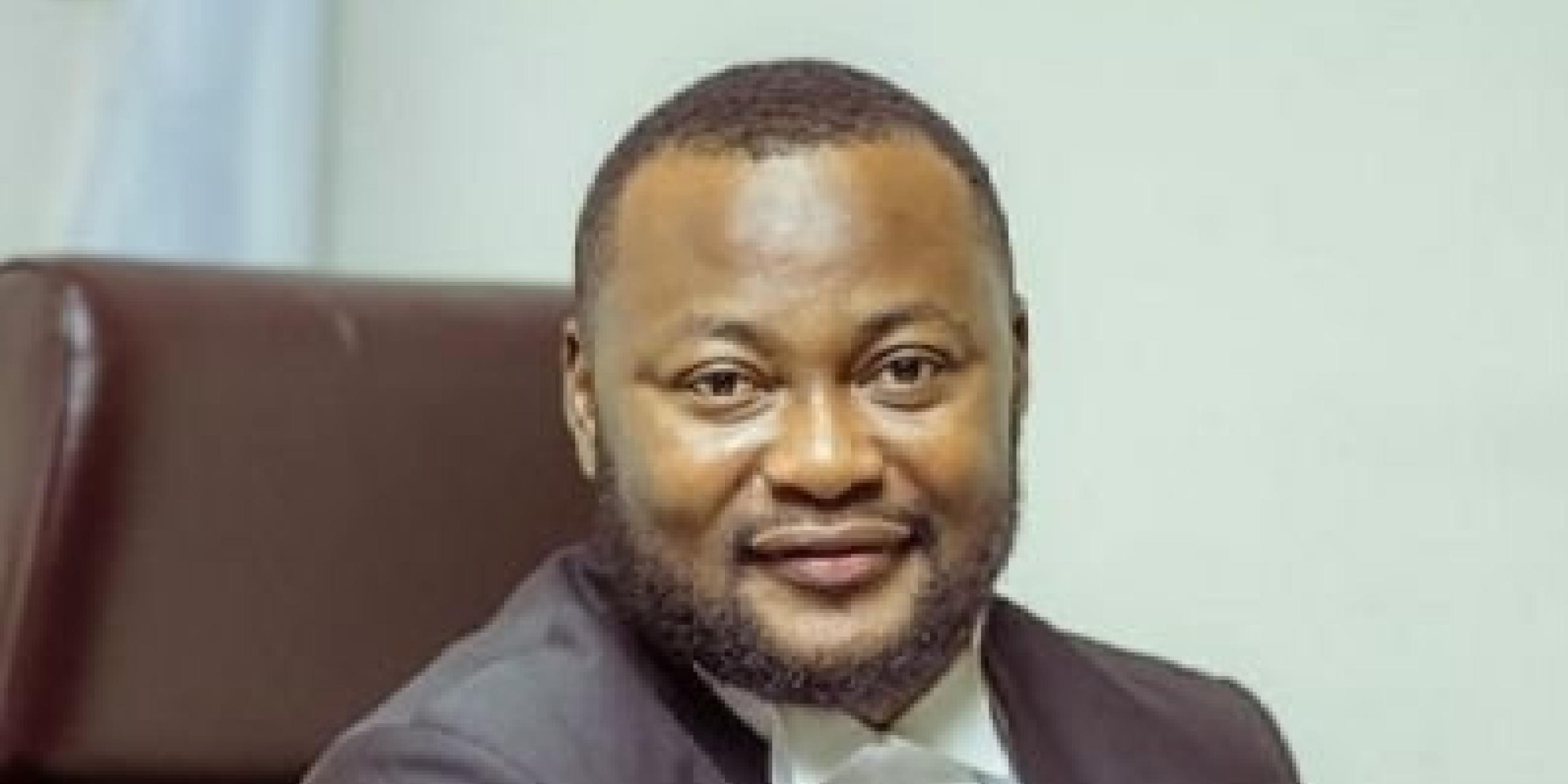
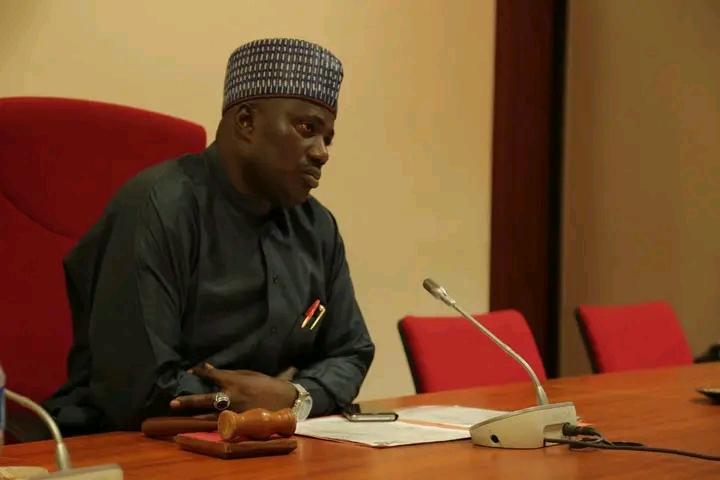
• Fubara is APC Leader in Rivers — Wike Not a Member!

    Daniel Bwala, Special Adviser to President Tinubu, says Governor Siminalayi Fubara is the official APC leader in Rivers State. He stressed that ex-Governor Nyesom Wike, though influential in the PDP, has no authority in the ruling party.

    The battle for political influence in Rivers continues…
    🚨 Fubara is APC Leader in Rivers — Wike Not a Member! Daniel Bwala, Special Adviser to President Tinubu, says Governor Siminalayi Fubara is the official APC leader in Rivers State. He stressed that ex-Governor Nyesom Wike, though influential in the PDP, has no authority in the ruling party. The battle for political influence in Rivers continues… 💥
    love
    1
    · 0 Comments ·0 Shares ·491 Views
  • VIDEO: ‘I’m Comfortable In PDP,’ Makinde Insists After Meeting Tinubu

    Governor Seyi Makinde of Oyo State on Thursday met with President Bola Tinubu to discuss governance matters. The governor clarified that the meeting was strictly about “some governance issues” and not political.

    Makinde also emphasized that he remains comfortable in the PDP, while praising President Tinubu as not just the leader of the APC, but the President of all Nigerians.

    #Makinde #Tinubu #PDP #NigeriaPolitics
    VIDEO: ‘I’m Comfortable In PDP,’ Makinde Insists After Meeting Tinubu Governor Seyi Makinde of Oyo State on Thursday met with President Bola Tinubu to discuss governance matters. The governor clarified that the meeting was strictly about “some governance issues” and not political. Makinde also emphasized that he remains comfortable in the PDP, while praising President Tinubu as not just the leader of the APC, but the President of all Nigerians. #Makinde #Tinubu #PDP #NigeriaPolitics
    0 Comments ·0 Shares ·528 Views
  • Mixed Reactions Trail Tiwa Savage’s Revelation About Living Next to President Tinubu……..

    Social media has been buzzing after singer Tiwa Savage revealed that she lives next to President Bola Ahmed Tinubu. A netizen reacted, saying, “Na why dem no go ever protest, dem dey wine and dine together,” sparking heated debate online. While some fans dismissed the comment as unnecessary, others questioned the relationship between celebrities and politicians. The revelation has since generated mixed reactions, with many Nigerians sharing differing views on celebrity influence and political neutrality.
    #fintternews
    Mixed Reactions Trail Tiwa Savage’s Revelation About Living Next to President Tinubu…….. Social media has been buzzing after singer Tiwa Savage revealed that she lives next to President Bola Ahmed Tinubu. A netizen reacted, saying, “Na why dem no go ever protest, dem dey wine and dine together,” sparking heated debate online. While some fans dismissed the comment as unnecessary, others questioned the relationship between celebrities and politicians. The revelation has since generated mixed reactions, with many Nigerians sharing differing views on celebrity influence and political neutrality. #fintternews
    love
    2
    · 3 Comments ·0 Shares ·466 Views
  • Nigerian Army Denies Mutiny Threat Over Salaries, Says Welfare Reforms Ongoing

    The Nigerian Army has dismissed reports of an impending mutiny by aggrieved soldiers over poor salaries and allowances, describing such claims as false and misleading. In a statement signed by Acting Army Spokesperson, Col. Appolonia Anele, the military said mutiny is alien to its discipline and professionalism. The Army clarified that promotion increments are only part of overall remuneration and listed multiple allowances that make up soldiers’ pay. While acknowledging welfare concerns, it said structured reforms, salary reviews and improved benefits are ongoing, reaffirming loyalty to the Constitution and President Tinubu.

    #NigerianArmy #MilitaryWelfare #MutinyClaims #NigeriaSecurity #Tinubu
    Nigerian Army Denies Mutiny Threat Over Salaries, Says Welfare Reforms Ongoing The Nigerian Army has dismissed reports of an impending mutiny by aggrieved soldiers over poor salaries and allowances, describing such claims as false and misleading. In a statement signed by Acting Army Spokesperson, Col. Appolonia Anele, the military said mutiny is alien to its discipline and professionalism. The Army clarified that promotion increments are only part of overall remuneration and listed multiple allowances that make up soldiers’ pay. While acknowledging welfare concerns, it said structured reforms, salary reviews and improved benefits are ongoing, reaffirming loyalty to the Constitution and President Tinubu. #NigerianArmy #MilitaryWelfare #MutinyClaims #NigeriaSecurity #Tinubu
    love
    1
    · 0 Comments ·0 Shares ·626 Views
  • Fresh Twist in Nigerian Politics: Atiku Haske Organisation Expels Abba Atiku After Joining APC

    A fresh political drama has erupted as the Atiku Haske Organisation (AHO) expelled Abba Atiku Abubakar, son of former VP Atiku Abubakar, over attempts to influence the group’s political direction. The AHO dismissed Abba’s directives as “null, void and dead on arrival” and reaffirmed its loyalty to the African Democratic Congress (ADC). Despite the expulsion, the organisation reiterated its support for Atiku Abubakar as a credible leader for the 2027 elections. Abba’s move to join the ruling APC and endorse President Tinubu was described by Atiku as a personal decision, not alarming amid family politics.


    #AtikuAbubakar #AbbaAtiku #NigeriaPolitics
    Fresh Twist in Nigerian Politics: Atiku Haske Organisation Expels Abba Atiku After Joining APC A fresh political drama has erupted as the Atiku Haske Organisation (AHO) expelled Abba Atiku Abubakar, son of former VP Atiku Abubakar, over attempts to influence the group’s political direction. The AHO dismissed Abba’s directives as “null, void and dead on arrival” and reaffirmed its loyalty to the African Democratic Congress (ADC). Despite the expulsion, the organisation reiterated its support for Atiku Abubakar as a credible leader for the 2027 elections. Abba’s move to join the ruling APC and endorse President Tinubu was described by Atiku as a personal decision, not alarming amid family politics. #AtikuAbubakar #AbbaAtiku #NigeriaPolitics
    love
    3
    · 0 Comments ·0 Shares ·597 Views
  • PRESIDENT TINUBU RETURNS TO NIGERIA AFTER ABU DHABI TRIP……

    President Bola Ahmed Tinubu has returned to Nigeria after participating in the 2026 Abu Dhabi Sustainability Week (ADSW2026) alongside key ministers. According to a statement by his Special Adviser, Bayo Onanuga, Nigeria signed a Comprehensive Economic Partnership Agreement (CEPA) with the United Arab Emirates to deepen economic cooperation. The deal targets increased trade, investment, technology transfer, and collaboration in energy, infrastructure, agriculture, mining, and renewables. Tinubu also announced a Nigeria–UAE INVESTOPIA in Lagos this February and said Nigeria plans to mobilise up to $30bn yearly for climate and green industrial finance.
    #fintternews
    PRESIDENT TINUBU RETURNS TO NIGERIA AFTER ABU DHABI TRIP…… President Bola Ahmed Tinubu has returned to Nigeria after participating in the 2026 Abu Dhabi Sustainability Week (ADSW2026) alongside key ministers. According to a statement by his Special Adviser, Bayo Onanuga, Nigeria signed a Comprehensive Economic Partnership Agreement (CEPA) with the United Arab Emirates to deepen economic cooperation. The deal targets increased trade, investment, technology transfer, and collaboration in energy, infrastructure, agriculture, mining, and renewables. Tinubu also announced a Nigeria–UAE INVESTOPIA in Lagos this February and said Nigeria plans to mobilise up to $30bn yearly for climate and green industrial finance. #fintternews
    love
    2
    · 0 Comments ·0 Shares ·549 Views
  • ADC Criticizes Nigerian Governors for Poor Impact Despite Increased Federal Allocations

    The African Democratic Congress (ADC) says state governors have failed to improve citizens’ welfare despite receiving higher allocations after the removal of fuel subsidies. Spokesman Bolaji Abdullahi argued that although funds to states have more than doubled under President Tinubu—from N3.8 trillion to N7.1 trillion—Nigerians have not seen better living conditions. He questioned the impact of the increased inflow on public infrastructure and social services.

    #NigeriaPolitics #ADC #GovernanceFail
    ADC Criticizes Nigerian Governors for Poor Impact Despite Increased Federal Allocations The African Democratic Congress (ADC) says state governors have failed to improve citizens’ welfare despite receiving higher allocations after the removal of fuel subsidies. Spokesman Bolaji Abdullahi argued that although funds to states have more than doubled under President Tinubu—from N3.8 trillion to N7.1 trillion—Nigerians have not seen better living conditions. He questioned the impact of the increased inflow on public infrastructure and social services. #NigeriaPolitics #ADC #GovernanceFail
    love
    1
    · 0 Comments ·0 Shares ·502 Views
  • Whistleblower Oluwasanmi Arraigned in Lagos Over Alleged Corruption at Tinubu-Linked Alpha-Beta Firm

    Activist and whistleblower Segun Oluwasanmi has been arraigned at Ogba Magistrate Court, Lagos, following his arrest by the Nigeria Police over allegations linked to his exposure of corruption at Alpha-Beta Consulting Limited, a firm connected to President Tinubu. Oluwasanmi had accused the company of underpaying taxes, salary manipulations, inflated contracts, and internal fraud. The Committee for Defence of Human Rights (CDHR) called on supporters to rally in solidarity, describing his case as critical to justice. Oluwasanmi’s arraignment highlights growing tensions between whistleblowers and powerful corporate-political interests in Nigeria.
    Whistleblower Oluwasanmi Arraigned in Lagos Over Alleged Corruption at Tinubu-Linked Alpha-Beta Firm Activist and whistleblower Segun Oluwasanmi has been arraigned at Ogba Magistrate Court, Lagos, following his arrest by the Nigeria Police over allegations linked to his exposure of corruption at Alpha-Beta Consulting Limited, a firm connected to President Tinubu. Oluwasanmi had accused the company of underpaying taxes, salary manipulations, inflated contracts, and internal fraud. The Committee for Defence of Human Rights (CDHR) called on supporters to rally in solidarity, describing his case as critical to justice. Oluwasanmi’s arraignment highlights growing tensions between whistleblowers and powerful corporate-political interests in Nigeria.
    love
    1
    · 0 Comments ·0 Shares ·414 Views
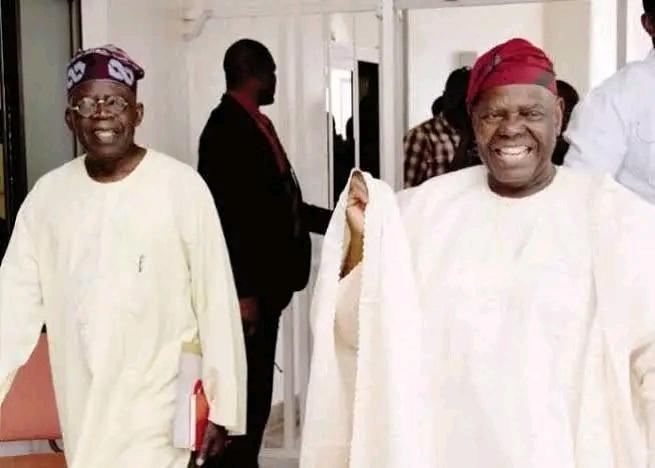
  • President Tinubu Celebrates Chief Bisi Akande at 87, Praises His Role in Nigeria’s Democracy and APC Success

    President Bola Tinubu has paid a special tribute to elder statesman Chief Bisi Akande on his 87th birthday, recognizing his immense contributions to Nigeria’s democracy and the All Progressives Congress (APC). Tinubu highlighted Akande’s journey from accountant to Deputy Governor of old Oyo State, Governor of Osun, and first Interim APC Chairman, praising his leadership in helping unseat an incumbent in 2015. He lauded Akande’s integrity, mentorship, and unwavering support for the Renewed Hope Agenda, describing him as a tireless advocate for democracy, social justice, and good governance even at 87.
    President Tinubu Celebrates Chief Bisi Akande at 87, Praises His Role in Nigeria’s Democracy and APC Success President Bola Tinubu has paid a special tribute to elder statesman Chief Bisi Akande on his 87th birthday, recognizing his immense contributions to Nigeria’s democracy and the All Progressives Congress (APC). Tinubu highlighted Akande’s journey from accountant to Deputy Governor of old Oyo State, Governor of Osun, and first Interim APC Chairman, praising his leadership in helping unseat an incumbent in 2015. He lauded Akande’s integrity, mentorship, and unwavering support for the Renewed Hope Agenda, describing him as a tireless advocate for democracy, social justice, and good governance even at 87.
    0 Comments ·0 Shares ·502 Views
  • President Tinubu Mourns Passing of Akran of Badagry at 89

    President Bola Tinubu has mourned the death of the Akran of Badagry, Oba Wheno Aholu Menu-Toyi I, who passed away at 89 after over 40 years on the throne. In a condolence message, Tinubu described the monarch as a custodian of history and a bridge between tradition and modern Nigerian society. The president praised Oba Menu-Toyi’s leadership for promoting peace, inclusiveness, and cultural cohesion in Badagry, highlighting his efforts to preserve the kingdom’s historical significance as a former slave port. Tinubu also recalled the late monarch’s professional life as a teacher and journalist before ascending the throne. He extended condolences to the Lagos State Government, Traditional Council, Badagry Council of Chiefs, and the people of Badagry, praying for strength for the royal family and residents during this period of mourning.

    President Tinubu Mourns Passing of Akran of Badagry at 89 President Bola Tinubu has mourned the death of the Akran of Badagry, Oba Wheno Aholu Menu-Toyi I, who passed away at 89 after over 40 years on the throne. In a condolence message, Tinubu described the monarch as a custodian of history and a bridge between tradition and modern Nigerian society. The president praised Oba Menu-Toyi’s leadership for promoting peace, inclusiveness, and cultural cohesion in Badagry, highlighting his efforts to preserve the kingdom’s historical significance as a former slave port. Tinubu also recalled the late monarch’s professional life as a teacher and journalist before ascending the throne. He extended condolences to the Lagos State Government, Traditional Council, Badagry Council of Chiefs, and the people of Badagry, praying for strength for the royal family and residents during this period of mourning.
    0 Comments ·0 Shares ·577 Views
  • Nigeria Questions President Tinubu’s Whereabouts Amid Activist Sowore’s Demand for Clarity on Leadership, Public Absence Sparks Concern

    Concerns over President Bola Tinubu’s public absence have intensified as prominent activist and former presidential candidate Omoyele Sowore called on the government to clarify the president’s whereabouts. Sowore described Nigeria as effectively “operating without a president”, citing Tinubu’s extended absence from public engagements during a period of economic challenges, rising insecurity, and widespread public discontent.

    According to the Presidency, Tinubu departed Lagos for Europe to continue his end-of-year break ahead of an official trip to Abu Dhabi for the Abu Dhabi Sustainability Week Summit (ADSW 2026), where he is set to engage global leaders on sustainable development initiatives. Presidential aides confirmed he will return after the summit.

    The situation has drawn scrutiny over government transparency, leadership accountability, and budget allocations. Review of the 2026 Nigerian budget shows N6.1 billion earmarked for Tinubu’s international travels and N873 million for local travels, while Vice President Kashim Shettima plans to spend N1.3 billion on foreign trips, bringing the total for top leadership travel to N7.4 billion.

    Civil society groups and opposition figures echo Sowore’s call for clarity, insisting that Nigerians deserve reassurance about the president’s health, governance engagement, and leadership presence. The ongoing debate underscores concerns about executive transparency, fiscal responsibility, and citizen confidence in the highest office of Nigeria.
    Nigeria Questions President Tinubu’s Whereabouts Amid Activist Sowore’s Demand for Clarity on Leadership, Public Absence Sparks Concern Concerns over President Bola Tinubu’s public absence have intensified as prominent activist and former presidential candidate Omoyele Sowore called on the government to clarify the president’s whereabouts. Sowore described Nigeria as effectively “operating without a president”, citing Tinubu’s extended absence from public engagements during a period of economic challenges, rising insecurity, and widespread public discontent. According to the Presidency, Tinubu departed Lagos for Europe to continue his end-of-year break ahead of an official trip to Abu Dhabi for the Abu Dhabi Sustainability Week Summit (ADSW 2026), where he is set to engage global leaders on sustainable development initiatives. Presidential aides confirmed he will return after the summit. The situation has drawn scrutiny over government transparency, leadership accountability, and budget allocations. Review of the 2026 Nigerian budget shows N6.1 billion earmarked for Tinubu’s international travels and N873 million for local travels, while Vice President Kashim Shettima plans to spend N1.3 billion on foreign trips, bringing the total for top leadership travel to N7.4 billion. Civil society groups and opposition figures echo Sowore’s call for clarity, insisting that Nigerians deserve reassurance about the president’s health, governance engagement, and leadership presence. The ongoing debate underscores concerns about executive transparency, fiscal responsibility, and citizen confidence in the highest office of Nigeria.
    0 Comments ·0 Shares ·900 Views
  • Why Is Tinubu Budgeting ₦6.1 Billion for Foreign Trips in 2026? What Nigeria’s Travel Spending Reveals About Presidential Priorities

    A review of Nigeria’s 2026 budget has revealed that President Bola Tinubu plans to spend ₦6.1 billion on foreign travels in the coming fiscal year, raising fresh questions about government priorities amid economic strain. The figure, listed under “State House operations – President,” also shows an additional ₦873 million earmarked for local travel. When combined with the Vice President’s projected foreign travel costs of ₦1.3 billion, total international trip spending by the Presidency in 2026 is expected to reach ₦7.4 billion.

    The budget breakdown comes as Nigerians continue to grapple with rising living costs and fiscal pressures. According to the documents, travel expenses remain a major component of State House spending, with another ₦375 million allocated for foodstuffs and catering materials alone. While the Presidency has not released a detailed justification for the travel budget, officials insist the trips are essential for diplomacy, investment, and international engagement.

    Recent movements by the President have already drawn public attention. President Tinubu recently departed Lagos for Europe before heading to Abu Dhabi at the invitation of UAE President Sheikh Mohamed bin Zayed Al Nahyan to attend the Abu Dhabi Sustainability Week Summit (ADSW 2026). The Presidency described the summit as a high-level global forum bringing together leaders from government, business, and civil society to discuss sustainable development. Officials also confirmed that the President would return to Nigeria after the event.

    However, critics argue that the scale of spending on foreign trips is difficult to justify, especially in light of past expenditure. Although comprehensive 2025 data is unavailable, records from the Open Treasury Portal show that in 2024 alone, the State House spent over ₦36.3 billion on international travel. This included ₦12.2 billion for “international travel and transport (training)” and ₦24.19 billion for “international travel and transport (others).” Local travel was even more costly, with ₦47 billion spent on training and other domestic trips. In total, travel expenses—both local and foreign—amounted to approximately ₦83 billion in 2024.

    Further reports revealed that between February and July 2024, the Presidency spent about ₦2.3 billion on foreign trips, while an additional ₦2.9 billion went toward foreign exchange for trips involving the President, Vice President, and First Lady across several countries. Payments running into hundreds of millions of naira were also recorded in individual months, fueling debate over transparency and fiscal discipline.

    Opposition figures, including former presidential candidate Peter Obi, have questioned the frequency and cost of the President’s travels. At the same time, government officials have defended the expenditure. Nigeria’s Minister of Foreign Affairs, Ambassador Yusuf Maitama Tuggar, has argued that the President should even travel more to advance Nigeria’s diplomatic and economic interests globally.

    With the 2026 budget now in focus, the key questions remain: Does the ₦6.1 billion allocation reflect necessary diplomacy or excessive spending? How does such expenditure align with Nigeria’s current economic challenges? And will the government provide clearer accountability for the rising cost of presidential travel? As public scrutiny intensifies, the debate over leadership priorities and fiscal responsibility is likely to continue.


    Why Is Tinubu Budgeting ₦6.1 Billion for Foreign Trips in 2026? What Nigeria’s Travel Spending Reveals About Presidential Priorities A review of Nigeria’s 2026 budget has revealed that President Bola Tinubu plans to spend ₦6.1 billion on foreign travels in the coming fiscal year, raising fresh questions about government priorities amid economic strain. The figure, listed under “State House operations – President,” also shows an additional ₦873 million earmarked for local travel. When combined with the Vice President’s projected foreign travel costs of ₦1.3 billion, total international trip spending by the Presidency in 2026 is expected to reach ₦7.4 billion. The budget breakdown comes as Nigerians continue to grapple with rising living costs and fiscal pressures. According to the documents, travel expenses remain a major component of State House spending, with another ₦375 million allocated for foodstuffs and catering materials alone. While the Presidency has not released a detailed justification for the travel budget, officials insist the trips are essential for diplomacy, investment, and international engagement. Recent movements by the President have already drawn public attention. President Tinubu recently departed Lagos for Europe before heading to Abu Dhabi at the invitation of UAE President Sheikh Mohamed bin Zayed Al Nahyan to attend the Abu Dhabi Sustainability Week Summit (ADSW 2026). The Presidency described the summit as a high-level global forum bringing together leaders from government, business, and civil society to discuss sustainable development. Officials also confirmed that the President would return to Nigeria after the event. However, critics argue that the scale of spending on foreign trips is difficult to justify, especially in light of past expenditure. Although comprehensive 2025 data is unavailable, records from the Open Treasury Portal show that in 2024 alone, the State House spent over ₦36.3 billion on international travel. This included ₦12.2 billion for “international travel and transport (training)” and ₦24.19 billion for “international travel and transport (others).” Local travel was even more costly, with ₦47 billion spent on training and other domestic trips. In total, travel expenses—both local and foreign—amounted to approximately ₦83 billion in 2024. Further reports revealed that between February and July 2024, the Presidency spent about ₦2.3 billion on foreign trips, while an additional ₦2.9 billion went toward foreign exchange for trips involving the President, Vice President, and First Lady across several countries. Payments running into hundreds of millions of naira were also recorded in individual months, fueling debate over transparency and fiscal discipline. Opposition figures, including former presidential candidate Peter Obi, have questioned the frequency and cost of the President’s travels. At the same time, government officials have defended the expenditure. Nigeria’s Minister of Foreign Affairs, Ambassador Yusuf Maitama Tuggar, has argued that the President should even travel more to advance Nigeria’s diplomatic and economic interests globally. With the 2026 budget now in focus, the key questions remain: Does the ₦6.1 billion allocation reflect necessary diplomacy or excessive spending? How does such expenditure align with Nigeria’s current economic challenges? And will the government provide clearer accountability for the rising cost of presidential travel? As public scrutiny intensifies, the debate over leadership priorities and fiscal responsibility is likely to continue.
    0 Comments ·0 Shares ·726 Views
  • Is Nyesom Wike Undermining APC from Inside Government? Why Rivers APC Leaders Are Urging Tinubu to Sanction the FCT Minister Over ‘Anti-Party’ Activities

    Why would leaders of the ruling All Progressives Congress (APC) publicly demand the removal of a sitting minister appointed by their own government? And is Nigeria witnessing one of the most serious internal party confrontations since the 2023 elections?

    A coalition of APC leaders has formally asked President Bola Tinubu to sanction or remove the Minister of the Federal Capital Territory (FCT), Nyesom Wike, accusing him of repeated anti-party conduct and statements that allegedly threaten national unity. The demand was conveyed in a memo addressed to the President through the APC National Chairman, Prof. Nentawe Yilwatda, and was accompanied by plans for a protest at the party’s national secretariat in Abuja.

    The signatories—including party chieftains and youth leaders—say their action was prompted by growing concern that Wike, a former Rivers State governor and still a member of the opposition Peoples Democratic Party (PDP), has consistently attacked APC leadership while serving in an APC-led federal government. Could a minister appointed from outside the ruling party be working at cross-purposes with the party that empowered him?

    At the heart of the dispute are comments allegedly made by Wike during a “thank-you tour” in Oyigbo, Rivers State, where he was said to have criticised the APC National Secretary, Senator Ajibola Basiru, accusing him of meddling in state politics for personal reasons and warning that those who interfere would “get their fingers burnt.” APC leaders argue that such remarks amount to direct disrespect for the party’s National Working Committee and an attempt by Wike to exert influence in Rivers State despite not being a registered APC member.

    The coalition further alleges that Wike has been undermining the APC-led government in Rivers State through persistent public attacks on Governor Siminalayi Fubara, reportedly calling his emergence a “mistake” and suggesting that the situation should be corrected in the 2027 elections. Are these political opinions—or a calculated strategy to weaken APC’s hold on Rivers State from within?

    Beyond party politics, the memo raises alarms over what it describes as “dangerous and inflammatory” statements, including claims attributed to Wike that “nobody can enter Rivers State.” The APC leaders warn that portraying any part of Nigeria as a “no-go area” challenges federal authority, risks reviving tensions in the Niger Delta, and could undermine the President’s constitutional role as Commander-in-Chief. Could such rhetoric threaten national cohesion at a time when unity remains fragile?

    The group insists that failure to act against the FCT Minister may deepen internal divisions, erode party discipline, and weaken APC’s electoral prospects in Rivers State. They have vowed to escalate their protests nationwide if their demand is ignored.

    Is this a necessary stand to defend party supremacy and national unity—or a dramatic political showdown that exposes deeper fractures within Nigeria’s ruling party? As the standoff unfolds, all eyes remain on President Tinubu and whether he will heed the call to sanction one of the most powerful political figures in the country.


    Is Nyesom Wike Undermining APC from Inside Government? Why Rivers APC Leaders Are Urging Tinubu to Sanction the FCT Minister Over ‘Anti-Party’ Activities Why would leaders of the ruling All Progressives Congress (APC) publicly demand the removal of a sitting minister appointed by their own government? And is Nigeria witnessing one of the most serious internal party confrontations since the 2023 elections? A coalition of APC leaders has formally asked President Bola Tinubu to sanction or remove the Minister of the Federal Capital Territory (FCT), Nyesom Wike, accusing him of repeated anti-party conduct and statements that allegedly threaten national unity. The demand was conveyed in a memo addressed to the President through the APC National Chairman, Prof. Nentawe Yilwatda, and was accompanied by plans for a protest at the party’s national secretariat in Abuja. The signatories—including party chieftains and youth leaders—say their action was prompted by growing concern that Wike, a former Rivers State governor and still a member of the opposition Peoples Democratic Party (PDP), has consistently attacked APC leadership while serving in an APC-led federal government. Could a minister appointed from outside the ruling party be working at cross-purposes with the party that empowered him? At the heart of the dispute are comments allegedly made by Wike during a “thank-you tour” in Oyigbo, Rivers State, where he was said to have criticised the APC National Secretary, Senator Ajibola Basiru, accusing him of meddling in state politics for personal reasons and warning that those who interfere would “get their fingers burnt.” APC leaders argue that such remarks amount to direct disrespect for the party’s National Working Committee and an attempt by Wike to exert influence in Rivers State despite not being a registered APC member. The coalition further alleges that Wike has been undermining the APC-led government in Rivers State through persistent public attacks on Governor Siminalayi Fubara, reportedly calling his emergence a “mistake” and suggesting that the situation should be corrected in the 2027 elections. Are these political opinions—or a calculated strategy to weaken APC’s hold on Rivers State from within? Beyond party politics, the memo raises alarms over what it describes as “dangerous and inflammatory” statements, including claims attributed to Wike that “nobody can enter Rivers State.” The APC leaders warn that portraying any part of Nigeria as a “no-go area” challenges federal authority, risks reviving tensions in the Niger Delta, and could undermine the President’s constitutional role as Commander-in-Chief. Could such rhetoric threaten national cohesion at a time when unity remains fragile? The group insists that failure to act against the FCT Minister may deepen internal divisions, erode party discipline, and weaken APC’s electoral prospects in Rivers State. They have vowed to escalate their protests nationwide if their demand is ignored. Is this a necessary stand to defend party supremacy and national unity—or a dramatic political showdown that exposes deeper fractures within Nigeria’s ruling party? As the standoff unfolds, all eyes remain on President Tinubu and whether he will heed the call to sanction one of the most powerful political figures in the country.
    0 Comments ·0 Shares ·1K Views
  • VDM Calls Out President Tinubu Over Failed Scholarship Promises to Nigerian Students in Morocco

    Nigerian activist Martins Vincent Otse, popularly known as Verydarkman (VDM), has publicly criticized President Bola Tinubu and his son, Seyi Tinubu, over the deteriorating conditions some Nigerian students are reportedly facing in Morocco. The students, granted scholarships by the Nigerian government, were promised full support including a $500 monthly allowance, and were allegedly instructed not to work while studying.

    In a video shared online, VDM revealed that some students have suffered serious consequences due to the government’s alleged failure to deliver on these promises. He claimed that one student died while another sustained a broken leg after attempting to work secretly to survive. He also highlighted the poor state of their accommodation, where up to five students were crammed into rooms meant for one, lacking electricity and proper study facilities.

    VDM warned that if students continue to be neglected, they may resort to cybercrime, which could negatively impact Nigeria’s international image. He also alleged that attempts by students to reach out to influencers and media houses were met with demands for money before their stories could be shared.

    The activist called on the government to intervene urgently and suggested that funds meant for students may have been embezzled. VDM’s video has received praise from fans who expressed outrage at the government’s inaction and applauded his advocacy for the students’ rights.

    This incident underscores ongoing concerns about government accountability in managing scholarship programs and protecting Nigerian students abroad, and it adds to VDM’s history of activism, which includes previous solo protests addressing national insecurity issues.

    VDM Calls Out President Tinubu Over Failed Scholarship Promises to Nigerian Students in Morocco Nigerian activist Martins Vincent Otse, popularly known as Verydarkman (VDM), has publicly criticized President Bola Tinubu and his son, Seyi Tinubu, over the deteriorating conditions some Nigerian students are reportedly facing in Morocco. The students, granted scholarships by the Nigerian government, were promised full support including a $500 monthly allowance, and were allegedly instructed not to work while studying. In a video shared online, VDM revealed that some students have suffered serious consequences due to the government’s alleged failure to deliver on these promises. He claimed that one student died while another sustained a broken leg after attempting to work secretly to survive. He also highlighted the poor state of their accommodation, where up to five students were crammed into rooms meant for one, lacking electricity and proper study facilities. VDM warned that if students continue to be neglected, they may resort to cybercrime, which could negatively impact Nigeria’s international image. He also alleged that attempts by students to reach out to influencers and media houses were met with demands for money before their stories could be shared. The activist called on the government to intervene urgently and suggested that funds meant for students may have been embezzled. VDM’s video has received praise from fans who expressed outrage at the government’s inaction and applauded his advocacy for the students’ rights. This incident underscores ongoing concerns about government accountability in managing scholarship programs and protecting Nigerian students abroad, and it adds to VDM’s history of activism, which includes previous solo protests addressing national insecurity issues.
    0 Comments ·0 Shares ·796 Views
  • Is Tinubu Failing Yoruba Land? Pan-Yoruba Group Slams President Over Insecurity, Kidnapped Monarchs and ‘Silence From Power

    Is Nigeria’s security crisis finally reaching a breaking point in Yoruba land—and is President Bola Ahmed Tinubu truly doing enough to stop it? These are the urgent questions being raised after a Pan-Yoruba socio-political group, Ìgbìnmó Májékóbájé Ilé-Yorùbá, publicly condemned the President over what it described as his “deafening silence” in the face of worsening insecurity across the South-West.

    The group’s outcry followed the shocking abduction of a Kwara State monarch, Oba S. Y. Olaonipekun, and his son, Olaolu, who were reportedly kidnapped by suspected terrorists in the Ile-Ire district. For many observers, the incident marks a dangerous escalation in Nigeria’s security crisis: when even traditional rulers—symbols of authority, culture, and community stability—are no longer safe, what hope remains for ordinary citizens?

    In a strongly worded statement signed by its Convener, Olusola Badero, and released through Home Director Princess Balogun, the group accused President Tinubu of abandoning his constitutional duty as the nation’s chief security officer. According to the group, violent attacks, kidnappings, and killings have spread across Yoruba communities with little visible federal response. They argued that while statements are often issued, concrete action has been painfully absent.

    The union alleged that forests and rural communities in parts of Kwara and the wider South-West have become safe havens for armed groups posing as herdsmen, whom they directly described as terrorists. It lamented what it called the humiliation of Yoruba traditional institutions, stressing that the kidnapping of monarchs was once unimaginable in the region’s history. Quoting a Yoruba proverb—“Oríadé kì í sùn tán” (Royalty does not sleep outside)—the group said the abduction of kings represents not only a security failure but also a deep cultural wound.

    Beyond insecurity, the group launched a broader political critique of President Tinubu’s leadership. They accused him of prioritising personal interests, political allies, and future elections over the immediate safety and welfare of citizens. They further criticised what they described as his frequent foreign trips, alleging that he enjoys public funds abroad while Nigerians face poverty, fear, collapsing healthcare, and deteriorating schools at home. For the group, this contrast symbolises a widening gap between those in power and the people they govern.

    The statement also targeted Kwara State Governor AbdulRahman AbdulRazaq, accusing the state government of failing to protect residents. The group demanded the immediate release of the abducted monarch and his son, as well as other kidnapped citizens, including workers from the Kwara State Ministry of Works.

    To underline what it sees as a pattern of lawlessness, the union recalled earlier incidents, including the killing of Segun Aremu, a retired army general and monarch (the Olúkòrò of Koro), and the abduction of Kamilu Salami, the Oníbàrà of Bayagan Ile, who reportedly spent weeks in captivity before regaining freedom. These cases, the group argued, show that the crisis is not isolated but systemic.

    Perhaps most striking is the group’s warning that continued political inaction could lead to long-term devastation: deserted villages, abandoned farmlands, and forests fully occupied by armed groups. They questioned how elections can even matter if citizens are no longer safe enough to live in their communities. “Who will be alive to vote,” they asked, “if our villages are deserted and our forests controlled by terrorists?”

    The union went further, calling on Yoruba people at home and in the diaspora to take collective responsibility for protecting their region, suggesting that reliance on political leaders who have “clearly failed” could invite even greater catastrophe.

    As this controversy unfolds, Nigerians are left with uncomfortable but necessary questions: Has the federal government lost control of internal security? Is President Tinubu doing enough to protect his own region? And what happens when traditional institutions—once seen as untouchable—become targets of violence?

    On Fintter, this story is more than breaking news; it is a national conversation about leadership, accountability, and survival. Are these criticisms justified, or are they politically motivated? Can Nigeria still reverse its security decline, or has the crisis reached a point of no return? The answers may shape not just the future of Yoruba land, but the fate of the entire nation.

    What do you think? Is Tinubu truly failing on security—or is the crisis beyond any single leader? Share your thoughts and join the debate on Fintter.

    Is Tinubu Failing Yoruba Land? Pan-Yoruba Group Slams President Over Insecurity, Kidnapped Monarchs and ‘Silence From Power Is Nigeria’s security crisis finally reaching a breaking point in Yoruba land—and is President Bola Ahmed Tinubu truly doing enough to stop it? These are the urgent questions being raised after a Pan-Yoruba socio-political group, Ìgbìnmó Májékóbájé Ilé-Yorùbá, publicly condemned the President over what it described as his “deafening silence” in the face of worsening insecurity across the South-West. The group’s outcry followed the shocking abduction of a Kwara State monarch, Oba S. Y. Olaonipekun, and his son, Olaolu, who were reportedly kidnapped by suspected terrorists in the Ile-Ire district. For many observers, the incident marks a dangerous escalation in Nigeria’s security crisis: when even traditional rulers—symbols of authority, culture, and community stability—are no longer safe, what hope remains for ordinary citizens? In a strongly worded statement signed by its Convener, Olusola Badero, and released through Home Director Princess Balogun, the group accused President Tinubu of abandoning his constitutional duty as the nation’s chief security officer. According to the group, violent attacks, kidnappings, and killings have spread across Yoruba communities with little visible federal response. They argued that while statements are often issued, concrete action has been painfully absent. The union alleged that forests and rural communities in parts of Kwara and the wider South-West have become safe havens for armed groups posing as herdsmen, whom they directly described as terrorists. It lamented what it called the humiliation of Yoruba traditional institutions, stressing that the kidnapping of monarchs was once unimaginable in the region’s history. Quoting a Yoruba proverb—“Oríadé kì í sùn tán” (Royalty does not sleep outside)—the group said the abduction of kings represents not only a security failure but also a deep cultural wound. Beyond insecurity, the group launched a broader political critique of President Tinubu’s leadership. They accused him of prioritising personal interests, political allies, and future elections over the immediate safety and welfare of citizens. They further criticised what they described as his frequent foreign trips, alleging that he enjoys public funds abroad while Nigerians face poverty, fear, collapsing healthcare, and deteriorating schools at home. For the group, this contrast symbolises a widening gap between those in power and the people they govern. The statement also targeted Kwara State Governor AbdulRahman AbdulRazaq, accusing the state government of failing to protect residents. The group demanded the immediate release of the abducted monarch and his son, as well as other kidnapped citizens, including workers from the Kwara State Ministry of Works. To underline what it sees as a pattern of lawlessness, the union recalled earlier incidents, including the killing of Segun Aremu, a retired army general and monarch (the Olúkòrò of Koro), and the abduction of Kamilu Salami, the Oníbàrà of Bayagan Ile, who reportedly spent weeks in captivity before regaining freedom. These cases, the group argued, show that the crisis is not isolated but systemic. Perhaps most striking is the group’s warning that continued political inaction could lead to long-term devastation: deserted villages, abandoned farmlands, and forests fully occupied by armed groups. They questioned how elections can even matter if citizens are no longer safe enough to live in their communities. “Who will be alive to vote,” they asked, “if our villages are deserted and our forests controlled by terrorists?” The union went further, calling on Yoruba people at home and in the diaspora to take collective responsibility for protecting their region, suggesting that reliance on political leaders who have “clearly failed” could invite even greater catastrophe. As this controversy unfolds, Nigerians are left with uncomfortable but necessary questions: Has the federal government lost control of internal security? Is President Tinubu doing enough to protect his own region? And what happens when traditional institutions—once seen as untouchable—become targets of violence? On Fintter, this story is more than breaking news; it is a national conversation about leadership, accountability, and survival. Are these criticisms justified, or are they politically motivated? Can Nigeria still reverse its security decline, or has the crisis reached a point of no return? The answers may shape not just the future of Yoruba land, but the fate of the entire nation. 💬 What do you think? Is Tinubu truly failing on security—or is the crisis beyond any single leader? Share your thoughts and join the debate on Fintter.
    0 Comments ·0 Shares ·820 Views
  • What Will Be the End of Nyesom Wike? Analysis of His Political Influence and Future Prospects”

    In this incisive opinion piece, Pelumi Olajengbesi, Esq., examines the political trajectory and future of Nyesom Wike, one of Nigeria’s most influential and polarizing politicians. Wike, formerly instrumental in shaping the emergence of President Tinubu, has long dominated Rivers State politics, pushing aside rivals and asserting a near-absolute influence over his political domain. His style, a combination of strategic brilliance, territorial control, and relentless confrontation, has both earned him admiration and created friction with allies and the opposition alike.
    Wike’s political approach has been defined by territorial command—he defines the political space, punishes disloyalty, and keeps opponents uncertain. This method proved highly effective when he fully controlled Rivers politics, yet the shifting political terrain has begun to challenge his authority. The analysis highlights that when his former protégé, Governor Fubara, aligned with the APC, Wike’s influence began to face constraints, illustrating that political power dependent on perception and intimidation can be fragile.
    Olajengbesi notes that Wike’s predicament is heightened by his dual position as both a useful ally and an outsider within the ruling party. While his support for Tinubu and his ability to destabilize opposition calculations have made him relevant at the federal level, his independence and confrontational style are increasingly perceived as a threat to party discipline and structure. As the ruling party prepares for the next political cycle, Wike’s influence risks erosion if it continues to undermine institutional hierarchy.
    The opinion piece predicts several possible outcomes for Wike: gradual isolation, where his access and influence diminish quietly; neutralisation, where he retains office but loses political leverage; or forced realignment, requiring him to fully submit to party structures, sacrificing the independence that has defined his political brand. However, Wike’s experience and strategic acumen suggest he may yet adapt, potentially transitioning from territorial dominance to coalition management, balancing influence with accommodation.
    Ultimately, Olajengbesi portrays Wike as a fascinating case study of power, strategy, and political survival, highlighting that his future depends not only on strength but on his capacity to navigate institutional politics without alienating the structures that sustain it. The piece underscores that in Nigerian politics, influence without institutional belonging is potent but precarious, and Wike’s next moves will determine whether his story ends in decline or reinvention.
    What Will Be the End of Nyesom Wike? Analysis of His Political Influence and Future Prospects” In this incisive opinion piece, Pelumi Olajengbesi, Esq., examines the political trajectory and future of Nyesom Wike, one of Nigeria’s most influential and polarizing politicians. Wike, formerly instrumental in shaping the emergence of President Tinubu, has long dominated Rivers State politics, pushing aside rivals and asserting a near-absolute influence over his political domain. His style, a combination of strategic brilliance, territorial control, and relentless confrontation, has both earned him admiration and created friction with allies and the opposition alike. Wike’s political approach has been defined by territorial command—he defines the political space, punishes disloyalty, and keeps opponents uncertain. This method proved highly effective when he fully controlled Rivers politics, yet the shifting political terrain has begun to challenge his authority. The analysis highlights that when his former protégé, Governor Fubara, aligned with the APC, Wike’s influence began to face constraints, illustrating that political power dependent on perception and intimidation can be fragile. Olajengbesi notes that Wike’s predicament is heightened by his dual position as both a useful ally and an outsider within the ruling party. While his support for Tinubu and his ability to destabilize opposition calculations have made him relevant at the federal level, his independence and confrontational style are increasingly perceived as a threat to party discipline and structure. As the ruling party prepares for the next political cycle, Wike’s influence risks erosion if it continues to undermine institutional hierarchy. The opinion piece predicts several possible outcomes for Wike: gradual isolation, where his access and influence diminish quietly; neutralisation, where he retains office but loses political leverage; or forced realignment, requiring him to fully submit to party structures, sacrificing the independence that has defined his political brand. However, Wike’s experience and strategic acumen suggest he may yet adapt, potentially transitioning from territorial dominance to coalition management, balancing influence with accommodation. Ultimately, Olajengbesi portrays Wike as a fascinating case study of power, strategy, and political survival, highlighting that his future depends not only on strength but on his capacity to navigate institutional politics without alienating the structures that sustain it. The piece underscores that in Nigerian politics, influence without institutional belonging is potent but precarious, and Wike’s next moves will determine whether his story ends in decline or reinvention.
    0 Comments ·0 Shares ·511 Views
  • Atiku Abubakar Refuses to Step Down from ADC Presidential Race, Calls Tinubu a ‘National Liability’ Ahead of 2027 Elections

    Former Vice President Atiku Abubakar has emphatically ruled out stepping aside from the African Democratic Congress (ADC) presidential race, accusing President Bola Ahmed Tinubu of attempting to weaken opposition parties and establish a de facto one-party state.
    In a statement issued through his media adviser, Paul Ibe, on January 7, 2026, Atiku dismissed calls for him to relinquish his ambition in favor of a southern candidate, describing such pressure as serving Tinubu’s interests rather than those of Nigerians.
    Atiku accused the APC-led government of punishing economic policies, shrinking democratic space, and systematically undermining opposition parties. He emphasized that the ADC is on a “national rescue mission” to restore democracy and build strong structures nationwide, and warned that no intimidation, manipulation, or sabotage would derail the party’s plans.
    He also referenced Peter Obi’s recent formal entry into the ADC as a sign of the ruling party’s fear of a united opposition, reinforcing his stance that if anyone should step aside in 2027, it should be President Tinubu.
    Atiku Abubakar Refuses to Step Down from ADC Presidential Race, Calls Tinubu a ‘National Liability’ Ahead of 2027 Elections Former Vice President Atiku Abubakar has emphatically ruled out stepping aside from the African Democratic Congress (ADC) presidential race, accusing President Bola Ahmed Tinubu of attempting to weaken opposition parties and establish a de facto one-party state. In a statement issued through his media adviser, Paul Ibe, on January 7, 2026, Atiku dismissed calls for him to relinquish his ambition in favor of a southern candidate, describing such pressure as serving Tinubu’s interests rather than those of Nigerians. Atiku accused the APC-led government of punishing economic policies, shrinking democratic space, and systematically undermining opposition parties. He emphasized that the ADC is on a “national rescue mission” to restore democracy and build strong structures nationwide, and warned that no intimidation, manipulation, or sabotage would derail the party’s plans. He also referenced Peter Obi’s recent formal entry into the ADC as a sign of the ruling party’s fear of a united opposition, reinforcing his stance that if anyone should step aside in 2027, it should be President Tinubu.
    0 Comments ·0 Shares ·514 Views
  • PRESIDENT TINUBU APPOINTS FIRST FEMALE DIRECTOR-GENERAL OF NIGERIAN LAW SCHOOL

    President Bola Ahmed Tinubu has approved the appointment of Dr Olugbemisola Titilayo Odusote as the director-general of the Nigerian Law School. The appointment takes effect on January 10, 2026, for a four-year term.

    A statement by Bayo Onanuga, Special Adviser to the President, Information & Strategy indicates that Dr Odusote, 57, is currently the Deputy Director-General and Head of the Lagos Campus and will become the first woman to lead the institution since its establishment in 1962.

    She will succeed the current Director-General, Professor Isa Hayatu Chiroma, whose tenure expires on January 9, 2026, after eight years of service.

    Titilayo Odusote obtained her LL.B. degree from Obafemi Awolowo University and was called to the Nigerian Bar in 1988. She holds an LL.M from the same university, specialising in company and commercial law. She later obtained a PhD in Law from the University of Surrey, in the United Kingdom, with research interests in Public Law and the administration of justice.

    She joined the law school in 2001 as a lecturer. Since then, she has served in various capacities, including as head of the academic department, director of academics, and head of campus.

    During her career at the law school, she was a visiting scholar at Nottingham Trent University in the UK for a short time.

    Odusote has published extensively in reputable local and international law journals and has presented papers at numerous legal education conferences. She also served on committees of the Council of Legal Education and the Nigerian Bar Association.

    As Director-General, Odusote will be responsible for the institution’s overall academic leadership, administrative management, and strategic direction across all campuses. She will also serve as the primary liaison between the school, the Council of Legal Education, the Body of Benchers, and the Nigerian Bar Association.
    PRESIDENT TINUBU APPOINTS FIRST FEMALE DIRECTOR-GENERAL OF NIGERIAN LAW SCHOOL President Bola Ahmed Tinubu has approved the appointment of Dr Olugbemisola Titilayo Odusote as the director-general of the Nigerian Law School. The appointment takes effect on January 10, 2026, for a four-year term. A statement by Bayo Onanuga, Special Adviser to the President, Information & Strategy indicates that Dr Odusote, 57, is currently the Deputy Director-General and Head of the Lagos Campus and will become the first woman to lead the institution since its establishment in 1962. She will succeed the current Director-General, Professor Isa Hayatu Chiroma, whose tenure expires on January 9, 2026, after eight years of service. Titilayo Odusote obtained her LL.B. degree from Obafemi Awolowo University and was called to the Nigerian Bar in 1988. She holds an LL.M from the same university, specialising in company and commercial law. She later obtained a PhD in Law from the University of Surrey, in the United Kingdom, with research interests in Public Law and the administration of justice. She joined the law school in 2001 as a lecturer. Since then, she has served in various capacities, including as head of the academic department, director of academics, and head of campus. During her career at the law school, she was a visiting scholar at Nottingham Trent University in the UK for a short time. Odusote has published extensively in reputable local and international law journals and has presented papers at numerous legal education conferences. She also served on committees of the Council of Legal Education and the Nigerian Bar Association. As Director-General, Odusote will be responsible for the institution’s overall academic leadership, administrative management, and strategic direction across all campuses. She will also serve as the primary liaison between the school, the Council of Legal Education, the Body of Benchers, and the Nigerian Bar Association.
    0 Comments ·0 Shares ·223 Views
  • Minister Sympathises with Borgu Victims After Deadly New Year Terror Attack

    In a heartfelt statement, Minister of State for Agriculture and Food Security Dr Aliyu Sabi Abdullahi expressed deep sorrow over a brutal terrorist attack on Kasuwan Daji rural communities in Borgu Local Government Area of Niger State, which claimed 42 lives just three days into the New Year.

    The assault, which occurred on January 3, left scores injured, homes destroyed, and an unknown number of residents abducted, including women, children, and the elderly.

    Dr Abdullahi described the violence as "senseless, deliberate, and murderous," highlighting the "depravity of the terrorists and bandits" who disrupted the peaceful livelihoods of the affected communities.

    "My heart goes out to the families who have lost their loved ones, just as I wish a quick recovery to the many who were injured during the rage of atrocities," the minister said in his statement released on Tuesday.

    He extended support to Niger State Governor Mohammed Umar Bago, acknowledging the "challenging times" and praising the governor's efforts to enhance security for residents, particularly in vulnerable areas.

    Urging resilience among Borgu residents, the minister called for unity against the perpetrators.

    "Let us grieve, because we have lost our loved ones and our possessions. But I call on the Borgu communities to invoke their age-old spirit of resilience, wipe away their tears, and firmly resolve to never allow the lawless terrorists and bandits dictate their rhythm of life," he stated.

    Dr Abdullahi emphasised the indiscriminate nature of the violence, noting that the attackers target individuals regardless of religion or ethnicity whether Bussawa, Hausa, Kambari, or Fulani.

    He encouraged communities to collaborate with security forces to eliminate the threats, asserting that Borgu must not become a "haven nor a theatre for their atrocities."

    The minister reassured residents of President Tinubu's commitment to pursuing and prosecuting those responsible for the "heinous crimes." Security agencies have yet to provide further details on the ongoing investigation or rescue efforts for the abducted.
    Minister Sympathises with Borgu Victims After Deadly New Year Terror Attack In a heartfelt statement, Minister of State for Agriculture and Food Security Dr Aliyu Sabi Abdullahi expressed deep sorrow over a brutal terrorist attack on Kasuwan Daji rural communities in Borgu Local Government Area of Niger State, which claimed 42 lives just three days into the New Year. The assault, which occurred on January 3, left scores injured, homes destroyed, and an unknown number of residents abducted, including women, children, and the elderly. Dr Abdullahi described the violence as "senseless, deliberate, and murderous," highlighting the "depravity of the terrorists and bandits" who disrupted the peaceful livelihoods of the affected communities. "My heart goes out to the families who have lost their loved ones, just as I wish a quick recovery to the many who were injured during the rage of atrocities," the minister said in his statement released on Tuesday. He extended support to Niger State Governor Mohammed Umar Bago, acknowledging the "challenging times" and praising the governor's efforts to enhance security for residents, particularly in vulnerable areas. Urging resilience among Borgu residents, the minister called for unity against the perpetrators. "Let us grieve, because we have lost our loved ones and our possessions. But I call on the Borgu communities to invoke their age-old spirit of resilience, wipe away their tears, and firmly resolve to never allow the lawless terrorists and bandits dictate their rhythm of life," he stated. Dr Abdullahi emphasised the indiscriminate nature of the violence, noting that the attackers target individuals regardless of religion or ethnicity whether Bussawa, Hausa, Kambari, or Fulani. He encouraged communities to collaborate with security forces to eliminate the threats, asserting that Borgu must not become a "haven nor a theatre for their atrocities." The minister reassured residents of President Tinubu's commitment to pursuing and prosecuting those responsible for the "heinous crimes." Security agencies have yet to provide further details on the ongoing investigation or rescue efforts for the abducted.
    0 Comments ·0 Shares ·491 Views
  • Breaking: FCT Minister Nyesom Wike Reaffirms Support for President Tinubu Amid Rivers APC Clash Ahead of 2027 Elections

    FCT Minister Nyesom Wike has declared his unwavering support for President Bola Ahmed Tinubu ahead of the 2027 general election, emphasizing that his political structure in Rivers State is fully committed to the President. Wike made the statement on January 6, 2026, during ongoing consultations across local government areas in Rivers State. His declaration comes amid a public clash with APC National Secretary Ajibola Basiru over party influence and local politics. Wike warned against interference in Rivers State, calling it a “no-go area” for outsiders. The tensions reflect deep divisions within the APC, particularly following Governor Siminalayi Fubara’s defection from the PDP to the ruling party. Despite these challenges, Wike affirmed that his loyalty to Tinubu remains non-negotiable, reinforcing his influence over grassroots structures in Rivers State as a key factor in the party’s electoral strategy.

    #NyesomWike #BolaTinubu #APC #RiversStatePolitics #2027Elections #PoliticalTensions #FCTMinister #NigeriaPolitics
    Breaking: FCT Minister Nyesom Wike Reaffirms Support for President Tinubu Amid Rivers APC Clash Ahead of 2027 Elections FCT Minister Nyesom Wike has declared his unwavering support for President Bola Ahmed Tinubu ahead of the 2027 general election, emphasizing that his political structure in Rivers State is fully committed to the President. Wike made the statement on January 6, 2026, during ongoing consultations across local government areas in Rivers State. His declaration comes amid a public clash with APC National Secretary Ajibola Basiru over party influence and local politics. Wike warned against interference in Rivers State, calling it a “no-go area” for outsiders. The tensions reflect deep divisions within the APC, particularly following Governor Siminalayi Fubara’s defection from the PDP to the ruling party. Despite these challenges, Wike affirmed that his loyalty to Tinubu remains non-negotiable, reinforcing his influence over grassroots structures in Rivers State as a key factor in the party’s electoral strategy. #NyesomWike #BolaTinubu #APC #RiversStatePolitics #2027Elections #PoliticalTensions #FCTMinister #NigeriaPolitics
    0 Comments ·0 Shares ·1K Views
More Results
Fintter https://fintter.com