• BREAKING: Police Inspector’s Accidental Gunshot Kills Colleague, Injures Another in Rivers State

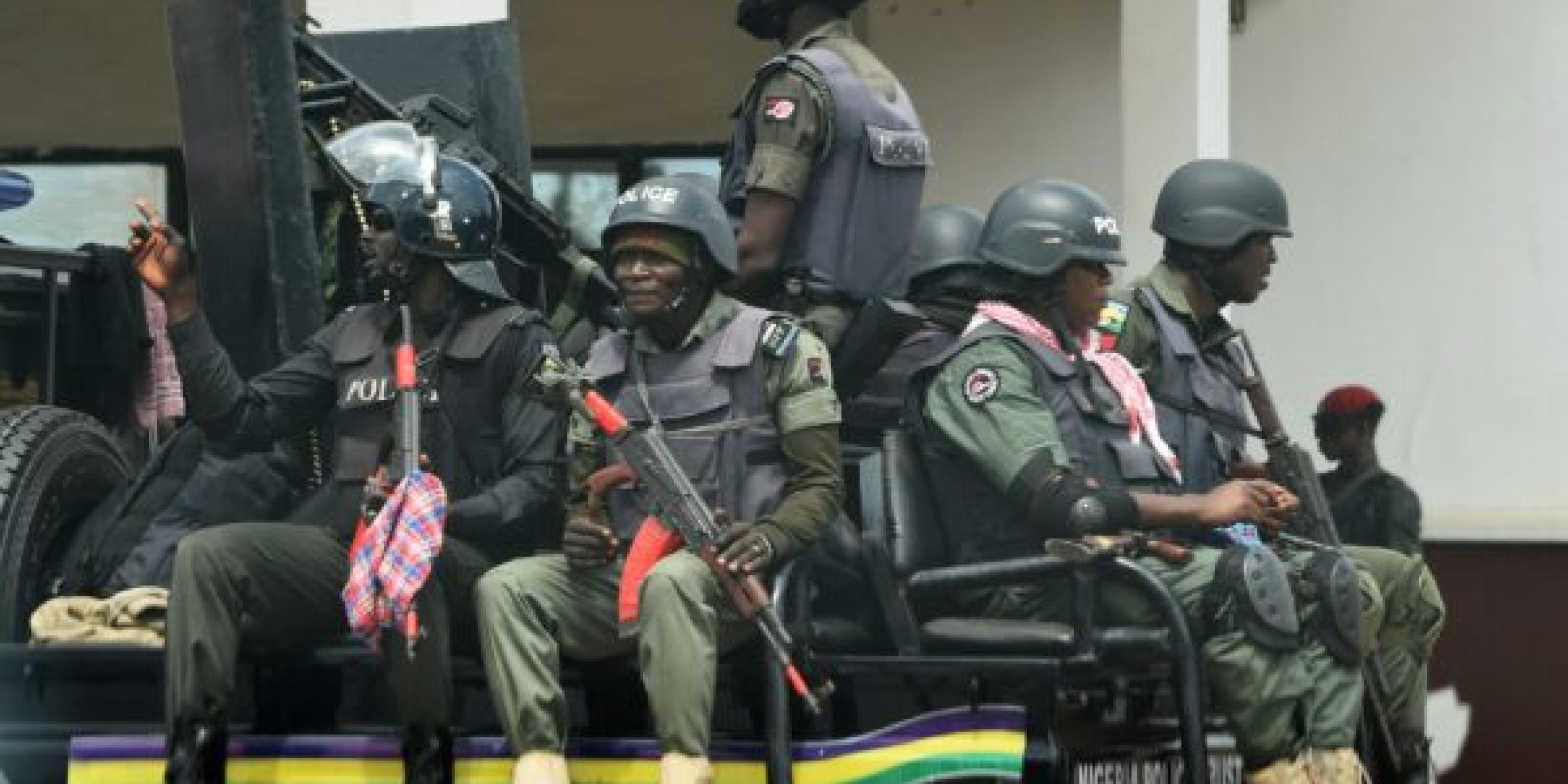
    Tragedy struck in Rivers State on Sunday as a Nigerian police inspector, Victor Okus, accidentally discharged his firearm inside a vehicle, shooting two fellow officers during a transit from Life Camp to their quarters. The incident occurred around 1:00pm in Port Harcourt while the officers were travelling together. Both victims, attached to 14 PMF Yola, were rushed to Nobsams Hospital, where Inspector Ibrahim Sani was confirmed dead, while Inspector Daniel Dauda is receiving treatment. Okus, attached to Hintex Logistics under 19 PMF, has been disarmed, detained, and declared a defaulter as investigations continue.

    #BreakingNews #NigeriaPolice #RiversState
    BREAKING: Police Inspector’s Accidental Gunshot Kills Colleague, Injures Another in Rivers State Tragedy struck in Rivers State on Sunday as a Nigerian police inspector, Victor Okus, accidentally discharged his firearm inside a vehicle, shooting two fellow officers during a transit from Life Camp to their quarters. The incident occurred around 1:00pm in Port Harcourt while the officers were travelling together. Both victims, attached to 14 PMF Yola, were rushed to Nobsams Hospital, where Inspector Ibrahim Sani was confirmed dead, while Inspector Daniel Dauda is receiving treatment. Okus, attached to Hintex Logistics under 19 PMF, has been disarmed, detained, and declared a defaulter as investigations continue. #BreakingNews #NigeriaPolice #RiversState
    love
    1
    · 0 Comments ·0 Shares ·431 Views
  • Rivers Assembly Lawmakers Reverse Reconciliation Call, Insist Impeachment of Governor Fubara, Deputy Must Continue

    Four Rivers State House of Assembly members have withdrawn their earlier call for reconciliation, insisting that the impeachment process against Governor Siminalayi Fubara and Deputy Governor Ngozi Odu must continue. Speaking at a press conference in Port Harcourt, the lawmakers cited persistent constitutional violations and media attacks orchestrated by the governor’s aides as reasons for their reversal. They emphasized that their stance is strictly legal, not ethnic or personal, calling for the continuation of impeachment proceedings to uphold the Constitution and protect democratic governance in Rivers State.
    Rivers Assembly Lawmakers Reverse Reconciliation Call, Insist Impeachment of Governor Fubara, Deputy Must Continue Four Rivers State House of Assembly members have withdrawn their earlier call for reconciliation, insisting that the impeachment process against Governor Siminalayi Fubara and Deputy Governor Ngozi Odu must continue. Speaking at a press conference in Port Harcourt, the lawmakers cited persistent constitutional violations and media attacks orchestrated by the governor’s aides as reasons for their reversal. They emphasized that their stance is strictly legal, not ethnic or personal, calling for the continuation of impeachment proceedings to uphold the Constitution and protect democratic governance in Rivers State.
    love
    1
    · 0 Comments ·0 Shares ·406 Views
  • Omo, gbe body oo! Former Rivers SSG, Tammy Danagogo, don ask police make dem shift him invitation. Na over alleged assassination plot against FCT Minister Nyesom Wike police wan question am. Letter from him lawyers talk say Danagogo dey out of town, so him no fit appear for January 15, dem beg make dem move am go January 26. Police dey investigate leaked audio wey dey link am with plan to hire Israeli people to kill Wike, plus approach Governor Fubara for funding. Meanwhile, Port Harcourt pastor, Dr. Tombari Gbeneol, don dey two weeks detention as police continue investigation. Police confirm say suspect dey custody, matter still dey under investigation.

    Omo, gbe body oo! Former Rivers SSG, Tammy Danagogo, don ask police make dem shift him invitation. Na over alleged assassination plot against FCT Minister Nyesom Wike police wan question am. Letter from him lawyers talk say Danagogo dey out of town, so him no fit appear for January 15, dem beg make dem move am go January 26. Police dey investigate leaked audio wey dey link am with plan to hire Israeli people to kill Wike, plus approach Governor Fubara for funding. Meanwhile, Port Harcourt pastor, Dr. Tombari Gbeneol, don dey two weeks detention as police continue investigation. Police confirm say suspect dey custody, matter still dey under investigation.
    love
    1
    · 0 Comments ·0 Shares ·424 Views
  • Can Anyone Really Push Wike Out of Rivers Politics? FCT Minister Boasts of Unshakable Control, Defies Rivals, and Says Only His Camp Truly Delivered Tinubu’s 2023 Victory

    Is Nyesom Wike still the most powerful political force in Rivers State, and can any group truly challenge his grip on the state’s politics? The Federal Capital Territory (FCT) Minister has answered that question with confidence, declaring that no political camp can push him or his loyalists out of Rivers State, despite threats, attacks, and growing opposition since the 2023 general elections.

    Speaking during a visit to the Port Harcourt City Local Government Area Secretariat, where he met party leaders, traditional rulers, women, and youth groups, Wike insisted that his political structure remains intact and battle-tested. “Nobody in this state can push us out. We have led this war since 2023 and we have never reneged,” he said, adding that his supporters had stood firm in the face of intense pressure.

    The former Rivers governor explained that his ongoing tour of the state’s 23 local government areas was both a show of appreciation to his supporters and a rallying call to maintain backing for President Bola Ahmed Tinubu ahead of the 2027 elections. According to Wike, Rivers State remains one of the President’s most dependable strongholds.

    “If there is one state the President knows he can go home and sleep with his two eyes closed, it is Rivers State,” he declared, arguing that his political camp paid the price for its early and unwavering commitment to Tinubu’s Renewed Hope agenda.

    Wike also fired back at politicians he accused of opportunism, claiming that those who failed to support Tinubu in 2023 are now attempting to take over the Renewed Hope movement. He dismissed such efforts as dishonest and bound to fail. Using a vivid metaphor, he said they were like people who contributed nothing to a meal but suddenly wanted to eat first once the food was ready.

    Describing Port Harcourt as a politically complex, cosmopolitan city, Wike said electoral victories there are particularly difficult, making any success significant. He further claimed that Rivers State is unique in its ability to bring leaders of the two major political parties together to work as a team—a strategy he said was central to Tinubu’s victory.

    “This is the only state where you can see the leadership of two major political parties working as a team,” he said, urging other states to emulate Rivers rather than resent it.

    While projecting strength, Wike also called for unity, humility, and responsive leadership within the state. “Leadership is not a birthright,” he warned, adding that good leaders must listen to the people and be willing to change when advised. He concluded by praising the Port Harcourt City council leadership for its cooperation and urged sustained unity to drive development.

    His bold remarks raise key political questions: Is Wike’s dominance in Rivers truly unbreakable? Are his rivals capable of mounting a serious challenge? And will Rivers remain a decisive power base for Tinubu as the 2027 elections approach?

    Can Anyone Really Push Wike Out of Rivers Politics? FCT Minister Boasts of Unshakable Control, Defies Rivals, and Says Only His Camp Truly Delivered Tinubu’s 2023 Victory Is Nyesom Wike still the most powerful political force in Rivers State, and can any group truly challenge his grip on the state’s politics? The Federal Capital Territory (FCT) Minister has answered that question with confidence, declaring that no political camp can push him or his loyalists out of Rivers State, despite threats, attacks, and growing opposition since the 2023 general elections. Speaking during a visit to the Port Harcourt City Local Government Area Secretariat, where he met party leaders, traditional rulers, women, and youth groups, Wike insisted that his political structure remains intact and battle-tested. “Nobody in this state can push us out. We have led this war since 2023 and we have never reneged,” he said, adding that his supporters had stood firm in the face of intense pressure. The former Rivers governor explained that his ongoing tour of the state’s 23 local government areas was both a show of appreciation to his supporters and a rallying call to maintain backing for President Bola Ahmed Tinubu ahead of the 2027 elections. According to Wike, Rivers State remains one of the President’s most dependable strongholds. “If there is one state the President knows he can go home and sleep with his two eyes closed, it is Rivers State,” he declared, arguing that his political camp paid the price for its early and unwavering commitment to Tinubu’s Renewed Hope agenda. Wike also fired back at politicians he accused of opportunism, claiming that those who failed to support Tinubu in 2023 are now attempting to take over the Renewed Hope movement. He dismissed such efforts as dishonest and bound to fail. Using a vivid metaphor, he said they were like people who contributed nothing to a meal but suddenly wanted to eat first once the food was ready. Describing Port Harcourt as a politically complex, cosmopolitan city, Wike said electoral victories there are particularly difficult, making any success significant. He further claimed that Rivers State is unique in its ability to bring leaders of the two major political parties together to work as a team—a strategy he said was central to Tinubu’s victory. “This is the only state where you can see the leadership of two major political parties working as a team,” he said, urging other states to emulate Rivers rather than resent it. While projecting strength, Wike also called for unity, humility, and responsive leadership within the state. “Leadership is not a birthright,” he warned, adding that good leaders must listen to the people and be willing to change when advised. He concluded by praising the Port Harcourt City council leadership for its cooperation and urged sustained unity to drive development. His bold remarks raise key political questions: Is Wike’s dominance in Rivers truly unbreakable? Are his rivals capable of mounting a serious challenge? And will Rivers remain a decisive power base for Tinubu as the 2027 elections approach?
    0 Comments ·0 Shares ·1K Views
  • Why Is Tinubu Budgeting Another ₦7bn for Aso Rock Solar While Nigerians Face Blackouts? After ₦10bn in 2025, Is the Presidency Prioritising Itself Over the National Power Crisis?

    Amid worsening electricity shortages across Nigeria, the Bola Tinubu-led federal government has allocated another ₦7 billion in the 2026 budget for the solarisation of the Presidential Villa, Aso Rock, raising fresh questions about priorities, equity, and governance. The new allocation—listed by the Budget Office of the Federation under State House expenditures as “provision of solarisation of Villa with solar mini grid”—comes just a year after ₦10 billion was set aside for the same project in 2025.

    The decision has reignited public debate because it contrasts sharply with the everyday reality of millions of Nigerians who continue to endure persistent blackouts, business disruptions, and rising energy costs. Critics argue that while the Presidency secures reliable power through a premium solar project, households and small enterprises remain at the mercy of an unstable national grid.

    In April 2025, when the initial ₦10 billion allocation triggered public outrage, the Presidency defended the project as a long-term investment in sustainability and energy efficiency. Presidential spokesman Bayo Onanuga said the move follows “global standards,” citing the White House’s use of solar power and insisting the administration was not “reinventing the wheel” but adopting a tested model for powering critical institutions. Supporters of the project also frame it as a smart hedge against grid failures and a step toward cleaner energy.

    Yet the timing has kept the controversy alive. The latest budget increase coincides with a series of national grid collapses that have plunged much of the country into darkness. According to data from the Nigerian Independent System Operator (NISO), one major disturbance saw total power generation crash from 2,052.37MW to just 139.92MW within one hour, leaving only three of the country’s 11 distribution companies able to take any load. At different points, major DisCos—including Eko, Ikeja, Enugu, Jos, Kaduna, Kano, Port Harcourt and Yola—recorded zero allocation, underscoring the fragility of the system.

    Independent monitoring confirmed that even hours after such collapses, national supply remained severely constrained, with total available power far below what is needed to sustain homes, hospitals, businesses, and critical services. Similar incidents in March and September 2025 followed earlier government celebrations of rising generation, only for output to plunge again below sustainable levels.

    Against this backdrop, many Nigerians question whether investing billions to guarantee uninterrupted electricity for the seat of power—while the wider grid remains unreliable—signals a two-tier energy policy. Some see the solar project as an admission that government itself no longer trusts the national power system it oversees. Others argue that the Presidency’s energy security should not come at a time when ordinary citizens face daily outages, rising fuel costs for generators, and an economy already under strain.

    The debate now centres on urgent questions: Is the Tinubu administration protecting Aso Rock while the country stays in the dark? Should scarce public funds be channelled first into stabilising the national grid rather than insulating the Presidency? And does repeated spending—₦17 billion across two years—reflect forward-looking sustainability or misplaced priorities in the middle of a power crisis? As Nigeria’s electricity infrastructure continues to falter, the Aso Rock solar budget has become a powerful symbol in a wider argument about leadership, accountability, and who truly benefits from government policy.


    Why Is Tinubu Budgeting Another ₦7bn for Aso Rock Solar While Nigerians Face Blackouts? After ₦10bn in 2025, Is the Presidency Prioritising Itself Over the National Power Crisis? Amid worsening electricity shortages across Nigeria, the Bola Tinubu-led federal government has allocated another ₦7 billion in the 2026 budget for the solarisation of the Presidential Villa, Aso Rock, raising fresh questions about priorities, equity, and governance. The new allocation—listed by the Budget Office of the Federation under State House expenditures as “provision of solarisation of Villa with solar mini grid”—comes just a year after ₦10 billion was set aside for the same project in 2025. The decision has reignited public debate because it contrasts sharply with the everyday reality of millions of Nigerians who continue to endure persistent blackouts, business disruptions, and rising energy costs. Critics argue that while the Presidency secures reliable power through a premium solar project, households and small enterprises remain at the mercy of an unstable national grid. In April 2025, when the initial ₦10 billion allocation triggered public outrage, the Presidency defended the project as a long-term investment in sustainability and energy efficiency. Presidential spokesman Bayo Onanuga said the move follows “global standards,” citing the White House’s use of solar power and insisting the administration was not “reinventing the wheel” but adopting a tested model for powering critical institutions. Supporters of the project also frame it as a smart hedge against grid failures and a step toward cleaner energy. Yet the timing has kept the controversy alive. The latest budget increase coincides with a series of national grid collapses that have plunged much of the country into darkness. According to data from the Nigerian Independent System Operator (NISO), one major disturbance saw total power generation crash from 2,052.37MW to just 139.92MW within one hour, leaving only three of the country’s 11 distribution companies able to take any load. At different points, major DisCos—including Eko, Ikeja, Enugu, Jos, Kaduna, Kano, Port Harcourt and Yola—recorded zero allocation, underscoring the fragility of the system. Independent monitoring confirmed that even hours after such collapses, national supply remained severely constrained, with total available power far below what is needed to sustain homes, hospitals, businesses, and critical services. Similar incidents in March and September 2025 followed earlier government celebrations of rising generation, only for output to plunge again below sustainable levels. Against this backdrop, many Nigerians question whether investing billions to guarantee uninterrupted electricity for the seat of power—while the wider grid remains unreliable—signals a two-tier energy policy. Some see the solar project as an admission that government itself no longer trusts the national power system it oversees. Others argue that the Presidency’s energy security should not come at a time when ordinary citizens face daily outages, rising fuel costs for generators, and an economy already under strain. The debate now centres on urgent questions: Is the Tinubu administration protecting Aso Rock while the country stays in the dark? Should scarce public funds be channelled first into stabilising the national grid rather than insulating the Presidency? And does repeated spending—₦17 billion across two years—reflect forward-looking sustainability or misplaced priorities in the middle of a power crisis? As Nigeria’s electricity infrastructure continues to falter, the Aso Rock solar budget has become a powerful symbol in a wider argument about leadership, accountability, and who truly benefits from government policy.
    0 Comments ·0 Shares ·637 Views
  • Did Wike Admit Using the Judiciary for APC’s Political Battles? Why the FCT Minister Says He Helped Kill Osun’s LG Funds Case—and What It Means for Democracy in Nigeria

    Nigeria’s political space was thrown into controversy after Minister of the Federal Capital Territory (FCT), Nyesom Wike, openly claimed that he helped influential figures within the ruling All Progressives Congress (APC) use the judiciary to frustrate the Osun State local government funds lawsuit. Speaking in a video circulating online, Wike boasted that the court actions that led to the withholding of Osun’s local government allocations were not accidental but carefully engineered by powerful political actors working behind the scenes.

    Addressing a crowd in Port Harcourt, the former Rivers State governor accused APC National Secretary, Senator Ajibola Basiru, of enjoying the political benefits of judicial decisions against the Osun State Government without acknowledging those who made them possible. According to Wike, the lawsuit—widely viewed as targeting Governor Ademola Adeleke’s administration—was part of a broader political strategy rather than a purely legal process.

    Wike warned APC leaders against what he described as ingratitude, insisting that their current advantage in Osun was the result of unseen political manoeuvres. “Today, you are enjoying in Osun. You don’t know those who did the work,” he said, cautioning party leaders not to “take our support for Mr President for granted.” His remarks appeared to be a direct response to Basiru’s criticism of his involvement in Rivers State politics.

    The political clash follows Basiru’s demand that Wike resign as FCT minister, arguing that he is not a member of the APC and therefore has no standing to interfere in the party’s internal affairs. Basiru maintained that his comments were aimed at defending party structure and respecting sitting governors, adding that Wike’s response was inappropriate for a member of the Federal Executive Council.

    The controversy also reopens debate surrounding the Supreme Court’s December 2025 ruling on the Osun local government funds dispute. While the Court faulted the Federal Government for withholding funds, it also ruled that the Osun Attorney General lacked the authority to sue on behalf of the local councils without proper authorisation. A minority judgment, however, criticised the Federal Government’s action as harmful to local governance.

    Wike’s admission has triggered intense reactions across political and civil society circles, raising troubling questions about judicial independence, political influence over court processes, and the weaponisation of legal institutions for partisan gain. If court outcomes can be “worked out” through political connections, critics ask, what does this mean for democracy, federalism, and the rule of law in Nigeria?

    As tensions escalate between Wike and APC leadership, the episode underscores a deeper struggle over power, loyalty, and accountability within Nigeria’s political system—one that could reshape party alliances, governance in Osun and Rivers States, and public trust in the judiciary.


    Did Wike Admit Using the Judiciary for APC’s Political Battles? Why the FCT Minister Says He Helped Kill Osun’s LG Funds Case—and What It Means for Democracy in Nigeria Nigeria’s political space was thrown into controversy after Minister of the Federal Capital Territory (FCT), Nyesom Wike, openly claimed that he helped influential figures within the ruling All Progressives Congress (APC) use the judiciary to frustrate the Osun State local government funds lawsuit. Speaking in a video circulating online, Wike boasted that the court actions that led to the withholding of Osun’s local government allocations were not accidental but carefully engineered by powerful political actors working behind the scenes. Addressing a crowd in Port Harcourt, the former Rivers State governor accused APC National Secretary, Senator Ajibola Basiru, of enjoying the political benefits of judicial decisions against the Osun State Government without acknowledging those who made them possible. According to Wike, the lawsuit—widely viewed as targeting Governor Ademola Adeleke’s administration—was part of a broader political strategy rather than a purely legal process. Wike warned APC leaders against what he described as ingratitude, insisting that their current advantage in Osun was the result of unseen political manoeuvres. “Today, you are enjoying in Osun. You don’t know those who did the work,” he said, cautioning party leaders not to “take our support for Mr President for granted.” His remarks appeared to be a direct response to Basiru’s criticism of his involvement in Rivers State politics. The political clash follows Basiru’s demand that Wike resign as FCT minister, arguing that he is not a member of the APC and therefore has no standing to interfere in the party’s internal affairs. Basiru maintained that his comments were aimed at defending party structure and respecting sitting governors, adding that Wike’s response was inappropriate for a member of the Federal Executive Council. The controversy also reopens debate surrounding the Supreme Court’s December 2025 ruling on the Osun local government funds dispute. While the Court faulted the Federal Government for withholding funds, it also ruled that the Osun Attorney General lacked the authority to sue on behalf of the local councils without proper authorisation. A minority judgment, however, criticised the Federal Government’s action as harmful to local governance. Wike’s admission has triggered intense reactions across political and civil society circles, raising troubling questions about judicial independence, political influence over court processes, and the weaponisation of legal institutions for partisan gain. If court outcomes can be “worked out” through political connections, critics ask, what does this mean for democracy, federalism, and the rule of law in Nigeria? As tensions escalate between Wike and APC leadership, the episode underscores a deeper struggle over power, loyalty, and accountability within Nigeria’s political system—one that could reshape party alliances, governance in Osun and Rivers States, and public trust in the judiciary.
    0 Comments ·0 Shares ·767 Views
  • Can Datti Baba-Ahmed Really Replace Peter Obi? LP’s 2023 Running Mate Declares 2027 Presidential Ambition Amid Party Crisis

    Is a new political battle for Nigeria’s presidency already taking shape within the opposition—and could Senator Datti Baba-Ahmed be positioning himself as the next major contender? These are the questions dominating political discussions after the former Labour Party (LP) vice-presidential candidate in the 2023 election formally declared his intention to contest the 2027 presidency.

    Baba-Ahmed made the announcement at a rally at the Labour Party’s national secretariat in Abuja, at a time when the party is grappling with internal realignments following the high-profile exit of its 2023 presidential candidate, Peter Obi, to the African Democratic Congress (ADC). His declaration comes barely days after Obi’s departure, instantly igniting debate about the future direction of the Labour Party and the broader opposition ahead of the next general election.

    Addressing party members and supporters, Baba-Ahmed was quick to dismiss any suggestion that his ambition was a reaction to Obi’s political move. Instead, he insisted that his presidential aspiration predates his alliance with Obi, stressing that he was not “following anybody’s trajectory” or attempting to step into anyone’s political space. According to him, records clearly show that he had sought the presidency even before Obi entered the 2023 race.

    He recalled his participation in the 2018 presidential primaries of the Peoples Democratic Party (PDP) in Port Harcourt, noting that his eventual decision to serve as Obi’s running mate was driven by what he described as a rare opportunity for national unity rather than personal ambition. For Baba-Ahmed, aligning with Obi was not a surrender of his own political vision but a strategic choice aimed at offering Nigerians an alternative leadership model.

    Beyond ambition, his speech touched on sensitive but unavoidable themes in Nigerian politics—religion and ethnicity. Baba-Ahmed openly acknowledged his identity as a practising Muslim and a Hausa man, but maintained that the Nigerian Constitution guarantees every qualified citizen the right to seek elective office. According to him, his decision to run is rooted in what he described as a genuine desire to help rescue Nigeria from its many challenges, rather than sectional or personal interests.

    However, he also struck a cautious tone, emphasizing that he would respect due process within the Labour Party and the electoral framework. While affirming his intention, he stated that he would not formally pursue the ticket until the Independent National Electoral Commission (INEC) releases its timetable and the party leadership officially calls for aspirants. To him, this approach reflects both loyalty to party structures and adherence to democratic norms.

    His declaration has added a new layer of complexity to an already evolving opposition landscape. With Peter Obi now outside the Labour Party, questions are being raised about who will command the loyalty of the party’s grassroots supporters, many of whom were mobilized by the “Obidient” movement in 2023. Can Datti Baba-Ahmed inherit that momentum, or will the party struggle to redefine itself without its most visible figure?

    Reacting to the announcement, Labour Party National Chairman Julius Abure praised Baba-Ahmed for remaining within the party despite speculation that he might defect following Obi’s exit. For party loyalists, his decision to stay is being interpreted as a signal of continuity and internal stability. For critics, however, it raises deeper questions: does the Labour Party still have a unified ideological direction, or is it entering a phase of leadership contest and fragmentation?

    As 2027 approaches, Baba-Ahmed’s declaration invites broader national reflection. Is Nigeria’s opposition finally preparing early for the next election, or is this the beginning of another cycle of internal rivalry that could weaken alternative voices? Can Baba-Ahmed’s experience, ideology, and personal narrative convince Nigerians that he offers something fundamentally different from the political establishment? And perhaps most importantly, can he fill the vacuum left by Peter Obi’s departure—or will the Labour Party need a complete reinvention to remain politically relevant?

    On Fintter, this development is more than a headline. It is a conversation about leadership, loyalty, and the future of opposition politics in Nigeria. Is Datti Baba-Ahmed the natural successor within the Labour Party, or is his ambition likely to deepen internal divisions? Can he rally young voters and reform-minded citizens the way Obi once did?

    What do you think? Is Datti Baba-Ahmed the right figure to lead the Labour Party into 2027—or is the party losing its political identity? Share your views and join the debate on Fintter.

    Can Datti Baba-Ahmed Really Replace Peter Obi? LP’s 2023 Running Mate Declares 2027 Presidential Ambition Amid Party Crisis Is a new political battle for Nigeria’s presidency already taking shape within the opposition—and could Senator Datti Baba-Ahmed be positioning himself as the next major contender? These are the questions dominating political discussions after the former Labour Party (LP) vice-presidential candidate in the 2023 election formally declared his intention to contest the 2027 presidency. Baba-Ahmed made the announcement at a rally at the Labour Party’s national secretariat in Abuja, at a time when the party is grappling with internal realignments following the high-profile exit of its 2023 presidential candidate, Peter Obi, to the African Democratic Congress (ADC). His declaration comes barely days after Obi’s departure, instantly igniting debate about the future direction of the Labour Party and the broader opposition ahead of the next general election. Addressing party members and supporters, Baba-Ahmed was quick to dismiss any suggestion that his ambition was a reaction to Obi’s political move. Instead, he insisted that his presidential aspiration predates his alliance with Obi, stressing that he was not “following anybody’s trajectory” or attempting to step into anyone’s political space. According to him, records clearly show that he had sought the presidency even before Obi entered the 2023 race. He recalled his participation in the 2018 presidential primaries of the Peoples Democratic Party (PDP) in Port Harcourt, noting that his eventual decision to serve as Obi’s running mate was driven by what he described as a rare opportunity for national unity rather than personal ambition. For Baba-Ahmed, aligning with Obi was not a surrender of his own political vision but a strategic choice aimed at offering Nigerians an alternative leadership model. Beyond ambition, his speech touched on sensitive but unavoidable themes in Nigerian politics—religion and ethnicity. Baba-Ahmed openly acknowledged his identity as a practising Muslim and a Hausa man, but maintained that the Nigerian Constitution guarantees every qualified citizen the right to seek elective office. According to him, his decision to run is rooted in what he described as a genuine desire to help rescue Nigeria from its many challenges, rather than sectional or personal interests. However, he also struck a cautious tone, emphasizing that he would respect due process within the Labour Party and the electoral framework. While affirming his intention, he stated that he would not formally pursue the ticket until the Independent National Electoral Commission (INEC) releases its timetable and the party leadership officially calls for aspirants. To him, this approach reflects both loyalty to party structures and adherence to democratic norms. His declaration has added a new layer of complexity to an already evolving opposition landscape. With Peter Obi now outside the Labour Party, questions are being raised about who will command the loyalty of the party’s grassroots supporters, many of whom were mobilized by the “Obidient” movement in 2023. Can Datti Baba-Ahmed inherit that momentum, or will the party struggle to redefine itself without its most visible figure? Reacting to the announcement, Labour Party National Chairman Julius Abure praised Baba-Ahmed for remaining within the party despite speculation that he might defect following Obi’s exit. For party loyalists, his decision to stay is being interpreted as a signal of continuity and internal stability. For critics, however, it raises deeper questions: does the Labour Party still have a unified ideological direction, or is it entering a phase of leadership contest and fragmentation? As 2027 approaches, Baba-Ahmed’s declaration invites broader national reflection. Is Nigeria’s opposition finally preparing early for the next election, or is this the beginning of another cycle of internal rivalry that could weaken alternative voices? Can Baba-Ahmed’s experience, ideology, and personal narrative convince Nigerians that he offers something fundamentally different from the political establishment? And perhaps most importantly, can he fill the vacuum left by Peter Obi’s departure—or will the Labour Party need a complete reinvention to remain politically relevant? On Fintter, this development is more than a headline. It is a conversation about leadership, loyalty, and the future of opposition politics in Nigeria. Is Datti Baba-Ahmed the natural successor within the Labour Party, or is his ambition likely to deepen internal divisions? Can he rally young voters and reform-minded citizens the way Obi once did? 💬 What do you think? Is Datti Baba-Ahmed the right figure to lead the Labour Party into 2027—or is the party losing its political identity? Share your views and join the debate on Fintter.
    0 Comments ·0 Shares ·660 Views
  • Was Justice Denied? Why Is Inspector Oboh Still Detained After Being Cleared of Murder Charges in Rivers State? | Fintter

    Was justice truly served in the case of Inspector Hycenth Oboh—or is this another troubling example of power, politics, and abuse within Nigeria’s law enforcement system?
    In a case that is raising serious constitutional and human rights concerns, Inspector Hycenth Oboh, a serving police officer attached to the Rivers State Commissioner for Energy and Natural Resources, has allegedly been illegally detained for over 18 months without trial, court order, or lawful disciplinary sanction. His prolonged detention follows a tragic shooting incident that occurred on June 18, 2024, at the Eberi-Omuma Local Government Council Secretariat, where two people were killed during a crossfire.
    What makes this case particularly controversial is that Inspector Oboh was reportedly discharged and acquitted during an internal police disciplinary process in August 2024. Despite this, he has remained in custody at the State Criminal Investigation Department (SCID) in Port Harcourt—raising urgent questions about the rule of law, police accountability, and respect for constitutional rights in Nigeria.
    According to sources, Oboh was initially arrested alongside 11 other officers and subjected to investigations by the Homicide Department. They were later tried under the Police Act and Regulations on three counts: discreditable conduct, unlawful exercise of authority, and destruction of government property through the alleged waste of ammunition. All officers pleaded not guilty. Oboh, in particular, denied firing any weapon and reportedly presented medical evidence showing exposure to teargas.
    The internal proceedings reportedly ended with eight officers, including Oboh, being cleared of all charges. However, in a twist that has left many observers baffled, the Rivers State Police Command allegedly ordered a second disciplinary trial without presenting new evidence. While six officers were later dismissed and five released, Inspector Oboh alone was kept in detention, with no official explanation, court arraignment, or detention order.
    Even more disturbing are allegations of political interference. Sources claim that a serving federal lawmaker, Hon. Kelechi Nwogu, who represents Etche/Omuma Federal Constituency, may have influenced senior police officials to ensure Oboh remains detained—allegedly to prevent him from testifying or being fully investigated. Although these claims have not been independently verified and the lawmaker has yet to respond, they deepen public concern about whether the case is being driven by justice or by political interests.
    Beyond the legal questions, the human cost is devastating. Reports indicate that Oboh’s prolonged detention has destroyed his family life, with his wife reportedly leaving with their children due to lack of support. Paradoxically, despite being held over a murder investigation, he is said to have continued receiving his salary, further highlighting contradictions in how the case is being handled.
    Human rights advocates argue that this situation represents a clear violation of constitutional rights, particularly the rights to liberty and fair hearing. As one advocate put it: “You cannot acquit a man, detain him endlessly, and still call it justice. This is a dangerous abuse of power.”
    As of now, there is no known court order, no formal charge, and no legal justification for Inspector Oboh’s continued detention. Calls are growing louder for either his immediate release or for authorities to arraign him before a competent court if credible evidence exists.
    What Do You Think? (Comment Hooks for Fintter)
    If an officer is cleared internally, can the police legally keep him locked up without a court order?
    Is this a case of justice delayed, or justice deliberately denied?
    Could political influence be overriding due process in this matter?
    Should Nigeria reform how police disciplinary actions and criminal prosecutions are handled?
    Join the conversation on Fintter:
    Is Inspector Oboh a victim of systemic abuse—or are there facts the public still doesn’t know?
    Was Justice Denied? Why Is Inspector Oboh Still Detained After Being Cleared of Murder Charges in Rivers State? | Fintter Was justice truly served in the case of Inspector Hycenth Oboh—or is this another troubling example of power, politics, and abuse within Nigeria’s law enforcement system? In a case that is raising serious constitutional and human rights concerns, Inspector Hycenth Oboh, a serving police officer attached to the Rivers State Commissioner for Energy and Natural Resources, has allegedly been illegally detained for over 18 months without trial, court order, or lawful disciplinary sanction. His prolonged detention follows a tragic shooting incident that occurred on June 18, 2024, at the Eberi-Omuma Local Government Council Secretariat, where two people were killed during a crossfire. What makes this case particularly controversial is that Inspector Oboh was reportedly discharged and acquitted during an internal police disciplinary process in August 2024. Despite this, he has remained in custody at the State Criminal Investigation Department (SCID) in Port Harcourt—raising urgent questions about the rule of law, police accountability, and respect for constitutional rights in Nigeria. According to sources, Oboh was initially arrested alongside 11 other officers and subjected to investigations by the Homicide Department. They were later tried under the Police Act and Regulations on three counts: discreditable conduct, unlawful exercise of authority, and destruction of government property through the alleged waste of ammunition. All officers pleaded not guilty. Oboh, in particular, denied firing any weapon and reportedly presented medical evidence showing exposure to teargas. The internal proceedings reportedly ended with eight officers, including Oboh, being cleared of all charges. However, in a twist that has left many observers baffled, the Rivers State Police Command allegedly ordered a second disciplinary trial without presenting new evidence. While six officers were later dismissed and five released, Inspector Oboh alone was kept in detention, with no official explanation, court arraignment, or detention order. Even more disturbing are allegations of political interference. Sources claim that a serving federal lawmaker, Hon. Kelechi Nwogu, who represents Etche/Omuma Federal Constituency, may have influenced senior police officials to ensure Oboh remains detained—allegedly to prevent him from testifying or being fully investigated. Although these claims have not been independently verified and the lawmaker has yet to respond, they deepen public concern about whether the case is being driven by justice or by political interests. Beyond the legal questions, the human cost is devastating. Reports indicate that Oboh’s prolonged detention has destroyed his family life, with his wife reportedly leaving with their children due to lack of support. Paradoxically, despite being held over a murder investigation, he is said to have continued receiving his salary, further highlighting contradictions in how the case is being handled. Human rights advocates argue that this situation represents a clear violation of constitutional rights, particularly the rights to liberty and fair hearing. As one advocate put it: “You cannot acquit a man, detain him endlessly, and still call it justice. This is a dangerous abuse of power.” As of now, there is no known court order, no formal charge, and no legal justification for Inspector Oboh’s continued detention. Calls are growing louder for either his immediate release or for authorities to arraign him before a competent court if credible evidence exists. 💬 What Do You Think? (Comment Hooks for Fintter) If an officer is cleared internally, can the police legally keep him locked up without a court order? Is this a case of justice delayed, or justice deliberately denied? Could political influence be overriding due process in this matter? Should Nigeria reform how police disciplinary actions and criminal prosecutions are handled? 👉 Join the conversation on Fintter: Is Inspector Oboh a victim of systemic abuse—or are there facts the public still doesn’t know?
    0 Comments ·0 Shares ·483 Views
  • How Did Detained Police Officers Still Get Paid After the Deadly Omuma Shooting? Panel Acquits 10, Demotes Two – What Went Wrong?”

    An exclusive SaharaReporters investigation reveals shocking details about the June 18, 2024 deadly shooting at the Eberi-Omuma Local Government Council Secretariat in Rivers State, where at least two people lost their lives. Despite being detained over the incident, Inspector Hycent Oboh continued to receive his salary of ₦249,138.13 in December 2025, raising questions about accountability within the Nigerian Police Force.
    The incident, triggered by heightened political tensions in Omuma, involved multiple armed police officers allegedly firing live bullets and deploying teargas, leaving Inspector David Mgbada and civilian security operative Samuel Nwigwe dead. Eyewitnesses described chaos, teargas clouds, and indiscriminate gunfire, some linking officers to political actors. Yet, the police orderly room trial, which began in August 2024 at the SCIID in Port Harcourt, found that evidential gaps and investigative lapses prevented most officers from being held accountable.
    After hearing testimonies from eight witnesses, the Executive Chairman of Omuma LGA, and the accused officers themselves, the panel acquitted 10 officers of all charges due to lack of proof. Only Inspectors Michael Etim (D5) and Nelson Mbang (D8) were demoted for discreditable conduct, having joined an unauthorised security detail, highlighting a serious breakdown in police discipline and investigative rigor.
    The panel criticized the Investigating Police Officers (IPO) for failing to verify evidence, including video footage, conduct ballistic analyses, or identify officers present at the scene. This failure, the panel said, compromised justice for the victims and reflected political influence and systemic weaknesses within the force. Shockingly, the panel even recommended a posthumous trial for late Inspector Mgbada, underscoring the unusual and controversial nature of the proceedings.
    The case raises serious questions about police accountability, salary payments during detention, and systemic failures in handling politically sensitive incidents. Citizens and stakeholders continue to demand transparency, proper investigations, and meaningful reforms to prevent future abuses and ensure justice for victims.
    Fintter readers, we want to hear from you: How can the Nigerian Police Force be held accountable when investigations fail and officers continue to draw salaries despite detention? Share your thoughts in the comments.
    How Did Detained Police Officers Still Get Paid After the Deadly Omuma Shooting? Panel Acquits 10, Demotes Two – What Went Wrong?” An exclusive SaharaReporters investigation reveals shocking details about the June 18, 2024 deadly shooting at the Eberi-Omuma Local Government Council Secretariat in Rivers State, where at least two people lost their lives. Despite being detained over the incident, Inspector Hycent Oboh continued to receive his salary of ₦249,138.13 in December 2025, raising questions about accountability within the Nigerian Police Force. The incident, triggered by heightened political tensions in Omuma, involved multiple armed police officers allegedly firing live bullets and deploying teargas, leaving Inspector David Mgbada and civilian security operative Samuel Nwigwe dead. Eyewitnesses described chaos, teargas clouds, and indiscriminate gunfire, some linking officers to political actors. Yet, the police orderly room trial, which began in August 2024 at the SCIID in Port Harcourt, found that evidential gaps and investigative lapses prevented most officers from being held accountable. After hearing testimonies from eight witnesses, the Executive Chairman of Omuma LGA, and the accused officers themselves, the panel acquitted 10 officers of all charges due to lack of proof. Only Inspectors Michael Etim (D5) and Nelson Mbang (D8) were demoted for discreditable conduct, having joined an unauthorised security detail, highlighting a serious breakdown in police discipline and investigative rigor. The panel criticized the Investigating Police Officers (IPO) for failing to verify evidence, including video footage, conduct ballistic analyses, or identify officers present at the scene. This failure, the panel said, compromised justice for the victims and reflected political influence and systemic weaknesses within the force. Shockingly, the panel even recommended a posthumous trial for late Inspector Mgbada, underscoring the unusual and controversial nature of the proceedings. The case raises serious questions about police accountability, salary payments during detention, and systemic failures in handling politically sensitive incidents. Citizens and stakeholders continue to demand transparency, proper investigations, and meaningful reforms to prevent future abuses and ensure justice for victims. Fintter readers, we want to hear from you: How can the Nigerian Police Force be held accountable when investigations fail and officers continue to draw salaries despite detention? Share your thoughts in the comments.
    0 Comments ·0 Shares ·467 Views
  • Rivers State Police Arrest 12 Suspects Over Deadly Unity Estate Attack as Vigilantes Commander, Others Flee

    The Rivers State Police Command has arrested 12 suspects involved in a violent attack on Unity Estate along Mbodo–Aluu, Port Harcourt, on January 5, 2026. The assailants, reportedly members of a vigilante group and hired thugs, fired gunshots indiscriminately, vandalized property, and abducted one resident, Apostle Stephen Nmacha, who sustained a leg injury before being rescued.
    Police sources said the attackers stormed the estate around 1:15 pm, wielding pump-action guns, cutlasses, and other weapons. Investigations revealed that two suspects allegedly coordinated the attack and remain at large, along with the Akpor OSPAC Commander, Azubuike, aka “Ocean.”
    Recovered items include firearms, ammunition, charms, motorcycles, and vehicles. Commissioner of Police Olugbenga Adepoju condemned the attack as unlawful, warning that vigilante groups must operate strictly under police supervision. Residents have been urged to provide information to help apprehend fleeing suspects.

    #RiversStateAttack #UnityEstateIncident #RiversPolice #VigilanteViolence #PortHarcourtNews #AbujaCrimeAlert #NigeriaSecurity #CrimeInRivers #OSPACInvestigation #GunAttackNigeria
    Rivers State Police Arrest 12 Suspects Over Deadly Unity Estate Attack as Vigilantes Commander, Others Flee The Rivers State Police Command has arrested 12 suspects involved in a violent attack on Unity Estate along Mbodo–Aluu, Port Harcourt, on January 5, 2026. The assailants, reportedly members of a vigilante group and hired thugs, fired gunshots indiscriminately, vandalized property, and abducted one resident, Apostle Stephen Nmacha, who sustained a leg injury before being rescued. Police sources said the attackers stormed the estate around 1:15 pm, wielding pump-action guns, cutlasses, and other weapons. Investigations revealed that two suspects allegedly coordinated the attack and remain at large, along with the Akpor OSPAC Commander, Azubuike, aka “Ocean.” Recovered items include firearms, ammunition, charms, motorcycles, and vehicles. Commissioner of Police Olugbenga Adepoju condemned the attack as unlawful, warning that vigilante groups must operate strictly under police supervision. Residents have been urged to provide information to help apprehend fleeing suspects. #RiversStateAttack #UnityEstateIncident #RiversPolice #VigilanteViolence #PortHarcourtNews #AbujaCrimeAlert #NigeriaSecurity #CrimeInRivers #OSPACInvestigation #GunAttackNigeria
    0 Comments ·0 Shares ·710 Views
  • Police Arrest Port Harcourt Pastor Over Alleged Plot to Assassinate FCT Minister Wike, Hunt Underway for Ex-Rivers SSG

    Security operatives from the Inspector-General of Police Intelligence Response Team (IRT) have detained Dr. Tombari Joseph Gbeneol, a medical doctor and pastor of Life Forte Chapel Church in Port Harcourt, over an alleged plan to assassinate FCT Minister Nyesom Wike.

    The arrest followed the interception of a phone call between Gbeneol and former Rivers State Secretary to the Government (SSG), Dr. Tammy Danagogo, in which they allegedly discussed hiring Israeli nationals to carry out the assassination and seeking funding from Governor Siminalayi Fubara.

    Police confirmed Gbeneol is in custody, with investigations ongoing. Authorities are still searching for Danagogo, who reportedly went underground after the plot was uncovered. Security sources described the case as a grave national security threat.
    Police Arrest Port Harcourt Pastor Over Alleged Plot to Assassinate FCT Minister Wike, Hunt Underway for Ex-Rivers SSG Security operatives from the Inspector-General of Police Intelligence Response Team (IRT) have detained Dr. Tombari Joseph Gbeneol, a medical doctor and pastor of Life Forte Chapel Church in Port Harcourt, over an alleged plan to assassinate FCT Minister Nyesom Wike. The arrest followed the interception of a phone call between Gbeneol and former Rivers State Secretary to the Government (SSG), Dr. Tammy Danagogo, in which they allegedly discussed hiring Israeli nationals to carry out the assassination and seeking funding from Governor Siminalayi Fubara. Police confirmed Gbeneol is in custody, with investigations ongoing. Authorities are still searching for Danagogo, who reportedly went underground after the plot was uncovered. Security sources described the case as a grave national security threat.
    0 Comments ·0 Shares ·719 Views
  • Nigeria’s National Grid Collapses Again, Power Sector on Emergency Supply

    Nigeria’s national electricity grid collapsed on December 29, 2025, forcing the power sector into emergency mode and sharply reducing electricity generation from 2,052MW to just 139MW within an hour. Only three distribution companies—Ibadan, Abuja, and Benin—received limited power, while the remaining eight DisCos, including Eko, Ikeja, and Port Harcourt, recorded zero supply. The incident highlights the vulnerability of Nigeria’s power infrastructure, following similar collapses earlier in 2025, despite recent government claims of reaching 6,000MW in generation. No official cause or restoration timeline has been provided.
    Nigeria’s National Grid Collapses Again, Power Sector on Emergency Supply Nigeria’s national electricity grid collapsed on December 29, 2025, forcing the power sector into emergency mode and sharply reducing electricity generation from 2,052MW to just 139MW within an hour. Only three distribution companies—Ibadan, Abuja, and Benin—received limited power, while the remaining eight DisCos, including Eko, Ikeja, and Port Harcourt, recorded zero supply. The incident highlights the vulnerability of Nigeria’s power infrastructure, following similar collapses earlier in 2025, despite recent government claims of reaching 6,000MW in generation. No official cause or restoration timeline has been provided.
    0 Comments ·0 Shares ·257 Views
  • NCAA CONFIRMS TWO ADDITIONAL AIRPORTS WITH AERODROME CERTIFICATION

    Mallam Aminu Kano International Airport in Kano and Port Harcourt International Airport have now received full AERODROME certification from the Nigerian Civil Aviation Authority (NCAA).

    This brings the total number of certified international airports in the country to four, joining Lagos and Abuja International Airports.
    NCAA CONFIRMS TWO ADDITIONAL AIRPORTS WITH AERODROME CERTIFICATION Mallam Aminu Kano International Airport in Kano and Port Harcourt International Airport have now received full AERODROME certification from the Nigerian Civil Aviation Authority (NCAA). This brings the total number of certified international airports in the country to four, joining Lagos and Abuja International Airports.
    0 Comments ·0 Shares ·496 Views
  • Married Man Dies, Side Chick Critically Injured in Ghastly Port Harcourt Motor Accident, Wife Heartbroken

    A married man and his concubine were involved in a horrific motor accident in Port Harcourt, Rivers State, while traveling together. According to reports, the vehicle’s brakes failed, causing a head-on collision. The man tragically died at the scene, while the woman sustained critical injuries, including the amputation of one leg, and remains in a coma. The deceased’s wife, who believed he was on a business trip to Asaba, Delta State, is left grieving along with their three children. The man’s body has been taken to a mortuary, and the injured woman remains under intensive care. The incident has sparked widespread sorrow and condolences for the affected families.
    Married Man Dies, Side Chick Critically Injured in Ghastly Port Harcourt Motor Accident, Wife Heartbroken A married man and his concubine were involved in a horrific motor accident in Port Harcourt, Rivers State, while traveling together. According to reports, the vehicle’s brakes failed, causing a head-on collision. The man tragically died at the scene, while the woman sustained critical injuries, including the amputation of one leg, and remains in a coma. The deceased’s wife, who believed he was on a business trip to Asaba, Delta State, is left grieving along with their three children. The man’s body has been taken to a mortuary, and the injured woman remains under intensive care. The incident has sparked widespread sorrow and condolences for the affected families.
    0 Comments ·0 Shares ·421 Views
  • Rivers Crisis Deepens as Governor Fubara Declares Himself “Number One” After APC Defection, Fires Back at Wike-Loyal Lawmakers

    Rivers State Governor Siminalayi Fubara has stirred fresh political controversy after declaring himself the “number one” person in the state following his defection from the PDP to the ruling APC. Speaking at an event in Port Harcourt, Fubara revealed that his APC membership form carries the number 001, which he said symbolises his position as the state’s leader. His remarks came amid renewed accusations from lawmakers loyal to his predecessor, Nyesom Wike, who alleged that the governor failed to honour agreements and misled the public about engagements with the House of Assembly. The declaration further escalates the long-running political battle between Fubara and the Wike camp, highlighting deepening tensions in Rivers State politics ahead of the 2027 elections.
    Rivers Crisis Deepens as Governor Fubara Declares Himself “Number One” After APC Defection, Fires Back at Wike-Loyal Lawmakers Rivers State Governor Siminalayi Fubara has stirred fresh political controversy after declaring himself the “number one” person in the state following his defection from the PDP to the ruling APC. Speaking at an event in Port Harcourt, Fubara revealed that his APC membership form carries the number 001, which he said symbolises his position as the state’s leader. His remarks came amid renewed accusations from lawmakers loyal to his predecessor, Nyesom Wike, who alleged that the governor failed to honour agreements and misled the public about engagements with the House of Assembly. The declaration further escalates the long-running political battle between Fubara and the Wike camp, highlighting deepening tensions in Rivers State politics ahead of the 2027 elections.
    0 Comments ·0 Shares ·435 Views
  • Aircraft Crashes Near Owerri Airport After Mid-Air Emergency as NSIB Launches Investigation, No Casualties Reported

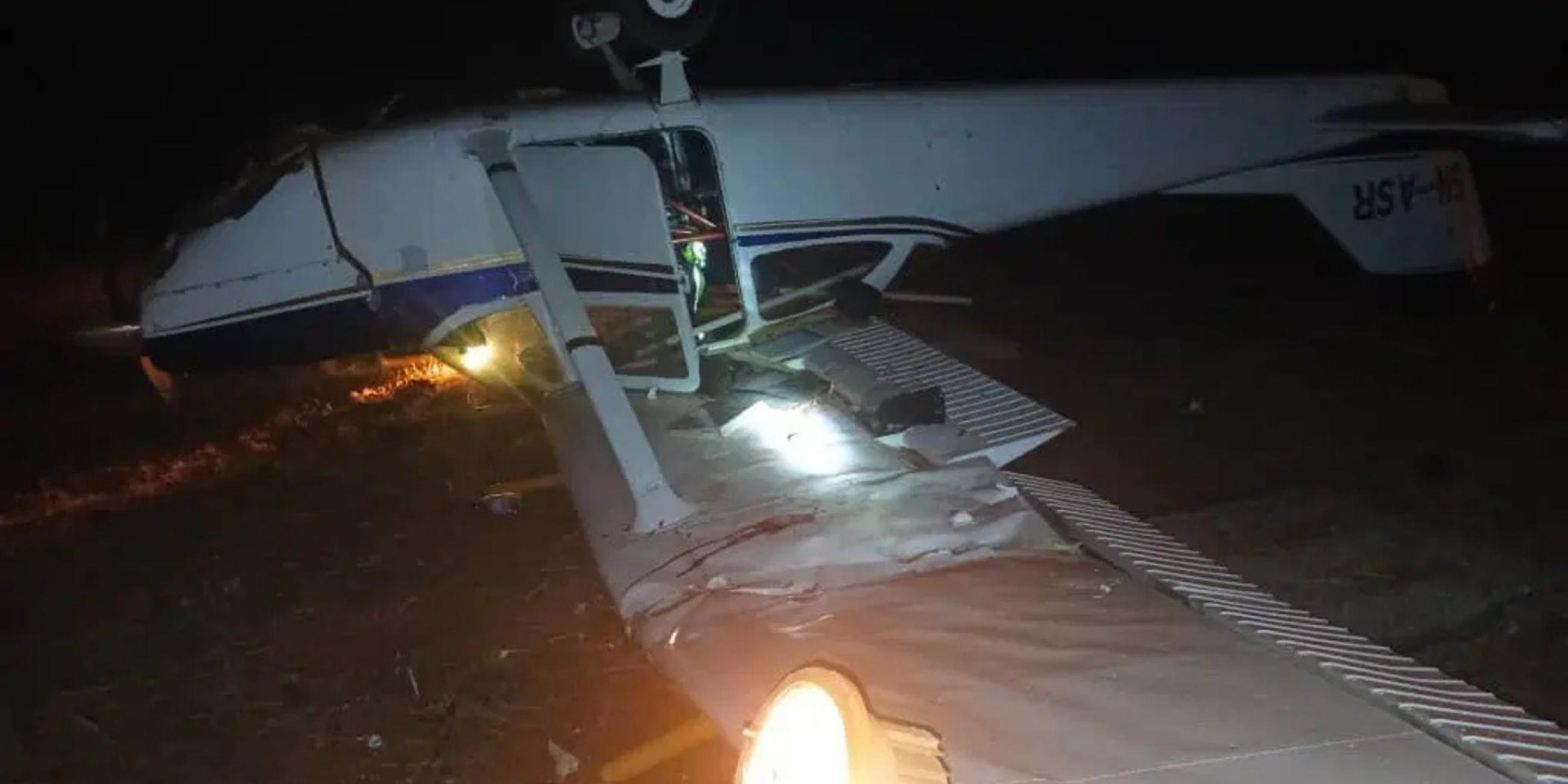
    A light aircraft operated by Skypower Express crashed near Runway 17 of Sam Mbakwe International Cargo Airport in Owerri, Imo State, after declaring a mid-air emergency on Tuesday evening. The Cessna 172, which was en route from Kaduna to Port Harcourt before diverting to Owerri, went down around 8pm, prompting an immediate response from airport emergency services. Authorities confirmed that all four occupants on board survived without serious injuries and that no post-crash fire occurred. The Nigerian Safety Investigation Bureau (NSIB) has commenced a full investigation and is coordinating efforts to recover the aircraft for detailed examination while airport operations continue uninterrupted.
    Aircraft Crashes Near Owerri Airport After Mid-Air Emergency as NSIB Launches Investigation, No Casualties Reported A light aircraft operated by Skypower Express crashed near Runway 17 of Sam Mbakwe International Cargo Airport in Owerri, Imo State, after declaring a mid-air emergency on Tuesday evening. The Cessna 172, which was en route from Kaduna to Port Harcourt before diverting to Owerri, went down around 8pm, prompting an immediate response from airport emergency services. Authorities confirmed that all four occupants on board survived without serious injuries and that no post-crash fire occurred. The Nigerian Safety Investigation Bureau (NSIB) has commenced a full investigation and is coordinating efforts to recover the aircraft for detailed examination while airport operations continue uninterrupted.
    0 Comments ·0 Shares ·386 Views
  • Igbos are no longer marginalized," Minister of Works Umahi declares, adding that there is no need for Biafra anymore

    Minister of Works and former Ebonyi State governor, David Umahi, has dismissed calls for a separate Biafran State, saying the demand is no longer necessary due to the unprecedented integration of the Igbo into Nigeria's national development agenda under President Bola Ahmed Tinubu.

    Speaking while inspecting federal projects in the Southeast, Umahi said sentiments of marginalisation that once fuelled separatist movements have eased significantly due to massive investments in roads and other critical infrastructure. "In the past administration, our people felt very much marginalised, and that was the reason some people were agitating for Biafra. But today, we are well integrated into the mainstream of the nation, Nigeria," he stated.

    He listed ongoing and completed projects in the region, highlighting efforts to ensure durable infrastructure. Notable projects include the Enugu-Port Harcourt Expressway, Owerri-Onitsha
    Expressway, Section 2B of the Second Niger Bridge, and a 123-kilometre road from Ndibe Beach in Ebonyi State to the Benue border, with total investments running into hundreds of billions of naira.

    Umahi also praised President Tinubu for prioritising the Southeast, describing the region as "comfortable" and "very happy" under his
    administration. He emphasised that political relevance for the Southeast should be pursued strategically rather than through rhetoric or sentiment.

    Concluding, Umahi framed the moment as a turning point for the region, saying, "Even those that don't want us to take our rightful position as South-East people, God has opened the time. This is our time, and this is the time that God has sent President Bola Ahmed Tinubu to reintegrate our people."
    Igbos are no longer marginalized," Minister of Works Umahi declares, adding that there is no need for Biafra anymore Minister of Works and former Ebonyi State governor, David Umahi, has dismissed calls for a separate Biafran State, saying the demand is no longer necessary due to the unprecedented integration of the Igbo into Nigeria's national development agenda under President Bola Ahmed Tinubu. Speaking while inspecting federal projects in the Southeast, Umahi said sentiments of marginalisation that once fuelled separatist movements have eased significantly due to massive investments in roads and other critical infrastructure. "In the past administration, our people felt very much marginalised, and that was the reason some people were agitating for Biafra. But today, we are well integrated into the mainstream of the nation, Nigeria," he stated. He listed ongoing and completed projects in the region, highlighting efforts to ensure durable infrastructure. Notable projects include the Enugu-Port Harcourt Expressway, Owerri-Onitsha Expressway, Section 2B of the Second Niger Bridge, and a 123-kilometre road from Ndibe Beach in Ebonyi State to the Benue border, with total investments running into hundreds of billions of naira. Umahi also praised President Tinubu for prioritising the Southeast, describing the region as "comfortable" and "very happy" under his administration. He emphasised that political relevance for the Southeast should be pursued strategically rather than through rhetoric or sentiment. Concluding, Umahi framed the moment as a turning point for the region, saying, "Even those that don't want us to take our rightful position as South-East people, God has opened the time. This is our time, and this is the time that God has sent President Bola Ahmed Tinubu to reintegrate our people."
    haha
    1
    · 0 Comments ·0 Shares ·685 Views
  • Works Minister Umahi Says Biafra Agitation No Longer Necessary Amid Southeast Integration Under Tinubu

    Nigeria’s Minister of Works, Senator David Umahi, has declared that renewed calls for a separate Biafran state are no longer justified, citing what he described as unprecedented integration of the South-East into national development under President Bola Ahmed Tinubu’s administration. Speaking during an inspection of ongoing federal projects across the region, Umahi said long-standing feelings of marginalisation that once fuelled separatist agitation have eased due to massive investments in infrastructure, particularly roads and bridges.

    Umahi listed several ongoing and completed projects, including sections of the Enugu–Port Harcourt Expressway, Owerri–Onitsha Expressway, the Second Niger Bridge, and major flyovers and highways in Enugu and Ebonyi states, running into hundreds of billions of naira. He praised the Tinubu government for prioritising durable concrete roads designed to last decades, arguing that such projects demonstrate genuine inclusion of the South-East in Nigeria’s development agenda.

    The former Ebonyi State governor said political relevance for the region should now be pursued through strategic engagement rather than “sentiment and venomous statements,” describing his support for President Tinubu and recent political realignments in the region as deliberate and pragmatic. Umahi concluded that the current moment represents a turning point for the South-East, insisting that sustained federal presence and infrastructure development have removed the basis for renewed Biafra agitation.
    Works Minister Umahi Says Biafra Agitation No Longer Necessary Amid Southeast Integration Under Tinubu Nigeria’s Minister of Works, Senator David Umahi, has declared that renewed calls for a separate Biafran state are no longer justified, citing what he described as unprecedented integration of the South-East into national development under President Bola Ahmed Tinubu’s administration. Speaking during an inspection of ongoing federal projects across the region, Umahi said long-standing feelings of marginalisation that once fuelled separatist agitation have eased due to massive investments in infrastructure, particularly roads and bridges. Umahi listed several ongoing and completed projects, including sections of the Enugu–Port Harcourt Expressway, Owerri–Onitsha Expressway, the Second Niger Bridge, and major flyovers and highways in Enugu and Ebonyi states, running into hundreds of billions of naira. He praised the Tinubu government for prioritising durable concrete roads designed to last decades, arguing that such projects demonstrate genuine inclusion of the South-East in Nigeria’s development agenda. The former Ebonyi State governor said political relevance for the region should now be pursued through strategic engagement rather than “sentiment and venomous statements,” describing his support for President Tinubu and recent political realignments in the region as deliberate and pragmatic. Umahi concluded that the current moment represents a turning point for the South-East, insisting that sustained federal presence and infrastructure development have removed the basis for renewed Biafra agitation.
    0 Comments ·0 Shares ·637 Views
  • Rivers Governor Fubara Defends Defection to APC as ‘Spiritual Assignment’ Ahead of 2027 Elections

    Rivers State Governor Siminalayi Fubara has defended his defection from the Peoples Democratic Party (PDP) to the All Progressives Congress (APC), describing it as a “spiritual assignment” aimed at aligning the state with President Bola Tinubu’s political agenda. Receiving his APC membership card at a Government House ceremony in Port Harcourt, Fubara emphasized that the move ensures stability, deepens cooperation with the federal government, and positions Rivers State for development ahead of the 2027 elections. He also pledged to strengthen APC structures in the state.
    Rivers Governor Fubara Defends Defection to APC as ‘Spiritual Assignment’ Ahead of 2027 Elections Rivers State Governor Siminalayi Fubara has defended his defection from the Peoples Democratic Party (PDP) to the All Progressives Congress (APC), describing it as a “spiritual assignment” aimed at aligning the state with President Bola Tinubu’s political agenda. Receiving his APC membership card at a Government House ceremony in Port Harcourt, Fubara emphasized that the move ensures stability, deepens cooperation with the federal government, and positions Rivers State for development ahead of the 2027 elections. He also pledged to strengthen APC structures in the state.
    0 Comments ·0 Shares ·359 Views
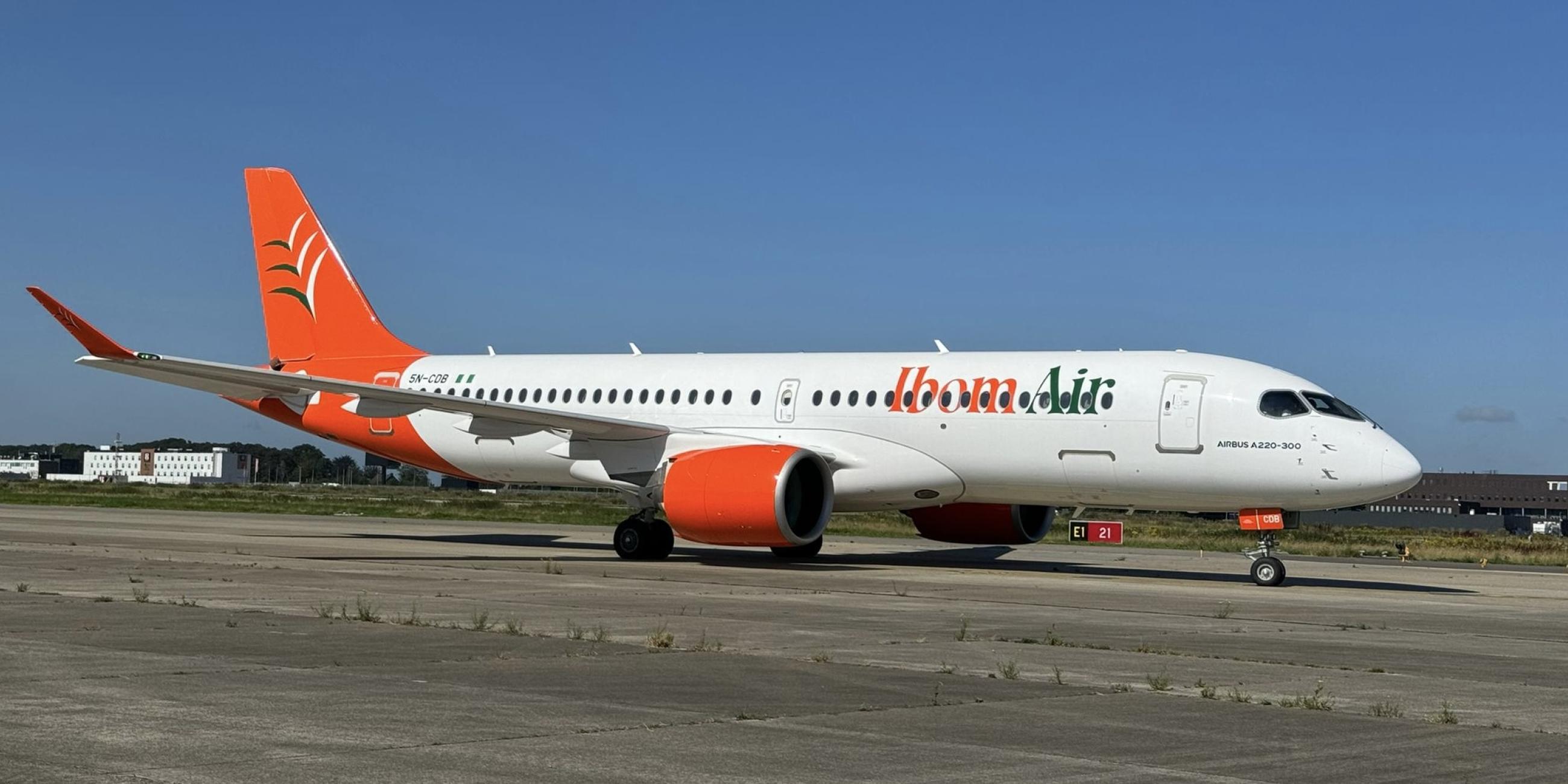
  • Ibom Air Flight Aborts Lagos Landing, Returns to Abuja Due to Bad Weather

    An Ibom Air flight travelling from Abuja to Lagos on Thursday was forced to return to the capital after severe weather conditions made landing impossible. Human rights lawyer Inibehe Effiong, who was on board, said the aircraft hovered over Lagos for about 30 minutes before the captain diverted back to Abuja. Passengers spent roughly two hours in the air before landing safely.
    The airline has not issued an official statement yet, though weather-related disruptions have recently affected multiple Nigerian airlines, including Air Peace, which previously announced delays due to heavy rainfall in Lagos and Port Harcourt. Airlines continue to emphasise safety as their top priority amid recurring adverse weather patterns nationwide.
    Ibom Air Flight Aborts Lagos Landing, Returns to Abuja Due to Bad Weather An Ibom Air flight travelling from Abuja to Lagos on Thursday was forced to return to the capital after severe weather conditions made landing impossible. Human rights lawyer Inibehe Effiong, who was on board, said the aircraft hovered over Lagos for about 30 minutes before the captain diverted back to Abuja. Passengers spent roughly two hours in the air before landing safely. The airline has not issued an official statement yet, though weather-related disruptions have recently affected multiple Nigerian airlines, including Air Peace, which previously announced delays due to heavy rainfall in Lagos and Port Harcourt. Airlines continue to emphasise safety as their top priority amid recurring adverse weather patterns nationwide.
    0 Comments ·0 Shares ·347 Views
More Results
Fintter https://fintter.com