Why Were At Least 17 Dubai–Iran Flights Suddenly Cancelled? Are Tehran Protests and a Nationwide Internet Blackout Disrupting Regional Travel?
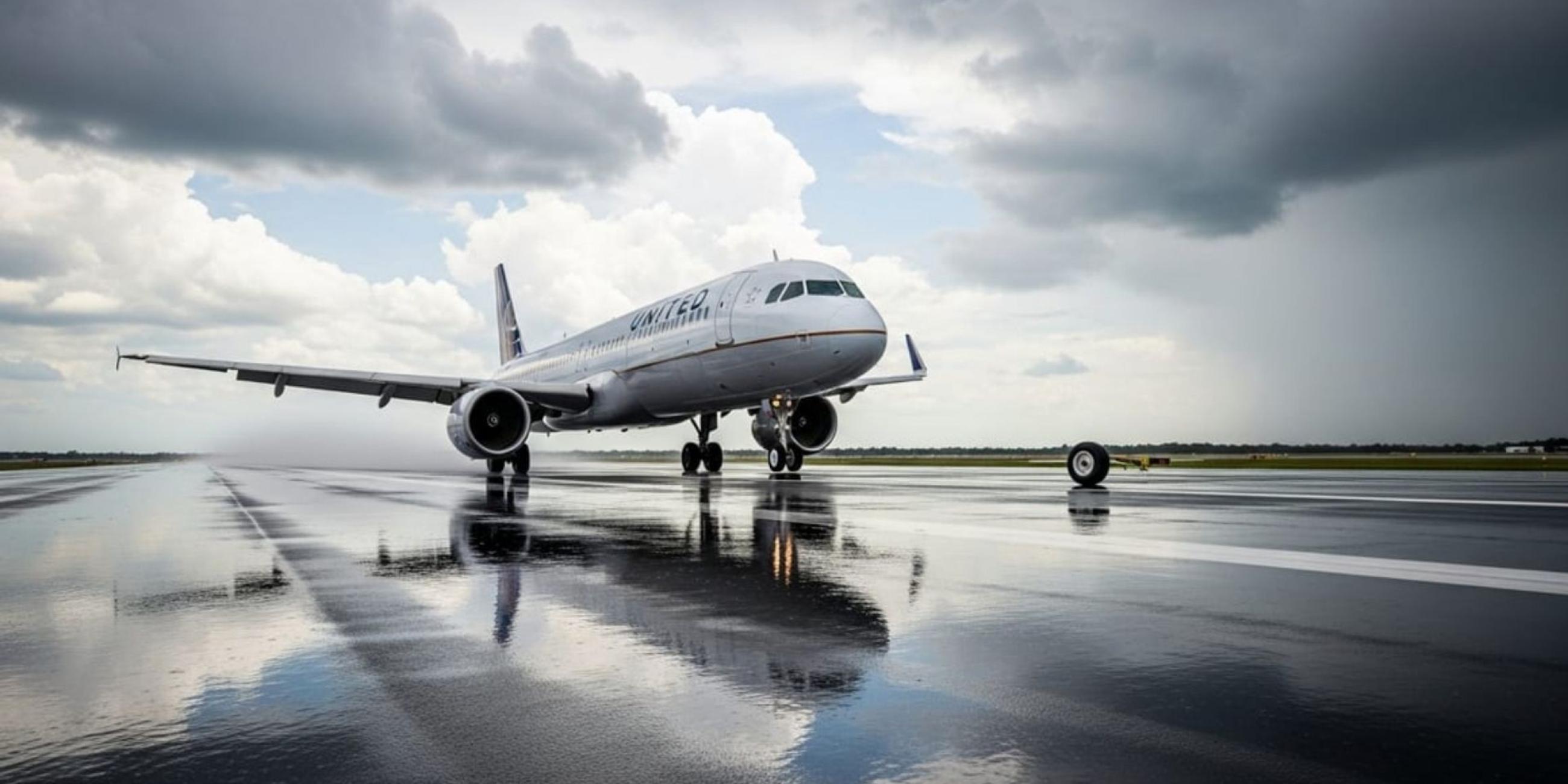
Why are flights between Dubai and Iran being abruptly cancelled—and what does it reveal about the growing unrest inside the Islamic Republic? At least 17 Flydubai flights scheduled for Friday between Dubai and major Iranian cities, including Tehran, Shiraz, and Mashhad, were called off without prior notice, raising alarm among passengers and underscoring the widening impact of Iran’s escalating political crisis.
Data published on the Dubai Airports website confirmed the cancellations, showing multiple outbound and inbound routes affected. The disruption comes as Iran faces intensifying nationwide protests and a near-total internet blackout, reportedly imposed by authorities in an effort to restrict communication and contain the spread of demonstrations.
Iran has been gripped by widespread unrest since late December, driven by worsening economic conditions, soaring inflation, and deepening hardship for ordinary citizens. What began as localized protests has rapidly expanded across several cities, prompting a heavy security response from the government. Observers say the communication shutdown reflects growing concern within the Iranian authorities over the speed at which information—and dissent—is spreading.
A Flydubai spokesperson confirmed that all scheduled flights to Iran on Friday were cancelled, stating that the airline would “continue to monitor the situation” and adjust operations as needed. However, no specific reasons were publicly provided, leaving travelers uncertain about safety conditions, regulatory restrictions, and how long the disruption might last.
The cancellations were not limited to Flydubai. Turkish media reported that Turkish Airlines cancelled at least 17 flights to Iranian destinations, while Ajet reportedly suspended six flights. Pegasus Airlines was also said to have cancelled several routes. In the Gulf region, at least two flights between Doha and Tehran were reportedly cancelled, according to updates from Hamad International Airport.
The wave of suspensions points to a broader regional response to instability inside Iran. Airlines are increasingly forced to weigh passenger safety, operational risks, and regulatory uncertainty as protests grow and communication channels remain restricted.
The key question remains: Are these flight cancellations a temporary precaution—or an early sign of deeper regional disruption tied to Iran’s internal crisis? For travelers, airlines, and neighboring countries, the unfolding situation highlights how domestic unrest in one nation can quickly ripple across international transport, commerce, and security.
As protests persist and the blackout continues, aviation disruptions may expand further, signaling that Iran’s political turmoil is no longer confined within its borders but is now reshaping regional connectivity in real time.
Why Were At Least 17 Dubai–Iran Flights Suddenly Cancelled? Are Tehran Protests and a Nationwide Internet Blackout Disrupting Regional Travel?
Why are flights between Dubai and Iran being abruptly cancelled—and what does it reveal about the growing unrest inside the Islamic Republic? At least 17 Flydubai flights scheduled for Friday between Dubai and major Iranian cities, including Tehran, Shiraz, and Mashhad, were called off without prior notice, raising alarm among passengers and underscoring the widening impact of Iran’s escalating political crisis.
Data published on the Dubai Airports website confirmed the cancellations, showing multiple outbound and inbound routes affected. The disruption comes as Iran faces intensifying nationwide protests and a near-total internet blackout, reportedly imposed by authorities in an effort to restrict communication and contain the spread of demonstrations.
Iran has been gripped by widespread unrest since late December, driven by worsening economic conditions, soaring inflation, and deepening hardship for ordinary citizens. What began as localized protests has rapidly expanded across several cities, prompting a heavy security response from the government. Observers say the communication shutdown reflects growing concern within the Iranian authorities over the speed at which information—and dissent—is spreading.
A Flydubai spokesperson confirmed that all scheduled flights to Iran on Friday were cancelled, stating that the airline would “continue to monitor the situation” and adjust operations as needed. However, no specific reasons were publicly provided, leaving travelers uncertain about safety conditions, regulatory restrictions, and how long the disruption might last.
The cancellations were not limited to Flydubai. Turkish media reported that Turkish Airlines cancelled at least 17 flights to Iranian destinations, while Ajet reportedly suspended six flights. Pegasus Airlines was also said to have cancelled several routes. In the Gulf region, at least two flights between Doha and Tehran were reportedly cancelled, according to updates from Hamad International Airport.
The wave of suspensions points to a broader regional response to instability inside Iran. Airlines are increasingly forced to weigh passenger safety, operational risks, and regulatory uncertainty as protests grow and communication channels remain restricted.
The key question remains: Are these flight cancellations a temporary precaution—or an early sign of deeper regional disruption tied to Iran’s internal crisis? For travelers, airlines, and neighboring countries, the unfolding situation highlights how domestic unrest in one nation can quickly ripple across international transport, commerce, and security.
As protests persist and the blackout continues, aviation disruptions may expand further, signaling that Iran’s political turmoil is no longer confined within its borders but is now reshaping regional connectivity in real time.


 About
About