• Intelligence Report Uncovers Hundreds of Kidnapping and Bandit Syndicate Members Across Northern Nigeria

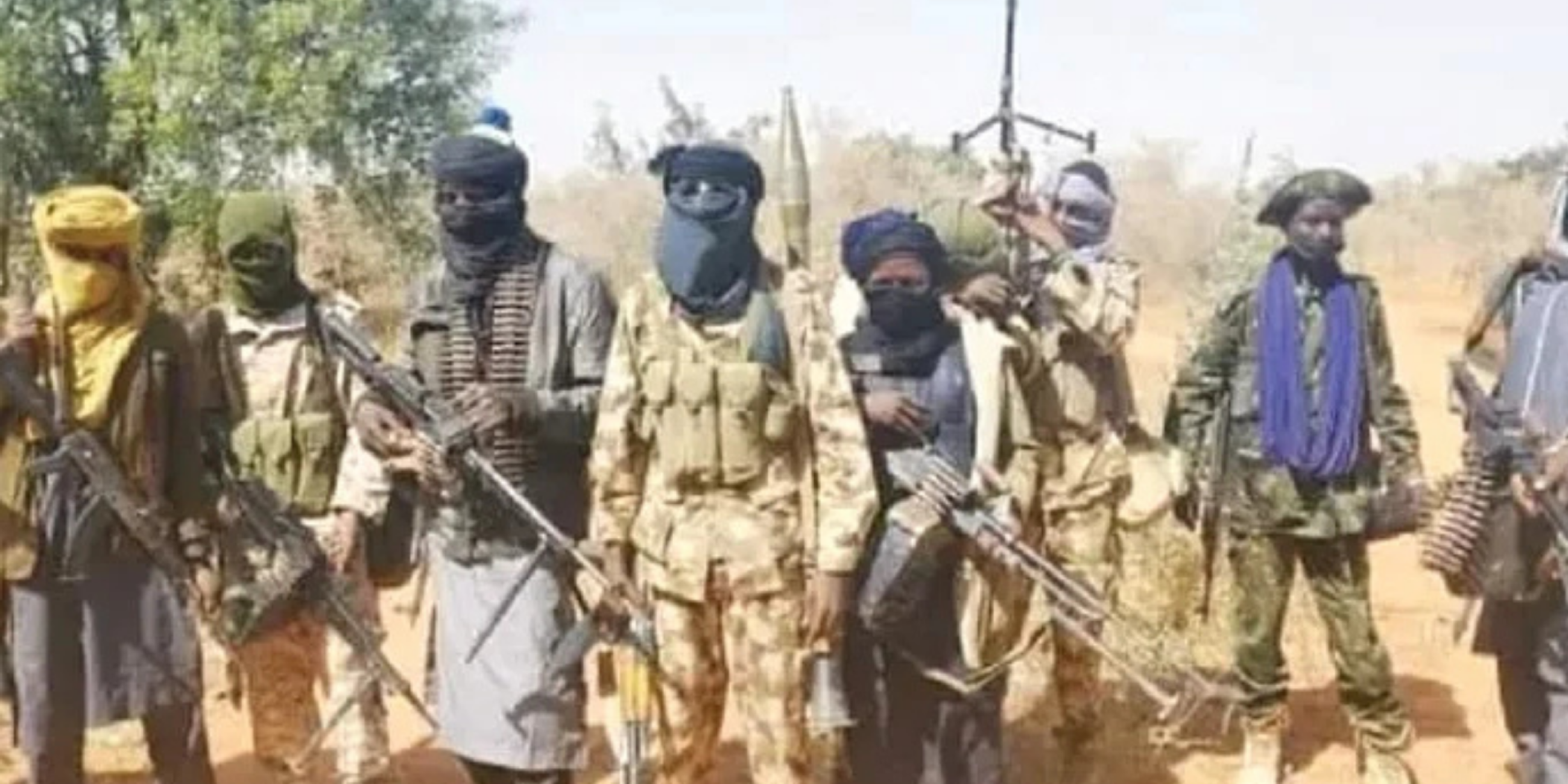
    A classified Nigerian Financial Intelligence Unit (NFIU) report has exposed a vast network of kidnapping and bandit syndicates operating across the North-West and North-East. The investigation reveals detailed profiles of key kingpins, informants, logistics operators, and possible links to politically exposed persons.
    Hotspot states like Katsina, Zamfara, and Kaduna dominate the findings, with suspects tied to ransom collection, weapons sourcing, international communication, and alleged collaboration with security and political figures. The report highlights how coordinated criminal networks sustain abductions, banditry, and cross-regional movement of armed groups.


    Intelligence Report Uncovers Hundreds of Kidnapping and Bandit Syndicate Members Across Northern Nigeria A classified Nigerian Financial Intelligence Unit (NFIU) report has exposed a vast network of kidnapping and bandit syndicates operating across the North-West and North-East. The investigation reveals detailed profiles of key kingpins, informants, logistics operators, and possible links to politically exposed persons. Hotspot states like Katsina, Zamfara, and Kaduna dominate the findings, with suspects tied to ransom collection, weapons sourcing, international communication, and alleged collaboration with security and political figures. The report highlights how coordinated criminal networks sustain abductions, banditry, and cross-regional movement of armed groups.
    0 Comments ·0 Shares ·213 Views
  • Marginalisation of Herdsmen Fueling Insecurity — Gov. Yahaya

    The Chairman of the Northern Governors’ Forum and Governor of Gombe State, Muhammad Inuwa Yahaya, says insecurity across northern Nigeria has worsened largely because the country failed to understand and address the grievances that pushed many armed bandits to take up weapons.

    In an interview with the BBC Hausa Service monitored by our correspondent in Kaduna, Yahaya disclosed that the 19 northern governors have agreed to form a joint regional security coordination agency. Under the new arrangement, each state will contribute ₦1 billion monthly to boost collective efforts against k+dnapping, b@nditry, and the rising wave of school closures.

    The decision was reached during the Northern Governors’ meeting earlier in the week, following renewed att+cks that have resulted in mass abd¥ctions and the shutdown of schools in several states. Yahaya noted that part of the region’s escalating security challenges stems from the historical marginalisation and unjust treatment of pastoralist communities, which he said created anger and frustration later exploited by criminal groups.

    He stressed that resolving insecurity would require confronting these root causes, including issues of exclusion, lack of justice, and deepening economic hardship. The governor added that the new regional security framework will enhance intelligence-sharing, joint operations, and preventive strategies across all affected states, marking a major shift in how the region coordinates its response to v#olence and instability.
    Marginalisation of Herdsmen Fueling Insecurity — Gov. Yahaya The Chairman of the Northern Governors’ Forum and Governor of Gombe State, Muhammad Inuwa Yahaya, says insecurity across northern Nigeria has worsened largely because the country failed to understand and address the grievances that pushed many armed bandits to take up weapons. In an interview with the BBC Hausa Service monitored by our correspondent in Kaduna, Yahaya disclosed that the 19 northern governors have agreed to form a joint regional security coordination agency. Under the new arrangement, each state will contribute ₦1 billion monthly to boost collective efforts against k+dnapping, b@nditry, and the rising wave of school closures. The decision was reached during the Northern Governors’ meeting earlier in the week, following renewed att+cks that have resulted in mass abd¥ctions and the shutdown of schools in several states. Yahaya noted that part of the region’s escalating security challenges stems from the historical marginalisation and unjust treatment of pastoralist communities, which he said created anger and frustration later exploited by criminal groups. He stressed that resolving insecurity would require confronting these root causes, including issues of exclusion, lack of justice, and deepening economic hardship. The governor added that the new regional security framework will enhance intelligence-sharing, joint operations, and preventive strategies across all affected states, marking a major shift in how the region coordinates its response to v#olence and instability.
    0 Comments ·0 Shares ·112 Views
  • The Chairman of the Northern Governors’ Forum and Governor of Gombe State, Muhammad Inuwa Yahaya, says the failure to understand the grievances that pushed armed bandits to take up w€apons is one of the major factors worsening insecurity across northern Nigeria.
    The Chairman of the Northern Governors’ Forum and Governor of Gombe State, Muhammad Inuwa Yahaya, says the failure to understand the grievances that pushed armed bandits to take up w€apons is one of the major factors worsening insecurity across northern Nigeria.
    0 Comments ·0 Shares ·102 Views
  • PRESIDENT TINUBU'S TRIBUTE TO CENTENARIAN ALHAJI TANKO YAKASAI

    Of the noble men and women who stood firm for our liberty and freedom from repressive colonial subjugation, Alhaji Tanko Yakasai is the last man standing. Born a hundred years ago in Kano City, Alhaji Yakasai exemplifies a purposeful life, carving out a meaningful legacy despite humble beginnings.

    Disturbed by the injustice and maltreatment he witnessed under colonial rule, he chose to join the fight for Nigeria’s liberation. As a young man, Baba Yakasai channelled his energy into the struggle for the emancipation of his people and the rest of the country as a freedom fighter, journalist, and frontline political activist.

    His activism led him to join hands with comrades in the Northern Elements Progressive Union (NEPU), led by the visionary radical Mallam Aminu Kano. Through NEPU, Yakasai and his co-travellers launched a massive awakening campaign in Northern Nigeria, igniting the fire for the Independence struggle.

    In the aftermath of Nigeria's Independence in 1960, Yakasai maintained an abiding faith in the country and its development. He played several significant roles, including serving as State Commissioner in Kano under Military Governor Audu Bako and as Special Assistant on National Assembly Liaison to President Shehu Shagari during the Second Republic.

    In both youth and old age, Yakasai remains a shining example of commitment to Nigeria. He is a consensus builder who consistently weighs in on the side of national cohesion, peaceful coexistence, and democratic consolidation.

    In celebrating Baba Yakasai today, I am not only celebrating the man and his personal achievements, but also a century of dedicated service to freedom and democracy and many years of supporting me and the progressive cause.

    I am pleased to join family, friends and associates to celebrate the life and commitment of Alhaji Tanko Yakasai as he turns 100 on December 5.


    President Bola Ahmed Tinubu, GCFR
    President and Commander-in-Chief
    Federal Republic of Nigeria
    December 4, 2025
    PRESIDENT TINUBU'S TRIBUTE TO CENTENARIAN ALHAJI TANKO YAKASAI Of the noble men and women who stood firm for our liberty and freedom from repressive colonial subjugation, Alhaji Tanko Yakasai is the last man standing. Born a hundred years ago in Kano City, Alhaji Yakasai exemplifies a purposeful life, carving out a meaningful legacy despite humble beginnings. Disturbed by the injustice and maltreatment he witnessed under colonial rule, he chose to join the fight for Nigeria’s liberation. As a young man, Baba Yakasai channelled his energy into the struggle for the emancipation of his people and the rest of the country as a freedom fighter, journalist, and frontline political activist. His activism led him to join hands with comrades in the Northern Elements Progressive Union (NEPU), led by the visionary radical Mallam Aminu Kano. Through NEPU, Yakasai and his co-travellers launched a massive awakening campaign in Northern Nigeria, igniting the fire for the Independence struggle. In the aftermath of Nigeria's Independence in 1960, Yakasai maintained an abiding faith in the country and its development. He played several significant roles, including serving as State Commissioner in Kano under Military Governor Audu Bako and as Special Assistant on National Assembly Liaison to President Shehu Shagari during the Second Republic. In both youth and old age, Yakasai remains a shining example of commitment to Nigeria. He is a consensus builder who consistently weighs in on the side of national cohesion, peaceful coexistence, and democratic consolidation. In celebrating Baba Yakasai today, I am not only celebrating the man and his personal achievements, but also a century of dedicated service to freedom and democracy and many years of supporting me and the progressive cause. I am pleased to join family, friends and associates to celebrate the life and commitment of Alhaji Tanko Yakasai as he turns 100 on December 5. President Bola Ahmed Tinubu, GCFR President and Commander-in-Chief Federal Republic of Nigeria December 4, 2025
    0 Comments ·0 Shares ·241 Views
  • Retired Assistant Commissioner of Police Sheriff Abubakar Rabiu Drops Expl0sive Open Letter, Accuses Northern Clerics of Fueling Extrem!sm

    A retired Assistant Commissioner of Police, Sheriff Abubakar Rabiu, has dropped one of the boldest, loudest, and most uncomfortable truths Northern Nigeria has heard in years — and his message is now spreading through mosques like wildfire.

    In his fiery open letter, the respected ex-cop accused a section of Northern Islamic cler!cs of:

    “Po!soning the minds of our youth with vituperat!ve, inciting and danger0usly divisive sermons.”

    He warned that some preachers have turned the pulpit into a battleground, labeling Christians as “arne,” “kafurai,” and “infidels destined for h3ll.”
    And he didn’t mince words:

    “This is not Islam. This is m@dness. And this m@dness gave birth to Boko Haram.”

    Rabiu argued that h@teful preaching, combined with the Almajiri system, has created a breeding ground for extrem!sm:

    “An idle mind is the dev!l’s workshop. Those street children begging today will become tomorrow's recruits and fo0t soldiers for terr0r groups.”

    He also questioned why Nigeria gets flagged internationally:

    “Instead of shouting that Trump is Islamophob!c, ask why America put us on that list.
    Try this kind of preaching in Saudi Arabia, Qatar, UAE—even Cameroon—and you’ll be arrested the same day.”

    Rabiu called on the President, the National Assembly, Northern governors, and all LG chairmen to urgently enact laws that:

    Crim!nalize calling any Nigerian “arne” or “kafir” from the pulpit
    ✔ Ban street begging by children (Almajiri)
    ✔ End h@te speech disguised as relig!ous preaching

    He warned that failure to act may attract the same global digital w@r that turned Afghanistan and Iraq into ruins.

    But he ended with hope:

    “If we implement these measures sincerely, Nigeria will return to the peace we enjoyed in the 70s–90s when Muslims and Christians shared meals, drank from the same cup, and buried each other’s de@d.”

    This message is loud, raw, and shaking the entire region — and the conversation has only just begun.
    Retired Assistant Commissioner of Police Sheriff Abubakar Rabiu Drops Expl0sive Open Letter, Accuses Northern Clerics of Fueling Extrem!sm A retired Assistant Commissioner of Police, Sheriff Abubakar Rabiu, has dropped one of the boldest, loudest, and most uncomfortable truths Northern Nigeria has heard in years — and his message is now spreading through mosques like wildfire. In his fiery open letter, the respected ex-cop accused a section of Northern Islamic cler!cs of: “Po!soning the minds of our youth with vituperat!ve, inciting and danger0usly divisive sermons.” He warned that some preachers have turned the pulpit into a battleground, labeling Christians as “arne,” “kafurai,” and “infidels destined for h3ll.” And he didn’t mince words: “This is not Islam. This is m@dness. And this m@dness gave birth to Boko Haram.” Rabiu argued that h@teful preaching, combined with the Almajiri system, has created a breeding ground for extrem!sm: “An idle mind is the dev!l’s workshop. Those street children begging today will become tomorrow's recruits and fo0t soldiers for terr0r groups.” He also questioned why Nigeria gets flagged internationally: “Instead of shouting that Trump is Islamophob!c, ask why America put us on that list. Try this kind of preaching in Saudi Arabia, Qatar, UAE—even Cameroon—and you’ll be arrested the same day.” Rabiu called on the President, the National Assembly, Northern governors, and all LG chairmen to urgently enact laws that: Crim!nalize calling any Nigerian “arne” or “kafir” from the pulpit ✔ Ban street begging by children (Almajiri) ✔ End h@te speech disguised as relig!ous preaching He warned that failure to act may attract the same global digital w@r that turned Afghanistan and Iraq into ruins. But he ended with hope: “If we implement these measures sincerely, Nigeria will return to the peace we enjoyed in the 70s–90s when Muslims and Christians shared meals, drank from the same cup, and buried each other’s de@d.” This message is loud, raw, and shaking the entire region — and the conversation has only just begun.
    0 Comments ·0 Shares ·188 Views
  • Governors admit to deepening insecurity in Northern Nigeria
    Governors admit to deepening insecurity in Northern Nigeria
    0 Comments ·0 Shares ·102 Views
  • The t€rrørists k!ll!ng people in northern Nigeria are Northerners & Muslims. The båndits att@cking people in the regions are Fulanis from the North.
    The t€rrørists k!ll!ng people in northern Nigeria are Northerners & Muslims. The båndits att@cking people in the regions are Fulanis from the North.
    0 Comments ·0 Shares ·136 Views
  • Zulum Declares Statewide Fasting and Prayer as Attacks Rise Across Northern Nigeria

    Borno State Governor, Babagana Zulum, has declared Monday, November 24, 2025, as a statewide day of fasting and prayer for peace and prosperity in Borno and across Nigeria. He made the announcement in a televised address on Saturday.

    The governor’s declaration comes amid a surge in violent attacks targeting schools and religious centres in northern Nigeria. In Kwara State, schools in four local government areas were shut after a church attack left at least two worshippers dead and others abducted. In Kebbi, 25 schoolgirls were kidnapped from a boarding school in Maga, while a vice-principal was killed. In Niger State, gunmen abducted 303 children and 12 teachers from St. Mary’s Catholic School in Papiri.

    Zulum said the past 15 years of Boko Haram insurgency had deeply affected Borno, displacing millions and disrupting livelihoods. He noted that the relative peace recently achieved has boosted farming activities and that the state government remains committed to supporting agriculture for food security.

    He called on all residents—regardless of religion—to join in the statewide fast and prayers, stressing that spiritual intervention is needed alongside security measures. Zulum urged citizens to seek God’s mercy and pray for lasting peace in Borno and the nation.
    Zulum Declares Statewide Fasting and Prayer as Attacks Rise Across Northern Nigeria Borno State Governor, Babagana Zulum, has declared Monday, November 24, 2025, as a statewide day of fasting and prayer for peace and prosperity in Borno and across Nigeria. He made the announcement in a televised address on Saturday. The governor’s declaration comes amid a surge in violent attacks targeting schools and religious centres in northern Nigeria. In Kwara State, schools in four local government areas were shut after a church attack left at least two worshippers dead and others abducted. In Kebbi, 25 schoolgirls were kidnapped from a boarding school in Maga, while a vice-principal was killed. In Niger State, gunmen abducted 303 children and 12 teachers from St. Mary’s Catholic School in Papiri. Zulum said the past 15 years of Boko Haram insurgency had deeply affected Borno, displacing millions and disrupting livelihoods. He noted that the relative peace recently achieved has boosted farming activities and that the state government remains committed to supporting agriculture for food security. He called on all residents—regardless of religion—to join in the statewide fast and prayers, stressing that spiritual intervention is needed alongside security measures. Zulum urged citizens to seek God’s mercy and pray for lasting peace in Borno and the nation.
    0 Comments ·0 Shares ·374 Views
  • Gunmen attacked St. Mary’s Primary and Secondary School in Papiri, Agwara LGA of Niger State in the early hours of Friday, abducting an unconfirmed number of students and some teachers. The attackers, who arrived on over 60 motorcycles and a van, shot the school’s gatekeeper and forcefully took victims away. Community sources fear the number of abductees may exceed 100.

    The Niger State Police Command has confirmed the incident and deployed tactical teams, military units, and other security operatives to comb surrounding forests for rescue. Authorities say the school will be investigated for operating despite a state directive to close due to security threats.

    This attack follows a series of recent mass kidnappings in northern Nigeria, including the abduction of 26 schoolgirls in Kebbi State—where a vice principal was killed—and the kidnapping of at least 30 worshippers in Kwara State. President Bola Tinubu has condemned the attacks and expressed condolences to affected families.
    Gunmen attacked St. Mary’s Primary and Secondary School in Papiri, Agwara LGA of Niger State in the early hours of Friday, abducting an unconfirmed number of students and some teachers. The attackers, who arrived on over 60 motorcycles and a van, shot the school’s gatekeeper and forcefully took victims away. Community sources fear the number of abductees may exceed 100. The Niger State Police Command has confirmed the incident and deployed tactical teams, military units, and other security operatives to comb surrounding forests for rescue. Authorities say the school will be investigated for operating despite a state directive to close due to security threats. This attack follows a series of recent mass kidnappings in northern Nigeria, including the abduction of 26 schoolgirls in Kebbi State—where a vice principal was killed—and the kidnapping of at least 30 worshippers in Kwara State. President Bola Tinubu has condemned the attacks and expressed condolences to affected families.
    0 Comments ·0 Shares ·233 Views
  • JUST IN: NAF ELIMINATES many terrorists in precision airstrikes across Northern Nigeria - Official
    JUST IN: NAF ELIMINATES many terrorists in precision airstrikes across Northern Nigeria - Official
    0 Comments ·0 Shares ·399 Views
  • "Bandits Are On a Revenge Mission But They’re Ready for Peace Talks Unlike IPOB That Wants To Leave Nigeria" – Sheikh Gumi.

    Kaduna-based Islamic cleric, Sheikh Ahmad Gumi, has once again stirred controversy by defending armed bandit groups operating across northern Nigeria, insisting that their attacks are driven by “revenge missions” rather than unprovoked violence.

    Speaking in an interview on Trust TV on Friday, monitored by SaharaReporters, Gumi argued that Fulani herdsmen and bandit groups “do not attack people without cause.”

    He referenced a past visit by former Bauchi State Governor Isa Yuguda to meet thousands of bandits in the forest, claiming the armed groups complained of losing family members and suffering various forms of hostility.

    “Yes, I know they have killed, and it’s wrong to kill anybody innocent. This is absolutely an obnoxious thing to do. We don’t support that. But if you know their psychology, they are on a revenge mission,”
    Gumi stated.

    While acknowledging the violence perpetrated by the groups, the cleric insisted they were motivated by grievances rooted in perceived injustices, stressing that Fulani herdsmen had lived peacefully with other communities for centuries.

    He urged the Tinubu administration to prioritize dialogue, rehabilitation, and reintegration, rather than relying heavily on military offensives.

    “What the government needs to do is bring them together in a holistic form so that there is peace. They are ready for that. If you call them for peace, they come,”
    Gumi added.

    The cleric also sparked further debate by contrasting the bandits with members of the Indigenous People of Biafra (IPOB), whom he accused of rejecting dialogue and pursuing secession.

    “It’s unlike IPOB. The government has been trying to dialogue with them; they refuse. They are secessionists. Besides being terrorists, they are secessionists. Well, these people (bandits) are not secessionists. They want peace,”
    he said.

    Gumi has repeatedly advocated for amnesty and negotiation with bandits, a position that has drawn widespread criticism amid escalating insecurity in the North.
    "Bandits Are On a Revenge Mission But They’re Ready for Peace Talks Unlike IPOB That Wants To Leave Nigeria" – Sheikh Gumi. Kaduna-based Islamic cleric, Sheikh Ahmad Gumi, has once again stirred controversy by defending armed bandit groups operating across northern Nigeria, insisting that their attacks are driven by “revenge missions” rather than unprovoked violence. Speaking in an interview on Trust TV on Friday, monitored by SaharaReporters, Gumi argued that Fulani herdsmen and bandit groups “do not attack people without cause.” He referenced a past visit by former Bauchi State Governor Isa Yuguda to meet thousands of bandits in the forest, claiming the armed groups complained of losing family members and suffering various forms of hostility. “Yes, I know they have killed, and it’s wrong to kill anybody innocent. This is absolutely an obnoxious thing to do. We don’t support that. But if you know their psychology, they are on a revenge mission,” Gumi stated. While acknowledging the violence perpetrated by the groups, the cleric insisted they were motivated by grievances rooted in perceived injustices, stressing that Fulani herdsmen had lived peacefully with other communities for centuries. He urged the Tinubu administration to prioritize dialogue, rehabilitation, and reintegration, rather than relying heavily on military offensives. “What the government needs to do is bring them together in a holistic form so that there is peace. They are ready for that. If you call them for peace, they come,” Gumi added. The cleric also sparked further debate by contrasting the bandits with members of the Indigenous People of Biafra (IPOB), whom he accused of rejecting dialogue and pursuing secession. “It’s unlike IPOB. The government has been trying to dialogue with them; they refuse. They are secessionists. Besides being terrorists, they are secessionists. Well, these people (bandits) are not secessionists. They want peace,” he said. Gumi has repeatedly advocated for amnesty and negotiation with bandits, a position that has drawn widespread criticism amid escalating insecurity in the North.
    0 Comments ·0 Shares ·593 Views
  • Concerned Nigerians petition Trump over Zamfara killings.

    A coalition under the banner of Concerned Nigerians for Human Security has petitioned United States President Donald Trump, calling for international attention and decisive action over the worsening security situation in Zamfara State and other parts of northern Nigeria.

    In a petition addressed to the US President, the group described the killings and mass displacement in Zamfara as “a humanitarian tragedy that demands urgent global response”.

    According to the coalition, thousands of Nigerians, including men, women, and children, have been killed, abducted, or forced to flee their homes as a result of ongoing attacks by armed groups.

    “We write not just as citizens mourning the thousands whose lives have been brutally cut short across parts of northern Nigeria, but as people who recognize your important role as a global leader always ready to confront moral wrongs,” the letter read in part.

    The group alleged that while billions of naira are allocated for security across states, the crisis in Zamfara continues to worsen, leading to the deaths of innocent citizens and the destruction of entire communities.

    It claimed that the situation reflects what it called “a total breakdown of leadership and accountability in the management of security resources”.

    The coalition urged President Trump and the US government to impose visa restrictions on certain political figures, including Governor Dauda Lawal of Zamfara State, to “apply international accountability pressure on political actors who trade human lives for political and financial gain”.

    “Leadership is a moral duty, not a personal luxury,” the group said, adding that sanctions would “disrupt the comfort derived from foreign refuge and compel responsibility at home”.
    Concerned Nigerians petition Trump over Zamfara killings. A coalition under the banner of Concerned Nigerians for Human Security has petitioned United States President Donald Trump, calling for international attention and decisive action over the worsening security situation in Zamfara State and other parts of northern Nigeria. In a petition addressed to the US President, the group described the killings and mass displacement in Zamfara as “a humanitarian tragedy that demands urgent global response”. According to the coalition, thousands of Nigerians, including men, women, and children, have been killed, abducted, or forced to flee their homes as a result of ongoing attacks by armed groups. “We write not just as citizens mourning the thousands whose lives have been brutally cut short across parts of northern Nigeria, but as people who recognize your important role as a global leader always ready to confront moral wrongs,” the letter read in part. The group alleged that while billions of naira are allocated for security across states, the crisis in Zamfara continues to worsen, leading to the deaths of innocent citizens and the destruction of entire communities. It claimed that the situation reflects what it called “a total breakdown of leadership and accountability in the management of security resources”. The coalition urged President Trump and the US government to impose visa restrictions on certain political figures, including Governor Dauda Lawal of Zamfara State, to “apply international accountability pressure on political actors who trade human lives for political and financial gain”. “Leadership is a moral duty, not a personal luxury,” the group said, adding that sanctions would “disrupt the comfort derived from foreign refuge and compel responsibility at home”.
    0 Comments ·0 Shares ·581 Views
  • Nigerian Shari’ah Council Asks Tinubu To Immediately Sack INEC Chairman, Prof Amupitan Over 'Legal Brief On Genocide’.

    The Shari'ah Council's call on Saturday followed SaharaReporters’ exclusive report that revealed that Professor Amupitan once authored a legal brief in 2020 containing

    The Supreme Council for Shari’ah in Nigeria (SCSN) has called on President Bola Tinubu to immediately reverse the appointment of the newly inaugurated Independent National Electoral Commission (INEC) Chairman, Prof Joash Ojo Amupitan.

    The Shari'ah Council's call on Saturday followed SaharaReporters’ exclusive report that revealed that Professor Amupitan once authored a legal brief in 2020 containing

    exclusively obtained the report titled "Nigeria's Silent Slaughter" where the Senior Advocate of Nigeria, in his legal brief, called for urgent intervention to stop what he termed “pogrom and attacks against the Christians and minority groups in Nigeria.”

    Amupitan, recently appointed by President Bola Tinubu to head the country's electoral commission, had titled his contribution, “Legal Brief: Genocide in Nigeria – The Implications for the International Community."

    The document published by the International Committee on Nigeria (ICON), a global advocacy network promoting human rights and religious freedom — was officially signed under Amupitan’s law firm, Prof. Joash Ojo Amupitan (SAN) & Co., Legal Practitioners & Corporate Consultants, with offices in Jos and Abuja.

    The Shari'ah council described Amupitan's legal brief as “provocative, distorted and bigoted assertions” against Muslims in Northern Nigeria.

    In a statement issued on Friday, November 7, 2025 (16th Jumada I 1447 AH), the SCSN said it received with “deep disappointment and grave concern” the SaharaReporters investigation alleging that Amupitan’s 2020 legal document characterised Northern violence as “Christian genocide” and linked the insecurity in the North to the 19th-century Jihad of Sheikh Uthman bn Fodio.
    Nigerian Shari’ah Council Asks Tinubu To Immediately Sack INEC Chairman, Prof Amupitan Over 'Legal Brief On Genocide’. The Shari'ah Council's call on Saturday followed SaharaReporters’ exclusive report that revealed that Professor Amupitan once authored a legal brief in 2020 containing The Supreme Council for Shari’ah in Nigeria (SCSN) has called on President Bola Tinubu to immediately reverse the appointment of the newly inaugurated Independent National Electoral Commission (INEC) Chairman, Prof Joash Ojo Amupitan. The Shari'ah Council's call on Saturday followed SaharaReporters’ exclusive report that revealed that Professor Amupitan once authored a legal brief in 2020 containing exclusively obtained the report titled "Nigeria's Silent Slaughter" where the Senior Advocate of Nigeria, in his legal brief, called for urgent intervention to stop what he termed “pogrom and attacks against the Christians and minority groups in Nigeria.” Amupitan, recently appointed by President Bola Tinubu to head the country's electoral commission, had titled his contribution, “Legal Brief: Genocide in Nigeria – The Implications for the International Community." The document published by the International Committee on Nigeria (ICON), a global advocacy network promoting human rights and religious freedom — was officially signed under Amupitan’s law firm, Prof. Joash Ojo Amupitan (SAN) & Co., Legal Practitioners & Corporate Consultants, with offices in Jos and Abuja. The Shari'ah council described Amupitan's legal brief as “provocative, distorted and bigoted assertions” against Muslims in Northern Nigeria. In a statement issued on Friday, November 7, 2025 (16th Jumada I 1447 AH), the SCSN said it received with “deep disappointment and grave concern” the SaharaReporters investigation alleging that Amupitan’s 2020 legal document characterised Northern violence as “Christian genocide” and linked the insecurity in the North to the 19th-century Jihad of Sheikh Uthman bn Fodio.
    0 Comments ·0 Shares ·545 Views
  • US Military Draws Up Plans For Airstrikes In Nigeria Following Trump’s Order On Terrorists.

    According to the report, U.S. Africa Command (AFRICOM) has submitted several options to the Department of War, responding to a request from Secretary Pete Hegseth for operational plans in line with Trump’s directive.

    The United States military has drafted contingency plans for possible military action in Nigeria following an order from President Donald Trump, who directed the Pentagon to “prepare to intervene” to protect Christians from attacks by Islamic militants, The New York Times reports.

    According to the report, U.S. Africa Command (AFRICOM) has submitted several options to the Department of War, responding to a request from Secretary Pete Hegseth for operational plans in line with Trump’s directive.

    Military officials said that the proposals, labelled “heavy,” “medium,” and “light”, outline different levels of potential engagement in Nigeria.

    The “heavy option,” the officials said, would represent the most aggressive U.S. action: deploying an aircraft carrier strike group to the Gulf of Guinea and launching fighter jets or long-range bombers to hit militant targets deep inside northern Nigeria.
    US Military Draws Up Plans For Airstrikes In Nigeria Following Trump’s Order On Terrorists. According to the report, U.S. Africa Command (AFRICOM) has submitted several options to the Department of War, responding to a request from Secretary Pete Hegseth for operational plans in line with Trump’s directive. The United States military has drafted contingency plans for possible military action in Nigeria following an order from President Donald Trump, who directed the Pentagon to “prepare to intervene” to protect Christians from attacks by Islamic militants, The New York Times reports. According to the report, U.S. Africa Command (AFRICOM) has submitted several options to the Department of War, responding to a request from Secretary Pete Hegseth for operational plans in line with Trump’s directive. Military officials said that the proposals, labelled “heavy,” “medium,” and “light”, outline different levels of potential engagement in Nigeria. The “heavy option,” the officials said, would represent the most aggressive U.S. action: deploying an aircraft carrier strike group to the Gulf of Guinea and launching fighter jets or long-range bombers to hit militant targets deep inside northern Nigeria.
    0 Comments ·0 Shares ·520 Views
  • U.S. Drafts Military Options for Possible Action in Northern Nigeria as Trump Issues Intervention statement.

    The United States military has drafted a range of contingency plans for possible action in Nigeria after President Donald Trump ordered the Pentagon to “prepare to intervene” over alleged attacks on Christians claims Nigerian officials insist are false.

    According to The New York Times, U.S. Africa Command (AFRICOM) has submitted three tiers of operational proposals to the Department of War at the request of Secretary Pete Hegseth. The plans are categorized as heavy, medium, and light options.

    Under the heavy option, an aircraft carrier strike group would be deployed to the Gulf of Guinea, with fighter jets or long-range bombers striking targets in northern Nigeria.
    The medium option involves drone strikes using MQ-9 Reaper and MQ-1 Predator aircraft against militant camps, convoys, and vehicles.

    The light option focuses on intelligence sharing, logistics, and joint missions with Nigerian forces against Boko Haram and other Islamist groups.

    Military officials warn that none of the limited options would end Nigeria’s long-running insurgency without a massive, Iraq-style campaign something Washington is not prepared to pursue.

    Trump has maintained his threat, saying the U.S. is “ready, willing, and able” to act if the alleged persecution of Christians continues.

    China has meanwhile declared firm support for Nigeria, warning against countries using religion or human rights as excuses to interfere in other nations’ internal affairs.

    Nigeria has also pushed back strongly. Daniel Bwala, an aide to President Bola Tinubu, said there is no evidence of state-backed religious genocide and urged Washington to respect Nigeria’s sovereignty. He stressed that Nigeria needs equipment and intelligence not foreign troops on its soil.
    U.S. Drafts Military Options for Possible Action in Northern Nigeria as Trump Issues Intervention statement. The United States military has drafted a range of contingency plans for possible action in Nigeria after President Donald Trump ordered the Pentagon to “prepare to intervene” over alleged attacks on Christians claims Nigerian officials insist are false. According to The New York Times, U.S. Africa Command (AFRICOM) has submitted three tiers of operational proposals to the Department of War at the request of Secretary Pete Hegseth. The plans are categorized as heavy, medium, and light options. Under the heavy option, an aircraft carrier strike group would be deployed to the Gulf of Guinea, with fighter jets or long-range bombers striking targets in northern Nigeria. The medium option involves drone strikes using MQ-9 Reaper and MQ-1 Predator aircraft against militant camps, convoys, and vehicles. The light option focuses on intelligence sharing, logistics, and joint missions with Nigerian forces against Boko Haram and other Islamist groups. Military officials warn that none of the limited options would end Nigeria’s long-running insurgency without a massive, Iraq-style campaign something Washington is not prepared to pursue. Trump has maintained his threat, saying the U.S. is “ready, willing, and able” to act if the alleged persecution of Christians continues. China has meanwhile declared firm support for Nigeria, warning against countries using religion or human rights as excuses to interfere in other nations’ internal affairs. Nigeria has also pushed back strongly. Daniel Bwala, an aide to President Bola Tinubu, said there is no evidence of state-backed religious genocide and urged Washington to respect Nigeria’s sovereignty. He stressed that Nigeria needs equipment and intelligence not foreign troops on its soil.
    0 Comments ·0 Shares ·588 Views
  • Trump takes fresh aim at Nigeria as US Africa command proposes options for attack.

    US President Donald Trump took fresh aim at two of Africa’s biggest economies, renewing his threat of an attack on Islamist militants in Nigeria and questioning South Africa’s role in the Group of 20 days before it hosts a global summit.

    Trump in particular berated the Nigerian government for failing to contain the islamic militancy in the north of the country that has killed thousands and said his forces will be made to.do the work but there will be peice like he’ll to be paid.

    In a video posted on his Truth Social platform, Trump reiterated his claim that the Nigerian government is failing to prevent the killing of Christians and said he’s asked the Pentagon to prepare for “possible action” unless the West African nation acts.

    “The Nigerian government better move fast before its too late,” Trump said. “If they don’t there is going be hell to pay.”
    The fresh threat against Nigeria came after a New York Times report that the US Africa command had proposed three options for attacking Nigeria.

    Three defense officials said the plans from the command had three options — light, medium and heavy — and were intended to be escalatory. The light option, the officials said, included what the military called partner-enabled operations. Under that option, the U.S. military and the State Department would support government forces in Nigeria to target Boko Haram and other Islamic insurgents who have attacked, kidnapped and murdered civilians, mostly in northern Nigeria, where sectarian and ethnic violence has raged for almost 20 years.

    Nigerian President Bola Tinubu, a Muslim whose wife is a Christian pastor, said on Sunday he was committed to working with the US and international community to protect all faiths. But “the characterization of Nigeria as religiously intolerant does not reflect our national reality,” he said.

    The nation of 230 million — roughly split between Christians and Muslims — has suffered from years of ethnic violence, with more than 20,000 killed since 2020, according to the Armed Conflict Location & Event Data nonprofit, which tracks such incidents around the world. Of the almost 12,000 attacks in that period, the vast bulk were not religiously motivated.
    While Trump’s initial comments over the weekend led to some selling of Nigerian bonds earlier this week, the country was still able to sell $2.35 billion of new debt to global investors on Wednesday. Demand was big, with orders topping $12 billion.

    The US president also said South Africa — the continent’s biggest economy — shouldn’t form part of the G20. Pretoria is preparing to host a summit of the group’s leaders on Nov. 22-23, though Trump reiterated that he won’t be attending, with Vice President JD Vance travelling to the forum in his stead.

    “South Africa shouldn’t even be in the Gs anymore, because what’s happened there is bad,” he said at an America Business Forum event in Miami.

    Trump has previously made the false claim that there’s a genocide against White Afrikaner farmers in South Africa, which led him to offer them refugee status in the US.
    Trump takes fresh aim at Nigeria as US Africa command proposes options for attack. US President Donald Trump took fresh aim at two of Africa’s biggest economies, renewing his threat of an attack on Islamist militants in Nigeria and questioning South Africa’s role in the Group of 20 days before it hosts a global summit. Trump in particular berated the Nigerian government for failing to contain the islamic militancy in the north of the country that has killed thousands and said his forces will be made to.do the work but there will be peice like he’ll to be paid. In a video posted on his Truth Social platform, Trump reiterated his claim that the Nigerian government is failing to prevent the killing of Christians and said he’s asked the Pentagon to prepare for “possible action” unless the West African nation acts. “The Nigerian government better move fast before its too late,” Trump said. “If they don’t there is going be hell to pay.” The fresh threat against Nigeria came after a New York Times report that the US Africa command had proposed three options for attacking Nigeria. Three defense officials said the plans from the command had three options — light, medium and heavy — and were intended to be escalatory. The light option, the officials said, included what the military called partner-enabled operations. Under that option, the U.S. military and the State Department would support government forces in Nigeria to target Boko Haram and other Islamic insurgents who have attacked, kidnapped and murdered civilians, mostly in northern Nigeria, where sectarian and ethnic violence has raged for almost 20 years. Nigerian President Bola Tinubu, a Muslim whose wife is a Christian pastor, said on Sunday he was committed to working with the US and international community to protect all faiths. But “the characterization of Nigeria as religiously intolerant does not reflect our national reality,” he said. The nation of 230 million — roughly split between Christians and Muslims — has suffered from years of ethnic violence, with more than 20,000 killed since 2020, according to the Armed Conflict Location & Event Data nonprofit, which tracks such incidents around the world. Of the almost 12,000 attacks in that period, the vast bulk were not religiously motivated. While Trump’s initial comments over the weekend led to some selling of Nigerian bonds earlier this week, the country was still able to sell $2.35 billion of new debt to global investors on Wednesday. Demand was big, with orders topping $12 billion. The US president also said South Africa — the continent’s biggest economy — shouldn’t form part of the G20. Pretoria is preparing to host a summit of the group’s leaders on Nov. 22-23, though Trump reiterated that he won’t be attending, with Vice President JD Vance travelling to the forum in his stead. “South Africa shouldn’t even be in the Gs anymore, because what’s happened there is bad,” he said at an America Business Forum event in Miami. Trump has previously made the false claim that there’s a genocide against White Afrikaner farmers in South Africa, which led him to offer them refugee status in the US.
    0 Comments ·0 Shares ·530 Views
  • Large Movement of Fulani Herdsmen Reportedly Leaving Nigeria for Cameroon via Adamawa Border.

    Reports from Fufore Local Government Area in Adamawa State indicate that a significant number of Fulani herdsmen, many traveling on motorbikes, are moving out of Nigeria across the border into Cameroon. According to eyewitness accounts, including that of local observer Patrick Anum, the movement has been steady and organized, with groups seen heading towards border communities in the early hours of the day.

    The movement is suspected to be an act of fleeing the country by the killer herdsmen due to the threat by the head of the American Government, President Donald Trump that the US could intervene in Northern Nigeria, killing terrorists allegedly persecuting Christians if the Nigerian Government refuses to ‘act fast’.

    What has drawn attention, however, is the apparent lack of interference by Nigerian security agencies stationed along the border routes. Sources suggest that the herdsmen are being allowed to cross freely, raising questions about whether the movement is coordinated or part of a broader security realignment in the region.

    This development comes amid renewed concerns over insecurity and shifting dynamics in Nigeria’s northern states. In recent months, the Nigerian security architecture has undergone multiple operations targeting banditry, terrorism, and cross-border criminal activities, particularly in the North East and North West regions. Military offensives in parts of Zamfara, Katsina, and Kaduna have reportedly displaced several armed groups, pushing some to seek refuge or reorganize in neighboring countries.

    Security analysts suggest that the movement of Fulani groups toward Cameroon could be linked to these intensified operations. Some observers fear that the exodus might not merely be pastoral migration but could involve elements retreating from ongoing military pressure or attempting to regroup across the border. Others, however, view it as part of the seasonal transhumance pattern traditional herding movements that have been complicated in recent years by conflict, climate change, and growing insecurity.

    The federal government has recently emphasized the need for tighter border surveillance and regional cooperation to manage such cross border movements. Yet, the apparent passivity of local security personnel in Adamawa has sparked debate over whether this current migration is being tacitly permitted or simply beyond the capacity of existing border control mechanisms.

    As northern Nigeria continues to grapple with overlapping security challenges from insurgency and banditry to farmer-herder tensions this latest development underscores the fragile nature of border management and the deep interconnection between internal security and regional mobility.
    Large Movement of Fulani Herdsmen Reportedly Leaving Nigeria for Cameroon via Adamawa Border. Reports from Fufore Local Government Area in Adamawa State indicate that a significant number of Fulani herdsmen, many traveling on motorbikes, are moving out of Nigeria across the border into Cameroon. According to eyewitness accounts, including that of local observer Patrick Anum, the movement has been steady and organized, with groups seen heading towards border communities in the early hours of the day. The movement is suspected to be an act of fleeing the country by the killer herdsmen due to the threat by the head of the American Government, President Donald Trump that the US could intervene in Northern Nigeria, killing terrorists allegedly persecuting Christians if the Nigerian Government refuses to ‘act fast’. What has drawn attention, however, is the apparent lack of interference by Nigerian security agencies stationed along the border routes. Sources suggest that the herdsmen are being allowed to cross freely, raising questions about whether the movement is coordinated or part of a broader security realignment in the region. This development comes amid renewed concerns over insecurity and shifting dynamics in Nigeria’s northern states. In recent months, the Nigerian security architecture has undergone multiple operations targeting banditry, terrorism, and cross-border criminal activities, particularly in the North East and North West regions. Military offensives in parts of Zamfara, Katsina, and Kaduna have reportedly displaced several armed groups, pushing some to seek refuge or reorganize in neighboring countries. Security analysts suggest that the movement of Fulani groups toward Cameroon could be linked to these intensified operations. Some observers fear that the exodus might not merely be pastoral migration but could involve elements retreating from ongoing military pressure or attempting to regroup across the border. Others, however, view it as part of the seasonal transhumance pattern traditional herding movements that have been complicated in recent years by conflict, climate change, and growing insecurity. The federal government has recently emphasized the need for tighter border surveillance and regional cooperation to manage such cross border movements. Yet, the apparent passivity of local security personnel in Adamawa has sparked debate over whether this current migration is being tacitly permitted or simply beyond the capacity of existing border control mechanisms. As northern Nigeria continues to grapple with overlapping security challenges from insurgency and banditry to farmer-herder tensions this latest development underscores the fragile nature of border management and the deep interconnection between internal security and regional mobility.
    0 Comments ·0 Shares ·780 Views
  • Chad Closes Border With Nigeria Over Security Concerns, Cites U.S. Military invasion reports.

    The Government of Chad has announced the immediate closure of its border with Nigeria, citing security concerns following reports of alleged U.S. military plans in West Africa.

    According to a report by Zagazola, the directive was issued by President Mahamat Idriss Déby Itno, who ordered a complete military lockdown along the Nigerian border after intelligence suggested that terrorist elements from northern Nigeria were preparing to flee into Chadian territory.

    Military sources in N’Djamena confirmed that the Chadian army has been placed on full alert, with troops and armoured vehicles deployed across key border corridors linking the two countries.

    President Déby was quoted as saying that “no armed group or foreign force will be allowed to enter Chadian soil under any disguise.”

    The move comes amid heightened regional tension and growing speculation over America’s alleged military activities in parts of West Africa.

    Security analysts, said the closure was a preventive measure aimed at safeguarding Chadian sovereignty and preventing possible infiltration by armed groups exploiting regional instability.
    Chad Closes Border With Nigeria Over Security Concerns, Cites U.S. Military invasion reports. The Government of Chad has announced the immediate closure of its border with Nigeria, citing security concerns following reports of alleged U.S. military plans in West Africa. According to a report by Zagazola, the directive was issued by President Mahamat Idriss Déby Itno, who ordered a complete military lockdown along the Nigerian border after intelligence suggested that terrorist elements from northern Nigeria were preparing to flee into Chadian territory. Military sources in N’Djamena confirmed that the Chadian army has been placed on full alert, with troops and armoured vehicles deployed across key border corridors linking the two countries. President Déby was quoted as saying that “no armed group or foreign force will be allowed to enter Chadian soil under any disguise.” The move comes amid heightened regional tension and growing speculation over America’s alleged military activities in parts of West Africa. Security analysts, said the closure was a preventive measure aimed at safeguarding Chadian sovereignty and preventing possible infiltration by armed groups exploiting regional instability.
    0 Comments ·0 Shares ·334 Views
  • Chad Shuts Its Border With Nigeria Amid Fears Of U.S. Troops Invasion.

    The Chadian Government has reportedly announced an immediate closure of its border with Nigeria, citing heightened security concerns and intelligence reports of possible militant infiltration from Northern Nigeria.

    Military sources in N’Djamena confirmed on Monday that President Mahamat Idriss Déby Itno ordered a military lockdown on the Nigerian border following reports that armed groups were planning to cross into Chad.

    According to regional security analyst Zagazola Makama, Chadian troops have been deployed along key border corridors, backed by armoured vehicles and aerial reconnaissance units to prevent infiltration.

    “Chadian troops and armoured vehicles have been deployed to critical routes from Nigeria, and all units are now at full readiness,” Makama reported.

    President Déby was quoted as warning that “no armed group or foreign force will be allowed to enter Chadian soil under any disguise.”

    Rumours of U.S. Forces’ Movement Heighten Tension the border closure follows growing tension across the Sahel and West Africa amid rumours of U.S. military movements in the region.

    While no official statement has been issued from Washington, speculation about America’s alleged repositioning of troops in parts of West Africa has sparked diplomatic unease and security responses from several regional governments.

    Security experts described Chad’s border closure as a preventive measure designed to protect its territory from potential spillovers of regional instability.
    Chad Shuts Its Border With Nigeria Amid Fears Of U.S. Troops Invasion. The Chadian Government has reportedly announced an immediate closure of its border with Nigeria, citing heightened security concerns and intelligence reports of possible militant infiltration from Northern Nigeria. Military sources in N’Djamena confirmed on Monday that President Mahamat Idriss Déby Itno ordered a military lockdown on the Nigerian border following reports that armed groups were planning to cross into Chad. According to regional security analyst Zagazola Makama, Chadian troops have been deployed along key border corridors, backed by armoured vehicles and aerial reconnaissance units to prevent infiltration. “Chadian troops and armoured vehicles have been deployed to critical routes from Nigeria, and all units are now at full readiness,” Makama reported. President Déby was quoted as warning that “no armed group or foreign force will be allowed to enter Chadian soil under any disguise.” Rumours of U.S. Forces’ Movement Heighten Tension the border closure follows growing tension across the Sahel and West Africa amid rumours of U.S. military movements in the region. While no official statement has been issued from Washington, speculation about America’s alleged repositioning of troops in parts of West Africa has sparked diplomatic unease and security responses from several regional governments. Security experts described Chad’s border closure as a preventive measure designed to protect its territory from potential spillovers of regional instability.
    0 Comments ·0 Shares ·361 Views
  • The Northern Nigeria Youth Leaders Forum has opposed calls for the resignation of the National Chairman of the All Progressives Congress (APC), Professor Nentawe Yilwatda.
    The Forum insisted that those behind the call lacked the moral and political standing to make such a demand.
    The Northern Nigeria Youth Leaders Forum has opposed calls for the resignation of the National Chairman of the All Progressives Congress (APC), Professor Nentawe Yilwatda. The Forum insisted that those behind the call lacked the moral and political standing to make such a demand.
    0 Comments ·0 Shares ·277 Views
More Results
Fintter https://fintter.com