• According to the latest strategic research from The Insight Partners, the global RTD alcoholic beverages market size is projected to reach US$ 75.30 billion by 2031, up from a valuation of US$ 46.64 billion in 2024. This growth trajectory represents a robust CAGR of 7.1% during the forecast period of 2025–2031. As the market matures, the competitive landscape is being reshaped by aggressive "premiumization" and high-profile cross-category alliances.

    Download Sample PDF Copy at: https://www.theinsightpartners.com/sample/TIPRE00006545
    According to the latest strategic research from The Insight Partners, the global RTD alcoholic beverages market size is projected to reach US$ 75.30 billion by 2031, up from a valuation of US$ 46.64 billion in 2024. This growth trajectory represents a robust CAGR of 7.1% during the forecast period of 2025–2031. As the market matures, the competitive landscape is being reshaped by aggressive "premiumization" and high-profile cross-category alliances. Download Sample PDF Copy at: https://www.theinsightpartners.com/sample/TIPRE00006545
    www.theinsightpartners.com
    RTD Alcoholic Beverages market expected to surpass US$ 75.30 billion by 2031, growing at a CAGR of 7.1%. Explore growth insights & forecast. Request free sample.
    0 Комментарии ·0 Поделились ·128 Просмотры
  • Gorée Island in Senegal is a powerful place of remembrance. The Slave House and its “Door of No Return” symbolize the pain of the transatlantic slave trade — a final doorway many enslaved Africans passed through, leaving home forever. Visiting is emotional, but important, because history must never be forgotten.

    #GoreeIsland #Senegal #AfricanHistory #NeverForget
    Gorée Island in Senegal is a powerful place of remembrance. The Slave House and its “Door of No Return” symbolize the pain of the transatlantic slave trade — a final doorway many enslaved Africans passed through, leaving home forever. Visiting is emotional, but important, because history must never be forgotten. 🇸🇳🕊️ #GoreeIsland #Senegal #AfricanHistory #NeverForget
    love
    1
    · 0 Комментарии ·0 Поделились ·810 Просмотры
  • EXCLUSIVE: Nigerian Army trainers at NATRAC Kontagora, Niger State, have alleged starvation, poor living conditions, and withheld allowances.

    The trainers say they are treated “like slaves,” forced to sleep on bare bunks without mattresses, fed poorly, and denied their ₦5,000 weekly instructors’ allowance despite training recruits for frontline combat against Boko Haram. The Army is yet to respond.

    #Exclusive #NigeriaArmy #NATRAC #MilitaryWelfare #BreakingNews #Nigeria
    🚨 EXCLUSIVE: Nigerian Army trainers at NATRAC Kontagora, Niger State, have alleged starvation, poor living conditions, and withheld allowances. The trainers say they are treated “like slaves,” forced to sleep on bare bunks without mattresses, fed poorly, and denied their ₦5,000 weekly instructors’ allowance despite training recruits for frontline combat against Boko Haram. The Army is yet to respond. #Exclusive #NigeriaArmy #NATRAC #MilitaryWelfare #BreakingNews #Nigeria
    like
    love
    2
    · 0 Комментарии ·0 Поделились ·731 Просмотры
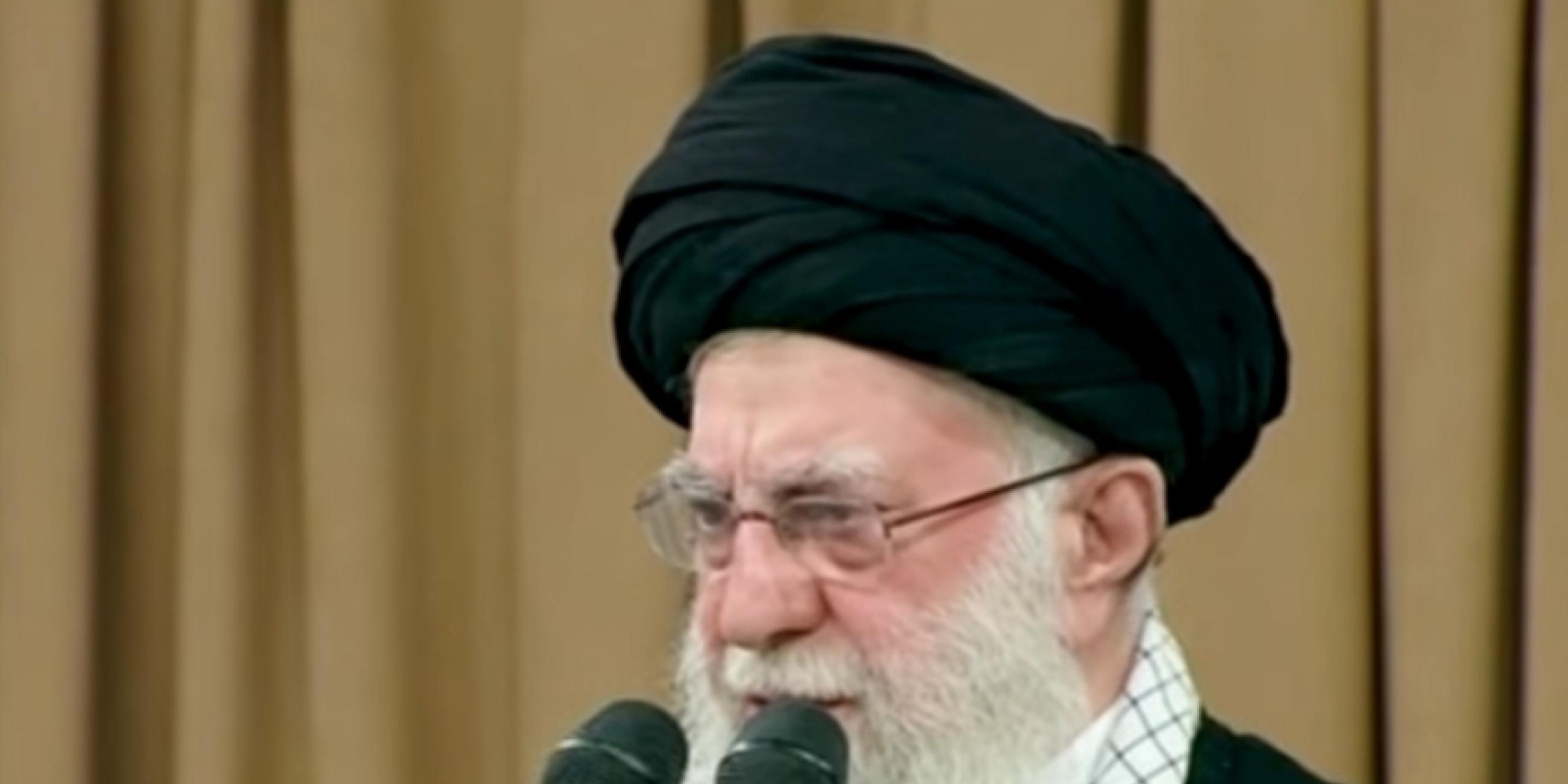
  • Iran Supreme Leader Confirms Thousands Killed in Protests, Blames Trump for Unrest

    Iran’s Supreme Leader, Ayatollah Ali Khamenei, has publicly confirmed that thousands of people died during recent nationwide protests sparked by worsening economic conditions. In a televised address, Khamenei blamed former U.S. President Donald Trump for encouraging the demonstrations and described him as a “criminal” responsible for both the casualties and destruction. While families mourn, Khamenei categorized victims as either U.S.-backed agitators or “naive individuals” misled by protest leaders. Allegations of security forces opening fire on unarmed protesters remain unaddressed, as the government shifts blame to external actors.

    #IranProtests #Khamenei #TrumpAccused
    Iran Supreme Leader Confirms Thousands Killed in Protests, Blames Trump for Unrest Iran’s Supreme Leader, Ayatollah Ali Khamenei, has publicly confirmed that thousands of people died during recent nationwide protests sparked by worsening economic conditions. In a televised address, Khamenei blamed former U.S. President Donald Trump for encouraging the demonstrations and described him as a “criminal” responsible for both the casualties and destruction. While families mourn, Khamenei categorized victims as either U.S.-backed agitators or “naive individuals” misled by protest leaders. Allegations of security forces opening fire on unarmed protesters remain unaddressed, as the government shifts blame to external actors. #IranProtests #Khamenei #TrumpAccused
    love
    3
    · 0 Комментарии ·0 Поделились ·977 Просмотры
  • US Revokes 100,000 Visas Since Trump’s Return to Office

    The United States government says it has revoked about 100,000 visas since President Donald Trump returned to office, marking a sharp increase compared to the previous year.

    According to official figures, the number of visas revoked since Trump’s second inauguration on January 20, 2025, is about two and a half times higher than the total recorded in 2024, when former President Joe Biden was in office.

    Authorities have not provided a detailed breakdown of the affected visa categories but noted that the revocations are part of stricter immigration enforcement measures.
    US Revokes 100,000 Visas Since Trump’s Return to Office The United States government says it has revoked about 100,000 visas since President Donald Trump returned to office, marking a sharp increase compared to the previous year. According to official figures, the number of visas revoked since Trump’s second inauguration on January 20, 2025, is about two and a half times higher than the total recorded in 2024, when former President Joe Biden was in office. Authorities have not provided a detailed breakdown of the affected visa categories but noted that the revocations are part of stricter immigration enforcement measures.
    0 Комментарии ·0 Поделились ·488 Просмотры
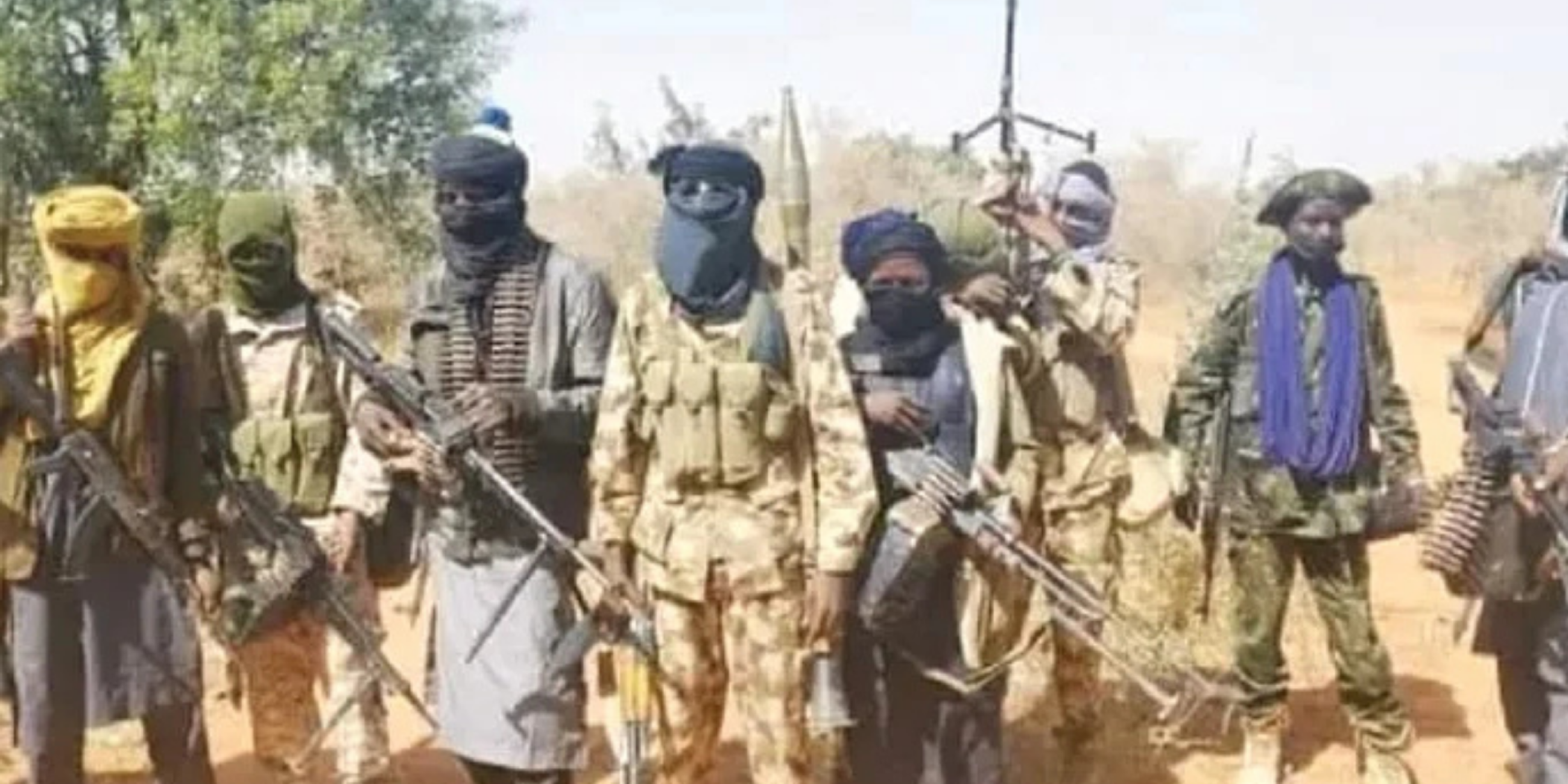
  • Bandits in Kano and Katsina Force Farmers to Pay ₦50,000 Levy, Establish Parallel ‘Government’ in Forest Communities

    Armed groups in Kano and Katsina states are reportedly imposing ₦50,000 per acre levies on farmers, primarily targeting sugarcane and maize growers, as they enforce a parallel governance system within the Rugu and Falgore Forest reserves. Farmers who refuse to comply face threats, destruction of crops, and the risk of violent attacks, forcing many to abandon their farmlands entirely.

    The affected areas are part of the Kano–Katsina food belt, a key agricultural corridor supplying major markets such as Dawanau Market in Kano. Activists warn that ongoing disruptions could lead to food shortages and rising prices across northern Nigeria, raising serious concerns about regional food security.

    Despite military and police checkpoints along key access roads, armed groups are operating within close proximity, highlighting potential gaps in security enforcement. Local residents report that the bandits are increasingly controlling daily economic activities, collecting levies, and imposing rules without resistance.

    The situation has intensified calls for urgent intervention by state and federal security agencies to dismantle these parallel structures and safeguard the livelihoods of farmers, who are essential to the nation’s agricultural stability. As of reporting, no official response has been issued by the Kano or Katsina state governments or federal security authorities.
    Bandits in Kano and Katsina Force Farmers to Pay ₦50,000 Levy, Establish Parallel ‘Government’ in Forest Communities Armed groups in Kano and Katsina states are reportedly imposing ₦50,000 per acre levies on farmers, primarily targeting sugarcane and maize growers, as they enforce a parallel governance system within the Rugu and Falgore Forest reserves. Farmers who refuse to comply face threats, destruction of crops, and the risk of violent attacks, forcing many to abandon their farmlands entirely. The affected areas are part of the Kano–Katsina food belt, a key agricultural corridor supplying major markets such as Dawanau Market in Kano. Activists warn that ongoing disruptions could lead to food shortages and rising prices across northern Nigeria, raising serious concerns about regional food security. Despite military and police checkpoints along key access roads, armed groups are operating within close proximity, highlighting potential gaps in security enforcement. Local residents report that the bandits are increasingly controlling daily economic activities, collecting levies, and imposing rules without resistance. The situation has intensified calls for urgent intervention by state and federal security agencies to dismantle these parallel structures and safeguard the livelihoods of farmers, who are essential to the nation’s agricultural stability. As of reporting, no official response has been issued by the Kano or Katsina state governments or federal security authorities.
    0 Комментарии ·0 Поделились ·737 Просмотры
  • Is Nigeria’s Army Under Digital Attack? Nigerian Army Hunts Operators of Fake Social Media Accounts Impersonating the Chief of Army Staff

    The Nigerian Army has sounded the alarm over what it describes as a growing digital threat: the proliferation of fake social media accounts falsely claiming to be operated by or affiliated with the Chief of Army Staff (COAS), Lieutenant General Waidi Shaibu. The development has raised concerns about online fraud, misinformation, and the misuse of military authority in cyberspace.

    In a press statement issued on January 9, 2026, the Acting Director of Army Public Relations, Colonel Appolonia Anele, described the trend as “disturbing,” warning that unscrupulous individuals are creating and running these accounts to mislead the public. According to the Army, the impostor profiles are being used to solicit funds, defraud unsuspecting citizens, and circulate false information in the name of the COAS and the Nigerian Army.

    The Army categorically clarified that Lieutenant General Waidi Shaibu does not operate or maintain any official social media account on any platform. This statement directly contradicts the claims made by the fake profiles, which present themselves as authoritative voices of the Army’s top leadership.

    Colonel Anele urged Nigerians to exercise extreme caution online and avoid engaging with, responding to, or sharing content from any account claiming to represent the Chief of Army Staff. The public was advised to remain vigilant and report suspicious pages, as interaction with such accounts could expose users to financial scams, identity theft, or the spread of dangerous misinformation.

    Beyond public awareness, the Army confirmed that it is actively pursuing the operators behind these accounts. It stated that necessary steps are being taken to identify, apprehend, and prosecute those responsible in accordance with existing laws. The move underscores a broader effort by the military to combat cyber-enabled crimes that exploit public trust in state institutions.

    The development highlights growing concerns about digital impersonation and information warfare in Nigeria, particularly as social media becomes an increasingly powerful tool for influence, deception, and criminal activity. By issuing a formal warning and launching a manhunt for the perpetrators, the Nigerian Army is signaling its determination to protect both its institutional credibility and the public from online exploitation.

    As authorities intensify their investigation, Nigerians are being reminded that not every account bearing official names or military symbols is legitimate. The episode serves as a stark reminder of how easily digital platforms can be weaponised—and why vigilance, verification, and accountability are more critical than ever in the age of social media.


    Is Nigeria’s Army Under Digital Attack? Nigerian Army Hunts Operators of Fake Social Media Accounts Impersonating the Chief of Army Staff The Nigerian Army has sounded the alarm over what it describes as a growing digital threat: the proliferation of fake social media accounts falsely claiming to be operated by or affiliated with the Chief of Army Staff (COAS), Lieutenant General Waidi Shaibu. The development has raised concerns about online fraud, misinformation, and the misuse of military authority in cyberspace. In a press statement issued on January 9, 2026, the Acting Director of Army Public Relations, Colonel Appolonia Anele, described the trend as “disturbing,” warning that unscrupulous individuals are creating and running these accounts to mislead the public. According to the Army, the impostor profiles are being used to solicit funds, defraud unsuspecting citizens, and circulate false information in the name of the COAS and the Nigerian Army. The Army categorically clarified that Lieutenant General Waidi Shaibu does not operate or maintain any official social media account on any platform. This statement directly contradicts the claims made by the fake profiles, which present themselves as authoritative voices of the Army’s top leadership. Colonel Anele urged Nigerians to exercise extreme caution online and avoid engaging with, responding to, or sharing content from any account claiming to represent the Chief of Army Staff. The public was advised to remain vigilant and report suspicious pages, as interaction with such accounts could expose users to financial scams, identity theft, or the spread of dangerous misinformation. Beyond public awareness, the Army confirmed that it is actively pursuing the operators behind these accounts. It stated that necessary steps are being taken to identify, apprehend, and prosecute those responsible in accordance with existing laws. The move underscores a broader effort by the military to combat cyber-enabled crimes that exploit public trust in state institutions. The development highlights growing concerns about digital impersonation and information warfare in Nigeria, particularly as social media becomes an increasingly powerful tool for influence, deception, and criminal activity. By issuing a formal warning and launching a manhunt for the perpetrators, the Nigerian Army is signaling its determination to protect both its institutional credibility and the public from online exploitation. As authorities intensify their investigation, Nigerians are being reminded that not every account bearing official names or military symbols is legitimate. The episode serves as a stark reminder of how easily digital platforms can be weaponised—and why vigilance, verification, and accountability are more critical than ever in the age of social media.
    0 Комментарии ·0 Поделились ·776 Просмотры
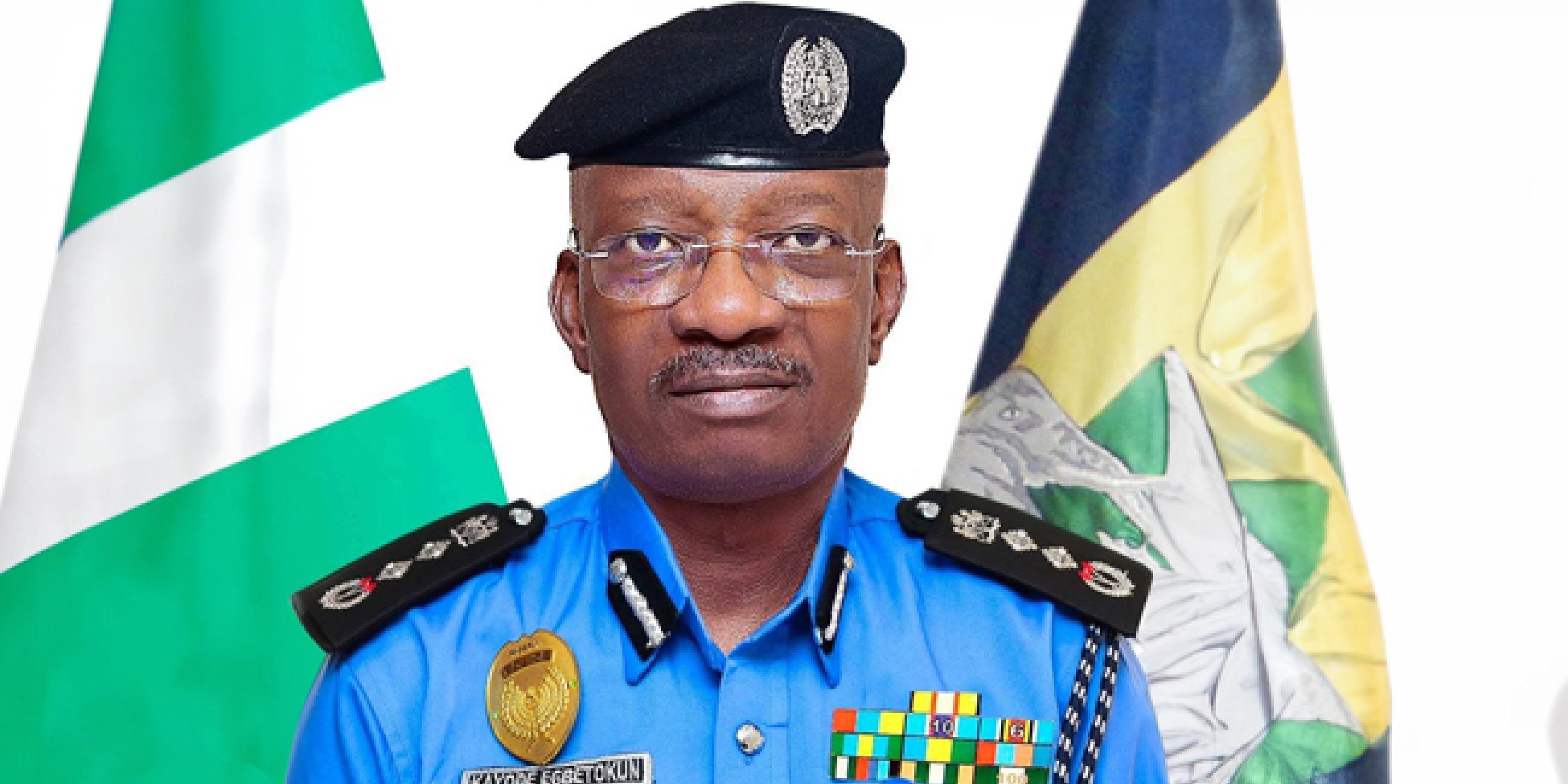
  • Did an Ondo DPO Assault a Lawyer at a Police Station? Why a Law Firm Has Petitioned the IGP and Police Service Commission Over Alleged Abuse of Power

    A Lagos- and Ondo-based law firm, Tope Temokun Chambers, has petitioned the Inspector-General of Police (IGP), the Police Service Commission (PSC), and other oversight bodies over allegations of assault, intimidation, abuse of office, and obstruction of justice involving the Divisional Police Officer (DPO) of Ore Division in Ondo State, Mr. Moses Adeduro.

    According to the petitions, the incident occurred on January 8, 2026, when one of the firm’s lawyers, Adedotun Emmanuel Adegoroye, Esq., accompanied a client—Mrs. Stella Oluwasegun, Managing Director of Niret Marketing Product Company Limited—to the Ore Divisional Police Station to formally report a case of alleged stealing and criminal conversion of company goods valued at about ₦20.4 million.

    The firm stated that the complaint followed the discovery that some employees of the company, allegedly acting in collaboration with a supplier’s staff and a driver, unlawfully removed and sold company goods. It added that some receivers of the allegedly stolen items had already been arrested prior to the visit.

    However, the law firm alleged that upon arrival at the police station, officers attempted to coerce the complainant into an informal settlement without first taking her statement or properly documenting the complaint. When their counsel reportedly objected and insisted on due process, he was directed to see the DPO.

    What happened next, according to the petition, escalated into intimidation and physical assault. The firm alleged that the DPO dismissed the presence of legal representation, reportedly stating that lawyers were not needed at the police station, and ordered that the lawyer be forcibly removed from his office. In the process, a police officer was said to have physically grabbed and ejected the lawyer.

    Tope Temokun Chambers described the alleged conduct as a grave abuse of office, an unlawful assault on a legal practitioner, and a deliberate attempt to obstruct justice. The firm argued that the actions violated multiple laws, including the 1999 Constitution (as amended), the Police Act and Regulations, and the Legal Practitioners Act, all of which guarantee citizens’ right to legal representation and protect lawyers in the lawful discharge of their duties.

    In its petitions, the firm demanded:

    An immediate and thorough investigation into the conduct of the DPO and other officers involved, with appropriate disciplinary measures if the allegations are proven;

    A formal written apology to the affected lawyer; and

    That the underlying criminal complaint be taken over by higher police authorities to ensure impartial investigation and public confidence.


    The firm further claimed it had been reliably informed of similar complaints of misconduct previously made against the same DPO, raising concerns about a possible pattern of abuse of authority.

    Emphasising that the petitions were filed in the interest of justice and professionalism, the firm stressed that lawyers must be allowed to perform their duties without fear of harassment, violence, or intimidation, urging authorities to act decisively to uphold the rule of law and restore confidence in the Nigeria Police Force.

    Did an Ondo DPO Assault a Lawyer at a Police Station? Why a Law Firm Has Petitioned the IGP and Police Service Commission Over Alleged Abuse of Power A Lagos- and Ondo-based law firm, Tope Temokun Chambers, has petitioned the Inspector-General of Police (IGP), the Police Service Commission (PSC), and other oversight bodies over allegations of assault, intimidation, abuse of office, and obstruction of justice involving the Divisional Police Officer (DPO) of Ore Division in Ondo State, Mr. Moses Adeduro. According to the petitions, the incident occurred on January 8, 2026, when one of the firm’s lawyers, Adedotun Emmanuel Adegoroye, Esq., accompanied a client—Mrs. Stella Oluwasegun, Managing Director of Niret Marketing Product Company Limited—to the Ore Divisional Police Station to formally report a case of alleged stealing and criminal conversion of company goods valued at about ₦20.4 million. The firm stated that the complaint followed the discovery that some employees of the company, allegedly acting in collaboration with a supplier’s staff and a driver, unlawfully removed and sold company goods. It added that some receivers of the allegedly stolen items had already been arrested prior to the visit. However, the law firm alleged that upon arrival at the police station, officers attempted to coerce the complainant into an informal settlement without first taking her statement or properly documenting the complaint. When their counsel reportedly objected and insisted on due process, he was directed to see the DPO. What happened next, according to the petition, escalated into intimidation and physical assault. The firm alleged that the DPO dismissed the presence of legal representation, reportedly stating that lawyers were not needed at the police station, and ordered that the lawyer be forcibly removed from his office. In the process, a police officer was said to have physically grabbed and ejected the lawyer. Tope Temokun Chambers described the alleged conduct as a grave abuse of office, an unlawful assault on a legal practitioner, and a deliberate attempt to obstruct justice. The firm argued that the actions violated multiple laws, including the 1999 Constitution (as amended), the Police Act and Regulations, and the Legal Practitioners Act, all of which guarantee citizens’ right to legal representation and protect lawyers in the lawful discharge of their duties. In its petitions, the firm demanded: An immediate and thorough investigation into the conduct of the DPO and other officers involved, with appropriate disciplinary measures if the allegations are proven; A formal written apology to the affected lawyer; and That the underlying criminal complaint be taken over by higher police authorities to ensure impartial investigation and public confidence. The firm further claimed it had been reliably informed of similar complaints of misconduct previously made against the same DPO, raising concerns about a possible pattern of abuse of authority. Emphasising that the petitions were filed in the interest of justice and professionalism, the firm stressed that lawyers must be allowed to perform their duties without fear of harassment, violence, or intimidation, urging authorities to act decisively to uphold the rule of law and restore confidence in the Nigeria Police Force.
    0 Комментарии ·0 Поделились ·811 Просмотры
  • Why Is the ADC Inaugurating Zonal Congress Committees, Why Is It Rejecting Any Alliance With Atiku, Obi, Kwankwaso, and Jonathan, and What Does This Signal for Nigeria’s 2027 Politics?

    A faction of the African Democratic Congress (ADC) has moved to strengthen its internal structure by inaugurating Zonal Congress Committees across three geopolitical zones, while firmly rejecting widespread speculation that the party is aligning with major political figures such as Atiku Abubakar, Peter Obi, Rabiu Kwankwaso, and Goodluck Jonathan.

    In a communique signed by the party’s National Chairman, Hon. Nafiu Bala Gombe, the ADC said the exercise was part of efforts to entrench internal democracy, transparency, and strict adherence to the party’s constitution ahead of future elections.

    According to the statement, the South-West Zonal Congress Committee was inaugurated in Ekiti State on January 7, 2026, with Hon. Bala Sani named Chairman and Hon. Kyauta Yakubu heading the Appeal Committee. The ceremony was conducted by the National Chairman himself.

    In the South-East, a similar inauguration took place in Enugu State on the same date. Barrister Adamu Ado Dauda was appointed Chairman of the Congress Committee, while Mrs. Iyabo Salami Alibi was named head of the Appeal Committee. The event was presided over by the Secretary of the party’s Board of Trustees (BoT), Chief Rufus Ekenmi.

    Earlier, on January 5, 2026, the party inaugurated its North-Central Zonal Congress Committee, appointing Hon. Lolo Ehirudu as Chairman of the Congress Committee and Hon. Sa’ad Aboki as head of the Appeal Committee.

    Beyond organisational matters, the ADC used the occasion to directly address growing rumours of a possible political alliance with prominent national figures. The party categorically dismissed claims linking it to Atiku Abubakar, Labour Party’s 2023 presidential candidate Peter Obi, former Kano State Governor Rabiu Kwankwaso, and former President Goodluck Jonathan.

    “The National Leadership reiterates its unwavering commitment to the principles of internal democracy, transparency, and strict adherence to the party’s constitution,” the communique stated, urging members and the public to “disregard and ignore” all reports of external political alignments. The party stressed that its focus remains on building “a strong, independent, and ideologically driven platform.”

    The ADC also emphasised that only duly registered and financially up-to-date members would be eligible to vote or contest in its congresses and internal elections, reinforcing its claim of commitment to internal order and party discipline.

    By distancing itself from Nigeria’s most recognisable political heavyweights, the party appears determined to project itself as an independent alternative within the country’s democratic space—one that is not defined by elite coalitions or personality-driven politics.

    As speculation continues over emerging alliances ahead of future elections, observers are asking: Why is the ADC rejecting any association with established political figures? Is the party positioning itself as a third-force movement, or is this a strategic move to consolidate its base before engaging in broader negotiations? And could this internal reorganisation reshape opposition politics in Nigeria ahead of 2027?

    The ADC insists its direction is clear: no external alliances, strict internal democracy, and a people-centred political platform—a stance that may test both its independence and its appeal in Nigeria’s highly competitive political landscape.
    Why Is the ADC Inaugurating Zonal Congress Committees, Why Is It Rejecting Any Alliance With Atiku, Obi, Kwankwaso, and Jonathan, and What Does This Signal for Nigeria’s 2027 Politics? A faction of the African Democratic Congress (ADC) has moved to strengthen its internal structure by inaugurating Zonal Congress Committees across three geopolitical zones, while firmly rejecting widespread speculation that the party is aligning with major political figures such as Atiku Abubakar, Peter Obi, Rabiu Kwankwaso, and Goodluck Jonathan. In a communique signed by the party’s National Chairman, Hon. Nafiu Bala Gombe, the ADC said the exercise was part of efforts to entrench internal democracy, transparency, and strict adherence to the party’s constitution ahead of future elections. According to the statement, the South-West Zonal Congress Committee was inaugurated in Ekiti State on January 7, 2026, with Hon. Bala Sani named Chairman and Hon. Kyauta Yakubu heading the Appeal Committee. The ceremony was conducted by the National Chairman himself. In the South-East, a similar inauguration took place in Enugu State on the same date. Barrister Adamu Ado Dauda was appointed Chairman of the Congress Committee, while Mrs. Iyabo Salami Alibi was named head of the Appeal Committee. The event was presided over by the Secretary of the party’s Board of Trustees (BoT), Chief Rufus Ekenmi. Earlier, on January 5, 2026, the party inaugurated its North-Central Zonal Congress Committee, appointing Hon. Lolo Ehirudu as Chairman of the Congress Committee and Hon. Sa’ad Aboki as head of the Appeal Committee. Beyond organisational matters, the ADC used the occasion to directly address growing rumours of a possible political alliance with prominent national figures. The party categorically dismissed claims linking it to Atiku Abubakar, Labour Party’s 2023 presidential candidate Peter Obi, former Kano State Governor Rabiu Kwankwaso, and former President Goodluck Jonathan. “The National Leadership reiterates its unwavering commitment to the principles of internal democracy, transparency, and strict adherence to the party’s constitution,” the communique stated, urging members and the public to “disregard and ignore” all reports of external political alignments. The party stressed that its focus remains on building “a strong, independent, and ideologically driven platform.” The ADC also emphasised that only duly registered and financially up-to-date members would be eligible to vote or contest in its congresses and internal elections, reinforcing its claim of commitment to internal order and party discipline. By distancing itself from Nigeria’s most recognisable political heavyweights, the party appears determined to project itself as an independent alternative within the country’s democratic space—one that is not defined by elite coalitions or personality-driven politics. As speculation continues over emerging alliances ahead of future elections, observers are asking: Why is the ADC rejecting any association with established political figures? Is the party positioning itself as a third-force movement, or is this a strategic move to consolidate its base before engaging in broader negotiations? And could this internal reorganisation reshape opposition politics in Nigeria ahead of 2027? The ADC insists its direction is clear: no external alliances, strict internal democracy, and a people-centred political platform—a stance that may test both its independence and its appeal in Nigeria’s highly competitive political landscape.
    0 Комментарии ·0 Поделились ·1Кб Просмотры
  • How Did Two Young Men Try to Smuggle Marijuana Into a Kano Court? Who Were They Working For—and What Does Their Arrest Reveal About Nigeria’s Prison Drug Crisis?

    How were two young men able to attempt a drug drop inside a court facility in Kano—and what does their arrest expose about the growing challenge of narcotics trafficking into Nigeria’s custodial system?

    The Nigerian Correctional Service (NCoS), Kano State Command, has arrested two men for allegedly attempting to smuggle marijuana and other illicit substances to inmates during court proceedings at the Nomansland Court Complex. The suspects—identified as 25-year-old Usman Khalid and 24-year-old Bello Musa Ahmed, both from the Tsamiya (Brigade) area of Kano—were apprehended by officers attached to the Medium Security Custodial Centre (MSCC), Goron Dutse.

    According to the NCoS, the men were caught while allegedly trying to throw wraps of Indian hemp and other prohibited drugs to inmates as they were being moved in and out of the court. The arrest was confirmed by the Command’s Public Relations Officer, CSC Musbahu Lawan-Kofarnasarawa, who said the suspects were intercepted before the items could reach any prisoner.

    But why would suspects risk such a public and tightly controlled environment to deliver drugs? And who exactly were they trying to supply? While authorities have not yet disclosed whether the suspects were linked to a wider trafficking network, the incident has raised fresh concerns about how criminal elements attempt to exploit court appearances and inmate movements to bypass prison security.

    Reacting to the incident, the Controller of Corrections in Kano State, Ado Inuwa, described the act as a serious security breach and a criminal offence under Nigerian law. He warned members of the public to desist from any interaction with inmates during court transfers, stressing that such conduct threatens both public safety and the integrity of the justice system.

    Inuwa reaffirmed the NCoS’s commitment to rehabilitation and reformation, noting that drug trafficking into custodial facilities undermines discipline, fuels criminal behaviour behind bars, and sabotages correctional objectives. He directed that the suspects and the seized drugs be handed over to the National Drug Law Enforcement Agency (NDLEA) for further investigation and possible prosecution.

    What does this case reveal about the broader problem of drugs in Nigeria’s prisons? The Kano Command reiterated its zero-tolerance policy toward drug-related offences, vowing to maintain maximum security across all custodial centres and judicial premises in the state. The Service also called on residents to report suspicious activities, emphasising that community vigilance remains vital in the fight against narcotics and organised crime.

    As investigations continue, key questions remain unanswered: Were the suspects acting alone or as part of a larger network? Which inmates were the intended recipients? And how many similar attempts go undetected across the country? The outcome of this case may determine not only the fate of the two accused men but also how aggressively authorities tighten security around Nigeria’s courts and correctional facilities in the ongoing war against drugs.


    How Did Two Young Men Try to Smuggle Marijuana Into a Kano Court? Who Were They Working For—and What Does Their Arrest Reveal About Nigeria’s Prison Drug Crisis? How were two young men able to attempt a drug drop inside a court facility in Kano—and what does their arrest expose about the growing challenge of narcotics trafficking into Nigeria’s custodial system? The Nigerian Correctional Service (NCoS), Kano State Command, has arrested two men for allegedly attempting to smuggle marijuana and other illicit substances to inmates during court proceedings at the Nomansland Court Complex. The suspects—identified as 25-year-old Usman Khalid and 24-year-old Bello Musa Ahmed, both from the Tsamiya (Brigade) area of Kano—were apprehended by officers attached to the Medium Security Custodial Centre (MSCC), Goron Dutse. According to the NCoS, the men were caught while allegedly trying to throw wraps of Indian hemp and other prohibited drugs to inmates as they were being moved in and out of the court. The arrest was confirmed by the Command’s Public Relations Officer, CSC Musbahu Lawan-Kofarnasarawa, who said the suspects were intercepted before the items could reach any prisoner. But why would suspects risk such a public and tightly controlled environment to deliver drugs? And who exactly were they trying to supply? While authorities have not yet disclosed whether the suspects were linked to a wider trafficking network, the incident has raised fresh concerns about how criminal elements attempt to exploit court appearances and inmate movements to bypass prison security. Reacting to the incident, the Controller of Corrections in Kano State, Ado Inuwa, described the act as a serious security breach and a criminal offence under Nigerian law. He warned members of the public to desist from any interaction with inmates during court transfers, stressing that such conduct threatens both public safety and the integrity of the justice system. Inuwa reaffirmed the NCoS’s commitment to rehabilitation and reformation, noting that drug trafficking into custodial facilities undermines discipline, fuels criminal behaviour behind bars, and sabotages correctional objectives. He directed that the suspects and the seized drugs be handed over to the National Drug Law Enforcement Agency (NDLEA) for further investigation and possible prosecution. What does this case reveal about the broader problem of drugs in Nigeria’s prisons? The Kano Command reiterated its zero-tolerance policy toward drug-related offences, vowing to maintain maximum security across all custodial centres and judicial premises in the state. The Service also called on residents to report suspicious activities, emphasising that community vigilance remains vital in the fight against narcotics and organised crime. As investigations continue, key questions remain unanswered: Were the suspects acting alone or as part of a larger network? Which inmates were the intended recipients? And how many similar attempts go undetected across the country? The outcome of this case may determine not only the fate of the two accused men but also how aggressively authorities tighten security around Nigeria’s courts and correctional facilities in the ongoing war against drugs.
    0 Комментарии ·0 Поделились ·629 Просмотры
  • Did Anyone Try to Bribe the Judge in Malami’s ₦8.7 Billion Money Laundering Trial? Why the Former AGF Is Denying Influence Claims, Accusing EFCC of a ‘Media Trial,’ and Insisting on Judicial Integrity

    Did anyone attempt to bribe or improperly influence the judge handling Abubakar Malami’s high-profile ₦8.7 billion money laundering case? Why did the former Attorney-General of the Federation feel compelled to issue a public denial? And is the Economic and Financial Crimes Commission (EFCC) conducting a legitimate prosecution—or, as Malami claims, waging a “media trial” aimed at damaging his reputation?

    Following a Federal High Court ruling in Maitama, Abuja, which granted bail to Malami, his wife, and their son, reports circulated suggesting that the presiding judge, Justice Emeka Nwite, had raised concerns about attempts to compromise the court. In response, Malami strongly rejected any insinuation that he—or anyone acting on his behalf—sought to influence the judge in any form.

    In a statement signed by his media aide, Mohammed Bello Doka, Malami described the allegation as “mischievous, false, and deliberately misleading.” He categorically stated that no member of his legal team, family, or associates approached or contemplated approaching the court for any favour. Any suggestion otherwise, he said, was reckless and intended to tarnish his public image.

    But what exactly did the judge say? According to Malami, Justice Nwite’s remarks were a routine judicial warning delivered to all counsel and litigants appearing before the court—not a statement directed at him or his co-defendants. He noted that the judge is known for consistently cautioning lawyers against any attempt to contact him outside formal proceedings, as part of his commitment to judicial probity.

    Why then did the controversy erupt? Malami accused the EFCC of “weaponising” a standard courtroom admonition and presenting it to the public as evidence of attempted interference. He argued that this narrative was crafted to prejudice public opinion and undermine due process rather than allow the case to be determined strictly on evidence.

    “The proper place to prove allegations is in the courtroom, not in the media,” Malami said, reiterating that neither he nor his family had offered any bribe or sought any special treatment. He maintained that he respects the sanctity of the judiciary, emphasising both his status as a Senior Advocate of Nigeria and his past role as the nation’s chief law officer.

    What is at stake? The case involves serious allegations of money laundering running into billions of naira against Malami, his wife, Hajia Bashir Asabe, and their son, Abubakar Abdulaziz Malami. During proceedings, Justice Nwite openly warned all parties not to attempt any personal approaches, stressing that legal representation—not backdoor contacts—is the only acceptable means of advocacy before his court.

    As the trial continues, a critical question remains for Nigerians: is this a straightforward judicial caution being misrepresented for headlines, or does the dispute reflect a deeper battle between a former top legal official and the country’s anti-graft agency over credibility, due process, and public perception?
    Did Anyone Try to Bribe the Judge in Malami’s ₦8.7 Billion Money Laundering Trial? Why the Former AGF Is Denying Influence Claims, Accusing EFCC of a ‘Media Trial,’ and Insisting on Judicial Integrity Did anyone attempt to bribe or improperly influence the judge handling Abubakar Malami’s high-profile ₦8.7 billion money laundering case? Why did the former Attorney-General of the Federation feel compelled to issue a public denial? And is the Economic and Financial Crimes Commission (EFCC) conducting a legitimate prosecution—or, as Malami claims, waging a “media trial” aimed at damaging his reputation? Following a Federal High Court ruling in Maitama, Abuja, which granted bail to Malami, his wife, and their son, reports circulated suggesting that the presiding judge, Justice Emeka Nwite, had raised concerns about attempts to compromise the court. In response, Malami strongly rejected any insinuation that he—or anyone acting on his behalf—sought to influence the judge in any form. In a statement signed by his media aide, Mohammed Bello Doka, Malami described the allegation as “mischievous, false, and deliberately misleading.” He categorically stated that no member of his legal team, family, or associates approached or contemplated approaching the court for any favour. Any suggestion otherwise, he said, was reckless and intended to tarnish his public image. But what exactly did the judge say? According to Malami, Justice Nwite’s remarks were a routine judicial warning delivered to all counsel and litigants appearing before the court—not a statement directed at him or his co-defendants. He noted that the judge is known for consistently cautioning lawyers against any attempt to contact him outside formal proceedings, as part of his commitment to judicial probity. Why then did the controversy erupt? Malami accused the EFCC of “weaponising” a standard courtroom admonition and presenting it to the public as evidence of attempted interference. He argued that this narrative was crafted to prejudice public opinion and undermine due process rather than allow the case to be determined strictly on evidence. “The proper place to prove allegations is in the courtroom, not in the media,” Malami said, reiterating that neither he nor his family had offered any bribe or sought any special treatment. He maintained that he respects the sanctity of the judiciary, emphasising both his status as a Senior Advocate of Nigeria and his past role as the nation’s chief law officer. What is at stake? The case involves serious allegations of money laundering running into billions of naira against Malami, his wife, Hajia Bashir Asabe, and their son, Abubakar Abdulaziz Malami. During proceedings, Justice Nwite openly warned all parties not to attempt any personal approaches, stressing that legal representation—not backdoor contacts—is the only acceptable means of advocacy before his court. As the trial continues, a critical question remains for Nigerians: is this a straightforward judicial caution being misrepresented for headlines, or does the dispute reflect a deeper battle between a former top legal official and the country’s anti-graft agency over credibility, due process, and public perception?
    0 Комментарии ·0 Поделились ·610 Просмотры
  • “US Imposes $15,000 Visa Bonds on Nigerians for Business and Tourist Travel – New Travel Restrictions Explained”

    The United States government has introduced stringent new visa requirements that may affect Nigerians and other nationals from high-risk countries seeking B1/B2 business and tourist visas. According to an official notice on the US Department of State website (Travel.State.Gov), applicants may now be required to post visa bonds of $5,000, $10,000, or $15,000, depending on individual circumstances assessed during visa interviews. Payment of the bond does not guarantee visa issuance, and any fees paid without a consular officer’s direction will not be refunded.
    This directive, effective January 21, 2026, for Nigeria, affects 38 countries worldwide, with 24 African nations included. Visa bonds act as financial guarantees for nationals from countries classified as high-risk, ensuring compliance with visa regulations and departure requirements. Applicants must submit the Department of Homeland Security Form I-352 and make payments via the US Treasury’s Pay.gov platform. Bond holders are also required to enter the US only through designated airports such as Boston Logan, JFK in New York, and Washington Dulles.
    The new restrictions follow a partial travel suspension imposed on Nigeria on December 16, 2025, due to security concerns linked to Boko Haram and Islamic State activities, alongside high visa overstay rates—5.56% for B1/B2 visas and 11.90% for student and exchange visas (F, M, and J categories). The US government emphasized that bonds are refundable only when a visa holder departs on time, does not travel before visa expiration, or is denied admission at a port of entry.
    This move is part of broader US efforts to tighten travel compliance for nationals from countries with security, immigration, or overstay concerns, highlighting the increasing scrutiny facing Nigerian travelers seeking entry to the United States.
    “US Imposes $15,000 Visa Bonds on Nigerians for Business and Tourist Travel – New Travel Restrictions Explained” The United States government has introduced stringent new visa requirements that may affect Nigerians and other nationals from high-risk countries seeking B1/B2 business and tourist visas. According to an official notice on the US Department of State website (Travel.State.Gov), applicants may now be required to post visa bonds of $5,000, $10,000, or $15,000, depending on individual circumstances assessed during visa interviews. Payment of the bond does not guarantee visa issuance, and any fees paid without a consular officer’s direction will not be refunded. This directive, effective January 21, 2026, for Nigeria, affects 38 countries worldwide, with 24 African nations included. Visa bonds act as financial guarantees for nationals from countries classified as high-risk, ensuring compliance with visa regulations and departure requirements. Applicants must submit the Department of Homeland Security Form I-352 and make payments via the US Treasury’s Pay.gov platform. Bond holders are also required to enter the US only through designated airports such as Boston Logan, JFK in New York, and Washington Dulles. The new restrictions follow a partial travel suspension imposed on Nigeria on December 16, 2025, due to security concerns linked to Boko Haram and Islamic State activities, alongside high visa overstay rates—5.56% for B1/B2 visas and 11.90% for student and exchange visas (F, M, and J categories). The US government emphasized that bonds are refundable only when a visa holder departs on time, does not travel before visa expiration, or is denied admission at a port of entry. This move is part of broader US efforts to tighten travel compliance for nationals from countries with security, immigration, or overstay concerns, highlighting the increasing scrutiny facing Nigerian travelers seeking entry to the United States.
    like
    1
    · 0 Комментарии ·0 Поделились ·589 Просмотры
  • How Did Detained Police Officers Still Get Paid After the Deadly Omuma Shooting? Panel Acquits 10, Demotes Two – What Went Wrong?”

    An exclusive SaharaReporters investigation reveals shocking details about the June 18, 2024 deadly shooting at the Eberi-Omuma Local Government Council Secretariat in Rivers State, where at least two people lost their lives. Despite being detained over the incident, Inspector Hycent Oboh continued to receive his salary of ₦249,138.13 in December 2025, raising questions about accountability within the Nigerian Police Force.
    The incident, triggered by heightened political tensions in Omuma, involved multiple armed police officers allegedly firing live bullets and deploying teargas, leaving Inspector David Mgbada and civilian security operative Samuel Nwigwe dead. Eyewitnesses described chaos, teargas clouds, and indiscriminate gunfire, some linking officers to political actors. Yet, the police orderly room trial, which began in August 2024 at the SCIID in Port Harcourt, found that evidential gaps and investigative lapses prevented most officers from being held accountable.
    After hearing testimonies from eight witnesses, the Executive Chairman of Omuma LGA, and the accused officers themselves, the panel acquitted 10 officers of all charges due to lack of proof. Only Inspectors Michael Etim (D5) and Nelson Mbang (D8) were demoted for discreditable conduct, having joined an unauthorised security detail, highlighting a serious breakdown in police discipline and investigative rigor.
    The panel criticized the Investigating Police Officers (IPO) for failing to verify evidence, including video footage, conduct ballistic analyses, or identify officers present at the scene. This failure, the panel said, compromised justice for the victims and reflected political influence and systemic weaknesses within the force. Shockingly, the panel even recommended a posthumous trial for late Inspector Mgbada, underscoring the unusual and controversial nature of the proceedings.
    The case raises serious questions about police accountability, salary payments during detention, and systemic failures in handling politically sensitive incidents. Citizens and stakeholders continue to demand transparency, proper investigations, and meaningful reforms to prevent future abuses and ensure justice for victims.
    Fintter readers, we want to hear from you: How can the Nigerian Police Force be held accountable when investigations fail and officers continue to draw salaries despite detention? Share your thoughts in the comments.
    How Did Detained Police Officers Still Get Paid After the Deadly Omuma Shooting? Panel Acquits 10, Demotes Two – What Went Wrong?” An exclusive SaharaReporters investigation reveals shocking details about the June 18, 2024 deadly shooting at the Eberi-Omuma Local Government Council Secretariat in Rivers State, where at least two people lost their lives. Despite being detained over the incident, Inspector Hycent Oboh continued to receive his salary of ₦249,138.13 in December 2025, raising questions about accountability within the Nigerian Police Force. The incident, triggered by heightened political tensions in Omuma, involved multiple armed police officers allegedly firing live bullets and deploying teargas, leaving Inspector David Mgbada and civilian security operative Samuel Nwigwe dead. Eyewitnesses described chaos, teargas clouds, and indiscriminate gunfire, some linking officers to political actors. Yet, the police orderly room trial, which began in August 2024 at the SCIID in Port Harcourt, found that evidential gaps and investigative lapses prevented most officers from being held accountable. After hearing testimonies from eight witnesses, the Executive Chairman of Omuma LGA, and the accused officers themselves, the panel acquitted 10 officers of all charges due to lack of proof. Only Inspectors Michael Etim (D5) and Nelson Mbang (D8) were demoted for discreditable conduct, having joined an unauthorised security detail, highlighting a serious breakdown in police discipline and investigative rigor. The panel criticized the Investigating Police Officers (IPO) for failing to verify evidence, including video footage, conduct ballistic analyses, or identify officers present at the scene. This failure, the panel said, compromised justice for the victims and reflected political influence and systemic weaknesses within the force. Shockingly, the panel even recommended a posthumous trial for late Inspector Mgbada, underscoring the unusual and controversial nature of the proceedings. The case raises serious questions about police accountability, salary payments during detention, and systemic failures in handling politically sensitive incidents. Citizens and stakeholders continue to demand transparency, proper investigations, and meaningful reforms to prevent future abuses and ensure justice for victims. Fintter readers, we want to hear from you: How can the Nigerian Police Force be held accountable when investigations fail and officers continue to draw salaries despite detention? Share your thoughts in the comments.
    0 Комментарии ·0 Поделились ·615 Просмотры
  • ‘US Crossed An Unacceptable Line’ — Brazil Condemns American Military Attacks On Venezuela, Slams Capture Of President Maduro, Monitors Potential Refugee Influx

    Brazil has strongly condemned the United States’ military attack on Venezuela and the capture of President Nicolás Maduro, describing the action as a grave violation of international law and a dangerous precedent for global stability. President Luiz Inácio Lula da Silva said the US had crossed “an unacceptable line,” warning that the bombings and arrest of Venezuela’s leader undermine national sovereignty and threaten multilateralism.

    In a statement posted on X on January 3, 2026, Lula stressed that attacking countries in blatant disregard for international norms risks plunging the world into violence, chaos, and instability, where power overrides the rule of law. He called for a “vigorous” response from the United Nations while reaffirming Brazil’s long-standing opposition to the use of force and its commitment to dialogue and diplomacy.

    The condemnation followed coordinated US military operations that led to the removal of President Maduro, marking Washington’s most direct intervention in Latin America since the 1989 invasion of Panama. US President Donald Trump hailed the operation as a major success, praising it as a powerful demonstration of American military strength.

    Amid fears of regional fallout, Brazilian authorities convened an emergency cabinet meeting to assess the situation, with particular concern over a possible surge of Venezuelan refugees. Brazil’s foreign ministry said there had been no unusual movement along the border so far, noting that the country has hosted over 150,000 Venezuelan migrants since 2018 through ongoing humanitarian programmes.

    President Lula, who joined the emergency meeting virtually, reiterated that military intervention in Venezuela could trigger a humanitarian catastrophe and renewed Brazil’s offer to act as a mediator. Brazilian officials said they remain on high alert, closely monitoring developments while engaging diplomatically with Venezuelan authorities to prevent further escalation.
    ‘US Crossed An Unacceptable Line’ — Brazil Condemns American Military Attacks On Venezuela, Slams Capture Of President Maduro, Monitors Potential Refugee Influx Brazil has strongly condemned the United States’ military attack on Venezuela and the capture of President Nicolás Maduro, describing the action as a grave violation of international law and a dangerous precedent for global stability. President Luiz Inácio Lula da Silva said the US had crossed “an unacceptable line,” warning that the bombings and arrest of Venezuela’s leader undermine national sovereignty and threaten multilateralism. In a statement posted on X on January 3, 2026, Lula stressed that attacking countries in blatant disregard for international norms risks plunging the world into violence, chaos, and instability, where power overrides the rule of law. He called for a “vigorous” response from the United Nations while reaffirming Brazil’s long-standing opposition to the use of force and its commitment to dialogue and diplomacy. The condemnation followed coordinated US military operations that led to the removal of President Maduro, marking Washington’s most direct intervention in Latin America since the 1989 invasion of Panama. US President Donald Trump hailed the operation as a major success, praising it as a powerful demonstration of American military strength. Amid fears of regional fallout, Brazilian authorities convened an emergency cabinet meeting to assess the situation, with particular concern over a possible surge of Venezuelan refugees. Brazil’s foreign ministry said there had been no unusual movement along the border so far, noting that the country has hosted over 150,000 Venezuelan migrants since 2018 through ongoing humanitarian programmes. President Lula, who joined the emergency meeting virtually, reiterated that military intervention in Venezuela could trigger a humanitarian catastrophe and renewed Brazil’s offer to act as a mediator. Brazilian officials said they remain on high alert, closely monitoring developments while engaging diplomatically with Venezuelan authorities to prevent further escalation.
    love
    1
    · 1 Комментарии ·0 Поделились ·630 Просмотры
  • Canada Deports 366 Nigerians in 10 Months, 974 More Await Removal Amid Intensified Immigration Crackdown

    Canada has deported 366 Nigerian nationals between January and October 2025, marking a sharp increase in immigration enforcement not seen in over a decade. According to data from the Canada Border Services Agency (CBSA), an additional 974 Nigerians are currently in the “removal in progress” inventory, awaiting deportation. Nigeria ranked ninth among the top 10 countries for deportations in 2025 and fifth in the removal-in-progress list, making it the only African nation in both categories.

    Historical data show fluctuating deportation numbers, with Nigeria absent from the top 10 in 2023 and 2024. Most deportees (83%) are failed refugee claimants, while around 4% face removal due to criminality. Deportation orders are issued under Canadian law for reasons including security, human rights violations, criminal activity, health, financial reasons, or failure to comply with immigration regulations.

    The CBSA now removes nearly 400 foreign nationals weekly, with the government allocating an extra $30.5 million over three years for removals and $1.3 billion for border security. Experts warn deportations could increase if Bill C-12 (‘border bill’) passes, which would restrict refugee claims.

    Despite deportations, Canada remains a key destination for Nigerians seeking economic opportunities. Census and immigration data show that over 40,000 Nigerians migrated to Canada between 2016 and 2021, with 6,600 gaining permanent residency in early 2024 and over 71,000 becoming citizens between 2005 and 2024. Skilled professionals and students continue to be attracted to Canada due to its aging population and labour shortages.
    Canada Deports 366 Nigerians in 10 Months, 974 More Await Removal Amid Intensified Immigration Crackdown Canada has deported 366 Nigerian nationals between January and October 2025, marking a sharp increase in immigration enforcement not seen in over a decade. According to data from the Canada Border Services Agency (CBSA), an additional 974 Nigerians are currently in the “removal in progress” inventory, awaiting deportation. Nigeria ranked ninth among the top 10 countries for deportations in 2025 and fifth in the removal-in-progress list, making it the only African nation in both categories. Historical data show fluctuating deportation numbers, with Nigeria absent from the top 10 in 2023 and 2024. Most deportees (83%) are failed refugee claimants, while around 4% face removal due to criminality. Deportation orders are issued under Canadian law for reasons including security, human rights violations, criminal activity, health, financial reasons, or failure to comply with immigration regulations. The CBSA now removes nearly 400 foreign nationals weekly, with the government allocating an extra $30.5 million over three years for removals and $1.3 billion for border security. Experts warn deportations could increase if Bill C-12 (‘border bill’) passes, which would restrict refugee claims. Despite deportations, Canada remains a key destination for Nigerians seeking economic opportunities. Census and immigration data show that over 40,000 Nigerians migrated to Canada between 2016 and 2021, with 6,600 gaining permanent residency in early 2024 and over 71,000 becoming citizens between 2005 and 2024. Skilled professionals and students continue to be attracted to Canada due to its aging population and labour shortages.
    like
    1
    · 0 Комментарии ·0 Поделились ·436 Просмотры
  • BREAKING: Nigerian Military Combat Drone Crashes In Kontagora Forest, Niger State, As Authorities Remain Silent On Cause

    A Nigerian military combat drone has crashed in the Kontagora forest area of Niger State under circumstances that remain unclear. SaharaReporters obtained a photograph showing the unmanned aerial vehicle wrecked in the forest, though it reportedly did not explode. As of the time of reporting, neither the Nigerian military nor the Niger State government has issued an official statement on the incident or confirmed where the drone was launched from. The crash has raised fresh concerns about aerial military operations in Nigeria’s North-Central region, coming amid heightened scrutiny of recent military activities, including controversies surrounding foreign airstrikes and unexploded ordnance in parts of the country.
    BREAKING: Nigerian Military Combat Drone Crashes In Kontagora Forest, Niger State, As Authorities Remain Silent On Cause A Nigerian military combat drone has crashed in the Kontagora forest area of Niger State under circumstances that remain unclear. SaharaReporters obtained a photograph showing the unmanned aerial vehicle wrecked in the forest, though it reportedly did not explode. As of the time of reporting, neither the Nigerian military nor the Niger State government has issued an official statement on the incident or confirmed where the drone was launched from. The crash has raised fresh concerns about aerial military operations in Nigeria’s North-Central region, coming amid heightened scrutiny of recent military activities, including controversies surrounding foreign airstrikes and unexploded ordnance in parts of the country.
    0 Комментарии ·0 Поделились ·415 Просмотры
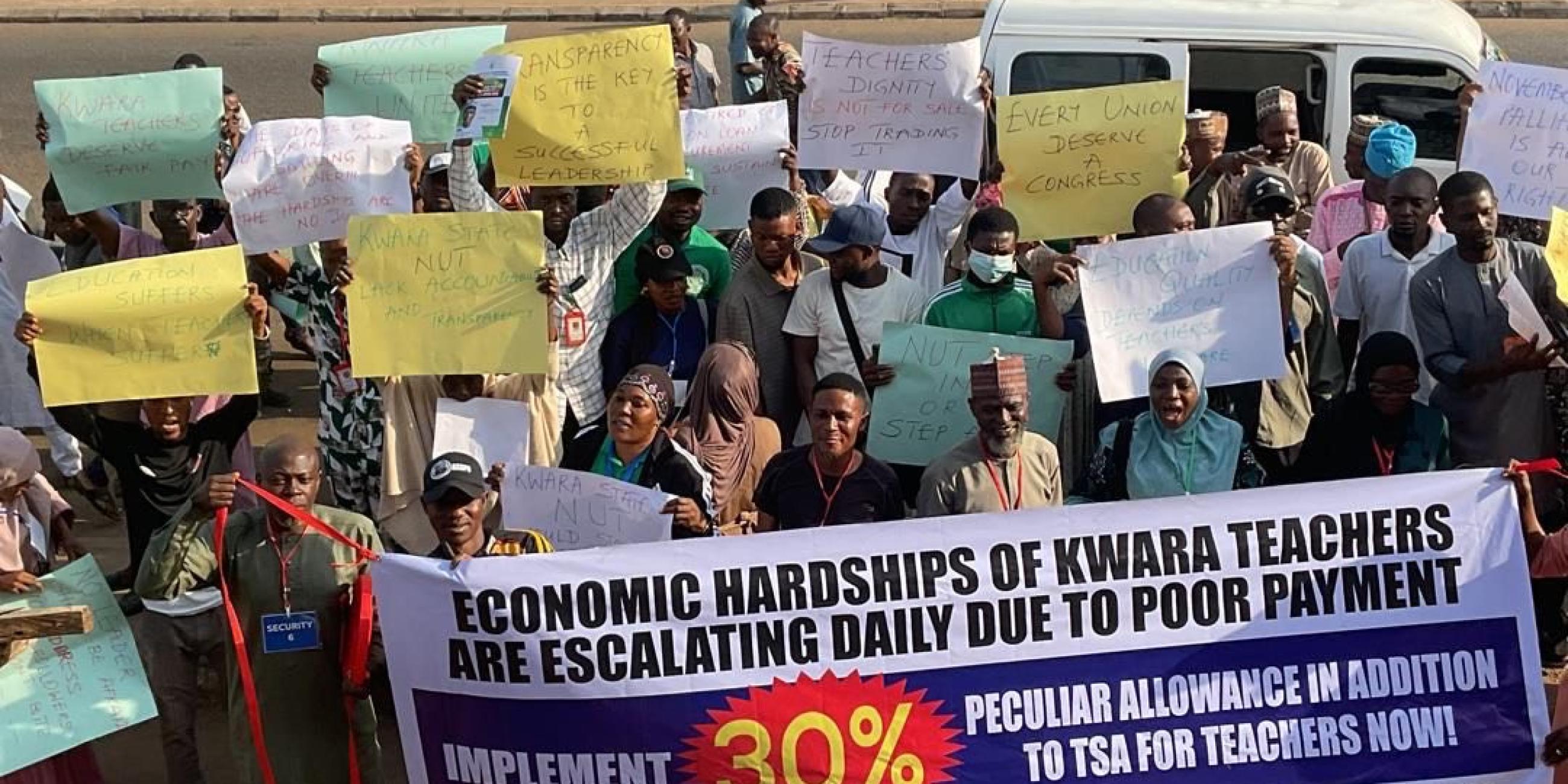
  • BREAKING: Kwara Public School Teachers Protest Salary Disparity, Accuse Government and NUT of Excluding Them From 30% Peculiar Allowance Amid Growing Economic Hardship

    Public school teachers in Kwara State on Friday staged a protest over their exclusion from the recently approved 30% peculiar salary allowance granted to other categories of state workers. The protesting teachers accused the Kwara State Government and the leadership of the Nigeria Union of Teachers (NUT) of neglect, betrayal and failure to protect their welfare amid rising economic hardship.

    During the protest, teachers carried placards lamenting poor pay, widening salary disparities and worsening living conditions, with some stating they were “surviving on loans” to meet basic needs. The protesters demanded the immediate implementation of the 30% peculiar allowance for teachers, arguing that their exclusion leaves them earning less than other civil servants in the state.

    The teachers also targeted the NUT leadership, accusing it of complacency and inaction. Some protesters noted that the 27% Teachers’ Specific Allowance being referenced by authorities was not new and had been implemented in other states since 2018, while other state workers had already begun receiving the 30% allowance in December 2025.

    Meanwhile, the NUT Kwara State leadership distanced itself from the protest, insisting it neither authorised nor endorsed the action. In a statement, the union warned that anyone protesting in the name of teachers did so at their own risk, while also praising the state government for approving teacher-related allowances. The development highlights growing tension between teachers, their union and the state government over pay equity and economic survival.
    BREAKING: Kwara Public School Teachers Protest Salary Disparity, Accuse Government and NUT of Excluding Them From 30% Peculiar Allowance Amid Growing Economic Hardship Public school teachers in Kwara State on Friday staged a protest over their exclusion from the recently approved 30% peculiar salary allowance granted to other categories of state workers. The protesting teachers accused the Kwara State Government and the leadership of the Nigeria Union of Teachers (NUT) of neglect, betrayal and failure to protect their welfare amid rising economic hardship. During the protest, teachers carried placards lamenting poor pay, widening salary disparities and worsening living conditions, with some stating they were “surviving on loans” to meet basic needs. The protesters demanded the immediate implementation of the 30% peculiar allowance for teachers, arguing that their exclusion leaves them earning less than other civil servants in the state. The teachers also targeted the NUT leadership, accusing it of complacency and inaction. Some protesters noted that the 27% Teachers’ Specific Allowance being referenced by authorities was not new and had been implemented in other states since 2018, while other state workers had already begun receiving the 30% allowance in December 2025. Meanwhile, the NUT Kwara State leadership distanced itself from the protest, insisting it neither authorised nor endorsed the action. In a statement, the union warned that anyone protesting in the name of teachers did so at their own risk, while also praising the state government for approving teacher-related allowances. The development highlights growing tension between teachers, their union and the state government over pay equity and economic survival.
    like
    1
    · 0 Комментарии ·0 Поделились ·495 Просмотры
  • Mining Marshals Arrest Five Suspects for Illegal Mining and NSCDC Impersonation in Abuja’s Kuje Area Council

    The Mining Marshals have arrested five men over alleged illegal mining operations and impersonation of security agencies in the Kuje Area Council of the Federal Capital Territory, Abuja. The suspects were apprehended on December 27, 2025, at Kebi Mangoro following credible intelligence reports indicating ongoing illegal mining activities in the area.

    Authorities identified the suspects as Muhammed Aliyu, Abdulrahman Hashimu, Tahir Muhammed, Awaje Abduljalal, and Kabiru Adamu. Preliminary investigations revealed that the group allegedly operated multiple illegal mining sites across Abuja and neighbouring Nasarawa State. Investigators further alleged that the suspects used a privately owned Toyota Hilux vehicle branded with the colours and insignia of the Nigeria Security and Civil Defence Corps (NSCDC) to bypass security checkpoints and intimidate stakeholders.

    During interrogation, the suspects reportedly confessed to the offences, claiming their activities were directed by a fugitive businessman, Alhaji Mohammed Dahiru Salihu, popularly known as Mundasa of Mundasa Global Limited. Officials also disclosed intelligence suggesting attempts by the principal suspect and other accomplices to interfere with investigations by approaching the lawful mineral title holder.

    Although the suspects were granted temporary bail, the Mining Marshals confirmed that investigations are ongoing and that the case will be prosecuted. Reaffirming the Federal Government’s zero-tolerance stance on illegal mining, the Commander of the Mining Marshals stated that the suspects would be charged to court, stressing the commitment of authorities to dismantle illegal mining networks and protect national security.
    Mining Marshals Arrest Five Suspects for Illegal Mining and NSCDC Impersonation in Abuja’s Kuje Area Council The Mining Marshals have arrested five men over alleged illegal mining operations and impersonation of security agencies in the Kuje Area Council of the Federal Capital Territory, Abuja. The suspects were apprehended on December 27, 2025, at Kebi Mangoro following credible intelligence reports indicating ongoing illegal mining activities in the area. Authorities identified the suspects as Muhammed Aliyu, Abdulrahman Hashimu, Tahir Muhammed, Awaje Abduljalal, and Kabiru Adamu. Preliminary investigations revealed that the group allegedly operated multiple illegal mining sites across Abuja and neighbouring Nasarawa State. Investigators further alleged that the suspects used a privately owned Toyota Hilux vehicle branded with the colours and insignia of the Nigeria Security and Civil Defence Corps (NSCDC) to bypass security checkpoints and intimidate stakeholders. During interrogation, the suspects reportedly confessed to the offences, claiming their activities were directed by a fugitive businessman, Alhaji Mohammed Dahiru Salihu, popularly known as Mundasa of Mundasa Global Limited. Officials also disclosed intelligence suggesting attempts by the principal suspect and other accomplices to interfere with investigations by approaching the lawful mineral title holder. Although the suspects were granted temporary bail, the Mining Marshals confirmed that investigations are ongoing and that the case will be prosecuted. Reaffirming the Federal Government’s zero-tolerance stance on illegal mining, the Commander of the Mining Marshals stated that the suspects would be charged to court, stressing the commitment of authorities to dismantle illegal mining networks and protect national security.
    0 Комментарии ·0 Поделились ·469 Просмотры
  • FG Reaffirms Unwavering Commitment to Rule of Law, Dismisses Fabricated Allegations of Targeting Opposition

    The Federal Government of Nigeria categorically states that it harbours no plans to unlawfully arrest, detain, or prosecute opposition figures. This clarification is in response to a fabricated document in circulation alleging the establishment of a non-existent multi-agency task force for a purported programme tagged “ADP4VIP” (Arrest, Detain, Prosecute for Very Important Persons).

    The baseless document falsely claims that a task force comprising the Economic and Financial Crimes Commission (EFCC), the Independent Corrupt Practices and Other Related Offences Commission (ICPC), and the Nigerian Financial Intelligence Unit (NFIU), coordinated by the Office of the National Security Adviser, aims to aggressively target prominent opposition figures without due process.

    The authors of this deliberate disinformation imprudently cite “multiple credible sources” to allege a planned “systematic weakening and neutralisation of opposition political activity,” particularly within the African Democratic Congress (ADC).

    The Federal Government wishes to state emphatically:

    1. There is no such programme as “ADP4VIP.”

    2. The administration of President Bola Ahmed Tinubu, GCFR, is firmly and successfully focused on its core agenda: implementing measurable economic reforms, defeating insecurity, expanding trade opportunities, and restoring investor confidence.

    3. The attempt by some opposition elements to frame lawful accountability as political targeting is a dangerous red herring designed to shield so-called VIPs from answering to our national laws and anti-corruption agencies.

    The Government underscores its foundational principles. Section 40 of the 1999 Constitution (as amended) guarantees every Nigerian the right to freely associate and assemble. President Tinubu swore an oath to uphold this Constitution and its protections, including the freedoms of association and religion. He is a democrat with considerable and positive footprints.

    Under President Tinubu's leadership, the Federal Government remains unwavering in its commitment to the rule of law, due process, and the independence of institutions. Nigeria is a constitutional democracy where law enforcement and judicial agencies are obligated to perform their duties professionally, without interference, and in the nation's best interest.

    Politicians and citizens are therefore enjoined to desist from engaging in disinformation, misinformation, and fake news, especially in an era where credibility is intrinsically linked to informational fidelity.

    With the 2027 general elections on the horizon, the public should anticipate an increase in fabricated narratives and political blackmail by actors who employ falsehood as a strategy for relevance. We urge all Nigerians to remain vigilant and to reject the politics of distortion and division.

    Every Nigerian retains the constitutional right to lawful association and political activity. Concurrently, our security and anti-corruption institutions retain the lawful mandate to operate in the nation's interest.

    As we draw the curtain on 2025 and step into a new year, this government will not be distracted by those invested in perpetual politicking. Nigerians deserve continuity, progress, and tangible results—and that is what the Tinubu Administration remains dedicated to delivering.

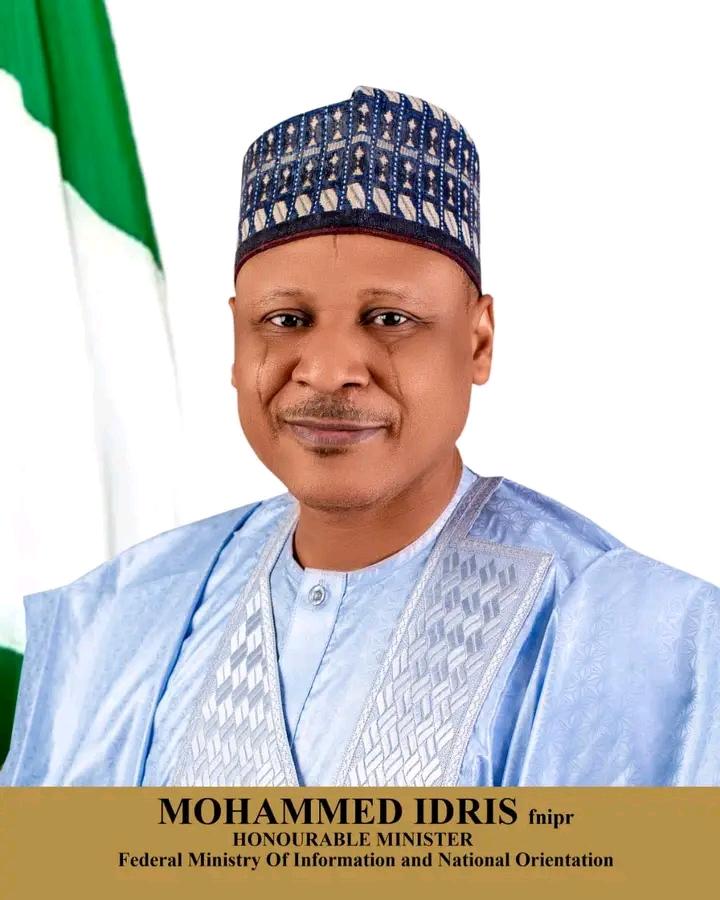
    Mohammed Idris, fnipr
    Honourable Minister of Information and National Orientation
    Federal Republic of Nigeria

    Tuesday, December 30, 2025.
    FG Reaffirms Unwavering Commitment to Rule of Law, Dismisses Fabricated Allegations of Targeting Opposition The Federal Government of Nigeria categorically states that it harbours no plans to unlawfully arrest, detain, or prosecute opposition figures. This clarification is in response to a fabricated document in circulation alleging the establishment of a non-existent multi-agency task force for a purported programme tagged “ADP4VIP” (Arrest, Detain, Prosecute for Very Important Persons). The baseless document falsely claims that a task force comprising the Economic and Financial Crimes Commission (EFCC), the Independent Corrupt Practices and Other Related Offences Commission (ICPC), and the Nigerian Financial Intelligence Unit (NFIU), coordinated by the Office of the National Security Adviser, aims to aggressively target prominent opposition figures without due process. The authors of this deliberate disinformation imprudently cite “multiple credible sources” to allege a planned “systematic weakening and neutralisation of opposition political activity,” particularly within the African Democratic Congress (ADC). The Federal Government wishes to state emphatically: 1. There is no such programme as “ADP4VIP.” 2. The administration of President Bola Ahmed Tinubu, GCFR, is firmly and successfully focused on its core agenda: implementing measurable economic reforms, defeating insecurity, expanding trade opportunities, and restoring investor confidence. 3. The attempt by some opposition elements to frame lawful accountability as political targeting is a dangerous red herring designed to shield so-called VIPs from answering to our national laws and anti-corruption agencies. The Government underscores its foundational principles. Section 40 of the 1999 Constitution (as amended) guarantees every Nigerian the right to freely associate and assemble. President Tinubu swore an oath to uphold this Constitution and its protections, including the freedoms of association and religion. He is a democrat with considerable and positive footprints. Under President Tinubu's leadership, the Federal Government remains unwavering in its commitment to the rule of law, due process, and the independence of institutions. Nigeria is a constitutional democracy where law enforcement and judicial agencies are obligated to perform their duties professionally, without interference, and in the nation's best interest. Politicians and citizens are therefore enjoined to desist from engaging in disinformation, misinformation, and fake news, especially in an era where credibility is intrinsically linked to informational fidelity. With the 2027 general elections on the horizon, the public should anticipate an increase in fabricated narratives and political blackmail by actors who employ falsehood as a strategy for relevance. We urge all Nigerians to remain vigilant and to reject the politics of distortion and division. Every Nigerian retains the constitutional right to lawful association and political activity. Concurrently, our security and anti-corruption institutions retain the lawful mandate to operate in the nation's interest. As we draw the curtain on 2025 and step into a new year, this government will not be distracted by those invested in perpetual politicking. Nigerians deserve continuity, progress, and tangible results—and that is what the Tinubu Administration remains dedicated to delivering. Mohammed Idris, fnipr Honourable Minister of Information and National Orientation Federal Republic of Nigeria Tuesday, December 30, 2025.
    0 Комментарии ·0 Поделились ·671 Просмотры
  • Deji Adeyanju Identifies Four Groups Unhappy About US Bombing Terrorists in Nigeria

    Human rights activist and lawyer Deji Adeyanju has identified four categories of people reportedly unhappy about the US airstrikes on ISIS-linked militants in Sokoto, Nigeria. In a Facebook post on December 28, 2025, Adeyanju listed the groups as: members of the Nigerian Army allegedly benefiting from insecurity, terrorists themselves, terrorist sympathizers, and politicians exploiting opposition politics. The US military action, carried out at Nigeria’s request, has sparked varied reactions across the country, with some praising the intervention while others express concern over its implications.
    Deji Adeyanju Identifies Four Groups Unhappy About US Bombing Terrorists in Nigeria Human rights activist and lawyer Deji Adeyanju has identified four categories of people reportedly unhappy about the US airstrikes on ISIS-linked militants in Sokoto, Nigeria. In a Facebook post on December 28, 2025, Adeyanju listed the groups as: members of the Nigerian Army allegedly benefiting from insecurity, terrorists themselves, terrorist sympathizers, and politicians exploiting opposition politics. The US military action, carried out at Nigeria’s request, has sparked varied reactions across the country, with some praising the intervention while others express concern over its implications.
    like
    1
    · 0 Комментарии ·0 Поделились ·429 Просмотры
Расширенные страницы
Fintter https://fintter.com