

• Reps To Organise Summit On Drug Abuse, Alcohol Misuse.

    Reps To Organise Summit On Drug Abuse, Alcohol Misuse

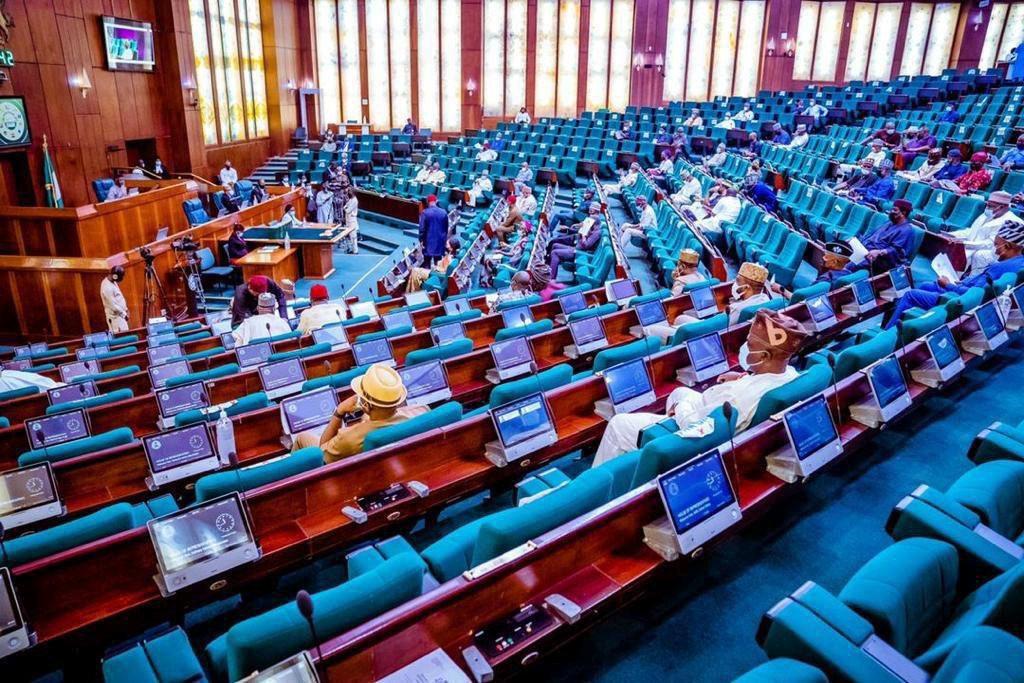
    The House of Representatives Ad-Hoc Committee investigating the rising cases of drug trafficking, alcohol, and substance abuse in Nigeria has announced plans to convene a multi-stakeholder conference in Lagos and Abuja to deliberate and gather public input on strategies to tackle the growing menace.

    He said the initiative was in response to mounting public concern over what he described as a “national emergency” that cuts across public health, youth safety, corporate accountability, and the integrity of Nigeria’s trade and regulatory systems.

    “Our mandate is clear. We are to investigate the conduct of companies operating within the drug, alcohol, and tobacco industries and ensure absolute compliance with Nigerian laws, regulations, and ethical obligations to the Nigerian people,” Adelegbe stated.

    According to him, the committee’s work will focus on key areas of national concern, including the increasing abuse of codeine-laced cough syrups, tramadol, and other controlled substances, as well as the unchecked production and sale of cheap spirit cocktails and illicit alcoholic beverages.

    The committee will also investigate the targeted marketing of alcohol and nicotine products to underage Nigerians, the circulation of fake and substandard drugs, corporate complicity, weak regulatory enforcement, and unethical market practices that endanger public health.

    Adelegbe emphasised that the committee’s work will prioritise human life and national interest above corporate profit, stressing that “The era of corporate recklessness, weak compliance, and regulatory compromise is over.”

    He listed the key laws and regulations guiding the investigation to include, “NAFDAC Act Cap N1 LFN 2004 – Product registration, safety, and standards; National Tobacco Control Act 2015 – Tobacco regulation and advertising; ARCON Act 2022 – Advertising standards and consumer protection; and FCCPC Act 2018 – Fair competition and consumer rights.”
    Reps To Organise Summit On Drug Abuse, Alcohol Misuse. Reps To Organise Summit On Drug Abuse, Alcohol Misuse The House of Representatives Ad-Hoc Committee investigating the rising cases of drug trafficking, alcohol, and substance abuse in Nigeria has announced plans to convene a multi-stakeholder conference in Lagos and Abuja to deliberate and gather public input on strategies to tackle the growing menace. He said the initiative was in response to mounting public concern over what he described as a “national emergency” that cuts across public health, youth safety, corporate accountability, and the integrity of Nigeria’s trade and regulatory systems. “Our mandate is clear. We are to investigate the conduct of companies operating within the drug, alcohol, and tobacco industries and ensure absolute compliance with Nigerian laws, regulations, and ethical obligations to the Nigerian people,” Adelegbe stated. According to him, the committee’s work will focus on key areas of national concern, including the increasing abuse of codeine-laced cough syrups, tramadol, and other controlled substances, as well as the unchecked production and sale of cheap spirit cocktails and illicit alcoholic beverages. The committee will also investigate the targeted marketing of alcohol and nicotine products to underage Nigerians, the circulation of fake and substandard drugs, corporate complicity, weak regulatory enforcement, and unethical market practices that endanger public health. Adelegbe emphasised that the committee’s work will prioritise human life and national interest above corporate profit, stressing that “The era of corporate recklessness, weak compliance, and regulatory compromise is over.” He listed the key laws and regulations guiding the investigation to include, “NAFDAC Act Cap N1 LFN 2004 – Product registration, safety, and standards; National Tobacco Control Act 2015 – Tobacco regulation and advertising; ARCON Act 2022 – Advertising standards and consumer protection; and FCCPC Act 2018 – Fair competition and consumer rights.”
    0 Комментарии ·0 Поделились ·378 Просмотры
  • Mixed reactions trail Nigerian government’s move to end sachet alcohol production.

    Since the idea of banning alcoholic drinks in sachets and small bottles in Nigeria was first mooted, certain Nigerians have not been comfortable with the idea.

    The idea was first mentioned in 2018 but due to the public outcry then, the Federal Ministry of Health, Federal Competition and Consumer Protection Commission, FCCPC, National Agency for Food and Drug Administration and Control, NAFDAC, and bodies like the Association of Food, Beverages and Tobacco Employers (AFBTE), came together and agreed to sign a five-year memorandum of understanding (MoU) to gradually phase out sachet and small-bottle alcoholic drinks.

    Ever since then, the government has shifted the implementation a couple of times.

    However, following the latest moves, reactions have continued to trail the idea.

    First, it was alleged that the manufacturers of these categories of drinks went into an intense lobby to ensure that the idea was buried but that didn’t happen as it kept coming on and on.

    What the manufacturers have been able to do was to have delayed the full implementation of the policy.

    However, last week, specifically on Tuesday, November 5, the Senate ordered NAFDAC not to extend the December 31 implementation deadline for the production of alcohol in sachets and small bottles.

    The resolution followed a motion of urgent national importance sponsored by Senator Asuquo Ekpenyong representing Cross River South at plenary session on Tuesday last week.

    Mixed reactions trail Nigerian government’s move to end sachet alcohol production. Since the idea of banning alcoholic drinks in sachets and small bottles in Nigeria was first mooted, certain Nigerians have not been comfortable with the idea. The idea was first mentioned in 2018 but due to the public outcry then, the Federal Ministry of Health, Federal Competition and Consumer Protection Commission, FCCPC, National Agency for Food and Drug Administration and Control, NAFDAC, and bodies like the Association of Food, Beverages and Tobacco Employers (AFBTE), came together and agreed to sign a five-year memorandum of understanding (MoU) to gradually phase out sachet and small-bottle alcoholic drinks. Ever since then, the government has shifted the implementation a couple of times. However, following the latest moves, reactions have continued to trail the idea. First, it was alleged that the manufacturers of these categories of drinks went into an intense lobby to ensure that the idea was buried but that didn’t happen as it kept coming on and on. What the manufacturers have been able to do was to have delayed the full implementation of the policy. However, last week, specifically on Tuesday, November 5, the Senate ordered NAFDAC not to extend the December 31 implementation deadline for the production of alcohol in sachets and small bottles. The resolution followed a motion of urgent national importance sponsored by Senator Asuquo Ekpenyong representing Cross River South at plenary session on Tuesday last week.
    0 Комментарии ·0 Поделились ·412 Просмотры
  • Senate Directs NAFDAC to Enforce Sachet Alcohol Ban Starting December 2025, Rejects Further Extensions.

    The Nigerian Senate has mandated the National Agency for Food and Drug Administration and Control (NAFDAC) and other regulatory agencies to begin strict enforcement of the ban on high-strength alcoholic beverages packaged in sachets from December 2025, with lawmakers explicitly ruling out any additional extensions beyond the existing moratorium.

    The directive came after the upper chamber adopted a motion sponsored by Senator Asuquo Ekpeyong, who highlighted the urgent need to end the phase-out of sachet-packaged alcohol without further delays.

    During plenary, Ekpeyong recounted how NAFDAC, aligning with global standards and following broad consultations with stakeholders, first announced a gradual ban on the importation, production, and sale of these products.

    In 2018, key players—including the Federal Ministry of Health, the Federal Competition and Consumer Protection Commission (FCCPC), NAFDAC, the Association of Food, Beverage & Tobacco Employers (AFBTE), and the Distillers and Blenders Association of Nigeria (DIBAN)—signed a five-year Memorandum of Understanding (MoU) to voluntarily eliminate the packaging format.

    The agreement was driven by growing concerns over the sachets’ low cost, easy portability, and appeal to vulnerable populations such as children, teenagers, commercial drivers, and low-income groups.

    Despite the original timeline, the Federal Government in 2024 granted manufacturers a one-year grace period to clear inventories and shift to alternative packaging, pushing the final deadline to December 2025.

    Ekpeyong, however, warned that some producers are now pressing for yet another postponement—a tactic he argued erodes regulatory credibility, endangers public health, and skews market competition.

    He pointed to mounting evidence linking sachet alcohol to youth addiction, traffic accidents, school attrition, domestic abuse, and broader societal problems.
    Senate Directs NAFDAC to Enforce Sachet Alcohol Ban Starting December 2025, Rejects Further Extensions. The Nigerian Senate has mandated the National Agency for Food and Drug Administration and Control (NAFDAC) and other regulatory agencies to begin strict enforcement of the ban on high-strength alcoholic beverages packaged in sachets from December 2025, with lawmakers explicitly ruling out any additional extensions beyond the existing moratorium. The directive came after the upper chamber adopted a motion sponsored by Senator Asuquo Ekpeyong, who highlighted the urgent need to end the phase-out of sachet-packaged alcohol without further delays. During plenary, Ekpeyong recounted how NAFDAC, aligning with global standards and following broad consultations with stakeholders, first announced a gradual ban on the importation, production, and sale of these products. In 2018, key players—including the Federal Ministry of Health, the Federal Competition and Consumer Protection Commission (FCCPC), NAFDAC, the Association of Food, Beverage & Tobacco Employers (AFBTE), and the Distillers and Blenders Association of Nigeria (DIBAN)—signed a five-year Memorandum of Understanding (MoU) to voluntarily eliminate the packaging format. The agreement was driven by growing concerns over the sachets’ low cost, easy portability, and appeal to vulnerable populations such as children, teenagers, commercial drivers, and low-income groups. Despite the original timeline, the Federal Government in 2024 granted manufacturers a one-year grace period to clear inventories and shift to alternative packaging, pushing the final deadline to December 2025. Ekpeyong, however, warned that some producers are now pressing for yet another postponement—a tactic he argued erodes regulatory credibility, endangers public health, and skews market competition. He pointed to mounting evidence linking sachet alcohol to youth addiction, traffic accidents, school attrition, domestic abuse, and broader societal problems.
    0 Комментарии ·0 Поделились ·458 Просмотры
  • FCCPC Unveils Rules To End Loan App Harassment, Impose ₦100m Sanctions
    By Nosakhale Akhimien | Updated September 3, 2025

    The Federal Competition and Consumer Protection Commission (FCCPC) has introduced new regulations to curb harassment, data breaches, and other unethical practices by digital lenders in Nigeria.

    Unveiled by FCCPC CEO Tunji Bello in Abuja, the Digital, Electronic, Online, or Non-Traditional Consumer Lending Regulations (DEON Consumer Lending Regulation) 2025—effective from July 21—mandate all digital lenders to register with the Commission within 90 days and comply with strict transparency and consumer protection standards.

    Key provisions include a ban on pre-authorised lending, unethical marketing, and automatic loan approvals, while requiring clear loan terms, data protection, and local ownership of at least one service provider for airtime and data lending.

    Non-compliant operators face fines of up to ₦100 million or 1% of turnover, with possible director disqualification for five years. The FCCPC also urged consumers to report unlawful or unregistered loan apps and exploitative practices.
    FCCPC Unveils Rules To End Loan App Harassment, Impose ₦100m Sanctions By Nosakhale Akhimien | Updated September 3, 2025 The Federal Competition and Consumer Protection Commission (FCCPC) has introduced new regulations to curb harassment, data breaches, and other unethical practices by digital lenders in Nigeria. Unveiled by FCCPC CEO Tunji Bello in Abuja, the Digital, Electronic, Online, or Non-Traditional Consumer Lending Regulations (DEON Consumer Lending Regulation) 2025—effective from July 21—mandate all digital lenders to register with the Commission within 90 days and comply with strict transparency and consumer protection standards. Key provisions include a ban on pre-authorised lending, unethical marketing, and automatic loan approvals, while requiring clear loan terms, data protection, and local ownership of at least one service provider for airtime and data lending. Non-compliant operators face fines of up to ₦100 million or 1% of turnover, with possible director disqualification for five years. The FCCPC also urged consumers to report unlawful or unregistered loan apps and exploitative practices.
    0 Комментарии ·0 Поделились ·895 Просмотры
  • Tinubu Nominates Ummusalma Rabiu & Louis Odion for Top FCCPC Roles — Senate Confirmation Awaited

    President Bola Ahmed Tinubu has nominated Ummusalma Isiyaku Rabiu as Executive Commissioner for Corporate Services and Louis Odion as Executive Commissioner, Operations at the Federal Competition and Consumer Protection Commission (FCCPC).

    The announcement was made by Bayo Onanuga, Special Adviser to the President on Information and Strategy, via his official Facebook page. Both appointments are subject to Senate confirmation in line with the FCCPC Act, 2018.

    Ummusalma Rabiu, 35, from Kano State, is the daughter of prominent businessman Isiyaku Rabiu and founder of the Usir Foundation, a non-profit dedicated to empowering disadvantaged communities through education, skills training, and humanitarian support. A Business Administration graduate, she is recognized for her advocacy for inclusive governance and youth and women’s political participation.

    Louis Odion, from Edo State, is a seasoned journalist and former Senior Technical Assistant on Media to Vice President Yemi Osinbajo. He also served as Edo State Commissioner for Information and holds Master’s degrees in Modern War Studies and International Law & Diplomacy. Known for his expertise in media strategy and policy communication, Odion brings a wealth of operational leadership experience to the FCCPC.

    These nominations reflect the administration’s push for youthful leadership, professional expertise, and inclusive governance in key regulatory bodies. Analysts believe the duo’s blend of innovation, experience, and civic engagement will strengthen the FCCPC’s mission to protect consumer rights, ensure fair competition, and uphold accountability.

    #Tinubu #FCCPC #UmmusalmaRabiu #LouisOdion #NigeriaPolitics #ConsumerRights #Leadership
    Tinubu Nominates Ummusalma Rabiu & Louis Odion for Top FCCPC Roles — Senate Confirmation Awaited President Bola Ahmed Tinubu has nominated Ummusalma Isiyaku Rabiu as Executive Commissioner for Corporate Services and Louis Odion as Executive Commissioner, Operations at the Federal Competition and Consumer Protection Commission (FCCPC). The announcement was made by Bayo Onanuga, Special Adviser to the President on Information and Strategy, via his official Facebook page. Both appointments are subject to Senate confirmation in line with the FCCPC Act, 2018. Ummusalma Rabiu, 35, from Kano State, is the daughter of prominent businessman Isiyaku Rabiu and founder of the Usir Foundation, a non-profit dedicated to empowering disadvantaged communities through education, skills training, and humanitarian support. A Business Administration graduate, she is recognized for her advocacy for inclusive governance and youth and women’s political participation. Louis Odion, from Edo State, is a seasoned journalist and former Senior Technical Assistant on Media to Vice President Yemi Osinbajo. He also served as Edo State Commissioner for Information and holds Master’s degrees in Modern War Studies and International Law & Diplomacy. Known for his expertise in media strategy and policy communication, Odion brings a wealth of operational leadership experience to the FCCPC. These nominations reflect the administration’s push for youthful leadership, professional expertise, and inclusive governance in key regulatory bodies. Analysts believe the duo’s blend of innovation, experience, and civic engagement will strengthen the FCCPC’s mission to protect consumer rights, ensure fair competition, and uphold accountability. #Tinubu #FCCPC #UmmusalmaRabiu #LouisOdion #NigeriaPolitics #ConsumerRights #Leadership
    0 Комментарии ·0 Поделились ·3Кб Просмотры
  • SAN Drags Overland Airways to FCCPC Over 'Exploitative' Airfare Hike!

    Renowned Senior Advocate of Nigeria, AbdulHakeem Uthman Mustapha, has petitioned the Federal Competition and Consumer Protection Commission (FCCPC) over what he described as unjust airfare exploitation by domestic carrier, Overland Airways.

    The petition, dated August 4, 2025, and addressed to FCCPC Chief Tunji Bello, was sighted by DAILY POST on Tuesday. Mustapha is urging the commission to probe the alleged sharp practices and take necessary action to protect consumers from unfair pricing in Nigeria’s aviation sector.

    #OverlandAirways #FCCPC #ConsumerRights #AirfareHike #SANAbdulHakeemMustapha #TunjiBello #AviationWatch #NigerianTravel

    SAN Drags Overland Airways to FCCPC Over 'Exploitative' Airfare Hike! Renowned Senior Advocate of Nigeria, AbdulHakeem Uthman Mustapha, has petitioned the Federal Competition and Consumer Protection Commission (FCCPC) over what he described as unjust airfare exploitation by domestic carrier, Overland Airways. The petition, dated August 4, 2025, and addressed to FCCPC Chief Tunji Bello, was sighted by DAILY POST on Tuesday. Mustapha is urging the commission to probe the alleged sharp practices and take necessary action to protect consumers from unfair pricing in Nigeria’s aviation sector. #OverlandAirways #FCCPC #ConsumerRights #AirfareHike #SANAbdulHakeemMustapha #TunjiBello #AviationWatch #NigerianTravel
    0 Комментарии ·0 Поделились ·2Кб Просмотры
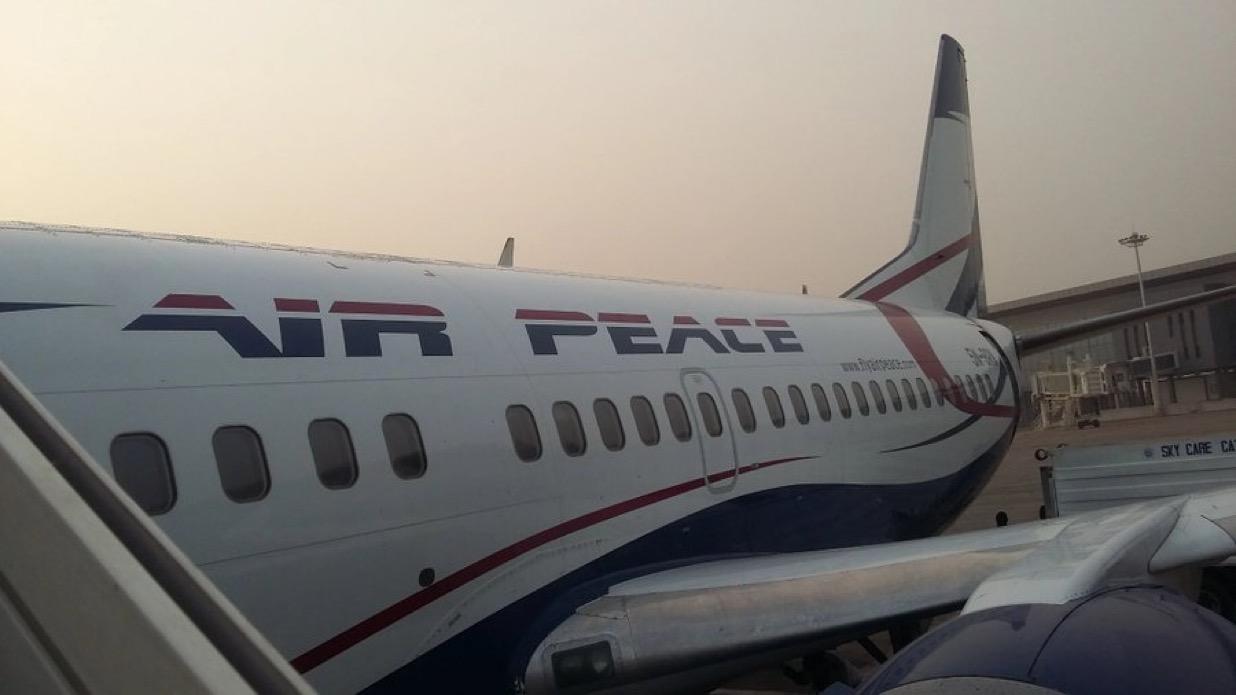
  • FCCPC summons Air Peace over 'non-refunds' for cancelled flights
    FCCPC summons Air Peace over 'non-refunds' for cancelled flights
    Haha
    1
    · 1 Комментарии ·0 Поделились ·398 Просмотры
  • “MTN Nigeria’s CEO and others face court over alleged obstruction of FCCPC investigation, highlighting accountability in corporate governance.”
    — According to Nigeria Stories
    “MTN Nigeria’s CEO and others face court over alleged obstruction of FCCPC investigation, highlighting accountability in corporate governance.” — According to Nigeria Stories
    0 Комментарии ·0 Поделились ·437 Просмотры
Fintter https://fintter.com