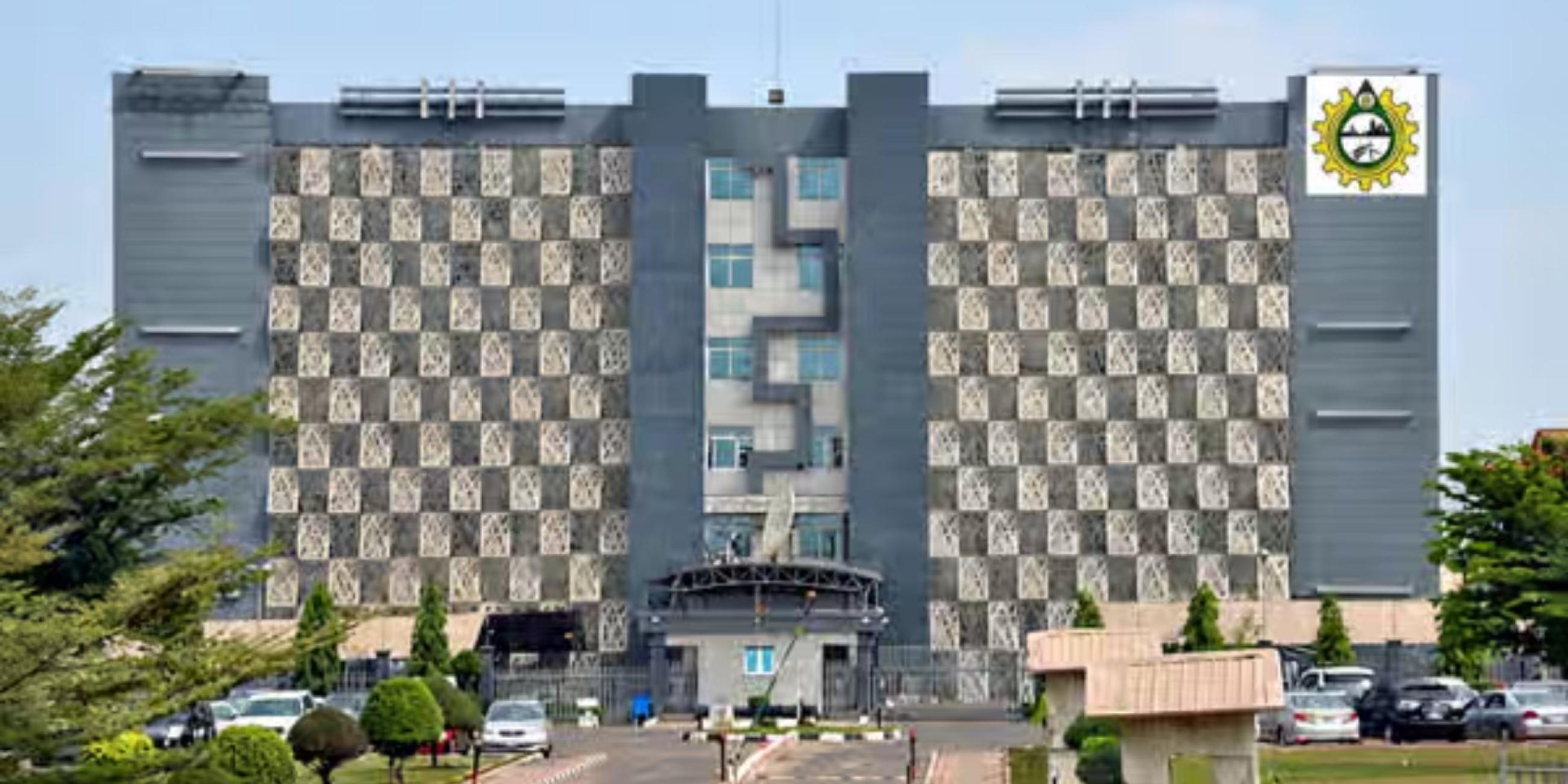
• Dangote Group to Expand Lekki Refinery to 1.4 Million Barrels Per Day…….


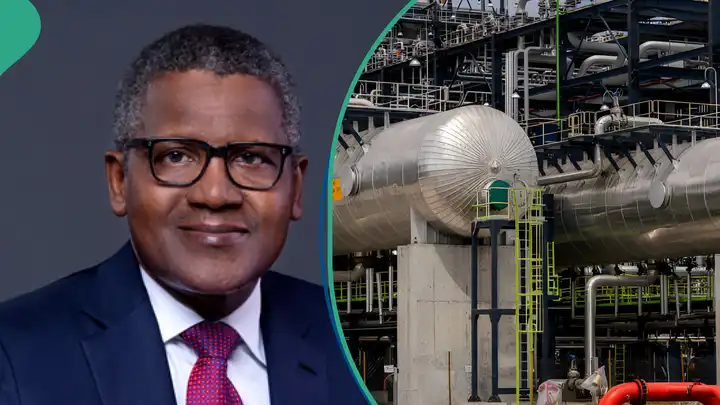
    In a major boost for Nigeria’s energy sector, Dangote Group has secured a multi-million-dollar contract to expand the capacity of the Dangote Refinery in Lekki to an impressive 1.4 million barrels per day. According to the refinery, the expansion will solidify its position as a “global heavyweight,” transforming the complex into a multi-train facility of unmatched scale. The move is seen as a giant leap toward national fuel independence, reduced imports and stronger economic growth. Stakeholders say the project could significantly lower fuel costs and strengthen Nigeria’s export potential.
    #fintternews
    Dangote Group to Expand Lekki Refinery to 1.4 Million Barrels Per Day……. In a major boost for Nigeria’s energy sector, Dangote Group has secured a multi-million-dollar contract to expand the capacity of the Dangote Refinery in Lekki to an impressive 1.4 million barrels per day. According to the refinery, the expansion will solidify its position as a “global heavyweight,” transforming the complex into a multi-train facility of unmatched scale. The move is seen as a giant leap toward national fuel independence, reduced imports and stronger economic growth. Stakeholders say the project could significantly lower fuel costs and strengthen Nigeria’s export potential. #fintternews
    love
    1
    · 0 Kommentare ·0 Geteilt ·2KB Ansichten
  • Dangote Signs $350m Deal With Indian Firm EIL to Expand Lagos Refinery

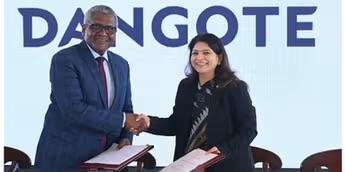
    Dangote Group has signed a $350 million agreement with Indian engineering firm Engineers India Ltd (EIL) to expand its flagship refinery and petrochemicals complex in Lagos, a move expected to significantly boost Nigeria’s industrial capacity and reduce Africa’s dependence on imported refined fuels.

    The expansion project will increase the refinery’s processing capacity from 650,000 barrels per day to 1.4 million barrels per day, positioning it as one of the largest single-location refinery complexes in the world.

    Located in the Lekki Free Zone, the Dangote Refinery represents a major milestone in Nigeria’s transition from fuel importation to local production and export of refined petroleum products.

    As part of the deal, Dangote Group will also expand its petrochemical operations, with polypropylene production set to rise to 2.4 million tonnes per annum, strengthening Nigeria’s position in the global petrochemical market.

    #DangoteRefinery #NigeriaEconomy #IndustrialGrowth #EnergySector
    Dangote Signs $350m Deal With Indian Firm EIL to Expand Lagos Refinery Dangote Group has signed a $350 million agreement with Indian engineering firm Engineers India Ltd (EIL) to expand its flagship refinery and petrochemicals complex in Lagos, a move expected to significantly boost Nigeria’s industrial capacity and reduce Africa’s dependence on imported refined fuels. The expansion project will increase the refinery’s processing capacity from 650,000 barrels per day to 1.4 million barrels per day, positioning it as one of the largest single-location refinery complexes in the world. Located in the Lekki Free Zone, the Dangote Refinery represents a major milestone in Nigeria’s transition from fuel importation to local production and export of refined petroleum products. As part of the deal, Dangote Group will also expand its petrochemical operations, with polypropylene production set to rise to 2.4 million tonnes per annum, strengthening Nigeria’s position in the global petrochemical market. #DangoteRefinery #NigeriaEconomy #IndustrialGrowth #EnergySector
    love
    1
    · 0 Kommentare ·0 Geteilt ·2KB Ansichten
  • EFCC Launches Investigation Into Ex-NMDPRA Boss Farouk Ahmed Over Alleged $7M School Fund Misuse

    Nigeria’s EFCC has begun probing former NMDPRA MD Farouk Ahmed following a petition by Aliko Dangote alleging misuse of public funds to pay $7 million for his children’s education in Switzerland. The anti-graft agency confirmed it is writing to institutions mentioned in the petition, including the Swiss school, before inviting Ahmed. The investigation follows Dangote’s withdrawal of a previous complaint to ICPC, with EFCC emphasizing standard procedures of verifying claims locally and internationally before confronting the accused.

    #EFCCProbe #FaroukAhmed #DangotePetition
    EFCC Launches Investigation Into Ex-NMDPRA Boss Farouk Ahmed Over Alleged $7M School Fund Misuse Nigeria’s EFCC has begun probing former NMDPRA MD Farouk Ahmed following a petition by Aliko Dangote alleging misuse of public funds to pay $7 million for his children’s education in Switzerland. The anti-graft agency confirmed it is writing to institutions mentioned in the petition, including the Swiss school, before inviting Ahmed. The investigation follows Dangote’s withdrawal of a previous complaint to ICPC, with EFCC emphasizing standard procedures of verifying claims locally and internationally before confronting the accused. #EFCCProbe #FaroukAhmed #DangotePetition
    love
    3
    · 0 Kommentare ·0 Geteilt ·2KB Ansichten
  • Dangote Refinery shakes up Nigeria's fuel market, selling petrol N44 cheaper and has promised
    Dangote Refinery shakes up Nigeria's fuel market, selling petrol N44 cheaper and has promised
    love
    1
    · 1 Kommentare ·0 Geteilt ·604 Ansichten
  • Dem Don Finish Us!’ Bauchi Traders Cry After Katagum Council Demolishes Shops for ‘Gas Station’ Project

    Traders for Azare, Bauchi State don dey lament as dozens of shops for Old Trailer Park along Maiduguri Road were demolished, leaving business owners with heavy losses estimated at ₦100 million.

    The Katagum LG Chairman, Yusuf Babayo Zaki, allegedly led the exercise, with police, to clear land for a CNG/gas station, possibly linked to Dangote Group. Residents dey fear safety risks as the site dey near universities, student hostels, and dense communities, warning that any fire go scatter people and property.

    Shop owners tried resist, but security dey heavy. People dey call am government failure and conflict of interest, especially as the chairman is said to be related to Bauchi Governor Bala Mohammed.

    Dem Don Finish Us!’ Bauchi Traders Cry After Katagum Council Demolishes Shops for ‘Gas Station’ Project Traders for Azare, Bauchi State don dey lament as dozens of shops for Old Trailer Park along Maiduguri Road were demolished, leaving business owners with heavy losses estimated at ₦100 million. The Katagum LG Chairman, Yusuf Babayo Zaki, allegedly led the exercise, with police, to clear land for a CNG/gas station, possibly linked to Dangote Group. Residents dey fear safety risks as the site dey near universities, student hostels, and dense communities, warning that any fire go scatter people and property. Shop owners tried resist, but security dey heavy. People dey call am government failure and conflict of interest, especially as the chairman is said to be related to Bauchi Governor Bala Mohammed.
    0 Kommentare ·0 Geteilt ·1KB Ansichten
  • What Will 2026 Really Bring for Nigeria and the World? Azu Ishiekwene Predicts Power Shifts, Economic Strain, AI Disruption, 2027 Politics and Who Wins the World Cup

    Is 2026 a year of quiet recovery—or the beginning of deeper political, economic and global turbulence? And is Nigeria already slipping into the politics of 2027?

    In what he describes as possibly his final annual forecast, journalist and columnist Azu Ishiekwene delivers a sweeping, high-stakes outlook on Nigeria and the world, blending political prediction, economic analysis, technology trends and global power shifts. Known for earlier forecasts that accurately anticipated election outcomes and cabinet shake-ups, Ishiekwene argues that 2026 will be a year where politics collides head-on with harsh economic realities, leaving citizens caught between daily hardship and recycled political promises.

    He warns that Nigeria’s economy will remain under pressure, with tensions growing between tight monetary policy and rising demands for fiscal expansion in a pre-election year. Could divisions inside the Ministry of Finance undermine investor confidence? And will petrol prices remain stable around ₦850 per litre, as he suggests, only if oil output rises and NNPC escapes its heavy crude obligations?

    While cheaper fuel from the Dangote Refinery may offer temporary consumer relief, Ishiekwene predicts continued instability in electricity supply, pointing to a fragile transmission system that still requires massive investment. He also foresees President Bola Tinubu possibly unveiling private-sector-led reforms in power transmission involving major business players.

    But is Nigeria already entering the politics of 2027 in 2026?

    Ishiekwene argues that although early elections are unlikely, political realignments are accelerating. With multiple opposition governors defecting to the ruling APC, claims of a creeping one-party state are growing. Yet, he suggests the reality is more complex: a weakened opposition plagued by internal fractures, financial constraints and a lack of coherent alternatives.

    Turning to the emerging African Democratic Congress (ADC) coalition—uniting figures such as Atiku Abubakar, Peter Obi, Nasir El-Rufai, Rotimi Amaechi and Rabiu Kwankwaso—he raises a critical question: is ADC truly built to win in 2027, or merely to survive until 2031? He predicts Atiku will clinch the party’s ticket over Obi, with Obi likely offered the vice-presidential slot—potentially triggering backlash among “Obidients.” With limited grassroots reach and the enormous financial demands of a presidential campaign, Ishiekwene concludes that ADC may struggle to pose a serious challenge to the ruling party in the next election cycle.

    Beyond Nigeria, he paints 2026 as a year shaped by geopolitical rivalry, especially between Donald Trump’s America and Xi Jinping’s China, and by growing global unease over U.S. trade policies, immigration enforcement and economic nationalism. Could gold and non-dollar assets accelerate as the world quietly prepares for a less dollar-centric future?

    He also highlights the rapid evolution of artificial intelligence, warning that 2026 will mark a shift from basic generative AI to agentic, autonomous systems capable of independent action. As AI blurs the line between reality and fabrication, he predicts rising confusion, misinformation, and ethical challenges—ushering in what he calls the “Year of the Humanoid.”

    Even football is not spared his forecasting. With the 2026 FIFA World Cup approaching, Ishiekwene tips Spain to win, citing tactical depth and cohesion, while acknowledging Morocco as Africa’s strongest hope.

    Ultimately, the essay asks uncomfortable but urgent questions:
    Is Nigeria drifting toward political dominance by one party?
    Will economic reforms truly ease citizens’ burdens—or merely reshuffle the pressure?
    Can a fractured opposition reorganise in time?
    And in a world increasingly shaped by AI and geopolitical rivalry, where does Nigeria truly stand?

    For Ishiekwene, 2026 is not just another year—it is a crossroads where technology, politics, power and survival intersect, setting the tone for Nigeria’s future well beyond the next election.


    What Will 2026 Really Bring for Nigeria and the World? Azu Ishiekwene Predicts Power Shifts, Economic Strain, AI Disruption, 2027 Politics and Who Wins the World Cup Is 2026 a year of quiet recovery—or the beginning of deeper political, economic and global turbulence? And is Nigeria already slipping into the politics of 2027? In what he describes as possibly his final annual forecast, journalist and columnist Azu Ishiekwene delivers a sweeping, high-stakes outlook on Nigeria and the world, blending political prediction, economic analysis, technology trends and global power shifts. Known for earlier forecasts that accurately anticipated election outcomes and cabinet shake-ups, Ishiekwene argues that 2026 will be a year where politics collides head-on with harsh economic realities, leaving citizens caught between daily hardship and recycled political promises. He warns that Nigeria’s economy will remain under pressure, with tensions growing between tight monetary policy and rising demands for fiscal expansion in a pre-election year. Could divisions inside the Ministry of Finance undermine investor confidence? And will petrol prices remain stable around ₦850 per litre, as he suggests, only if oil output rises and NNPC escapes its heavy crude obligations? While cheaper fuel from the Dangote Refinery may offer temporary consumer relief, Ishiekwene predicts continued instability in electricity supply, pointing to a fragile transmission system that still requires massive investment. He also foresees President Bola Tinubu possibly unveiling private-sector-led reforms in power transmission involving major business players. But is Nigeria already entering the politics of 2027 in 2026? Ishiekwene argues that although early elections are unlikely, political realignments are accelerating. With multiple opposition governors defecting to the ruling APC, claims of a creeping one-party state are growing. Yet, he suggests the reality is more complex: a weakened opposition plagued by internal fractures, financial constraints and a lack of coherent alternatives. Turning to the emerging African Democratic Congress (ADC) coalition—uniting figures such as Atiku Abubakar, Peter Obi, Nasir El-Rufai, Rotimi Amaechi and Rabiu Kwankwaso—he raises a critical question: is ADC truly built to win in 2027, or merely to survive until 2031? He predicts Atiku will clinch the party’s ticket over Obi, with Obi likely offered the vice-presidential slot—potentially triggering backlash among “Obidients.” With limited grassroots reach and the enormous financial demands of a presidential campaign, Ishiekwene concludes that ADC may struggle to pose a serious challenge to the ruling party in the next election cycle. Beyond Nigeria, he paints 2026 as a year shaped by geopolitical rivalry, especially between Donald Trump’s America and Xi Jinping’s China, and by growing global unease over U.S. trade policies, immigration enforcement and economic nationalism. Could gold and non-dollar assets accelerate as the world quietly prepares for a less dollar-centric future? He also highlights the rapid evolution of artificial intelligence, warning that 2026 will mark a shift from basic generative AI to agentic, autonomous systems capable of independent action. As AI blurs the line between reality and fabrication, he predicts rising confusion, misinformation, and ethical challenges—ushering in what he calls the “Year of the Humanoid.” Even football is not spared his forecasting. With the 2026 FIFA World Cup approaching, Ishiekwene tips Spain to win, citing tactical depth and cohesion, while acknowledging Morocco as Africa’s strongest hope. Ultimately, the essay asks uncomfortable but urgent questions: Is Nigeria drifting toward political dominance by one party? Will economic reforms truly ease citizens’ burdens—or merely reshuffle the pressure? Can a fractured opposition reorganise in time? And in a world increasingly shaped by AI and geopolitical rivalry, where does Nigeria truly stand? For Ishiekwene, 2026 is not just another year—it is a crossroads where technology, politics, power and survival intersect, setting the tone for Nigeria’s future well beyond the next election.
    love
    1
    · 0 Kommentare ·0 Geteilt ·5KB Ansichten
  • ICPC Rejects Dangote’s Petition Withdrawal, Continues Probe of Ex-NMDPRA Chief Farouk Ahmed

    The Independent Corrupt Practices and Other Related Offences Commission (ICPC) has confirmed that it will continue investigating allegations of corruption against Engineer Farouk Ahmed, the former Chief Executive Officer of the Nigerian Midstream and Downstream Petroleum Regulatory Authority (NMDPRA), despite the withdrawal of a petition by Africa’s richest man, Aliko Dangote.

    Dangote initially filed the petition in December 2025, accusing Ahmed of corruption, including the alleged misappropriation of public funds and spending approximately $5 million on his children’s education in Switzerland, despite lacking a verifiable lawful income to support such expenditure. The allegations sparked nationwide outrage and intensified scrutiny of Nigeria’s downstream petroleum sector.

    On January 5, 2026, Dangote’s legal team, led by Dr. O.J. Onoja, SAN, formally withdrew the petition, citing that another law enforcement agency had assumed responsibility for investigating the matter. However, the ICPC rejected the withdrawal, emphasizing that once a petition alleging corruption is received and an investigation commences, the process cannot be terminated at the discretion of the petitioner—particularly in cases of public interest and alleged abuse of office.

    In a press statement, ICPC spokesperson Okor Odey stressed that the commission’s investigation would proceed in line with its statutory mandate to ensure transparency, accountability, and the fight against corruption in Nigeria. The ICPC also highlighted that the inquiry serves the interest of the Nigerian people and cannot be halted simply because the petitioner withdraws.

    Following the accusations, Farouk Ahmed resigned from his position as NMDPRA Chief Executive, and President Bola Ahmed Tinubu appointed a successor. ICPC had earlier summoned Dangote to appear before a special panel of investigators in Abuja regarding his petition. Dangote had publicly criticized Ahmed’s alleged spending during a media briefing on December 14, 2025, highlighting the contrast between such expenditure and the economic struggles of ordinary Nigerians amid inflation and rising fuel prices.

    The ICPC’s decision to continue its probe underscores the agency’s commitment to holding public officials accountable, regardless of a petitioner’s withdrawal, and signals a robust approach to anti-corruption enforcement in Nigeria.

    ICPC Rejects Dangote’s Petition Withdrawal, Continues Probe of Ex-NMDPRA Chief Farouk Ahmed The Independent Corrupt Practices and Other Related Offences Commission (ICPC) has confirmed that it will continue investigating allegations of corruption against Engineer Farouk Ahmed, the former Chief Executive Officer of the Nigerian Midstream and Downstream Petroleum Regulatory Authority (NMDPRA), despite the withdrawal of a petition by Africa’s richest man, Aliko Dangote. Dangote initially filed the petition in December 2025, accusing Ahmed of corruption, including the alleged misappropriation of public funds and spending approximately $5 million on his children’s education in Switzerland, despite lacking a verifiable lawful income to support such expenditure. The allegations sparked nationwide outrage and intensified scrutiny of Nigeria’s downstream petroleum sector. On January 5, 2026, Dangote’s legal team, led by Dr. O.J. Onoja, SAN, formally withdrew the petition, citing that another law enforcement agency had assumed responsibility for investigating the matter. However, the ICPC rejected the withdrawal, emphasizing that once a petition alleging corruption is received and an investigation commences, the process cannot be terminated at the discretion of the petitioner—particularly in cases of public interest and alleged abuse of office. In a press statement, ICPC spokesperson Okor Odey stressed that the commission’s investigation would proceed in line with its statutory mandate to ensure transparency, accountability, and the fight against corruption in Nigeria. The ICPC also highlighted that the inquiry serves the interest of the Nigerian people and cannot be halted simply because the petitioner withdraws. Following the accusations, Farouk Ahmed resigned from his position as NMDPRA Chief Executive, and President Bola Ahmed Tinubu appointed a successor. ICPC had earlier summoned Dangote to appear before a special panel of investigators in Abuja regarding his petition. Dangote had publicly criticized Ahmed’s alleged spending during a media briefing on December 14, 2025, highlighting the contrast between such expenditure and the economic struggles of ordinary Nigerians amid inflation and rising fuel prices. The ICPC’s decision to continue its probe underscores the agency’s commitment to holding public officials accountable, regardless of a petitioner’s withdrawal, and signals a robust approach to anti-corruption enforcement in Nigeria.
    0 Kommentare ·0 Geteilt ·1KB Ansichten
  • Dangote Refinery Temporarily Offline for Maintenance, Eyes 700,000 bpd Output in 2026 to Boost Nigeria’s Fuel Self-Sufficiency

    Dangote Petroleum Refinery has commenced planned maintenance on its core petrol-producing units, temporarily pausing full crude processing. The move targets increased operational stability and a ramp-up in crude distillation capacity from 650,000 to 700,000 barrels per day (bpd) by early 2026, solidifying the refinery’s status as the world’s largest single-train facility.

    The maintenance includes taking the residue fluid catalytic cracker (RFCC) and crude distillation unit (CDU) offline, while secondary units such as the hydrocracker and reformer continue limited production of diesel, aviation fuel, and petrol. Since starting operations, the refinery has cut Nigeria’s petrol imports by over 60%, easing foreign exchange pressure and reducing reliance on global supply.

    The upgrade is seen as a strategic de-bottlenecking effort, aimed at enhancing long-term refining efficiency and regional market influence. Analysts note that successful capacity ramp-up will reinforce Nigeria’s role as Africa’s refining hub and further reduce dependence on imported fuel, while ensuring adequate supply during the maintenance period.
    Dangote Refinery Temporarily Offline for Maintenance, Eyes 700,000 bpd Output in 2026 to Boost Nigeria’s Fuel Self-Sufficiency Dangote Petroleum Refinery has commenced planned maintenance on its core petrol-producing units, temporarily pausing full crude processing. The move targets increased operational stability and a ramp-up in crude distillation capacity from 650,000 to 700,000 barrels per day (bpd) by early 2026, solidifying the refinery’s status as the world’s largest single-train facility. The maintenance includes taking the residue fluid catalytic cracker (RFCC) and crude distillation unit (CDU) offline, while secondary units such as the hydrocracker and reformer continue limited production of diesel, aviation fuel, and petrol. Since starting operations, the refinery has cut Nigeria’s petrol imports by over 60%, easing foreign exchange pressure and reducing reliance on global supply. The upgrade is seen as a strategic de-bottlenecking effort, aimed at enhancing long-term refining efficiency and regional market influence. Analysts note that successful capacity ramp-up will reinforce Nigeria’s role as Africa’s refining hub and further reduce dependence on imported fuel, while ensuring adequate supply during the maintenance period.
    love
    1
    · 0 Kommentare ·0 Geteilt ·1KB Ansichten
  • BBNaija's Phyna rants: "Anthony Joshua was flown out immediately, but Dangote kept my sister for 21 days saying she needed a certificate to fly"
    BBNaija's Phyna rants: "Anthony Joshua was flown out immediately, but Dangote kept my sister for 21 days saying she needed a certificate to fly"
    like
    1
    · 0 Kommentare ·0 Geteilt ·1KB Ansichten
  • LPG Marketers Accuse Dangote Refinery of Blocking Gas Loading for Over One Month After Full Payment, Allege Product Diversion, Preferential Pricing and Financial Losses

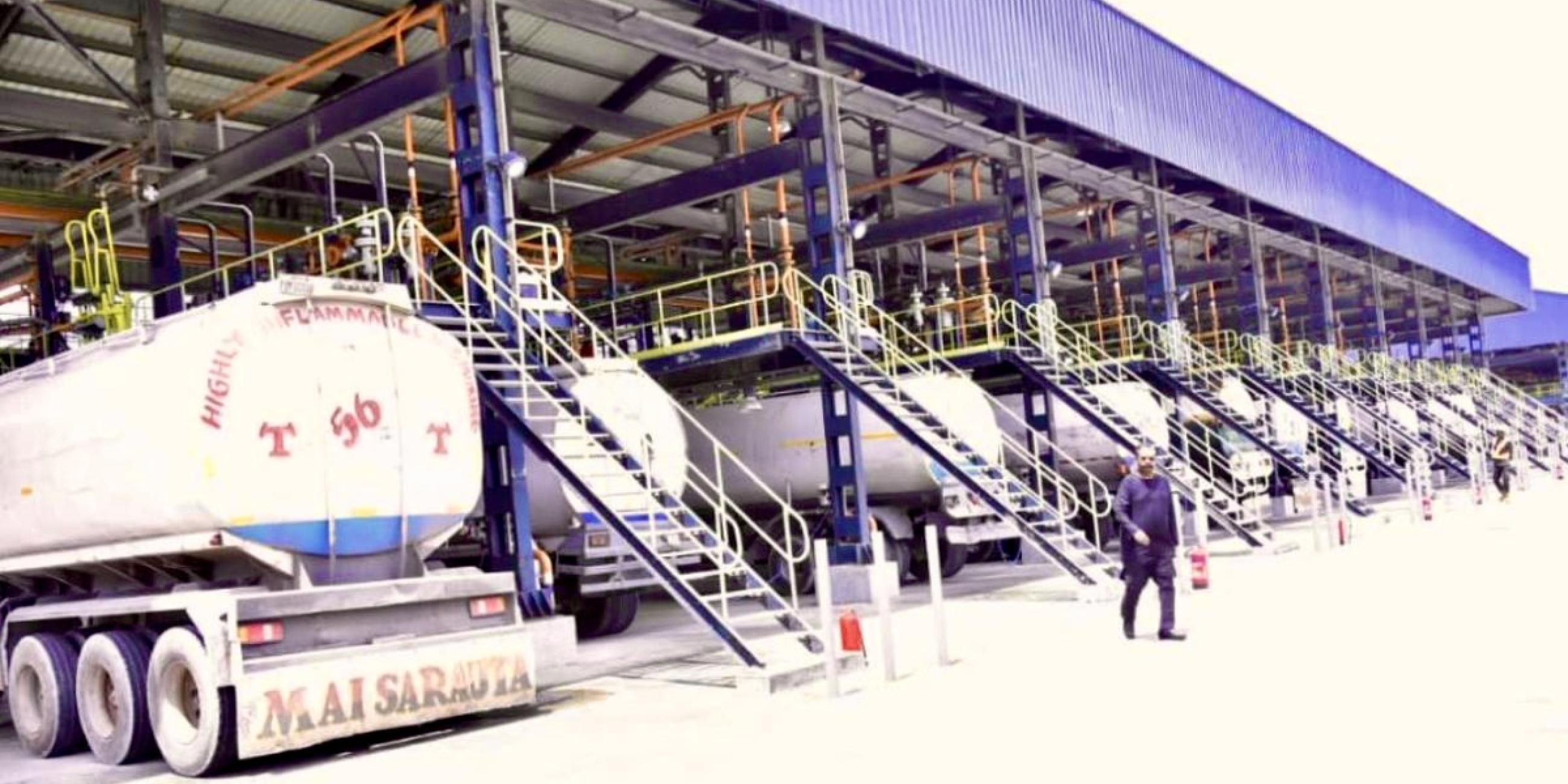
    Some Liquefied Petroleum Gas (LPG) marketers have accused the Dangote Refinery of deliberately frustrating their operations by preventing them from loading LPG products more than a month after full payment was made. The aggrieved marketers told SaharaReporters that despite settling proforma invoices and meeting all financial obligations, access to the Dangote gantry has remained blocked, leaving many traders in severe financial distress. Several marketers said they borrowed heavily from banks to fund their allocations and are now burdened with high interest costs due to prolonged delays.

    The marketers further alleged that LPG already paid for is being diverted by the refinery for the production of polypropylene, while independent traders are sidelined. They also criticised what they described as an inefficient and opaque loading system, claiming FAN tickets take weeks to process and that traders are restricted to loading only one truck every two weeks, often requiring insider connections. Additional complaints include alleged preferential pricing for consortium members, uncompetitive margins for independent marketers, the sale of Aviation Turbine Kerosene (ATK) in US dollars, and pricing structures that make profitability nearly impossible for traders relying on bank loans.

    Responding to the allegations, Dangote Group’s Chief Communications Officer, Tony Chiejina, dismissed the criticisms, stating that the refinery’s impact would become clearer over time and highlighting Nigeria’s improved fuel availability during festive periods. He also hinted at what he described as an impending “big revolution” in LPG, urging critics to be patient as the refinery’s long-term benefits unfold.
    LPG Marketers Accuse Dangote Refinery of Blocking Gas Loading for Over One Month After Full Payment, Allege Product Diversion, Preferential Pricing and Financial Losses Some Liquefied Petroleum Gas (LPG) marketers have accused the Dangote Refinery of deliberately frustrating their operations by preventing them from loading LPG products more than a month after full payment was made. The aggrieved marketers told SaharaReporters that despite settling proforma invoices and meeting all financial obligations, access to the Dangote gantry has remained blocked, leaving many traders in severe financial distress. Several marketers said they borrowed heavily from banks to fund their allocations and are now burdened with high interest costs due to prolonged delays. The marketers further alleged that LPG already paid for is being diverted by the refinery for the production of polypropylene, while independent traders are sidelined. They also criticised what they described as an inefficient and opaque loading system, claiming FAN tickets take weeks to process and that traders are restricted to loading only one truck every two weeks, often requiring insider connections. Additional complaints include alleged preferential pricing for consortium members, uncompetitive margins for independent marketers, the sale of Aviation Turbine Kerosene (ATK) in US dollars, and pricing structures that make profitability nearly impossible for traders relying on bank loans. Responding to the allegations, Dangote Group’s Chief Communications Officer, Tony Chiejina, dismissed the criticisms, stating that the refinery’s impact would become clearer over time and highlighting Nigeria’s improved fuel availability during festive periods. He also hinted at what he described as an impending “big revolution” in LPG, urging critics to be patient as the refinery’s long-term benefits unfold.
    0 Kommentare ·0 Geteilt ·1KB Ansichten
  • Power Players Unveiled: Full List of 22 Nigerian Stocks Now Worth Over N1 Trillion, BUA Foods Leads Market Capitalisation

    The Nigerian Exchange (NGX) has seen 22 listed companies surpass the N1 trillion market capitalisation mark, collectively accounting for N80.024 trillion—nearly 88% of the total market value. BUA Foods tops the list at N12.465 trillion, followed by MTN Nigeria, Dangote Cement, Airtel Africa, and BUA Cement. The group spans sectors including consumer goods, telecommunications, banking, energy, agribusiness, and hospitality. Analysts warn that this heavy market concentration underscores the need for more listings to improve liquidity, diversify investor options, and align the equity market with Nigeria’s economic size. The power of these 22 stocks now shapes investor confidence, capital flows, and overall market dynamics in Nigeria.
    Power Players Unveiled: Full List of 22 Nigerian Stocks Now Worth Over N1 Trillion, BUA Foods Leads Market Capitalisation The Nigerian Exchange (NGX) has seen 22 listed companies surpass the N1 trillion market capitalisation mark, collectively accounting for N80.024 trillion—nearly 88% of the total market value. BUA Foods tops the list at N12.465 trillion, followed by MTN Nigeria, Dangote Cement, Airtel Africa, and BUA Cement. The group spans sectors including consumer goods, telecommunications, banking, energy, agribusiness, and hospitality. Analysts warn that this heavy market concentration underscores the need for more listings to improve liquidity, diversify investor options, and align the equity market with Nigeria’s economic size. The power of these 22 stocks now shapes investor confidence, capital flows, and overall market dynamics in Nigeria.
    0 Kommentare ·0 Geteilt ·674 Ansichten
  • BREAKING: On Wednesday, 24 Dec 2025, a violent clash erupted between two notorious armed group leaders in the Batsari axis: Namurjiya, younger brother of the late Sani Dangote and Lamo, deep inside forested areas bordering Katsina and Zamfara states.

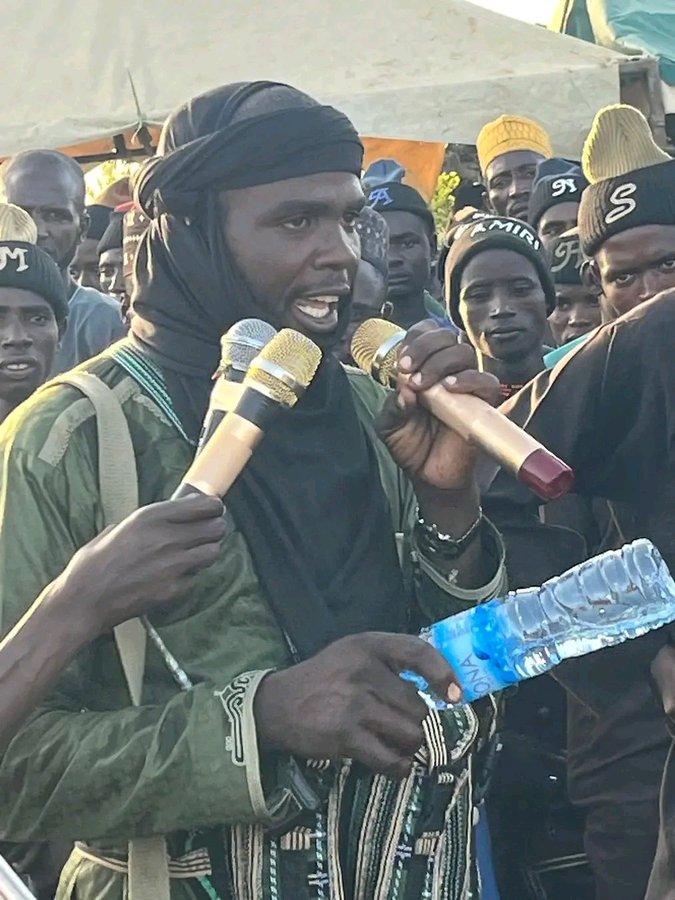
    The fighting reportedly stemmed from a killing carried out by Namurjiya two weeks ago. He allegedly murdered Abdulrahman, Lamo’s younger brother, at Shingi Tsohuwa in Ruma ward of Batsari LGA, Katsina State. Namurjiya had also been accused of repeatedly rustling cattle belonging to Fulani communities who had earlier accepted local peace agreements in Batsari and Jibia LGAs of Katsina State.

    Residents say the confrontation began after Isha (night) prayers and lasted for hours, with heavy gunfire spreading fear across nearby villages. Casualties included civilians, among them women and children. Lamo’s faction reportedly seized weapons and motorcycles, while Namurjiya fled amid conflicting reports some claim he was killed, others say he escaped wounded. Inter-factional clashes among armed groups remain frequent in the region, echoing past deadly feuds such as the Gwaska Danƙarami–Sani Dangote conflict.

    With repeated breakdowns of local peace accords, rival armed leaders settling scores in forests, and civilians paying the heaviest price, what realistic options remain for ending the cycle of retaliation in northwest Nigeria — tougher military action, renewed dialogue, or a completely different security approach?
    BREAKING: On Wednesday, 24 Dec 2025, a violent clash erupted between two notorious armed group leaders in the Batsari axis: Namurjiya, younger brother of the late Sani Dangote and Lamo, deep inside forested areas bordering Katsina and Zamfara states. The fighting reportedly stemmed from a killing carried out by Namurjiya two weeks ago. He allegedly murdered Abdulrahman, Lamo’s younger brother, at Shingi Tsohuwa in Ruma ward of Batsari LGA, Katsina State. Namurjiya had also been accused of repeatedly rustling cattle belonging to Fulani communities who had earlier accepted local peace agreements in Batsari and Jibia LGAs of Katsina State. Residents say the confrontation began after Isha (night) prayers and lasted for hours, with heavy gunfire spreading fear across nearby villages. Casualties included civilians, among them women and children. Lamo’s faction reportedly seized weapons and motorcycles, while Namurjiya fled amid conflicting reports some claim he was killed, others say he escaped wounded. Inter-factional clashes among armed groups remain frequent in the region, echoing past deadly feuds such as the Gwaska Danƙarami–Sani Dangote conflict. With repeated breakdowns of local peace accords, rival armed leaders settling scores in forests, and civilians paying the heaviest price, what realistic options remain for ending the cycle of retaliation in northwest Nigeria — tougher military action, renewed dialogue, or a completely different security approach?
    0 Kommentare ·0 Geteilt ·1KB Ansichten
  • ICPC Must Uphold Justice, Fairness, and Rule of Law

    In this opinion piece, Muhammed Al-Ameen stresses the critical role of anti-corruption agencies like the Independent Corrupt Practices and Other Related Offences Commission (ICPC) in Nigeria’s fragile democracy. He argues that these institutions are vital to maintaining the integrity of the state, and their independence is non-negotiable.

    Independence and integrity of anti-graft agencies are essential; any political manipulation threatens democracy.

    ICPC under Dr. Musa Adamu Aliyu, SAN—a Senior Advocate of Nigeria—is increasingly seen as politically biased, ignoring court orders and engaging in selective justice.

    Senior Advocates are expected to uphold the law and serve as examples, but ICPC’s leadership has allegedly disregarded judicial processes, undermining public trust.

    Mishandling Aliko Dangote’s petition against Farouk Ahmed (NMDPRA), effectively defending the accused instead of conducting an impartial investigation.

    Ignoring an interim injunction by Kano State High Court protecting ALGON members from harassment.


    Such actions signal institutionalized lawlessness, where those knowledgeable of the law use it selectively for political purposes.


    Recommendations:

    Immediate intervention by the Legal Practitioners’ Privileges Committee (LPPC) regarding petitions against Dr. Aliyu.

    ICPC must comply with all outstanding court orders and rid itself of political interference.

    The Presidency and judiciary should ensure the ICPC functions as a neutral, accountable watchdog.


    Al-Ameen concludes that ICPC’s credibility and Nigeria’s democratic integrity are at stake. The agency must choose between strengthening the rule of law or becoming a tool for political vendettas.

    The piece calls for restoration of institutional sanity, fair enforcement of laws, and prioritizing the public’s interest over political expediency.
    ICPC Must Uphold Justice, Fairness, and Rule of Law In this opinion piece, Muhammed Al-Ameen stresses the critical role of anti-corruption agencies like the Independent Corrupt Practices and Other Related Offences Commission (ICPC) in Nigeria’s fragile democracy. He argues that these institutions are vital to maintaining the integrity of the state, and their independence is non-negotiable. Independence and integrity of anti-graft agencies are essential; any political manipulation threatens democracy. ICPC under Dr. Musa Adamu Aliyu, SAN—a Senior Advocate of Nigeria—is increasingly seen as politically biased, ignoring court orders and engaging in selective justice. Senior Advocates are expected to uphold the law and serve as examples, but ICPC’s leadership has allegedly disregarded judicial processes, undermining public trust. Mishandling Aliko Dangote’s petition against Farouk Ahmed (NMDPRA), effectively defending the accused instead of conducting an impartial investigation. Ignoring an interim injunction by Kano State High Court protecting ALGON members from harassment. Such actions signal institutionalized lawlessness, where those knowledgeable of the law use it selectively for political purposes. Recommendations: Immediate intervention by the Legal Practitioners’ Privileges Committee (LPPC) regarding petitions against Dr. Aliyu. ICPC must comply with all outstanding court orders and rid itself of political interference. The Presidency and judiciary should ensure the ICPC functions as a neutral, accountable watchdog. Al-Ameen concludes that ICPC’s credibility and Nigeria’s democratic integrity are at stake. The agency must choose between strengthening the rule of law or becoming a tool for political vendettas. The piece calls for restoration of institutional sanity, fair enforcement of laws, and prioritizing the public’s interest over political expediency.
    like
    1
    · 0 Kommentare ·0 Geteilt ·1KB Ansichten
  • Peter Obi Frames Dangote-Farouk Controversy as Moral and Public Responsibility Debate, Proposes Alternative $5 Million Education Model

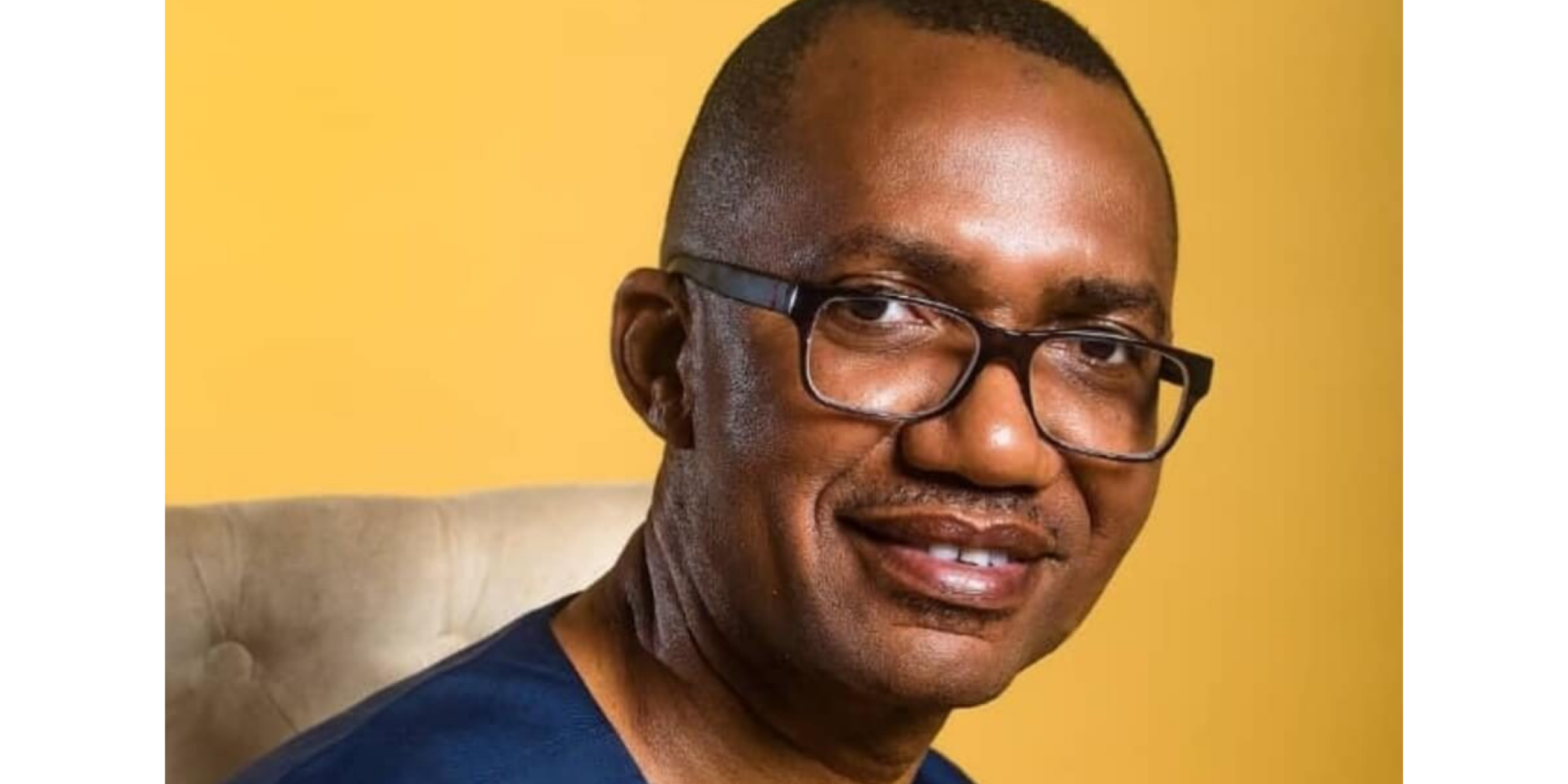
    Former Labour Party presidential candidate Peter Obi has weighed in on the Farouk Ahmed controversy, reframing the debate as a question of public responsibility and morality rather than personal conduct. Responding to allegations that Ahmed spent $5 million on his children’s education in Switzerland, Obi highlighted the disparity against Nigeria’s 18 million out-of-school children and proposed redirecting such funds to build a self-sustaining national education ecosystem. He detailed a model that could fund 25 school blocks, employ 450 teachers, and create long-term financial returns for sustained education, emphasizing ethical governance and equitable resource allocation.
    Peter Obi Frames Dangote-Farouk Controversy as Moral and Public Responsibility Debate, Proposes Alternative $5 Million Education Model Former Labour Party presidential candidate Peter Obi has weighed in on the Farouk Ahmed controversy, reframing the debate as a question of public responsibility and morality rather than personal conduct. Responding to allegations that Ahmed spent $5 million on his children’s education in Switzerland, Obi highlighted the disparity against Nigeria’s 18 million out-of-school children and proposed redirecting such funds to build a self-sustaining national education ecosystem. He detailed a model that could fund 25 school blocks, employ 450 teachers, and create long-term financial returns for sustained education, emphasizing ethical governance and equitable resource allocation.
    0 Kommentare ·0 Geteilt ·855 Ansichten
  • Tinubu Handled Sacking of Ex-NMDPRA Boss Farouk Ahmed Carefully to Avoid Northern Backlash – Sources Reveal

    President Bola Tinubu reportedly managed the removal of former NMDPRA CEO Farouk Ahmed with caution to avoid offending Nigeria’s northern political power base, sources have revealed. Ahmed, a scion of the Sokoto Caliphate, was said to have been asked to resign through a presidential aide rather than confronted directly. His exit came amid corruption allegations by billionaire Aliko Dangote, alongside the removal of NUPRC boss Gbenga Komolafe. New regulatory chiefs have since been confirmed by the Senate as investigations and political calculations continue to trail the shake-up in Nigeria’s oil and gas sector.
    Tinubu Handled Sacking of Ex-NMDPRA Boss Farouk Ahmed Carefully to Avoid Northern Backlash – Sources Reveal President Bola Tinubu reportedly managed the removal of former NMDPRA CEO Farouk Ahmed with caution to avoid offending Nigeria’s northern political power base, sources have revealed. Ahmed, a scion of the Sokoto Caliphate, was said to have been asked to resign through a presidential aide rather than confronted directly. His exit came amid corruption allegations by billionaire Aliko Dangote, alongside the removal of NUPRC boss Gbenga Komolafe. New regulatory chiefs have since been confirmed by the Senate as investigations and political calculations continue to trail the shake-up in Nigeria’s oil and gas sector.
    0 Kommentare ·0 Geteilt ·684 Ansichten
  • EXCLUSIVE: NMDPRA CEO Saidu Aliyu Mohammed Linked to Kaduna Refinery Collapse

    Saidu Aliyu Mohammed, recently confirmed as CEO of the Nigeria Midstream and Downstream Petroleum Regulatory Authority (NMDPRA), has been linked to the collapse of the Kaduna Refinery, sources say. The Senate confirmed his appointment following screenings by the Joint Committees on Petroleum. Mohammed previously served as Managing Director of Kaduna Refining and Petrochemical Company and chaired boards of major NNPC subsidiaries. Industry insiders allege mismanagement under his leadership contributed to the refinery’s prolonged shutdown. Meanwhile, Oritsemeyiwa Amanorisewo Eyesan was confirmed as CEO of the Nigeria Upstream Petroleum Regulatory Commission (NUPRC). The appointments follow the resignations of Farouk Ahmed and Gbenga Komalafe, amid corruption allegations, notably by billionaire Aliko Dangote against Ahmed. Dangote’s claims included diversion of public funds and extravagant personal spending. Observers note the new regulators’ appointment is welcomed by Dangote, potentially increasing his influence over Nigeria’s petroleum sector.
    EXCLUSIVE: NMDPRA CEO Saidu Aliyu Mohammed Linked to Kaduna Refinery Collapse Saidu Aliyu Mohammed, recently confirmed as CEO of the Nigeria Midstream and Downstream Petroleum Regulatory Authority (NMDPRA), has been linked to the collapse of the Kaduna Refinery, sources say. The Senate confirmed his appointment following screenings by the Joint Committees on Petroleum. Mohammed previously served as Managing Director of Kaduna Refining and Petrochemical Company and chaired boards of major NNPC subsidiaries. Industry insiders allege mismanagement under his leadership contributed to the refinery’s prolonged shutdown. Meanwhile, Oritsemeyiwa Amanorisewo Eyesan was confirmed as CEO of the Nigeria Upstream Petroleum Regulatory Commission (NUPRC). The appointments follow the resignations of Farouk Ahmed and Gbenga Komalafe, amid corruption allegations, notably by billionaire Aliko Dangote against Ahmed. Dangote’s claims included diversion of public funds and extravagant personal spending. Observers note the new regulators’ appointment is welcomed by Dangote, potentially increasing his influence over Nigeria’s petroleum sector.
    0 Kommentare ·0 Geteilt ·1KB Ansichten
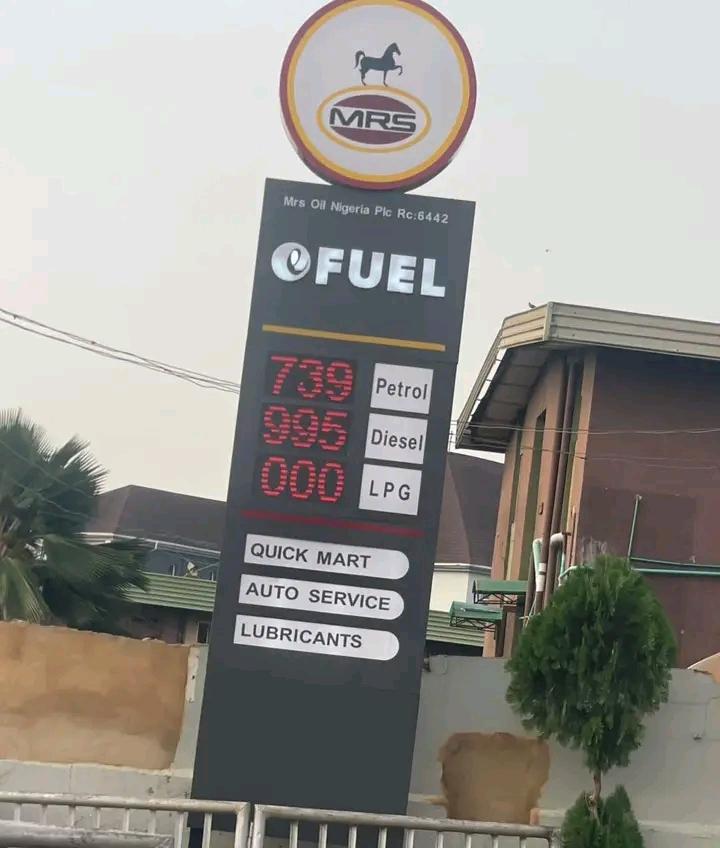
  • Dangote Refinery Urges Nigerians to Report MRS Stations Selling Petrol Above ₦739/Litre

    Dangote Petroleum Refinery has called on Nigerians to report any MRS Oil Nigeria Plc filling station selling Premium Motor Spirit (PMS), commonly known as petrol, above the approved price of ₦739 per litre.

    In a statement issued on Sunday, the refinery announced the commencement of nationwide sales of petrol at ₦739 per litre exclusively through over 2,000 MRS stations across the country. This price reduction, backed by a guaranteed daily supply of 50 million litres, aims to provide relief to consumers, stabilize the downstream market, and counter seasonal fuel scarcity often seen during the festive period.

    The refinery commended MRS and other compliant marketers for "demonstrating patriotism" by implementing the reduced pump price, while urging other operators to patronize its products to extend the benefits nationwide.

    It strongly warned against "unscrupulous" attempts to create artificial scarcity or inflate prices, describing such actions as "unpatriotic" and calling on regulatory authorities to intervene firmly.

    "We encourage Nigerians to avoid buying PMS at excessively high prices when they can access locally refined fuel at ₦739 per litre from over 2,000 MRS stations nationwide. Report any MRS station selling above ₦739 per litre by calling 0800 123 5264,” the statement reads in part.
    Dangote Refinery Urges Nigerians to Report MRS Stations Selling Petrol Above ₦739/Litre Dangote Petroleum Refinery has called on Nigerians to report any MRS Oil Nigeria Plc filling station selling Premium Motor Spirit (PMS), commonly known as petrol, above the approved price of ₦739 per litre. In a statement issued on Sunday, the refinery announced the commencement of nationwide sales of petrol at ₦739 per litre exclusively through over 2,000 MRS stations across the country. This price reduction, backed by a guaranteed daily supply of 50 million litres, aims to provide relief to consumers, stabilize the downstream market, and counter seasonal fuel scarcity often seen during the festive period. The refinery commended MRS and other compliant marketers for "demonstrating patriotism" by implementing the reduced pump price, while urging other operators to patronize its products to extend the benefits nationwide. It strongly warned against "unscrupulous" attempts to create artificial scarcity or inflate prices, describing such actions as "unpatriotic" and calling on regulatory authorities to intervene firmly. "We encourage Nigerians to avoid buying PMS at excessively high prices when they can access locally refined fuel at ₦739 per litre from over 2,000 MRS stations nationwide. Report any MRS station selling above ₦739 per litre by calling 0800 123 5264,” the statement reads in part.
    0 Kommentare ·0 Geteilt ·760 Ansichten
  • ICPC Invites Aliko Dangote to Submit Evidence Against Ex-NMDPRA Boss Farouk Ahmed, Says Resignation Will Not Stop Corruption Probe

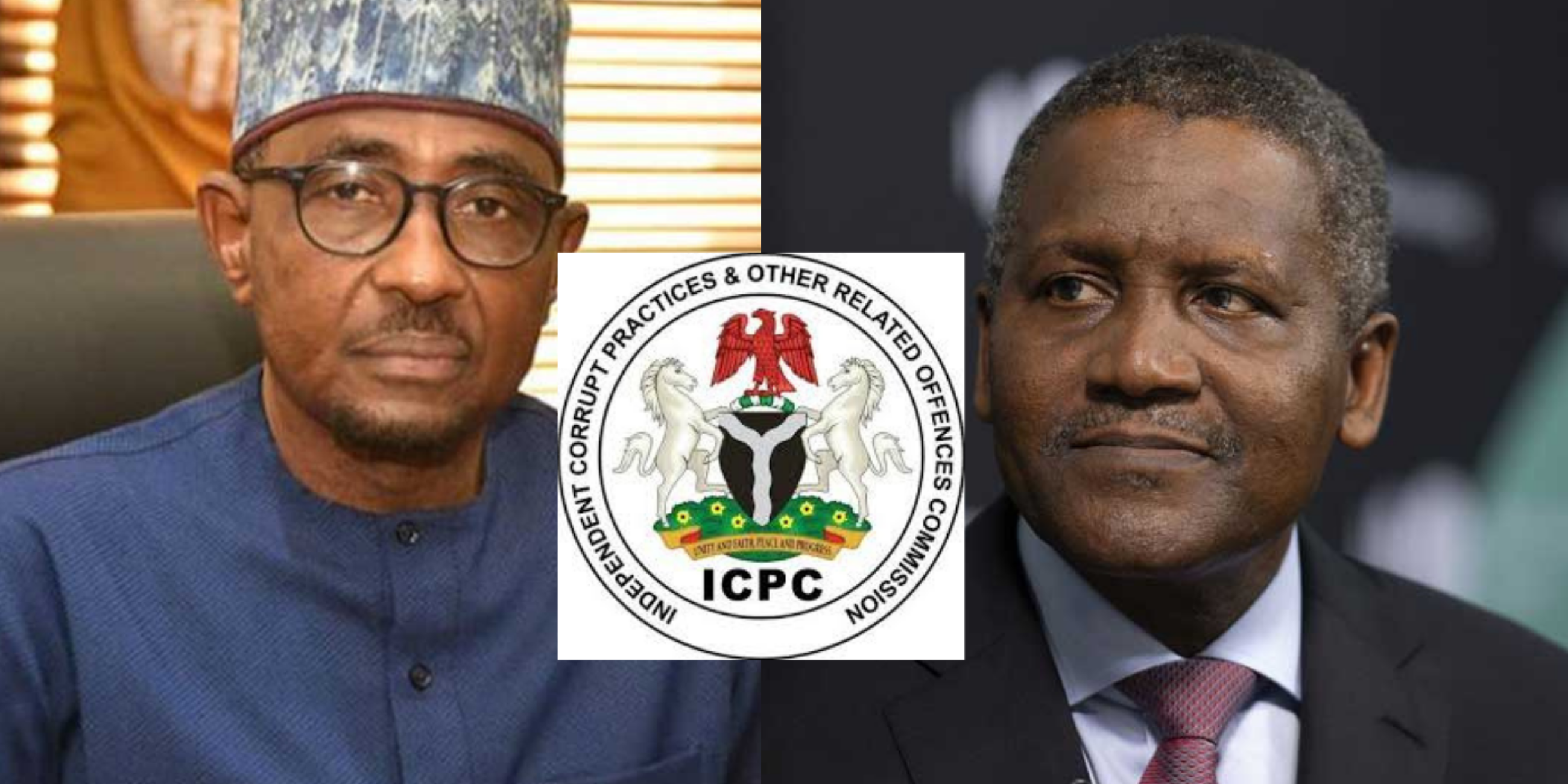
    The Independent Corrupt Practices and Other Related Offences Commission (ICPC) has formally invited Africa’s richest man, Aliko Dangote, to present documentary evidence supporting his corruption allegations against the former Managing Director of the Nigerian Midstream and Downstream Petroleum Regulatory Authority (NMDPRA), Alhaji Farouk Ahmed. The anti-graft agency stressed that Ahmed’s recent resignation does not affect the ongoing investigation, which is being treated as a matter of public interest. According to ICPC sources, a special panel of seasoned investigators has been constituted to handle the probe, with Dangote or his legal representative expected to adopt the petition and submit supporting documents. Dangote has accused Ahmed of abuse of office, illicit enrichment, diversion of public funds, and spending over $7 million on the education of his four children in Switzerland—expenses he claims cannot be justified by a public servant’s earnings. The ICPC said it would follow due process, isolate issues raised in the petition, and allow Ahmed to respond, warning that both proven corruption and frivolous petitions carry severe legal consequences under the ICPC Act. @
    ICPC Invites Aliko Dangote to Submit Evidence Against Ex-NMDPRA Boss Farouk Ahmed, Says Resignation Will Not Stop Corruption Probe The Independent Corrupt Practices and Other Related Offences Commission (ICPC) has formally invited Africa’s richest man, Aliko Dangote, to present documentary evidence supporting his corruption allegations against the former Managing Director of the Nigerian Midstream and Downstream Petroleum Regulatory Authority (NMDPRA), Alhaji Farouk Ahmed. The anti-graft agency stressed that Ahmed’s recent resignation does not affect the ongoing investigation, which is being treated as a matter of public interest. According to ICPC sources, a special panel of seasoned investigators has been constituted to handle the probe, with Dangote or his legal representative expected to adopt the petition and submit supporting documents. Dangote has accused Ahmed of abuse of office, illicit enrichment, diversion of public funds, and spending over $7 million on the education of his four children in Switzerland—expenses he claims cannot be justified by a public servant’s earnings. The ICPC said it would follow due process, isolate issues raised in the petition, and allow Ahmed to respond, warning that both proven corruption and frivolous petitions carry severe legal consequences under the ICPC Act. @
    0 Kommentare ·0 Geteilt ·902 Ansichten
  • BREAKING NEWS: ICPC Invites Aliko Dangote to Provide Evidence in the investigation of Former NMDPRA Chief Farouk Ahmed
    BREAKING NEWS: ICPC Invites Aliko Dangote to Provide Evidence in the investigation of Former NMDPRA Chief Farouk Ahmed
    love
    1
    · 0 Kommentare ·0 Geteilt ·713 Ansichten
  • ICPC Invites Aliko Dangote Over Petition Against Ex-NMDPRA Boss Farouk Ahmed in Alleged $7 Million Corruption Scandal

    The Independent Corrupt Practices and Other Related Offences Commission (ICPC) has invited Africa’s richest man, Aliko Dangote, to provide evidence in support of his petition against the former Managing Director of the Nigerian Midstream and Downstream Petroleum Regulatory Authority (NMDPRA), Farouk Ahmed. Dangote accused Ahmed of corruption, misappropriation of public funds, and economic sabotage, alleging that over $7 million was spent on his children’s education in Switzerland. Despite Ahmed’s resignation, ICPC confirmed that a special panel of investigators has been constituted to probe the allegations in the public interest, as tensions continue over refinery licences and Nigeria’s petroleum sector regulation.
    ICPC Invites Aliko Dangote Over Petition Against Ex-NMDPRA Boss Farouk Ahmed in Alleged $7 Million Corruption Scandal The Independent Corrupt Practices and Other Related Offences Commission (ICPC) has invited Africa’s richest man, Aliko Dangote, to provide evidence in support of his petition against the former Managing Director of the Nigerian Midstream and Downstream Petroleum Regulatory Authority (NMDPRA), Farouk Ahmed. Dangote accused Ahmed of corruption, misappropriation of public funds, and economic sabotage, alleging that over $7 million was spent on his children’s education in Switzerland. Despite Ahmed’s resignation, ICPC confirmed that a special panel of investigators has been constituted to probe the allegations in the public interest, as tensions continue over refinery licences and Nigeria’s petroleum sector regulation.
    love
    1
    · 0 Kommentare ·0 Geteilt ·697 Ansichten
Weitere Ergebnisse
Fintter https://fintter.com