


 Über
Über
Blueprint for the Outdoors: An Introduction to Deck Planning Software
The evolution of home design has been greatly enhanced by tools like Deck Planning Software, a specialized category of computer-aided design (CAD) applications tailored for creating outdoor living spaces. This software transforms the complex process of designing a deck from a daunting task into an intuitive and visual experience. It allows users, ranging from DIY homeowners to professional contractors, to design, visualize, and plan every aspect of a deck project before a single board is cut. By providing a digital canvas, these tools empower users to experiment with different layouts, materials, and features, ensuring the final structure is safe, functional, and aesthetically pleasing. This digital-first approach minimizes costly mistakes, streamlines the planning process, and bridges the gap between a simple idea and a fully realized outdoor oasis.
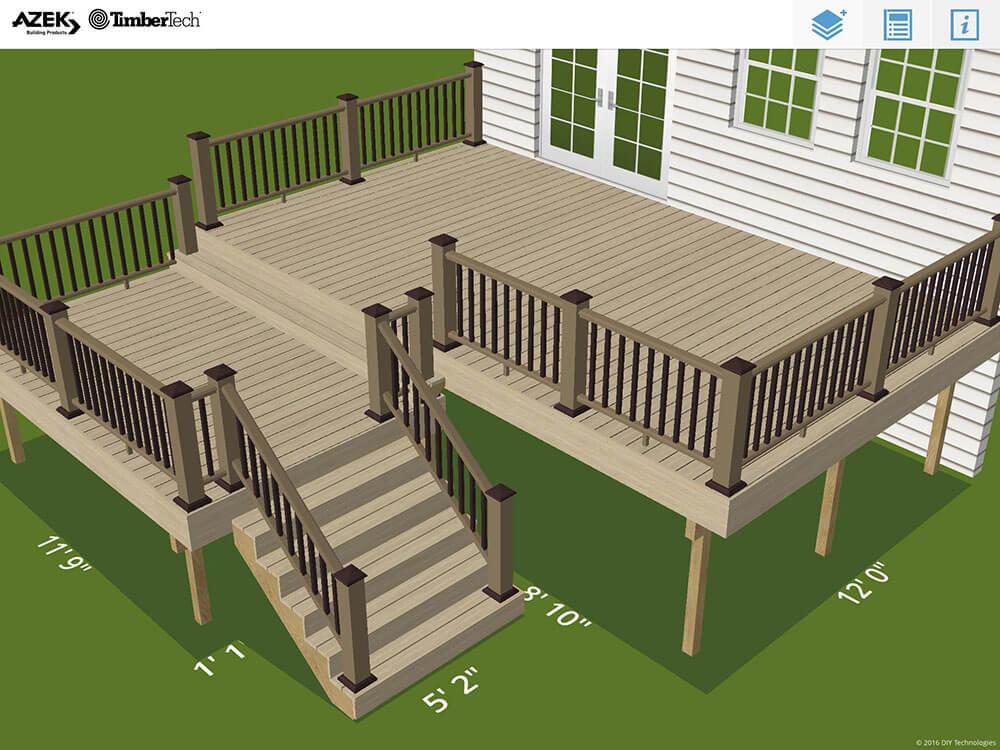
The core functionality of deck planning software is built around a powerful set of features designed to simplify complexity. At the forefront is 3D visualization, which allows users to create a realistic, three-dimensional model of their proposed deck, often attached to a model of their own home. This provides an invaluable perspective on size, scale, and appearance. Beyond visualization, these platforms typically include tools for generating precise construction blueprints, which are essential for obtaining building permits and for guiding the actual build. A critical feature for budgeting is the automatic generation of a complete bill of materials, listing every required component, from joists and decking boards to fasteners and railings. Many advanced programs also include cost estimation tools that can provide a running tally of project expenses based on selected materials.
The benefits of using this software are realized by a wide spectrum of users. For the do-it-yourself (DIY) enthusiast, it provides the confidence to tackle a major project, offering guardrails for structural integrity and a clear plan to follow. For professional deck builders and contractors, the software is an indispensable sales and project management tool. It allows them to present clients with stunning, realistic renderings of the final product, facilitating clearer communication and faster approvals. The detailed plans and material lists streamline their purchasing process and improve on-site efficiency. For architects and landscape designers, it serves as a specialized tool for integrating outdoor structures seamlessly into their broader property designs, ensuring a cohesive and professionally executed final project.
source:https://www.marketresearchfuture.com/reports/deck-planning-software-market-31990
The evolution of home design has been greatly enhanced by tools like Deck Planning Software, a specialized category of computer-aided design (CAD) applications tailored for creating outdoor living spaces. This software transforms the complex process of designing a deck from a daunting task into an intuitive and visual experience. It allows users, ranging from DIY homeowners to professional contractors, to design, visualize, and plan every aspect of a deck project before a single board is cut. By providing a digital canvas, these tools empower users to experiment with different layouts, materials, and features, ensuring the final structure is safe, functional, and aesthetically pleasing. This digital-first approach minimizes costly mistakes, streamlines the planning process, and bridges the gap between a simple idea and a fully realized outdoor oasis.
The core functionality of deck planning software is built around a powerful set of features designed to simplify complexity. At the forefront is 3D visualization, which allows users to create a realistic, three-dimensional model of their proposed deck, often attached to a model of their own home. This provides an invaluable perspective on size, scale, and appearance. Beyond visualization, these platforms typically include tools for generating precise construction blueprints, which are essential for obtaining building permits and for guiding the actual build. A critical feature for budgeting is the automatic generation of a complete bill of materials, listing every required component, from joists and decking boards to fasteners and railings. Many advanced programs also include cost estimation tools that can provide a running tally of project expenses based on selected materials.
The benefits of using this software are realized by a wide spectrum of users. For the do-it-yourself (DIY) enthusiast, it provides the confidence to tackle a major project, offering guardrails for structural integrity and a clear plan to follow. For professional deck builders and contractors, the software is an indispensable sales and project management tool. It allows them to present clients with stunning, realistic renderings of the final product, facilitating clearer communication and faster approvals. The detailed plans and material lists streamline their purchasing process and improve on-site efficiency. For architects and landscape designers, it serves as a specialized tool for integrating outdoor structures seamlessly into their broader property designs, ensuring a cohesive and professionally executed final project.
source:https://www.marketresearchfuture.com/reports/deck-planning-software-market-31990
Blueprint for the Outdoors: An Introduction to Deck Planning Software
The evolution of home design has been greatly enhanced by tools like Deck Planning Software, a specialized category of computer-aided design (CAD) applications tailored for creating outdoor living spaces. This software transforms the complex process of designing a deck from a daunting task into an intuitive and visual experience. It allows users, ranging from DIY homeowners to professional contractors, to design, visualize, and plan every aspect of a deck project before a single board is cut. By providing a digital canvas, these tools empower users to experiment with different layouts, materials, and features, ensuring the final structure is safe, functional, and aesthetically pleasing. This digital-first approach minimizes costly mistakes, streamlines the planning process, and bridges the gap between a simple idea and a fully realized outdoor oasis.
The core functionality of deck planning software is built around a powerful set of features designed to simplify complexity. At the forefront is 3D visualization, which allows users to create a realistic, three-dimensional model of their proposed deck, often attached to a model of their own home. This provides an invaluable perspective on size, scale, and appearance. Beyond visualization, these platforms typically include tools for generating precise construction blueprints, which are essential for obtaining building permits and for guiding the actual build. A critical feature for budgeting is the automatic generation of a complete bill of materials, listing every required component, from joists and decking boards to fasteners and railings. Many advanced programs also include cost estimation tools that can provide a running tally of project expenses based on selected materials.
The benefits of using this software are realized by a wide spectrum of users. For the do-it-yourself (DIY) enthusiast, it provides the confidence to tackle a major project, offering guardrails for structural integrity and a clear plan to follow. For professional deck builders and contractors, the software is an indispensable sales and project management tool. It allows them to present clients with stunning, realistic renderings of the final product, facilitating clearer communication and faster approvals. The detailed plans and material lists streamline their purchasing process and improve on-site efficiency. For architects and landscape designers, it serves as a specialized tool for integrating outdoor structures seamlessly into their broader property designs, ensuring a cohesive and professionally executed final project.
source:https://www.marketresearchfuture.com/reports/deck-planning-software-market-31990
0 Kommentare
·0 Geteilt
·2KB Ansichten
