Environ
Simon Kimbangu The Quiet Prophet Who Sparked Faith and Freedom in Congo
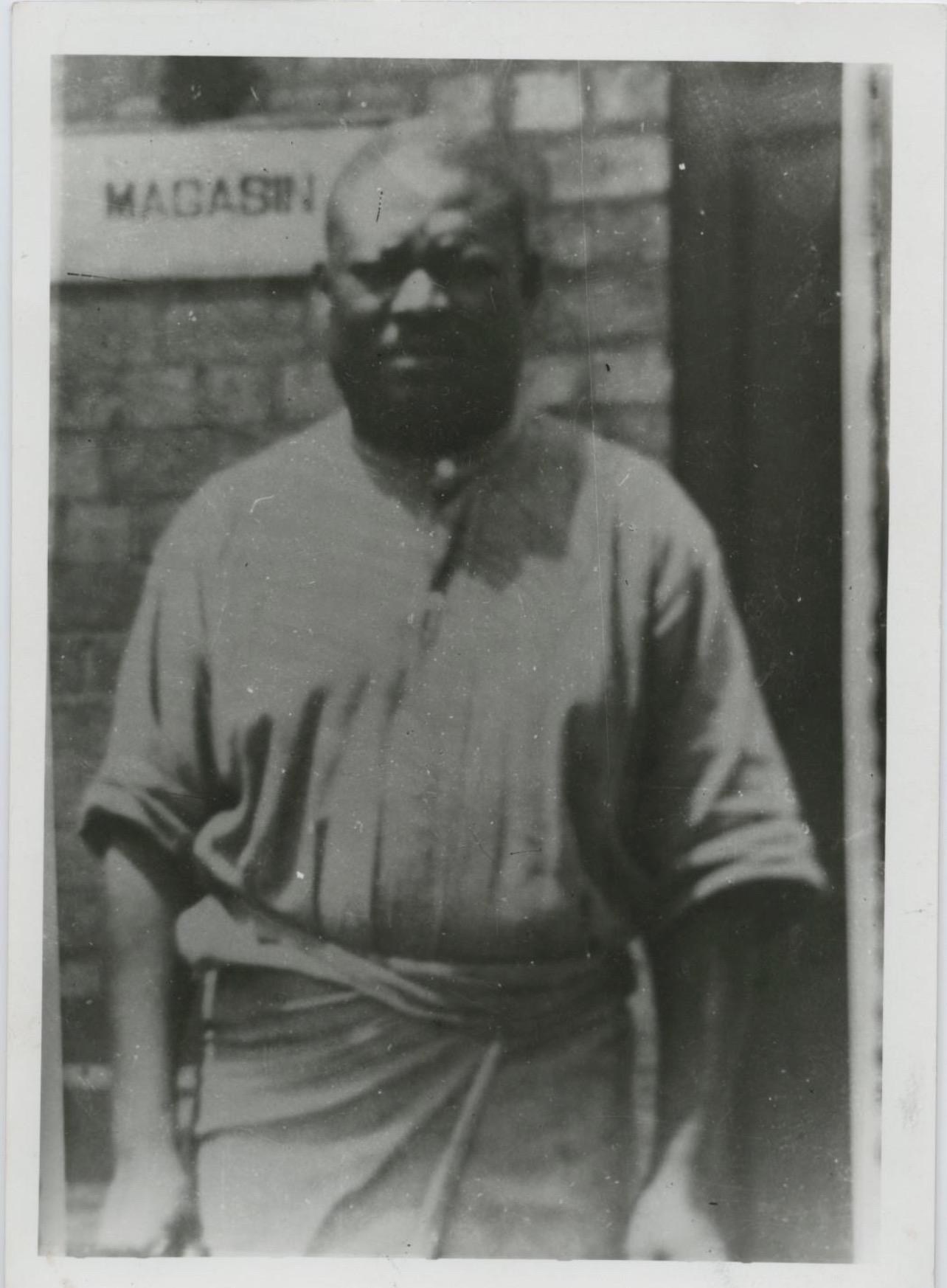
Simon Kimbangu
Introduction
In the heart of Central Africa, during a time when colonial rule weighed heavily on the people, a quiet man rose from a small village and changed history. His name was Simon Kimbangu.
He did not carry weapons. He did not lead an army. Yet his voice, his faith, and his actions shook an empire. This is the simple story of a man who brought hope to many and paid a heavy price for it.
Early Life
Simon Kimbangu was born around 1887 in Nkamba, a village in what is now the Democratic Republic of the Congo.
He grew up in a humble environment, surrounded by farming life and traditional beliefs. Like many children of his time, he experienced hardship early. He lost his parents when he was still young and was raised by relatives.
Despite these struggles, Kimbangu was known as a calm and thoughtful child. He was deeply spiritual and often drawn to prayer and reflection.
Encounter with Christianity
As colonial influence spread across the Congo, Christian missionaries arrived. One of the major missionary groups was the Baptist Missionary Society.
Simon Kimbangu became associated with them and was baptized into Christianity. He learned about the Bible and began working as a catechist, helping to teach others about the Christian faith.
But even as he followed the teachings he was given, he began to feel a deeper calling something beyond what he had been taught.
The Calling
In 1921, Kimbangu claimed to receive a spiritual calling from God. At first, he resisted. He feared the responsibility and the attention it would bring.
But eventually, he accepted.
He began preaching in his village, calling people to repentance, prayer, and faith. His message was simple: turn to God, live righteously, and trust in divine power.
Miracles and Rising Fame
Soon, stories began to spread. People said Kimbangu healed the sick, restored sight to the blind, and performed other miracles.
Crowds gathered in Nkamba. People traveled from far distances to see him.
What started as a small movement quickly grew into something much bigger. For many Africans under colonial rule, Kimbangu became a symbol of hope, dignity, and spiritual power.
Conflict with Colonial Authorities
The rapid growth of Kimbangu’s influence alarmed the Belgian colonial government. At that time, the Congo was under strict control, and any movement that gathered large crowds was seen as a threat.
Authorities feared that Kimbangu’s message could inspire resistance, even though he preached peace.
He was ordered to stop preaching.
But the people kept coming.
Arrest and Trial
In September 1921, Simon Kimbangu was arrested by colonial authorities.
He was taken away from his village and put on trial. The charges against him were serious, even though he had not led any violent action.
At first, he was sentenced to death. Later, the sentence was changed to life imprisonment.
Years in Prison
Kimbangu was sent to prison in Elisabethville (now Lubumbashi), far away from his home.
He spent about 30 years in prison. During this time, he was separated from his family and followers.
Yet even in prison, his influence did not disappear. His story continued to spread. His followers held onto his teachings and kept the faith alive.
Birth of Kimbanguism
Despite the ban on his activities, a religious movement grew around his teachings. This movement later became known as Kimbanguism.
It became one of the largest African-founded churches, centered in Nkamba, which is now seen as a holy city by followers.
Kimbangu himself never saw the full growth of this movement during his lifetime, but his legacy shaped it deeply.
Death
Simon Kimbangu died in prison on October 12, 1951.
He never returned to his village. He never saw the freedom of his people.
But his story did not end there.
Legacy
Today, Simon Kimbangu is remembered as a prophet, a spiritual leader, and a symbol of African resilience.
His life represents more than religion. It reflects a time when faith became a form of quiet resistance against oppression.
The church he inspired continues to exist, with millions of followers across Africa and beyond.
Nkamba, his birthplace, is now a place of pilgrimage.
His name lives on not through power or wealth, but through belief, courage, and sacrifice.
Conclusion
Simon Kimbangu’s story is simple, yet powerful.
A man from a small village listened to his calling. He spoke truth, brought hope, and stood firm even when faced with great suffering.
He may have been imprisoned, but his message could not be contained.

Catégories
Lire la suite
Olu Ebube Obio Olu Ebube Obio, popularly known as Olu Ebube, is a Nigerian actress, content creator, and social media personality known for her roles in Nollywood movies and comedy skits. She gained widespread attention for her petite stature, lively personality, and ability to entertain audiences through both film and online content. Early Life and Background Olu Ebube Obio was born...

THE BILLIONAIRE IN BORROWED SKIN Clara Mendoza used to believe that love would come to her in sunlight. In her imagination it would arrive gently, carried by laughter and simple joy. A hardworking man with honest hands would take her away from the cramped house she grew up in. They would build something small but real together. Instead, love arrived wrapped in humiliation. Her...

One of the most significant and rapidly expanding of all Digital Advertising Market Opportunities lies within the burgeoning world of Connected TV (CTV) and Over-the-Top (OTT) streaming services. For decades, the massive budgets allocated to linear television advertising were largely inaccessible to the data-driven precision of digital marketing. As millions of households "cut the...

Tafawa Balewa Square Tafawa Balewa Square, often called TBS, is one of the most important historical landmarks in Nigeria. Located on Lagos Island, Lagos State, it is a large ceremonial ground that has hosted many major national events including Nigeria’s independence celebration in 1960. The square is named after Abubakar Tafawa Balewa, Nigeria’s first Prime Minister and...

There were two girls named Abike and Abebi. Though many people called them sisters, their bond was formed more by circumstance than by blood. Abike was the daughter of their aunt, while Abebi was the daughter of their uncle. Life brought them together under one roof when they were sent to live in another aunt’s house, a woman everyone in the neighborhood knew very well—Aunt Fatima....