Über
Über
Abune Paulos: The Humble Patriarch Who Guided Ethiopia Through Faith and Peace
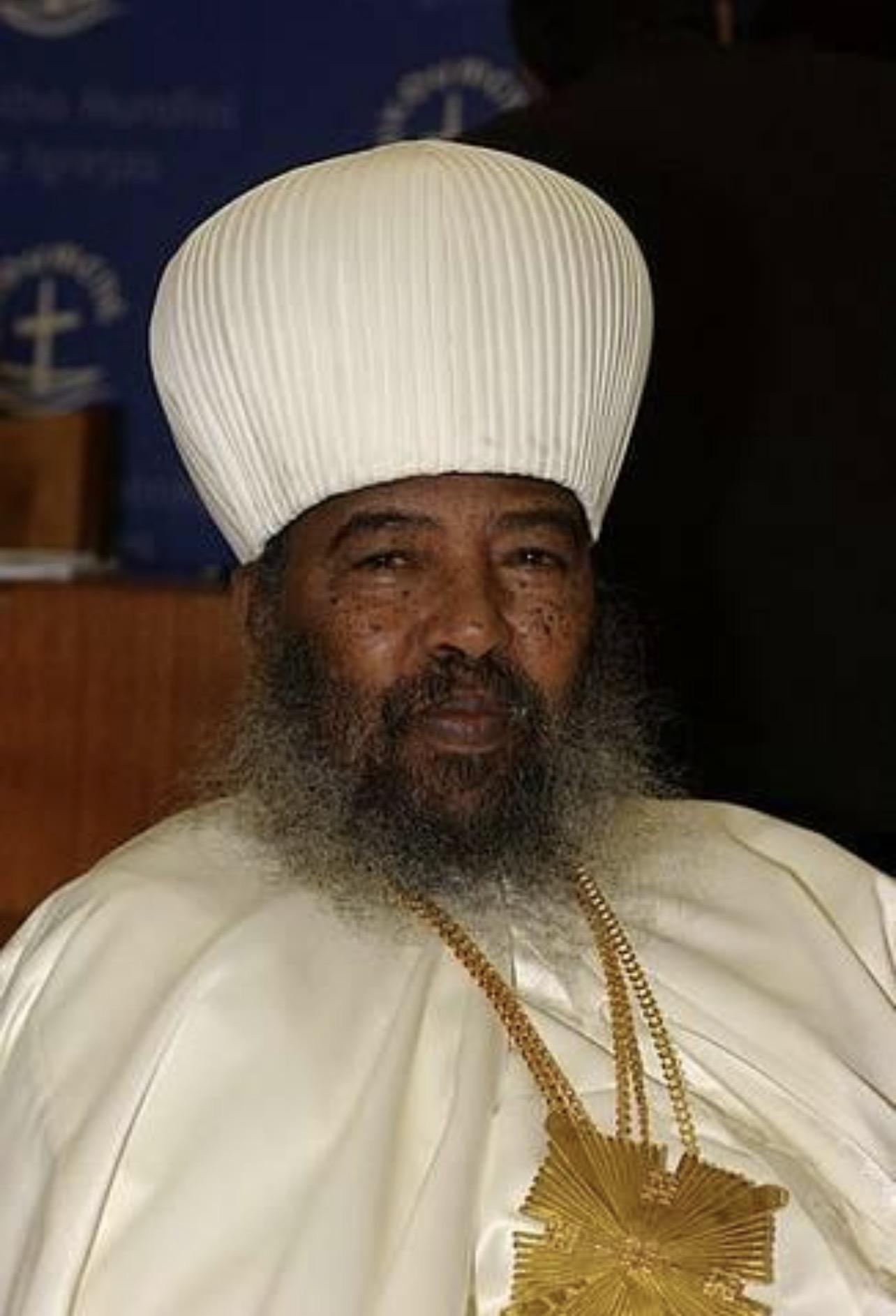
Abune Paulos
Early Life
Abune Paulos was born as Asfaw Wossen on November 3, 1935, in Adwa, a historic town in northern Ethiopia.
He grew up in a deeply religious environment where faith shaped everyday life. As a young boy, he showed a strong interest in spiritual matters and often spent time in church learning from priests and elders.
His early life was simple, but it laid the foundation for a life devoted to God and service.
Education
Abune Paulos began his religious education at a young age in local church schools. His dedication and intelligence made him stand out among his peers.
He later traveled abroad to continue his studies. He studied theology in the United States, where he earned advanced degrees. This experience exposed him to the wider world and helped him understand both religious and social issues on a global level.
Despite studying far from home, he remained deeply connected to his Ethiopian roots and faith.
Spiritual Calling
From a young age, Abune Paulos felt called to serve God. He joined the monastic life and was ordained as a priest.
His commitment to faith, discipline, and humility earned him respect within the church. Over time, he rose through the ranks, becoming a bishop.
His journey was not just about leadership but about serving people, guiding them spiritually, and helping them stay connected to their traditions.
Exile and Challenges
During a difficult period in Ethiopia’s political history, Abune Paulos faced major challenges.
He was imprisoned for a time due to political tensions involving the church. After his release, he lived in exile for several years in the United States.
Even in exile, he continued his religious work, supporting Ethiopian communities abroad and strengthening their faith.
These years shaped his character, teaching him patience, resilience, and the importance of peace.
Becoming Patriarch
In 1992, Abune Paulos returned to Ethiopia after years in exile. Soon after, he was elected as the Patriarch of the Ethiopian Orthodox Tewahedo Church.
As Patriarch, he became one of the most important religious leaders in Africa.
His leadership focused on unity, peace, and rebuilding the church after years of division. He worked to strengthen faith among believers and restore stability within the church.
Leadership and Legacy
As Patriarch, Abune Paulos played a key role not only in religious matters but also in national and international peace efforts.
He spoke about the importance of reconciliation, especially during times of conflict in Ethiopia and across Africa.
He also worked with global religious organizations, promoting dialogue between different faiths and encouraging unity among people.
His leadership style was calm, wise, and focused on bringing people together.
Personal Life and Character
Abune Paulos was known for his humility and kindness.
Despite holding a powerful position, he lived a simple life. He believed that leadership was about service, not status.
People who met him often described him as gentle, thoughtful, and deeply spiritual.
Death and Remembrance
Abune Paulos passed away on August 16, 2012. His death was a great loss to Ethiopia and the global Christian community.
He was remembered as a man of peace, faith, and dedication.
His legacy continues through the church he helped strengthen and the many lives he touched through his teachings and leadership.
Conclusion
The story of Abune Paulos is one of faith, resilience, and service.
From a young boy in Adwa to a respected Patriarch, his life shows how dedication to purpose can impact an entire nation.
He remains a symbol of spiritual leadership and unity, reminding people that true power lies in humility and service to others.

Kategorien
Mehr lesen
The Kebbi State Government has announced plans to amend its laws to introduce the death penalty or life imprisonment for anyone found guilty of aiding bandits with information, following renewed attacks that claimed 30 lives. The tragic incidents occurred in Tadurga village (Zuru Emirate) and Kyebu (Danko/Wasagu Local Government Area), prompting widespread mourning across the state. Governor...

The Sardauna Memorial Foundation has called for traditional institutions to be given a stronger role in governance, particularly in improving service delivery and enhancing grassroots security. The call was made during a courtesy visit to the Emir of Dutse, Alhaji Hamim Nuhu Sunusi. Dr. Babangida Aliyu, Chairman of the Foundation’s Board of Trustees, emphasized that tackling Northern...

Herbert Wigwe was one of Nigeria’s most respected banking executives and financial leaders. As the co founder and long serving Group Chief Executive Officer of Access Bank, he played a central role in transforming the institution into one of Africa’s largest and most influential banking groups. Early Life and Education Herbert Onyewumbu Wigwe was born on August 15, 1966, in Port...
Funke Etti Funke Etti is a Nigerian actress, filmmaker, and entrepreneur known for her work in Nollywood, particularly in Yoruba language films. Over the years, she has built a steady career marked by consistency, versatility, and dedication to her craft. Though she may not always dominate headlines like some of her peers, Funke Etti has earned respect within the industry for her...

Crayon Crayon, whose real name is Charles Chibuezechukwu Chukwu, is a Nigerian singer and songwriter known for his smooth Afrobeat sound and energetic performances. He gained popularity after being signed to Mavin Records, one of Nigeria’s leading music labels founded by Don Jazzy. Early Life and Background Crayon was born on November 21, 2000, in Lagos State, Nigeria. He hails from...