About
About
Sonni Ali Biography The Powerful Military Ruler Who Built the Songhai Empire
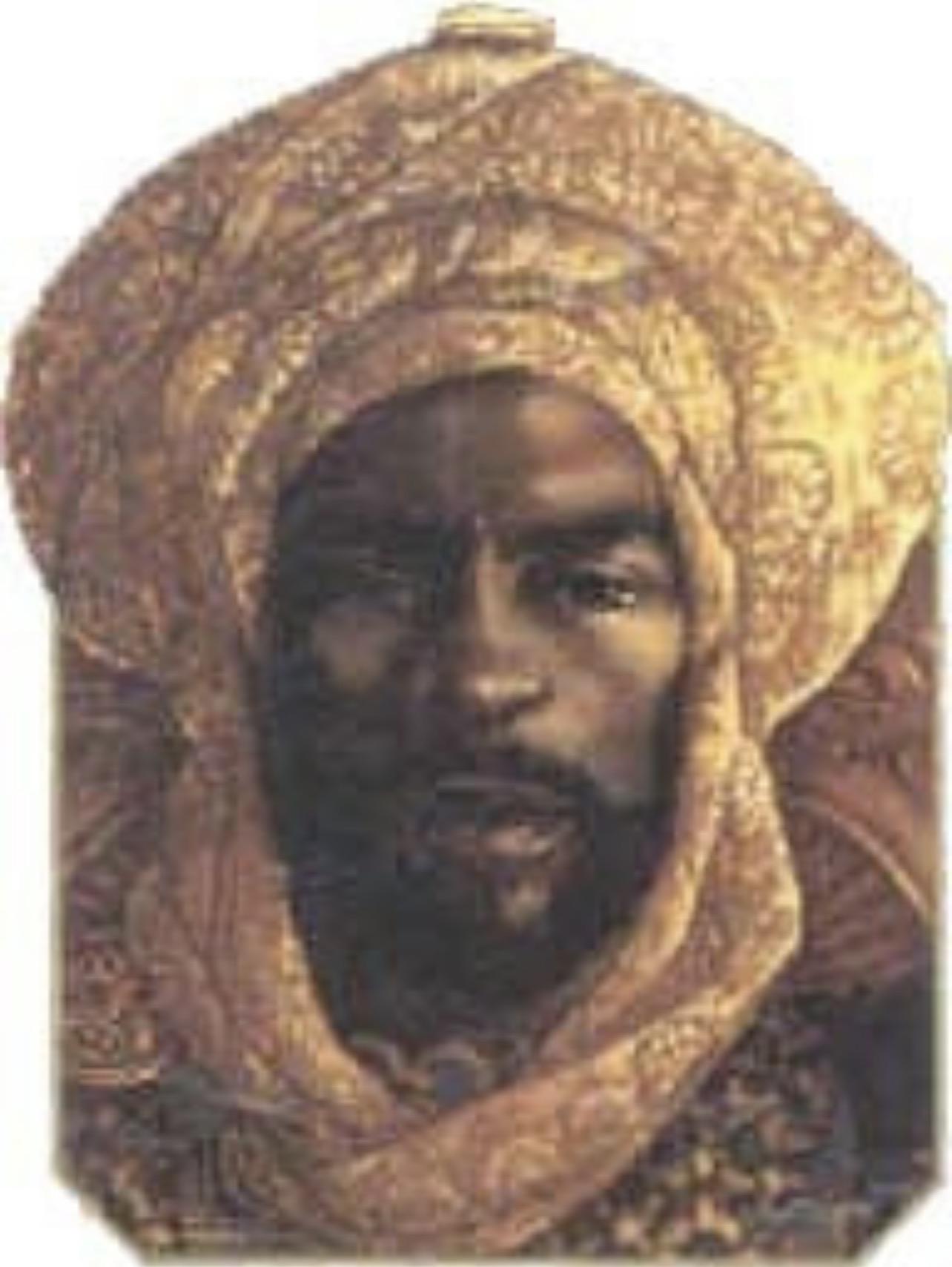
Sonni Ali
Sonni Ali
Sonni Ali was one of the most powerful rulers in African history. He was the king of the Songhai Empire in the 15th century and is remembered as a fearless military leader who built a strong and vast empire in West Africa. His rule changed the future of the region and made Songhai one of the greatest empires Africa has ever seen.
Early Life and Background
Sonni Ali was born around 1464 in the region of Gao, which is in present-day Mali. He came from the Sonni dynasty, a ruling family that controlled parts of the Songhai Kingdom before it became an empire.
From a young age, Sonni Ali showed signs of strength and courage. He grew up learning the traditions of leadership and warfare. His environment shaped him into a warrior, as the region often faced conflicts and needed strong rulers to survive.
Rise to Power
Sonni Ali became king of Songhai around 1464. At that time, Songhai was not yet a great empire. It was a growing kingdom surrounded by enemies, including powerful cities like Timbuktu and Djenné.
He quickly proved himself as a strong leader. Instead of staying in the palace, he led his army personally into battle. His bravery made his soldiers loyal to him, and his enemies began to fear him.
Military Strength and Expansion
Sonni Ali is best known for his military power. He built a strong army and navy, which was rare at that time. His use of boats on the Niger River helped him control trade routes and move soldiers quickly.
One of his greatest achievements was the conquest of Timbuktu, a famous city known for learning and trade. He also captured Djenné after a long siege. These victories made Songhai richer and more powerful.
His army used speed, surprise, and strategy. He fought both on land and water, which gave him a strong advantage over his enemies.
Leadership Style
Sonni Ali ruled with strength and authority. He believed in maintaining order and protecting his empire at all costs. While some people saw him as a hero, others saw him as harsh.
He followed traditional African beliefs but also ruled over Muslim communities. This created tension, especially with scholars in cities like Timbuktu who wanted stronger Islamic leadership.
Despite this, he focused on unity and control. His main goal was to build a stable and powerful empire.
Achievements
Sonni Ali transformed Songhai from a small kingdom into a vast empire. He expanded its borders across large parts of West Africa.
He secured important trade routes, especially those connected to gold and salt, which brought great wealth to the empire. Under his rule, Songhai became one of the richest and strongest empires of its time.
He also strengthened the army and created a system that allowed the empire to defend itself and grow.
Controversy
Sonni Ali was not loved by everyone. Some Muslim scholars criticized him for not fully following Islamic laws. They believed he was too harsh and did not respect religious authority.
There were stories that he punished those who opposed him, especially religious leaders in Timbuktu. Because of this, some historical accounts describe him as both a great leader and a feared ruler.
His rule remains debated, with some seeing him as a hero and others as a tyrant.
Death and Legacy
Sonni Ali died in 1492. After his death, his empire did not collapse immediately, but new leadership changed its direction.
He is remembered as the man who laid the foundation for the greatness of the Songhai Empire. His military strength, bold leadership, and vision turned Songhai into one of the greatest empires in African history.
Today, Sonni Ali is seen as a symbol of power, courage, and ambition in African history.

Categorie
Leggi tutto
Osita Iheme Long before the memes, before viral comedy clips traveled across continents, and before his face became one of the most recognizable in African cinema, there was a young boy in Imo State whose height would never define his limit. The world knows him as Paw Paw mischievous, witty, unforgettable. But his story began as Osita Iheme, a determined child born into humble...

Olusegun Obasanjo is one of Nigeria’s most influential political figures, having served both as a military Head of State and later as a democratically elected President. His leadership spans critical periods in Nigeria’s political history, including the post civil war era and the return to civilian rule in 1999. Early Life and Education Olusegun Matthew Okikiola Aremu Obasanjo was...
Terwase Akwaza, popularly known as Gana, was one of the most feared and controversial figures in Benue State, Nigeria, from 2015 until his death in 2020. Born in Gbishe village, he grew up amid poverty and hardship, with rumors swirling that he possessed supernatural powers. What began as petty theft soon escalated. Gana evolved into a full-fledged warlord, leading a militant group that...
Eight security personnel—including police officers and members of the Zamfara State Community Protection Guard (CPG), locally known as ‘Askarawa’—were killed on Thursday in an ambush by bandits along the Funtua-Gusau road in Zamfara State. A security official confirmed the attack to SaharaReporters, describing the assailants as “daredevil bandits” who...

In pharmacies, clinics, and households across Nigeria, a silent killer is spreading—counterfeit drugs. Disguised as genuine medicine, these fake pharmaceuticals are endangering lives and undermining trust in the country’s healthcare system. Every year, thousands fall victim, often without ever realizing the true cause of their suffering. One such victim is Mrs. Ore Oluwatobi,...