Über
Über
Queen Nzinga The Fearless African Queen Who Resisted Portuguese Rule
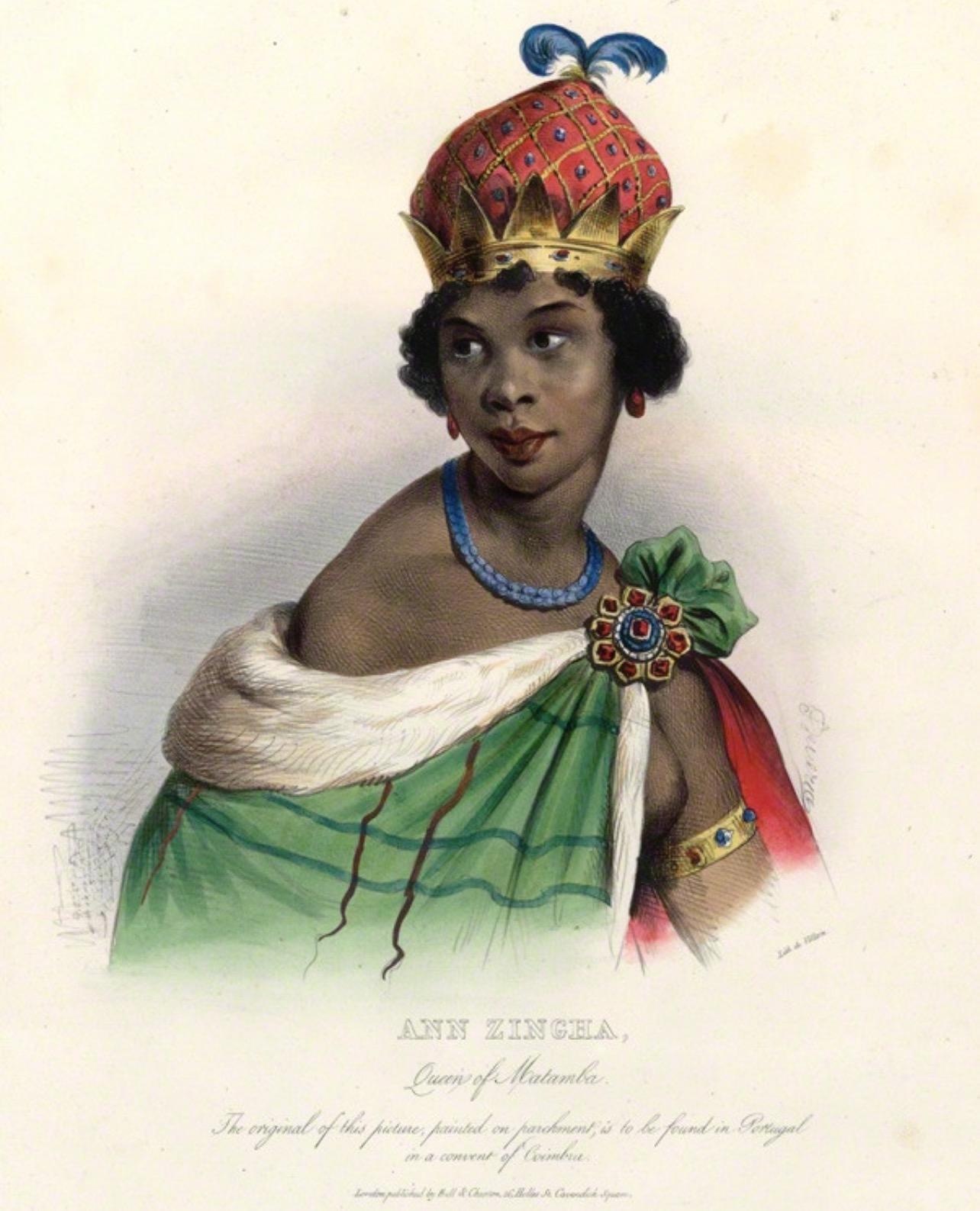
Queen Nzinga
Early Life and Background
Queen Nzinga, also known as Nzinga Mbande, was born around 1583 in the Kingdom of Ndongo, in present day Angola. She was born into a royal family, the daughter of King Kiluanji. From a young age, Nzinga was exposed to leadership, politics, and warfare.
Unlike many girls of her time, she was trained like a prince. She learned how to fight, speak with confidence, and understand the strategies of kings. Her father saw strength in her and prepared her for leadership.
Growing up, Nzinga witnessed how foreign traders, especially the Portuguese, were slowly gaining power in her land. This shaped her thinking and made her determined to protect her people.
Rise to Power
After her father’s death, Nzinga’s brother became king. During his rule, the Portuguese increased their control and influence in Ndongo. The kingdom faced constant attacks and pressure.
Nzinga became known for her intelligence and courage. She was sent as a representative to negotiate with the Portuguese governor. During this famous meeting, she refused to sit on the floor as they expected. Instead, she ordered one of her servants to kneel so she could sit at equal level with the governor.
This moment showed her boldness and refusal to be treated as inferior.
After her brother’s death, Nzinga took the throne in 1624 and became queen of Ndongo.
Resistance Against the Portuguese
Queen Nzinga did not accept foreign control. She organized her people and built a strong army to fight back against the Portuguese.
She used both war and diplomacy. Sometimes she signed peace agreements, and other times she led attacks. She understood that survival required strategy, not just strength.
Nzinga also formed alliances with neighboring kingdoms and even worked with groups who opposed Portuguese rule. She moved her base to Matamba, where she built a powerful new kingdom.
Her leadership turned her into a symbol of resistance. She fought for decades, refusing to surrender her land or her people.
Leadership and Strategy
Queen Nzinga was not just a warrior, she was a smart ruler. She reorganized her army, welcomed escaped slaves into her kingdom, and gave them protection.
She also adopted new tactics, including using European weapons and training her soldiers in new fighting styles.
Nzinga balanced diplomacy and war carefully. She converted to Christianity at one point to strengthen political ties, but she never lost her identity or control.
Her ability to adapt made her one of the most respected leaders in African history.
Legacy and Impact
Queen Nzinga ruled for many years and remained strong even in old age. She died in 1663, but her story did not end there.
She became a legend across Africa. Her name represents courage, resistance, and leadership. She proved that a woman could lead armies, negotiate with powerful empires, and defend her people.
Today, Queen Nzinga is remembered as one of the greatest African rulers who stood against colonial forces and refused to bow to foreign domination.
Her story continues to inspire generations, reminding Africa and the world of the power of bravery and determination.

Kategorien
Mehr lesen
Enrique Gil Enrique Gil is a Filipino actor, dancer, model, and television personality known for his charm, versatility, and successful career in Philippine television and film. Born Enrique Mari Bacay Gil V on March 30, 1992, in Cebu City, Philippines, he rose to fame as one of the leading actors of his generation. Early Life and Background Enrique Gil was born in Cebu City to a Filipino...

Chapter Three: What I Gained by Losing Them Healing wasn’t quick. Some days I woke up angry. Other days numb. Sometimes I missed the version of myself who trusted easily. But slowly, clarity came. I realized something painful but freeing: Lola didn’t steal my man. She exposed him. A man who could betray me weeks before our wedding would have betrayed me after. A friend who...

I didn’t lose people suddenly I lost them quietly. One by one, they drifted away while I was too arrogant to notice. I wore pride like armor and hid behind a nonchalant attitude, convincing myself that I didn’t need anyone. I thought being unbothered made me strong. I was wrong. Even my closest friends couldn’t tolerate me anymore. The people who once defended me grew tired...

Anambra State Governor, Prof. Chukwuma Soludo, has awarded ₦1 million each to 39 soldiers injured during security operations in the South-East. These troops are part of the “Operation Udoka” taskforce, working to combat insecurity in the region. The announcement was made during a special Sallah luncheon held on Saturday at the 302 Artillery Regiment in Onitsha Military Cantonment....
After the first slap, nothing truly went back to normal, no matter how hard I pretended. Kunle apologized again and again, and I accepted every apology like a duty. In my mind, forgiveness was part of being a good wife. I told myself that strong women endure, that marriage was never meant to be easy. But something had shifted. Our arguments no longer ended with silence; they ended...