Über
Über
Amílcar Cabral Biography The African Leader Who Led Guinea Bissau to Freedom
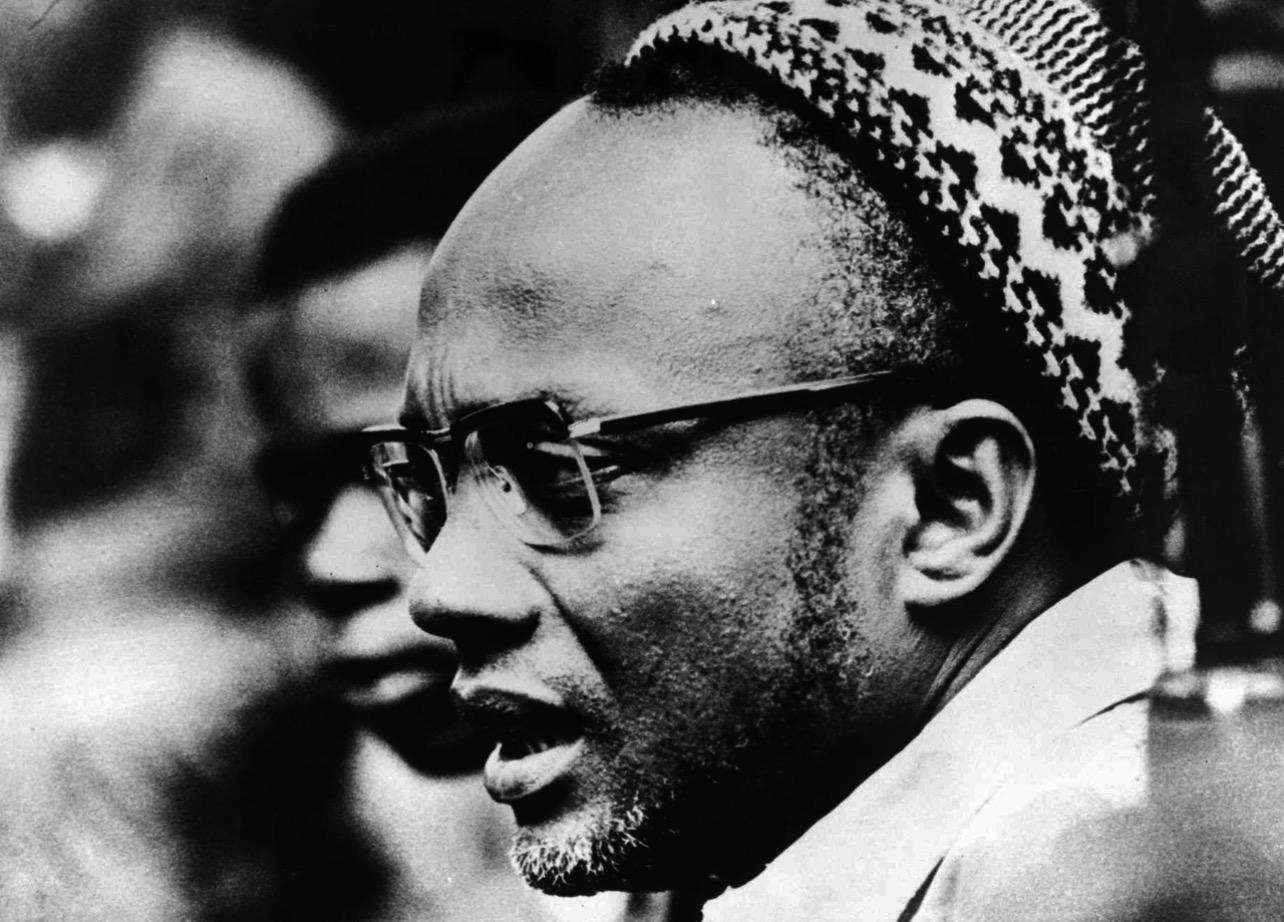
Amílcar Cabral
Early Life and Background
Amílcar Cabral was born on September 12, 1924, in Bafatá, a town in what is now Guinea-Bissau. At that time, the land was under Portuguese colonial rule. His parents were Cape Verdean, and they valued education deeply, even though life was not easy.
As a young boy, Cabral grew up between Guinea-Bissau and Cape Verde. He saw poverty, injustice, and the struggles of African people under colonial control. These early experiences shaped his thinking and gave him a strong sense of purpose.
He was known to be calm, intelligent, and observant. Even as a child, he asked questions about why things were the way they were.
Education and Awakening
Cabral traveled to Portugal for higher education, where he studied agricultural engineering. While there, he met other African students who were also thinking about freedom and independence.
In Portugal, he was exposed to new ideas about politics, identity, and resistance. He began to understand that Africa’s problems were not just local, but connected to colonial systems.
After finishing his studies, Cabral returned to Africa. As an agricultural engineer, he traveled across rural areas, studying the land and helping farmers. But what he saw troubled him deeply people working hard yet living in poverty because of colonial exploitation.
This was the moment his mission became clear.
The Beginning of the Struggle
Cabral believed that freedom was not just about fighting with weapons, but also about understanding culture, identity, and unity.
In 1956, he co-founded the African Party for the Independence of Guinea and Cape Verde (PAIGC). The goal was simple but powerful to free Guinea-Bissau and Cape Verde from Portuguese rule.
At first, the movement was peaceful. They tried dialogue and political action. But when peaceful efforts failed, they were forced to take up arms.
Cabral became the leader of the struggle. But he was not just a fighter he was a thinker. He believed that education and awareness were as important as military action.
Leadership and Vision
Cabral stood out among African leaders because of his unique approach. He always told his people:
“Know your people, know your culture, and you will know how to fight.”
He encouraged his followers to respect local traditions and to stay connected to their roots. For him, culture was a weapon of resistance.
Under his leadership, the PAIGC built schools, hospitals, and systems of governance even during the war. This made people trust the movement.
Cabral also spoke on international platforms, gaining support from other African countries and the world. He was calm in speech but powerful in ideas.
The War for Independence
The struggle against Portuguese rule became one of the most successful liberation wars in Africa.
Cabral’s strategy combined military tactics with strong political organization. His fighters were disciplined and motivated not just by anger, but by purpose.
He ensured that the movement did not lose its moral direction. Civilians were protected, and education continued even in war zones.
Slowly, the PAIGC gained control of large parts of Guinea-Bissau.
Assassination and Sacrifice
Just as victory was near, tragedy struck.
On January 20, 1973, Amílcar Cabral was assassinated in Conakry, Guinea. He was killed by members of his own movement who had been influenced and manipulated by external forces.
His death shocked Africa and the world.
But even in death, his ideas did not die.
Legacy and Impact
Only months after his death, Guinea-Bissau declared independence in 1973, which was later recognized by Portugal.
Cabral’s dream had become reality.
Today, he is remembered as one of Africa’s greatest thinkers and freedom fighters. His ideas about culture, identity, and leadership continue to inspire generations.
He taught Africa that true liberation starts from the mind, not just the battlefield.
Conclusion
Amílcar Cabral was not just a revolutionary he was a man of vision, wisdom, and deep understanding.
He showed that leadership is not about power, but about purpose.
His story reminds us that even in the face of oppression, knowledge, unity, and courage can change history.

Kategorien
Mehr lesen
Lionel Messi Lionel Andrés Messi is widely regarded as one of the greatest footballers in the history of the sport. His life story is not just about trophies and goals. It is about a small boy from Rosario who faced a medical condition that threatened his dream, a teenager who crossed the ocean with his family for a chance at survival in football, a young prodigy who became the heart of...
Igwe Nnaemeka Alfred Achebe In the bustling commercial city of Onitsha, where markets hum with relentless trade and the River Niger flows with quiet authority, there stands a throne older than colonial maps. It is the throne of the Obi of Onitsha, one of the most respected traditional institutions in Igboland. Upon that throne sits Nnaemeka Alfred Achebe, a monarch whose life journey...
Amarachi Amusi Amarachi Amusi, popularly known as Ashmusy, is a Nigerian social media influencer, actress, and content creator who gained popularity through comedy skits and lifestyle content online. She is one of the fast rising female personalities in Nigeria’s digital entertainment space. Early Life and Background Amarachi Amusi was born on July 25, 1995, in Nigeria. She hails...

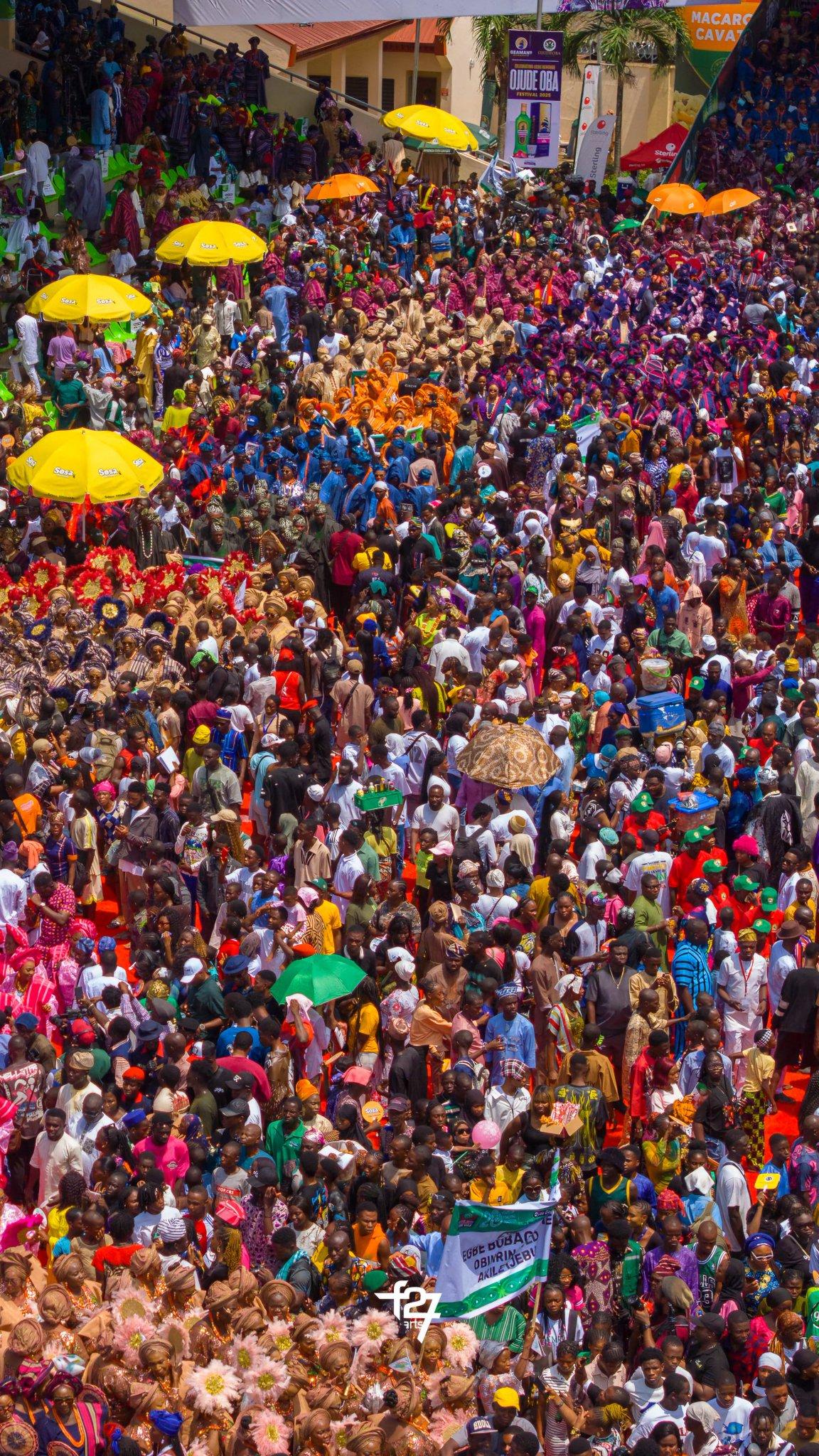
At this year’s Ojude Oba Festival, Aṣọ-Òkè fashion once again took center stage. Both women and men dazzled in stunning handwoven cloths, rich brocades, and regal headpieces that reflected deep Yoruba heritage. What makes this tradition so powerful? These fabrics aren’t picked overnight—families plan months ahead, choosing colors and patterns that express status,...
I never imagined that the two women I loved the most would destroy each other under my roof. When I brought my mother to live with us, I believed I was doing the right thing. She was getting old her back bent, her hands trembling, her voice no longer strong. Since my father died, loneliness followed her everywhere. I couldn’t leave her alone. She was my mother. She carried me....