


 О нас
О нас
Robert Mugabe Biography The Rise and Fall of Zimbabwe Powerful Leader
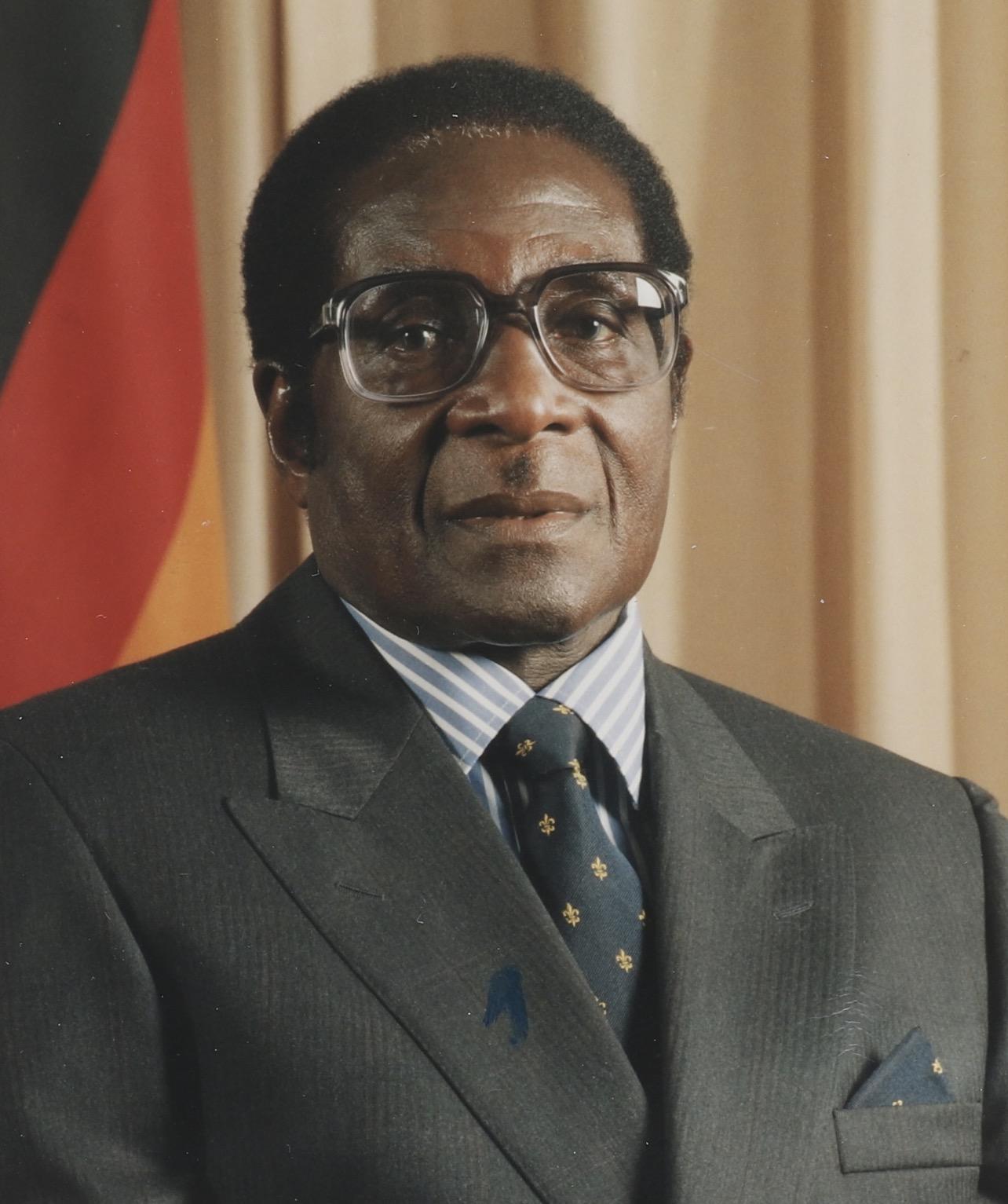
Robert Mugabe
Early Life
Robert Mugabe was born on February 21, 1924, in Kutama, a small village in what was then Southern Rhodesia, now Zimbabwe. He grew up in a poor Catholic family raised mostly by his mother after his father left the home.
From a young age, Mugabe loved books. He was quiet, serious, and very intelligent. While other children played, he preferred to read and study. This love for learning shaped his future.
Education
Mugabe became one of the most educated African leaders of his time. He attended mission schools and later studied at Fort Hare University in South Africa.
He earned several degrees, mostly through distance learning, including education and law. His education made him confident and gave him strong ideas about leadership and freedom.
Early Career as a Teacher
Before entering politics, Mugabe worked as a teacher in Zimbabwe and later in Ghana. While in Ghana, he was inspired by African independence movements and leaders fighting against colonial rule.
This experience changed him. He returned home with a strong desire to free his country from white minority rule.
The Fight for Independence
In the 1960s, Mugabe joined the struggle against British colonial rule. He became a leader in the Zimbabwe African National Union (ZANU).
Because of his political activities, he was arrested and spent about 10 years in prison. Even in prison, he continued studying and planning for the future.
After his release, he joined the armed struggle. The war eventually forced negotiations that led to Zimbabwe’s independence.
Becoming the Leader of Zimbabwe
In 1980, Zimbabwe gained independence, and Robert Mugabe became its first Prime Minister.
At first, many people saw him as a hero. He spoke about unity, peace, and rebuilding the country. Schools and healthcare improved, and Zimbabwe showed signs of progress.
Years of Power
Over time, Mugabe’s leadership changed. He became more controlling and refused to give up power.
In the 1980s, there were violent conflicts in parts of the country, especially in Matabeleland, where many people lost their lives.
Later, his government took land from white farmers and gave it to Black Zimbabweans. While this was meant to correct past injustice, it caused economic problems, food shortages, and unemployment.
Zimbabwe’s economy began to collapse. Inflation became extremely high, and many people struggled to survive.
Later Years and Removal from Power
Mugabe ruled Zimbabwe for nearly 37 years. As he grew older, people began to question his leadership more openly.
In 2017, the military stepped in, and Mugabe was forced to resign. It marked the end of one of Africa’s longest political reigns.
Death and Legacy
Robert Mugabe died on September 6, 2019, at the age of 95.
His legacy remains deeply divided. Some remember him as a freedom fighter who helped end colonial rule. Others see him as a leader who stayed too long in power and damaged the country’s economy.
Conclusion
Robert Mugabe’s life is a powerful story of rise and fall. From a young boy who loved books to a leader who shaped a nation, his journey is both inspiring and cautionary.
He showed how power can build a nation and how it can also break it.

Категории
Больше
My name is Adaeze, and for a long time I carried a secret that weighed heavily on my heart. This is the story of how love almost destroyed me, and how I slowly found my way back to myself.I grew up believing that love was meant to be safe. I watched my mother endure hardship with strength, and she taught me that patience and kindness were virtues. When I met Daniel, I thought my prayers had...

Portugal striker Cristiano Ronaldo is ready to extend his stay with Saudi pro side Al Nassr and is even prepared to sign a new deal. According to Fabrizio Romano’s post on X on Monday, the Portuguese have dismissed rumours of leaving Al Nassr. The post read, “Cristiano Ronaldo confirms plan to stay at Al Nassr by signing a new deal. “My future? Basically, nothing is gonna...

Fresh revelations suggest the Kaduna State Government initially denied the mass abduction of Christian worshippers in Kajuru Local Government Area to manage international perception and avoid scrutiny from the United States. The denial followed a deadly bandit attack on multiple churches in Kurmin Wali during Sunday services, where over 100 worshippers were reportedly kidnapped. While the...
Aminat (POV) I felt the walls of my world closing in. Every lie I had told, every choice I had made, had led to this unbearable solitude. Daniel had left, my friends had disappeared, and the family I had abandoned continued to suffer in silence while I chased shadows of a life I thought I deserved. I could no longer face myself in the mirror; the reflection staring back at me...

1. Set Up Your Account ✅ Use an account older than 30 days to avoid algorithm issues.✅ Make sure you’re in a supported country.#XTips #AccountSetup #SocialMediaGrowth 2. Subscribe to X Premium 💎 Go for Tier 2 ($7/month via web, billed annually).💎 Unlocks Creator Revenue Sharing + Subscriptions.#XPremium #Monetization #CreatorTools 3. Grow a Verified Follower Base 🎯 Target: 500+...

