About
About
Miriam Makeba Biography Life Story of Mama Africa and Her Powerful Voice
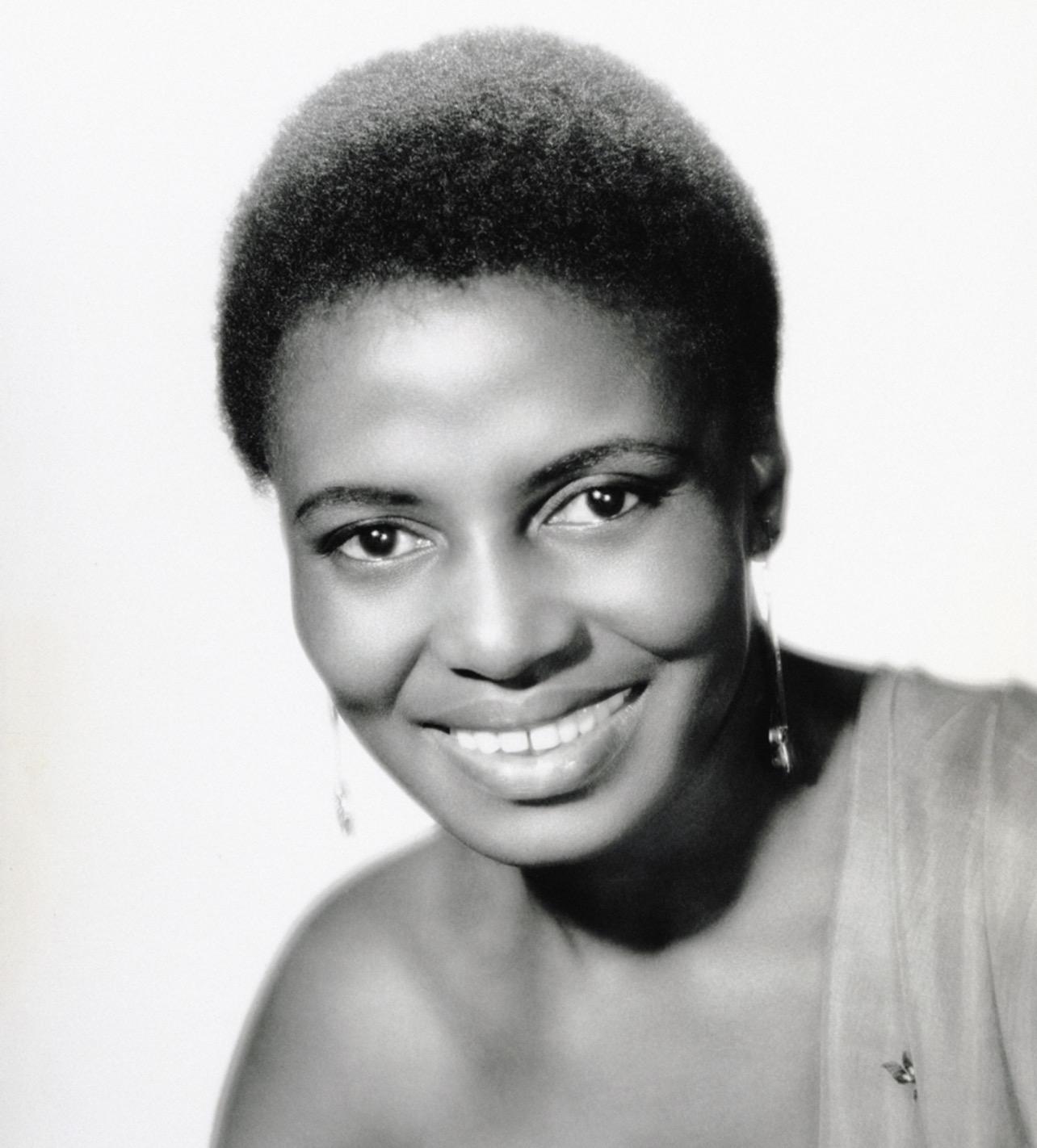
Miriam Makeba
Early Life
Miriam Makeba was born on March 4, 1932, in Johannesburg, South Africa. Her full name was Zenzile Miriam Makeba. She was born into a poor family, and life was not easy from the beginning.
Her mother was a traditional healer, and her father worked as a teacher. When Miriam was just a baby, her mother was sent to prison for selling homemade beer. Because of this, Miriam spent the first months of her life in jail with her mother.
Growing up, she loved music. She sang in church and learned songs from her culture. These early experiences shaped her voice and her deep connection to African music.
Education
Miriam Makeba attended school in South Africa, but her education was not very long. Life was difficult, and she had to focus more on survival than schooling.
Even though she did not have advanced education, her natural talent in music became her true path. She learned through experience, practice, and passion.
Beginning of Music Career
Miriam started singing in the 1950s. She joined a group called the Cuban Brothers and later became part of a popular all-female group known as the Skylarks.
Her voice was unique. It was strong, emotional, and deeply African. People quickly noticed her talent.
She later appeared in a film called Come Back Africa, which showed the harsh realities of life under apartheid in South Africa. This film changed her life.
Rise to Fame
After the film was released, Miriam Makeba traveled abroad. When she tried to return to South Africa, she was not allowed back because of her political views.
She went into exile and began her international career. She became famous around the world, especially in the United States.
Her popular songs included Pata Pata, The Click Song, and Malaika. Her music carried African sounds to global audiences.
She also worked with famous artists like Harry Belafonte, who helped introduce her to a wider audience.
Struggles and Exile
Miriam Makeba spent many years away from her home country. She spoke openly against apartheid, the system of racial discrimination in South Africa.
Because of this, the South African government banned her music and took away her passport.
Even though life in exile was hard, she continued to use her voice not just for music, but also for justice.
Activism and Impact
Miriam Makeba was more than a singer. She was a strong voice for Africa.
She spoke at the United Nations against apartheid. Her words touched many people and helped the world understand what was happening in South Africa.
She became known as “Mama Africa” because she represented African culture, strength, and pride.
Return Home
After many years in exile, Miriam Makeba was finally allowed to return to South Africa in 1990. This happened after the release of Nelson Mandela from prison.
Her return was emotional. She was welcomed as a hero.
She continued to perform and inspire people in her home country.
Death and Legacy
Miriam Makeba passed away on November 9, 2008, in Italy after performing at a concert.
She died doing what she loved singing and speaking for justice.
Her legacy lives on through her music and her courage. She opened doors for African artists and showed the world the beauty of African culture.
Miriam Makeba will always be remembered as a powerful voice, not just in music, but in history.

Categories
Read More
Mark Angel Mark Angel is a Nigerian comedian, scriptwriter, video producer, and digital content creator widely known as the founder of the popular YouTube comedy channel Mark Angel Comedy. Born Mark Angel on May 27, 1991, in Port Harcourt, Rivers State, Nigeria, he became one of Africa’s most successful online comedians. Early Life and Background Mark Angel was born and...
For decades, the idea of cars running on water has fascinated the world. From viral videos to bold inventor claims, the concept of a “water-powered vehicle” has often sounded like the ultimate clean-energy breakthrough. But what’s fact, and what’s fiction? Let’s explore the real history behind water-powered cars — and where science actually stands today. ⸻...

Osinachi Josephine Nwachukwu Long before her voice echoed across churches, long before millions lifted their hands to the song “Ekwueme,” and long before her name became a symbol of both worship and painful national reflection, there was a young girl in Abia State whose heart beat for God and whose voice carried unusual depth. The world knew her as Osinachi Nwachukwu. But...
Introduction The history of Ethiopia is one of the oldest and most remarkable in the world. Often referred to as the cradle of humanity, Ethiopia holds a unique place not only in African history but in global civilization. Unlike most African nations, Ethiopia was never permanently colonized, and it developed a rich cultural, religious, and political tradition that stretches back thousands of...
Evelyn Joshua Evelyn Joshua, also known as Pastor Evelyn Onyisi Joshua, is a Nigerian pastor, preacher, and televangelist best known as the Senior Pastor and Leader of The Synagogue, Church of All Nations, SCOAN. She is also identified by SCOAN as the President of Emmanuel Global Network, the organisation behind Emmanuel TV. Early Life and Background According to SCOAN’s official...