About
About
The Village That Refused to Bow
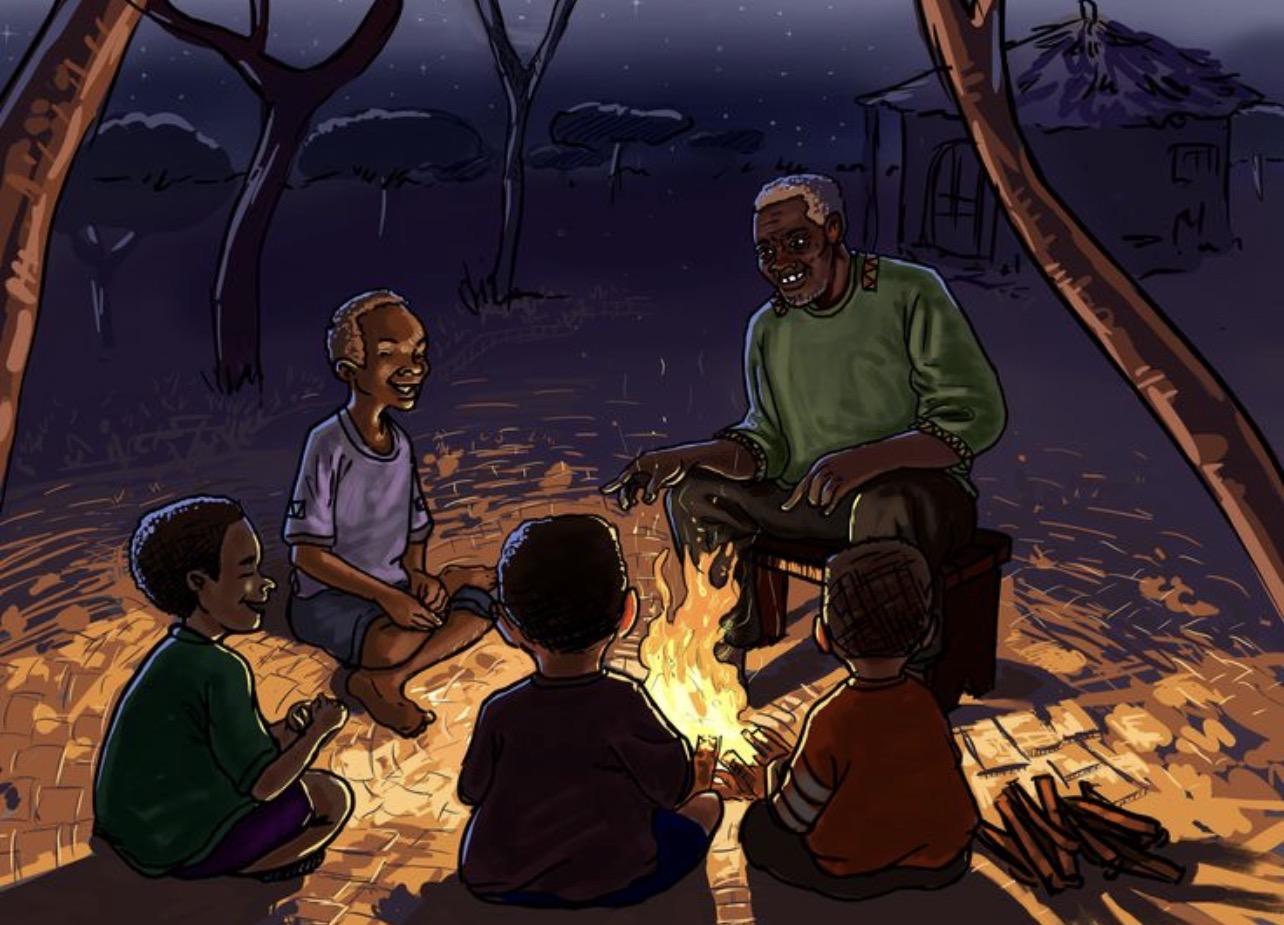
Aiyegunle
The first time the strangers came, no one in the village of Aiyegunle thought much of it, because visitors were not new, traders had passed before, missionaries had come with books and strange songs, and even wanderers had rested under the old iroko tree, but these men were different, their boots were too heavy for the soft earth, their eyes too cold for a place that had always welcomed warmth, and though they smiled, it was the kind of smile that never reached the heart, the kind that made even the children stop their play and watch in silence as dust rose behind them.
At first, they spoke softly, promising development, promising roads, promising a better future, and some of the elders listened because hope is a dangerous thing when it comes dressed as opportunity, but the oldest man in the village, Baba Soremi, whose back had bent with years but whose mind remained sharp like the edge of a well-used blade, said very little, he simply watched, his silence louder than the voices around him, because he had seen men like these before, men who came with gifts in their hands but chains hidden behind their backs.
Days turned into weeks, and the strangers began to change, their requests became demands, their smiles became orders, and soon they claimed the land near the river, saying it was needed for a project that would bring wealth, but the river was not just water to the people of Aiyegunle, it was life, it was memory, it was where mothers sang to their children and where ancestors were honored, and when the machines arrived and the first tree fell, something inside the village shifted, something old and powerful began to stir.
At night, whispers moved like wind through the huts, people spoke in low voices, fear mixing with anger, because they could feel what was coming, a slow erasure of everything they knew, and still, many were afraid, afraid of the power these strangers carried, afraid of what would happen if they resisted, because resistance is easy to speak of but hard to live, especially when the cost is unknown, but Baba Soremi called for a gathering under the iroko tree, and when the people came, he did not shout, he did not command, he simply told a story.
He spoke of their ancestors, of a time when the village was nothing but bush and hope, when their forefathers had fought not with weapons but with unity, when they had stood together against forces greater than themselves and had survived because they refused to stand alone, and as he spoke, the people began to remember who they were, not just farmers or traders or mothers or children, but a people bound by something stronger than fear, something deeper than survival.
The next morning, when the strangers returned with their machines and their orders, they did not find a scattered, frightened village, they found something else entirely, they found men and women standing shoulder to shoulder, silent but unyielding, blocking the path to the river, their presence calm but firm like a wall that could not be pushed aside, and when the leader of the strangers stepped forward, anger flashing in his eyes, he demanded that they move, but no one did, not even the children who stood beside their parents, their small hands gripping tightly as if they understood that this moment would shape everything that came after.
What followed was not a battle of weapons but a battle of will, the strangers threatened, they shouted, they tried to divide the people by offering money to some and fear to others, but the village had already made its choice, and once a people decide together, it becomes very difficult to break them apart, because unity is not just strength, it is resistance, it is defiance, it is a language that power does not easily understand.
Days passed, and the standoff continued, the sun rose and set on the same scene, the villagers standing firm, the strangers growing more frustrated, until one evening, when the sky burned orange and the air felt heavy with something unseen, the unexpected happened, voices from neighboring villages began to join, one by one, people arrived, drawn by the story that had spread like fire, a story of a village that refused to bow, and soon Aiyegunle was no longer standing alone, it had become a symbol, a spark that others could not ignore.
Faced with a force they had not anticipated, a force not of violence but of unity, the strangers began to retreat, slowly at first, then completely, their machines leaving as quietly as they had come, their promises forgotten, their threats dissolved in the presence of something they could not control, and when they were gone, the village did not celebrate with loud songs or grand displays, instead, they gathered once more under the iroko tree, where Baba Soremi simply nodded, because he knew that the true victory was not just the land they had protected but the reminder of who they were.
In the days that followed, life returned to normal, children laughed again, the river flowed as it always had, and the village carried on, but something had changed, something permanent and powerful, a quiet understanding that no matter what came in the future, they would face it together, because the story of Aiyegunle was no longer just a story of a place, it was a story of people who chose courage over fear, unity over division, and in doing so, became stronger than anything that tried to break them.
And so, whenever the wind moves through the village and the leaves of the iroko tree begin to whisper, the elders say it is not just the sound of nature, but the echo of that moment, the moment when a village stood still, refused to bow, and reminded the world that even the smallest place can hold the greatest strength when its people stand as one.

Categories
Read More
Nigerian sports and betting communities are mourning the shocking loss of Basketball Profe, a beloved basketball punter and vibrant voice in Nigeria’s sports Twitter space. He was buried yesterday in Abuja, following his sudden death from malaria-related complications, according to reports by @trendingexplained. According to close friends, the sports analyst had complained of fever...

Oluwatobi Oyinlola Oluwatobi Oyinlola is one of the rising innovators from Nigeria whose work represents the power of youthful creativity and determination in Africa. His name has become associated with a remarkable invention known as SolarPocha, a portable solar powered charging and lighting solution designed to address one of the most common challenges faced by millions of people...

An alleged terrorist commander has appeared in a video boasting about recent mass abductions of schoolchildren in Kebbi and Niger States and threatening to escalate attacks by targeting military officers, state governors, and even President Bola Tinubu. Wearing what seemed to be a Nigerian military jacket, the militant dismissed recent security arrests and claimed the government had failed to...
Sheikh Dahiru Bauchi Early Life Sheikh Dahiru Bauchi, whose full name is Dahiru Usman Bauchi, was born in the early 20th century in Northern Nigeria. He grew up in a deeply religious environment where Islamic teachings were part of everyday life. From a young age, he showed strong interest in learning the Qur’an and understanding Islamic knowledge. His parents and teachers...
Lere Paimo Lere Paimo, popularly known as Eda Onile, is a veteran Nigerian actor and filmmaker recognized as one of the pioneers of Yoruba-language cinema. With a career spanning several decades, he remains one of the most respected elders in the Yoruba movie industry. Early Life and Background Lere Paimo was born on November 19, 1939, in Ogbomosho, Oyo State, Nigeria. He grew...