Sobre
Sobre
Abuja history:the state of the Rich , capital of Nigerian

Abuja History
Abuja is the capital city of Nigeria and one of the most planned and modern cities in Africa. Its history is unique because, unlike many Nigerian cities, it was purposefully created to serve as the nation’s capital.
Early Inhabitants
Before Abuja became a modern city, the area was home to indigenous ethnic groups such as:
Gbagyi (Gwari) people
Bassa
Gade
Koro
These communities lived in villages and practiced farming, fishing, and traditional crafts.
The Gbagyi people are considered the original inhabitants of the Abuja area.
Why Abuja Was Chosen as Capital
Before Abuja, Nigeria’s capital was Lagos.
However, Lagos became overcrowded, congested, and politically sensitive.
In 1976, under the leadership of Murtala Muhammed, the Nigerian government decided to create a new capital.
Abuja was chosen because:
It is centrally located in Nigeria
It is more neutral (not dominated by one major ethnic group)
It has better land space for planning and expansion
Creation of the Federal Capital Territory (FCT)
In 1976, the Federal Capital Territory (FCT) was officially established.
The government acquired land from local communities to build the new capital.
Many indigenous people were relocated to surrounding areas, though some communities still exist within the FCT today.
Planning and Construction
Abuja was carefully designed as a planned city.
International planners and architects were involved in creating its layout.
The city was divided into phases and districts, including:
Central Business District
Residential zones
Government areas
Construction began in the late 1970s and continued through the 1980s.
Becoming Nigeria’s Capital (1991)
Abuja officially became the capital of Nigeria on December 12, 1991, during the presidency of Ibrahim Babangida.
Government offices and institutions were gradually moved from Lagos to Abuja.
Growth and Development
Since becoming the capital, Abuja has grown rapidly.
It is now home to:
The Presidential Villa (Aso Rock)
National Assembly
Supreme Court
Foreign embassies
The city is known for its wide roads, organized layout, and modern infrastructure.
Cultural and Economic Importance
Abuja is a symbol of national unity because it represents all parts of Nigeria.
It is also an important political and administrative center where major national decisions are made.
The city attracts people from different ethnic backgrounds, making it highly diverse.
Landmarks
Some important landmarks in Abuja include:
Aso Rock
National Mosque
National Christian Centre
Millennium Park
These landmarks define the identity of the city.
Challenges
Despite its planning, Abuja faces challenges such as:
Rapid population growth
Housing shortages
Development pressure on surrounding areas
Legacy
Abuja represents Nigeria’s vision of unity, modernization, and national identity.
From a quiet region of indigenous communities to a world recognized capital city, Abuja’s history reflects planning, growth, and transformation.

Categorias
Leia mais
TY Bello TY Bello, whose full name is Toyin Sokefun-Bello, is a Nigerian singer, songwriter, photographer, and philanthropist known for her soulful worship music and powerful storytelling through both sound and images. She is one of the most respected voices in Nigerian gospel and creative arts. Early Life and Background TY Bello was born on January 14, 1978, in Ogun State, Nigeria....

There was a boy named Akande, a quiet and gentle soul originally from Ibadan, Oyo State. Akande was known for his calm nature and respectful behavior. He obeyed instructions, listened to elders, and always tried to live up to his parents’ expectations. He went to school on time, avoided trouble, and found true happiness in making people smile. For Akande, peace came from seeing others...

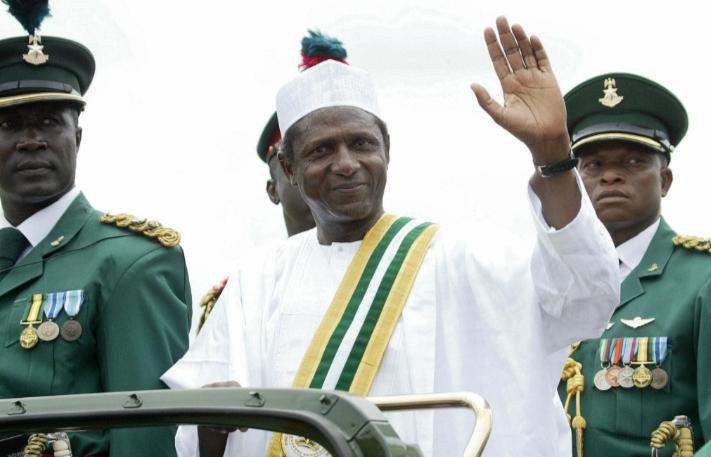
Umaru Musa Yar’Adua: Power, Illness, and the Fragile Promise of Reform Introduction Umaru Musa Yar'Adua was the thirteenth President of Nigeria and one of the most quietly controversial leaders in the nation’s modern political history. He came into office with a reputation for personal integrity and modesty. He promised electoral reform, rule of law, and national reconciliation....
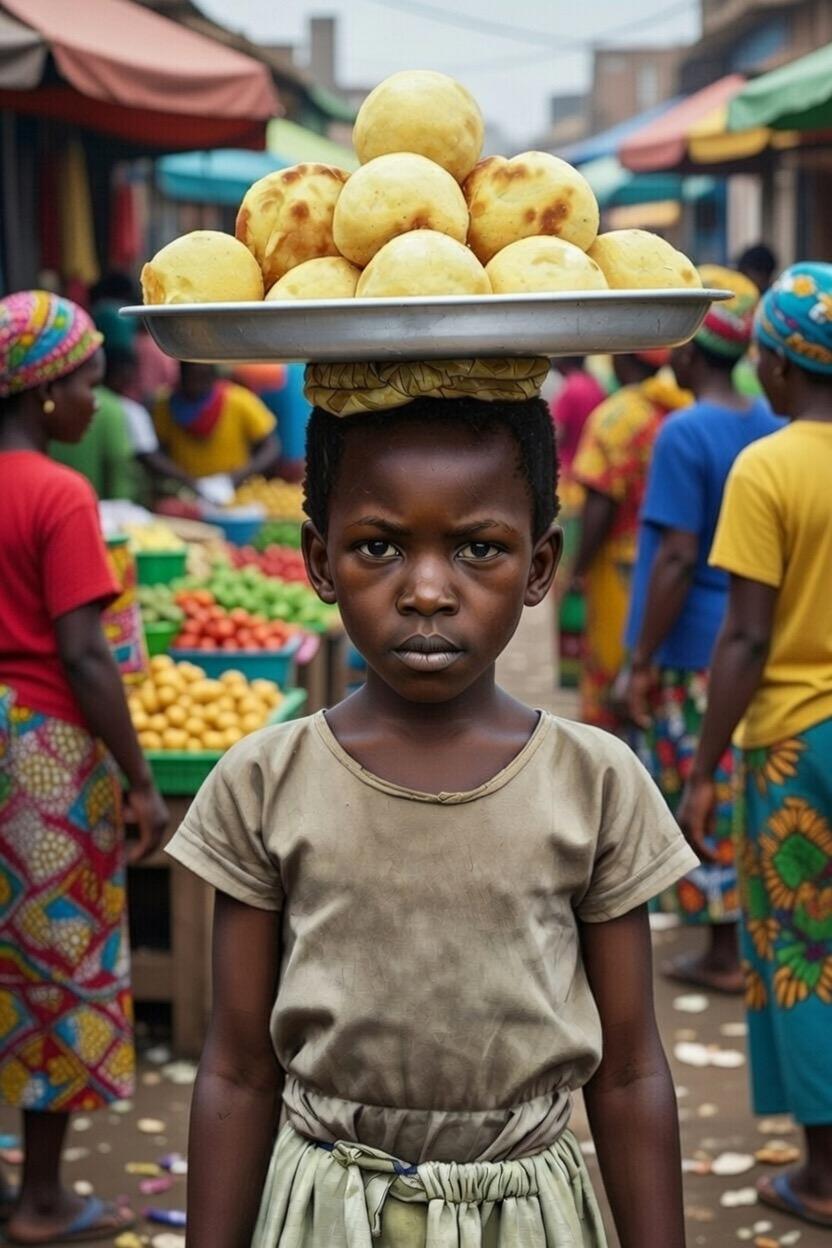
In a quiet village, Tunde sold akara at dawn. His golden balls smelled heavenly, but villagers avoided them after sunset. Rumors spread that those who ate Tunde’s akara at night saw things they were not meant to see.One evening, a curious young man, Kemi, bought one. As he bit into it, shadows shifted unnaturally, and whispers filled the air. He could see hidden paths in the forest, but...
Hafiz Oyetoro Hafiz Oyetoro, popularly known as Saka, is a Nigerian actor, comedian, and lecturer who became widely famous for his humorous roles in Nollywood movies and television advertisements. He gained nationwide recognition after appearing in several popular commercials and comedy films. Hafiz Oyetoro was born on August 20, 1963, in Iseyin, Oyo State, Nigeria. Early Life and Background...