About
About
The Night the Chiefs Signed Away Their People
African history
The night began like many others in the village of Umudike quiet, heavy, and wrapped in the kind of silence that listens back.
The moon sat low, round and watchful, like an elder who had seen too much to speak. The wind moved slowly through the tall palm trees, brushing against the roofs of mud houses as if whispering warnings no one could understand.
Children had already been called inside. Fires were dying. Dogs, usually restless, lay still as though something unseen had pressed a hand upon their backs.
But at the center of the village, under the great iroko tree, light still burned.
The chiefs had gathered.
They came wrapped in authority red caps, coral beads, staffs polished by generations. Their faces carried wisdom, yes, but also something else that night. Something unsettled. Something unsure.
Because strangers had arrived.
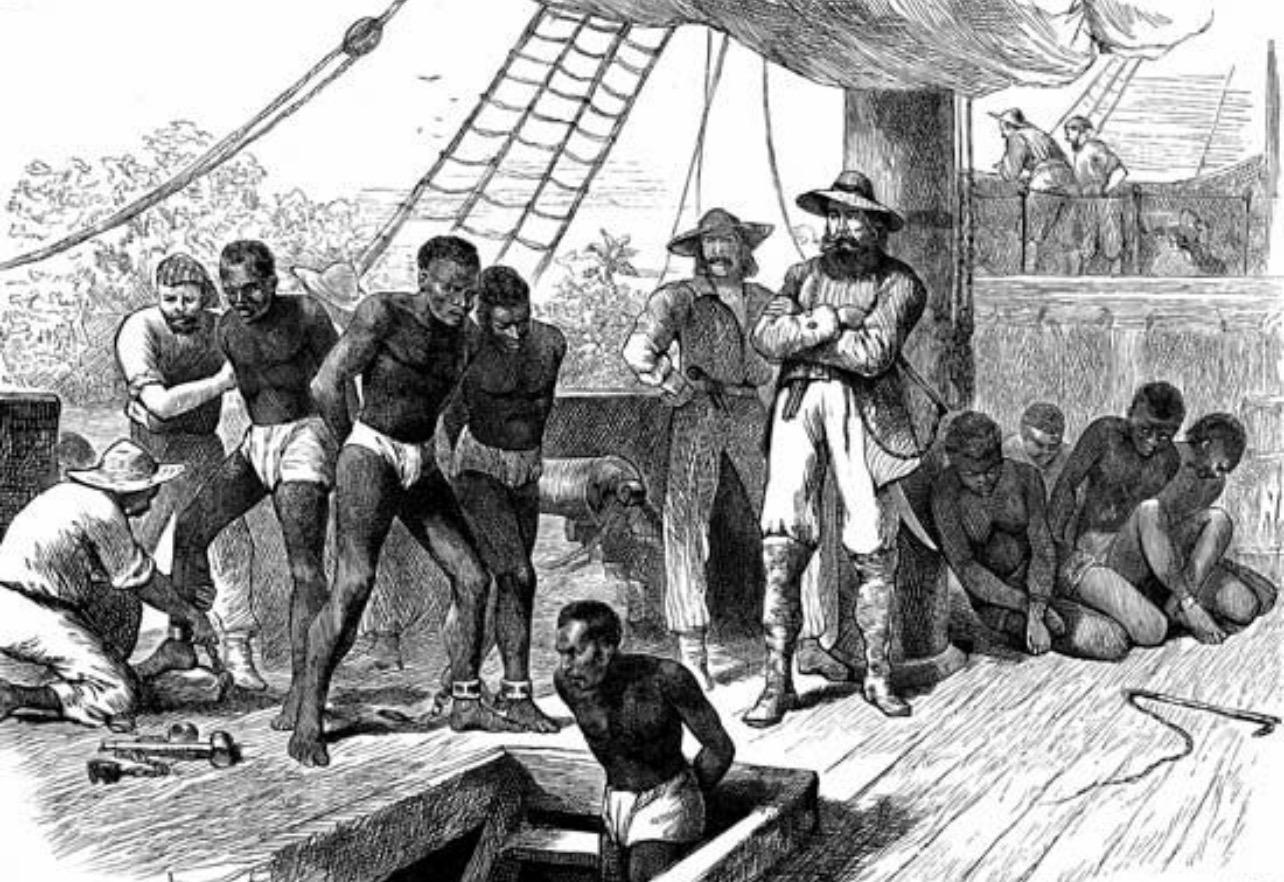
They had come earlier that day, not like traders, not like travelers, but like men who already believed the land belonged to them. Their skin was pale like dry chalk, their clothes stiff and foreign, their language sharp and cutting like broken glass.
They smiled too much.
And when they smiled, their eyes did not follow.
They brought gifts mirrors that showed faces brighter than water ever could, bottles filled with strong drink that burned like fire, cloth that shimmered like the wings of a butterfly.
The younger men in the village had watched in amazement.
But the elders…
The elders had watched in silence.
Because deep inside their bones, something felt wrong.
Now, under the iroko tree, the strangers sat across from the chiefs. Between them lay a wooden table, smooth and strange, unlike anything carved by the hands of the village.
And on that table…
A paper.
Thin. Light. Harmless-looking.
But heavy with a future no one could yet see.
The leader of the strangers leaned forward, his smile stretching wider.
“This,” he said slowly, as if speaking to children, “is friendship.”
One of the interpreters a man from a distant land who spoke both tongues but belonged to neither cleared his throat and translated.
“It is an agreement,” he said. “A promise of peace, protection, and trade.”
The chiefs murmured among themselves.
Peace.
Protection.
Trade.
Words that sounded good. Words that carried comfort.
But words that had never needed to be written before.
In Umudike, a man’s word was his bond. A handshake, a kola nut shared, a witness from the ancestors that was enough.
But this…
This was different.
Chief Okeke, the oldest among them, leaned forward. His voice came slow, like a drumbeat from far away.
“Why must friendship be written?”
The interpreter hesitated before speaking.
“So it can never be broken.”
A lie, though no one called it that.
The stranger nodded, pleased.
“Yes,” he said. “Never broken.”
But Chief Okeke’s eyes narrowed.
Because he had lived long enough to know anything that must be written to be believed is already in danger of being broken.
Another chief, younger, restless, and eager, spoke up.
“What do we gain?” he asked.
The stranger’s smile returned like a shadow.
“Everything,” he said.
“Guns. Protection from enemies. Trade routes. Wealth.”
The word wealth moved through the chiefs like wind through dry grass.
Wealth.
It sounded like safety. It sounded like power. It sounded like a future where their people would never suffer.
And yet…
Chief Okeke felt a coldness crawl into his chest.
“What do you gain?” he asked quietly.
The interpreter shifted again.
“Only friendship.”
Silence fell.
Even the wind seemed to pause.
Because something in that answer was too light… for a question so heavy.
The stranger gestured to the paper.
“All that is needed,” he said, “is a mark. A sign. Your agreement.”
A mark.
Not even a signature.
Because they knew the chiefs could not write.
But they could make a mark.
And that would be enough.
The youngest chief stood.
“I will sign,” he said.
Murmurs spread.
He was ambitious. Brave. Hungry for change.
He saw opportunity where others saw danger.
He stepped forward, picked up the strange feather dipped in dark ink, and pressed it to the paper.
A mark.
Simple.
Small.
But the night shifted.
Something unseen… broke.
One by one, others followed.
Some out of hope.
Some out of fear.
Some because they believed refusing would bring war.
And some…
Because they did not want to be the only ones left behind.
Each mark fell onto the paper like a drumbeat of surrender no one could hear.
Until only one remained.
Chief Okeke.
The firelight danced across his face, revealing lines carved not just by age, but by memory.
He had seen seasons change. He had seen rivers dry and return. He had seen men rise and fall.
But this…
This felt different.
He looked at the paper.
Then at the strangers.
Then at his people, watching from the shadows, trusting him.
And in that moment…
He felt something tear inside him.
Because leadership is not always about knowing the right answer.
Sometimes…
It is about choosing between two wrong ones.
Refuse and risk war.
Accept and risk something he could not yet name.
His hand trembled.
Not from weakness.
But from the weight of generations resting upon it.
He picked up the feather.
Paused.
The night held its breath.
And then…
He made his mark.
The stranger smiled.
Wide.
Satisfied.
Victorious.
The paper was folded carefully, as though it were sacred.
But it was not sacred.
It was a door.
And that night…
They had opened it.
The strangers left the next morning.
Their boots left prints in the soil.
But what they took…
Could not be seen.
Days passed.
Then weeks.
At first, nothing changed.
The sun still rose.
The market still bustled.
Children still laughed.
But slowly…
The changes came.
New rules.
Strange laws.
Taxes.
Demands.
The guns that were promised for protection…
Were turned into control.
The friendship that was promised…
Became ownership.
And the paper…
That thin, harmless-looking paper…
Became power.
Not in the hands of the chiefs.
But in the hands of the strangers.
Because what the chiefs had signed…
Was not friendship.
It was surrender.
Land began to shift not physically, but in meaning.
What once belonged to everyone now belonged to someone else.
Farms were taken.
Forests claimed.
Rivers measured.
Names changed.
Even the air felt different.
Heavier.
Watched.
Chief Okeke grew quieter with each passing day.
He would sit under the iroko tree, staring at the place where the table had once stood.
As if hoping the night would return.
As if hoping he could choose differently.
But time does not move backward.
And choices…
Do not unmake themselves.
One evening, a young boy approached him.
“Why did you sign?” the boy asked.
There was no anger in his voice.
Only confusion.
Only hurt.
Chief Okeke looked at him for a long time.
And then he spoke.
“Because I was afraid.”
The boy frowned.
“But you are a chief.”
“Yes,” Okeke said softly.
“And chiefs are men.”
Silence stretched between them.
“I thought I was protecting you,” he continued.
“I thought I was choosing the lesser danger.”
He looked up at the sky, where the same moon still watched.
“But sometimes,” he whispered, “danger does not look like danger when it arrives.”
The boy said nothing.
Because there was nothing to say.
The damage had already been done.
Years passed.
The story of that night became a whisper.
Then a warning.
Then a lesson.
Not about villains and heroes.
But about choices.
About trust.
About the cost of not understanding what you are agreeing to.
And somewhere, in the memory of the land itself, the night remained.
The night the chiefs signed away their people.
Not with chains.
Not with war.
But with ink.
And belief.
And hope that turned into something else.
Something heavier.
Something lasting.
Because some losses do not happen in battle.
They happen quietly.
Under the moon.
With a pen in hand.
And a future no one can yet see.

Categories
Read More
Sabinus Sabinus, popularly known as Mr Funny, is a Nigerian comedian, actor, and social media content creator. He is one of the most popular skit makers in Nigeria and is widely known for playing unlucky but funny characters in his comedy videos. Early Life and Background Sabinus whose real name is Emmanuel Chukwuemeka Ejekwu was born on January 30, 1995, in Port Harcourt, Rivers...

Tolani Baj Tolani Baj is a Nigerian media personality, disc jockey (DJ), entrepreneur, and reality television star. She became widely known after appearing in Big Brother Naija. Early Life and Background Tolani Baj whose full name is Tolani Shobajo was born on October 20, 1993, in Lagos State, Nigeria. She grew up in Lagos before moving abroad for part of her education. From a young...

In the realm of home improvement, the Shower Drain Cover Factory at hasen-home presents a range of innovative drainage products designed for contemporary bathroom environments. Combining functional design with durable materials, these solutions address both aesthetic and practical requirements. High-quality drain covers play a crucial role in maintaining hygiene and efficiency. Modern...

Akinwande Oluwole Wole Soyinka is one of Africa’s greatest literary figures and one of Nigeria’s most influential public intellectuals. He is best known as the first African to win the Nobel Prize in Literature (1986), and for a lifetime of writing and activism that confronted colonialism, dictatorship, and the moral failures of power. His work spans drama, novels, poetry,...

In a crowded city where traffic never slept, three childhood friends Ayo, Bola, and Chike shared a cramped apartment. They struggled together, chasing dreams in a city that promised everything but gave little. They trusted one another, believing their bond was stronger than money or success. One evening, while working late at a closed electronics store, they discovered a forgotten safe hidden...