Environ
Wole Soyinka: The Nobel Laureate Who Turned Literature Into Resistance

Akinwande Oluwole
Wole Soyinka is one of Africa’s greatest literary figures and one of Nigeria’s most influential public intellectuals. He is best known as the first African to win the Nobel Prize in Literature (1986), and for a lifetime of writing and activism that confronted colonialism, dictatorship, and the moral failures of power. His work spans drama, novels, poetry, essays, memoir, and cultural criticism, and his voice has shaped global conversations about freedom, identity, and justice.
Early Life and Background
Akinwande Oluwole “Wole” Soyinka was born on July 13, 1934, in Abeokuta, in present day Ogun State, Nigeria. He grew up in a Yoruba Christian household where education was taken seriously. His childhood was shaped by the tension between tradition and modernity, and the realities of colonial Nigeria, influences that later appeared repeatedly in his writing.
Education
Soyinka attended schools in Nigeria before traveling to the United Kingdom for higher education. He studied at the University College Ibadan (then affiliated with the University of London) and later at the University of Leeds, where he deepened his interest in theatre, literature, and political thought. His exposure to both Nigerian and European intellectual environments helped him develop a unique style that blended Yoruba worldview, satire, and modern dramatic form.
Early Career and Theatre Work
Soyinka’s early years were deeply connected to theatre. He worked in drama and stage production, wrote plays, and built a reputation for bold storytelling and sharp social critique. From the beginning, his writing stood out for its fearless tone and its willingness to challenge hypocrisy in religion, politics, and society.
He became a major figure in Nigerian cultural life, helping to develop modern theatre in Nigeria and using performance as a tool for social reflection.
Writing Style and Major Themes
Soyinka’s work often explores power, tyranny, corruption, moral responsibility, and the clash between tradition and modern politics. He is also known for weaving Yoruba mythology, symbolism, and spiritual ideas into modern storytelling.
His writing is serious but also deeply satirical, often using humor and irony to expose injustice and the abuse of authority.
Political Activism and Imprisonment
Soyinka is not only known for literature but also for activism. During Nigeria’s political crises, especially around the Nigerian Civil War era, he became involved in efforts linked to peace and political dialogue. He was later arrested and imprisoned, spending time in solitary confinement. That experience became a major turning point in his life and strengthened his image as a writer who was willing to pay the price for speaking truth to power.
Over decades, he continued to criticize military rule and authoritarian politics in Nigeria and beyond, making him one of Africa’s most consistent pro democracy voices.
Nobel Prize and Global Recognition
In 1986, Wole Soyinka won the Nobel Prize in Literature, becoming the first African to receive the award in that category. The Nobel recognition confirmed his place as a world class writer and brought greater international attention to African literature as a serious global force.
He has also received many other honors, fellowships, and awards, and has served as a professor and visiting scholar at major universities around the world.
Later Life and Continuing Influence
Even in later years, Soyinka has remained active as a writer, speaker, and cultural critic. He has continued to publish essays and comment on global issues such as democracy, human rights, extremism, and the responsibilities of leadership.
Legacy
Wole Soyinka’s legacy is built on both artistic achievement and moral courage. He proved that African literature can stand at the highest global level without losing its cultural identity. He also proved that a writer can be more than an entertainer, becoming a conscience of society and a defender of freedom.


Catégories
Lire la suite
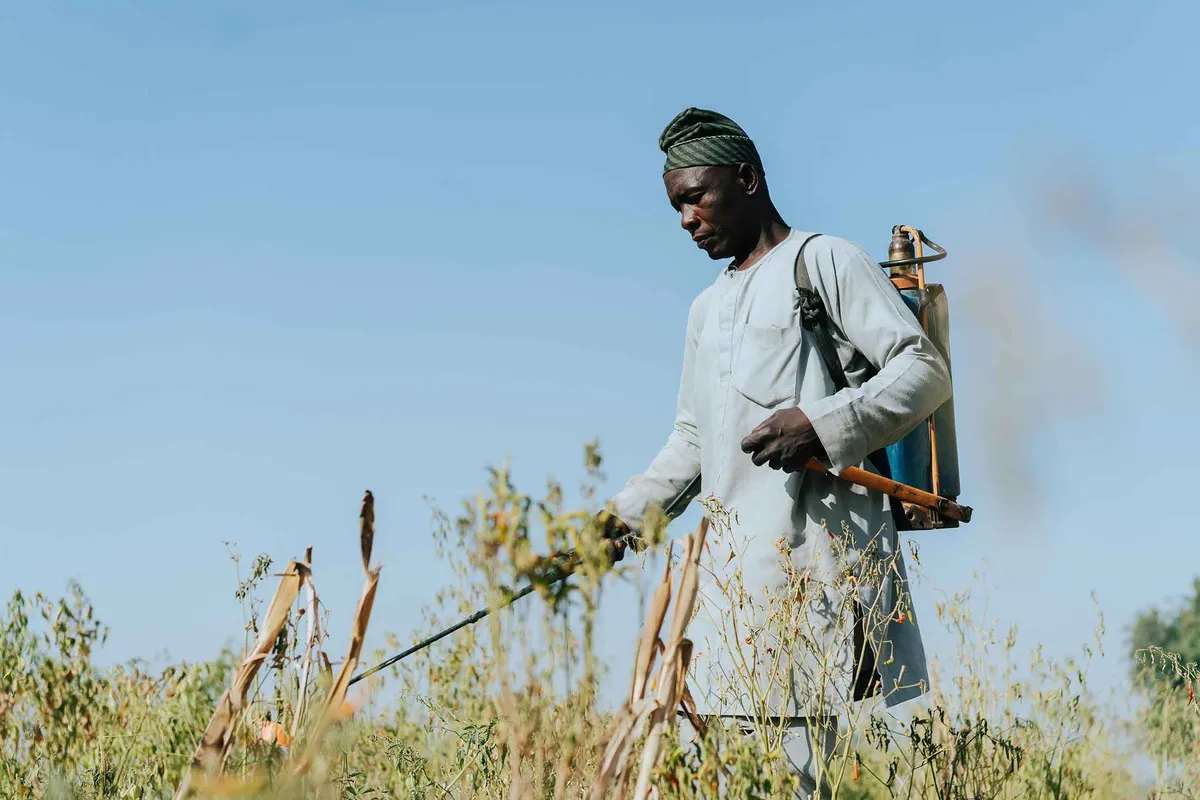
Dangerous pesticides outlawed by the European Union continue to circulate widely across Nigeria, raising urgent concerns about food safety, public health, and environmental contamination. Investigations show that many of these chemicals—prohibited in Europe due to cancer risks, reproductive harm, and environmental destruction—remain easily accessible in Nigerian markets with...
Jemima Osunde Jemima Osunde is a Nigerian actress, model, and presenter known for her natural screen presence, intelligence, and versatility in Nollywood. Born on April 30, 1996, in Lagos State, Nigeria, she has grown into one of the most admired young actresses in the Nigerian film industry. Early Life and Education Jemima Osunde was born and raised in Lagos in a close knit...

Chinedu came to Lagos with nothing but stubborn hope and a small bag of dreams. Ojuelegba was loud, unforgiving, and expensive. The city chewed up the weak and left them behind, but Chinedu refused to be weak. He started with a tiny roadside shop, sleeping on cartons at night, eating beans and bread for breakfast, lunch, and dinner. Slowly, his hard work bore fruit. One shop became two. Two...

Justin Timberlake Justin Timberlake is an American singer, songwriter, actor, and producer known for his smooth voice, stylish performances, and major influence on pop and R&B music. He is one of the most successful entertainers of his generation. Justin Randall Timberlake was born on January 31, 1981, in Memphis, Tennessee, United States. Early Life and Background Justin...

Calvin Harris Calvin Harris, whose real name is Adam Richard Wiles, is a Scottish DJ, music producer, songwriter, and one of the most successful figures in electronic dance music (EDM). Known for his hit songs and global collaborations, he has become one of the highest paid DJs in the world. He was born on January 17, 1984, in Dumfries, Scotland. Early Life and Background Calvin Harris...