О нас
О нас
The Silent Flame of the Maguzawa Legacy
Maguzawa
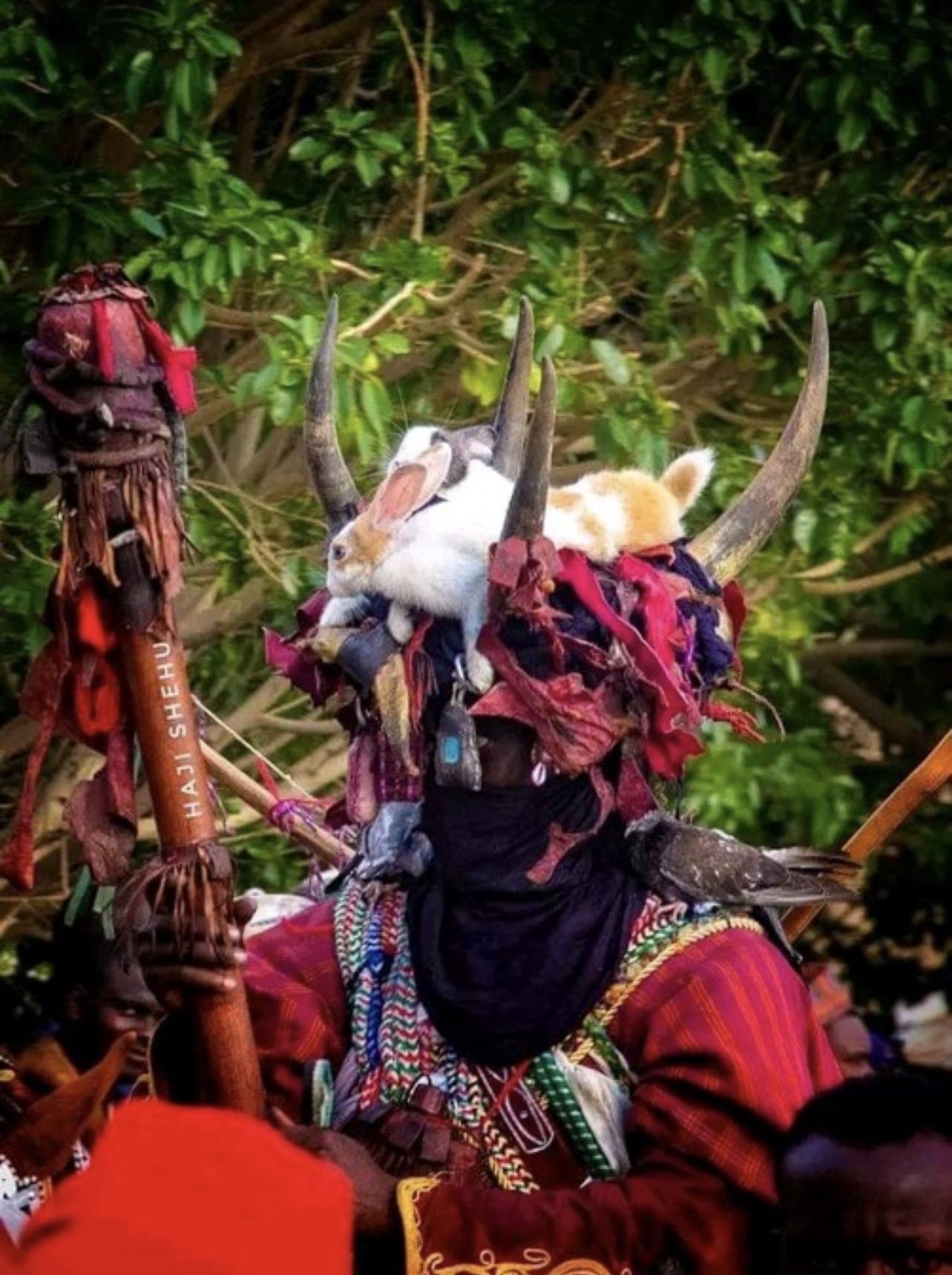
Long before the cities of Northern Nigeria grew loud with trade, prayer, and power, there existed a people whose story moved like a quiet river beneath the sand. They were the Maguzawa keepers of ancient traditions, protectors of forgotten knowledge, and symbols of resilience in a world that constantly demanded change.
Among them was a child named Sarki Dogo, born on a night when the moon hid behind restless clouds. His birth was unusual. The elders whispered that the wind circled the hut three times before he cried, a sign believed to mark a child chosen by the ancestors. His mother, a strong and quiet woman, held him close and knew deep within that his life would not follow the ordinary path.
The Maguzawa people lived on the edges of expanding kingdoms, often misunderstood and sometimes pushed aside. They held firmly to their ancestral beliefs, refusing to abandon the ways passed down through generations. While others embraced new religions and foreign influences, the Maguzawa remained rooted, like the baobab tree that survives storms by holding tightly to the earth.
Sarki Dogo grew up listening to stories told by the village elders under the shade of that ancient tree. He learned of spirits that guarded the land, of warriors who spoke with thunder, and of healers who could call rain with chants older than memory. But more than anything, he learned about identity the unbreakable thread that tied the Maguzawa to their past.
As a boy, he was different. While others played, he wandered into the forests, speaking softly to trees and animals. It was said that birds did not fly away when he approached, and even the stubborn goats followed him without resistance. The elders began to watch him closely.
One evening, during a season of severe drought, the village faced its greatest crisis. Crops failed, rivers dried up, and hunger crept into every home. The people turned to their traditional priests, but even the most powerful among them struggled to bring relief. Fear spread like wildfire.
It was then that Sarki Dogo, still just a young boy, stepped forward.
He told the elders that he had seen a vision. In his dream, the ancestors called him to a sacred hill far beyond their settlement. There, they said, lay the forgotten ritual that could restore balance to the land. Many doubted him. How could a boy succeed where seasoned spiritual leaders had failed?
But desperation leaves little room for pride.
With only a staff carved from baobab wood and a heart full of courage, Sarki Dogo set out on the journey. The path was dangerous, filled with wild animals and unseen spirits. Yet he walked without fear, guided by something deeper than instinct.
For days, he traveled alone. Hunger clawed at him, and the sun burned his skin. But each night, he claimed the ancestors appeared to him in dreams, teaching him songs and rituals lost to time. By the time he reached the sacred hill, he was no longer just a boy he had become a vessel of something ancient.
At the top of the hill, he performed the ritual exactly as he had been shown. He sang in a language no one had heard in generations, his voice rising with the wind. The ground trembled, and the sky darkened. Then, as if answering a long-forgotten call, the rains came.
Heavy, unstoppable rain.
Back in the village, the people watched in awe as the skies opened. Rivers began to fill again, and the land drank deeply. When Sarki Dogo returned days later, weak but alive, he was no longer seen as a child. He was declared a bridge between the living and the ancestors a living legend.
From that moment, his life changed.
He became the spiritual protector of the Maguzawa people, guiding them through seasons of uncertainty. When neighboring kingdoms tried to force them to abandon their traditions, Sarki Dogo stood firm. He taught his people that strength was not in numbers or weapons, but in knowing who they were.
His wisdom spread beyond his village. People from distant lands came to seek his guidance—warriors, traders, even rulers. Yet he never left his people behind. He believed his purpose was not to chase power, but to protect the fragile flame of his culture.
Years passed, and Sarki Dogo grew older. His hair turned white, and his steps became slower, but his spirit remained unshaken. One evening, as he sat beneath the same baobab tree where he once listened as a child, he gathered the young ones around him.
He told them that a legend is not someone who performs miracles, but someone who refuses to forget who they are, even when the world tries to erase them.
That night, he slept and never woke again.
But the story did not end there.
The Maguzawa people continued to speak his name with reverence, not because he brought rain, but because he gave them something far greater a reason to stand, to remember, and to remain.
To this day, in quiet villages and hidden corners of Northern Nigeria, his story lives on. It is told in whispers, sung in songs, and carried in the hearts of those who refuse to let their heritage fade.
Sarki Dogo became a legend not through conquest or fame, but through resilience, wisdom, and an unbreakable connection to his roots. He was the silent flame that refused to be extinguished.
And through him, the Maguzawa themselves became a living legend in history.

Категории
Больше
I was nineteen when my life changed in a way I never imagined and never wished for. At that age, I had dreams that felt simple and bright finishing school, building a career, laughing freely with friends, and believing the world was mostly kind. But one dark moment shattered that innocence. I was raped, and with that violence came a silence I carried alone for months. I was afraid to speak,...

Fresh controversy is brewing in Nigeria’s downstream oil sector as some fuel importers and marketers accuse the Dangote Refinery of selling petrol at cheaper rates to international buyers than to local marketers. According to Sunday PUNCH, the Depot and Petroleum Product Marketers Association of Nigeria (DAPPMAN) and the Petroleum Products Retail Outlet Owners Association of Nigeria...

The ongoing controversy surrounding the RATEL name and app has raised important questions for everyday users and small investors who depend on digital platforms for transactions, savings, and business opportunities. At the centre of the issue is a dispute over the legal ownership of the RATEL name in Nigeria. While the disagreement appears to be between high-profile individuals, its possible...

Daniel’s POV The next morning, I already knew I was in trouble. I told myself to be calm. To be professional. To remember the walls had ears and the corridors had eyes. I repeated it like a prayer as I walked into the school compound. Then I saw Victoria. She stepped through the gate like the morning itself had dressed her. She wore a deep green dress—simple, elegant, but...

At least four residents have been killed and several homes destroyed following a renewed bandit attack on Wawa community in Borgu Local Government Area of Niger State. The attack, which occurred on Friday evening between 8:00pm and 8:30pm, reportedly targeted Damala village, located behind the Woko–Daba mining area. Local sources said the assailants struck suddenly, killing four people...