About
About
The Boy Who Became the Lion of Kano
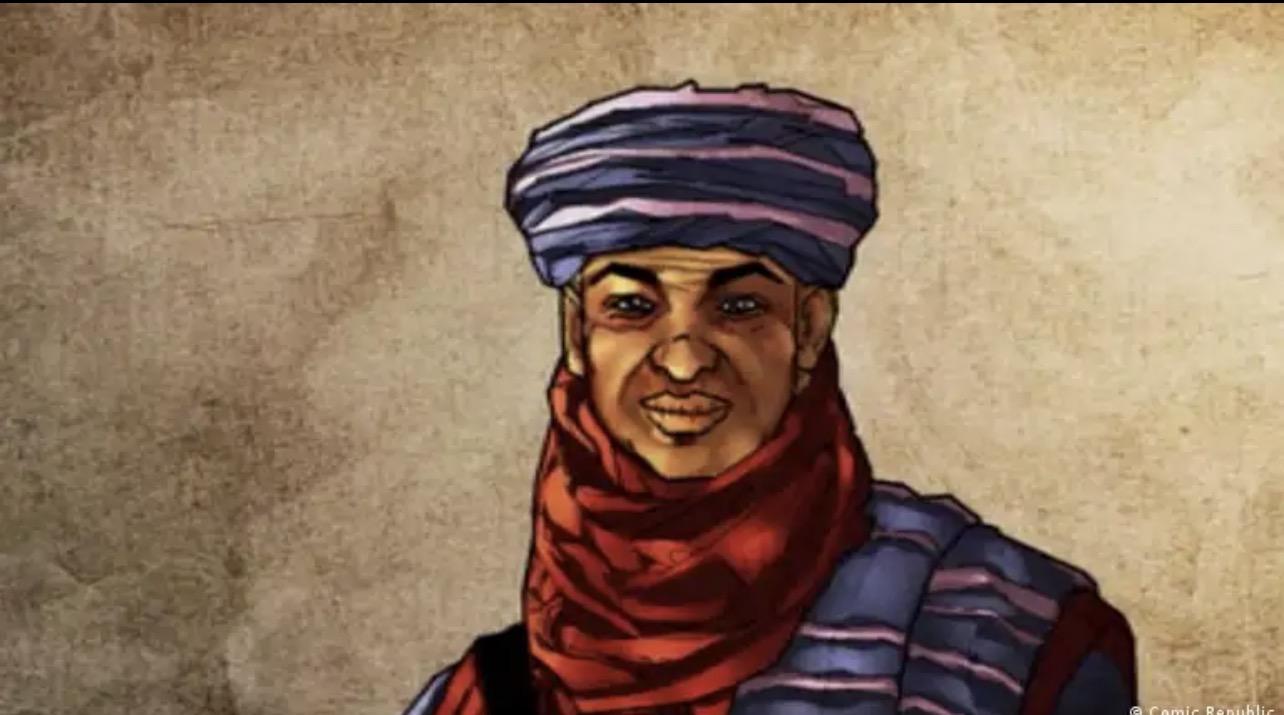
Bagauda
Long before the city of Kano rose into the bustling heartbeat of trade, culture, and power that it is known for today, the land was quiet, raw, and filled with whispers of spirits, wild beasts, and destiny waiting to be claimed. It was in those early days, when history had not yet been written but only spoken under moonlight, that a boy named Bagauda was born.
No one could tell from the moment of his birth that he would become a legend. He was not born into a palace, nor did he arrive with royal drums announcing his name. Instead, he came into the world like many others, in a humble setting, surrounded by uncertainty. Yet there was something different about him, something that elders would later describe as the mark of destiny. His eyes were calm but searching, as though he could already see paths others could not.
As a child, Bagauda was quiet but observant. While other children ran through the fields chasing goats and laughter, he watched the land. He studied the hills, especially the great Dalla Hill, which stood like a silent guardian over the region. He listened to the wind and the stories of the elders, stories of spirits that controlled the land and the dangers that kept people from settling permanently in the area.
At that time, the land that would become Kano was believed to be ruled by powerful forces. Hunters spoke of strange occurrences, and travelers avoided staying too long. Many believed that no man could truly claim the land and rule it. But Bagauda did not fear these stories. Instead, they fueled something inside him, a quiet determination to understand and conquer what others feared.
As he grew older, his strength became evident. Not just physical strength, though he had that too, but a strength of mind and spirit. He could endure hardship without complaint, and he had a rare ability to lead without forcing others. People naturally listened to him, drawn to his calm confidence.
One defining moment in his youth changed everything. It was said that during a time when the land was plagued by fear and uncertainty, Bagauda ventured toward Dalla Hill alone. Many warned him not to go, saying that spirits guarded the place and that no man who challenged them returned unchanged. But Bagauda believed that fear was the very thing keeping people from building a future.
He climbed the hill not with arrogance, but with purpose. The journey was difficult. The sun burned his skin, and the wind howled like voices trying to push him back. Yet he continued. When he reached the top, he stood still, looking over the vast land below. It was not cursed, he realized. It was simply waiting.
That moment marked the beginning of his transformation from a boy into a leader.
When Bagauda returned, he did not come back with tales of terror. Instead, he spoke of possibility. He told the people that the land could be settled, that the fear they carried was stronger than any spirit. At first, many doubted him. But a few believed, and those few became the foundation of something great.
Bagauda began to organize people. He encouraged them to build, to farm, to stay. Slowly, the land that was once avoided began to take shape as a community. It was not easy. There were challenges from nature, from doubt, and from those who still feared the unknown. But Bagauda stood firm.
He did not lead with force but with example. When there was work to be done, he was the first to begin. When there was danger, he stood at the front. When people argued, he listened and found peace. This kind of leadership was rare, and it made people trust him deeply.
As the settlement grew, so did his influence. He was no longer just Bagauda the boy or even Bagauda the leader. He became Bagauda the founder, the one who turned fear into courage and emptiness into a thriving community.
But what truly made Bagauda a legend was not just that he founded a settlement. It was how he transformed a mindset. He broke the chains of fear that held people back. He showed that what people believed about a place or their future could be changed through courage and vision.
Over time, the settlement became stronger, more organized, and more respected. It attracted traders, farmers, and families from surrounding areas. The name of Kano began to spread, and with it, the story of the man who made it possible.
Bagauda became recognized as the first ruler of Kano, the one who laid the foundation for a kingdom that would grow into one of the most important centers in West Africa. His leadership created systems, traditions, and a sense of identity that would last for generations.
Even after his time, his story did not fade. It lived on in the voices of griots, in the teachings of elders, and in the pride of the people of Kano. Children grew up hearing his name, not just as a ruler, but as a symbol of courage, vision, and transformation.
He was remembered as the one who saw opportunity where others saw danger. The one who stood alone when necessary, but always for the good of many. The one who proved that legends are not born from comfort, but from the willingness to face the unknown and shape it into something meaningful.
Today, when people speak of Kano’s origins, they do not just speak of a place. They speak of Bagauda. His legacy is not only in the land or the structures that followed, but in the spirit of resilience and ambition that continues to define the people.
That is what made Bagauda a legend. Not just that he ruled, but that he created. Not just that he led, but that he inspired. Not just that he lived, but that his story continues to live on, reminding generations that greatness often begins with one person daring to believe in what others cannot yet see.
And so, the boy who once climbed a hill alone became the lion of Kano, a name that time itself could not erase.

Categorii
Citeste mai mult
Isbae U Isbae U is a Nigerian comedian, actor, and digital content creator known for his humorous skits and entertaining interview style. His real name is Adebayo Ridwan Abidemi, and he gained popularity through social media where his comedy videos attracted a large audience. Over time, he became one of the well known young comedians in Nigeria’s online entertainment...

Nancy Isime Nancy Isime is one of Nigeria’s most vibrant and dynamic entertainers a woman whose journey from humble beginnings to national stardom reflects resilience, courage, and relentless ambition. Born on December 17, 1991, in Edo State, Nigeria, Nancy grew up in a modest household where discipline and determination were part of everyday life. Her early years were not...

THE BILLIONAIRE IN BORROWED SKIN Clara Mendoza used to believe that love would come to her in sunlight. In her imagination it would arrive gently, carried by laughter and simple joy. A hardworking man with honest hands would take her away from the cramped house she grew up in. They would build something small but real together. Instead, love arrived wrapped in humiliation. Her...

Scores Of Bandits On Over 40 Motorcycles Spotted Advancing Toward Lile Community In Kwara, Residents Panic Residents of Lile community in Patigi Local Government Area, Kwara State, were thrown into panic on Tuesday evening as scores of terrorists were reportedly seen advancing toward the area on dozens of motorcycles. According to local sources who spoke with SaharaReporters,...

Timini Egbuson Timini Egbuson is a prominent Nigerian actor, model, and media personality widely regarded as one of the leading faces of contemporary Nollywood. Known for his charming screen presence, confident personality, and versatility in romantic and dramatic roles, Timini has carved a unique space for himself in Nigeria’s fast-growing film industry. Over the years, he has...