About
About
The Warrior Spirit of the Ancients The Fear and Power of Epa Masquerade
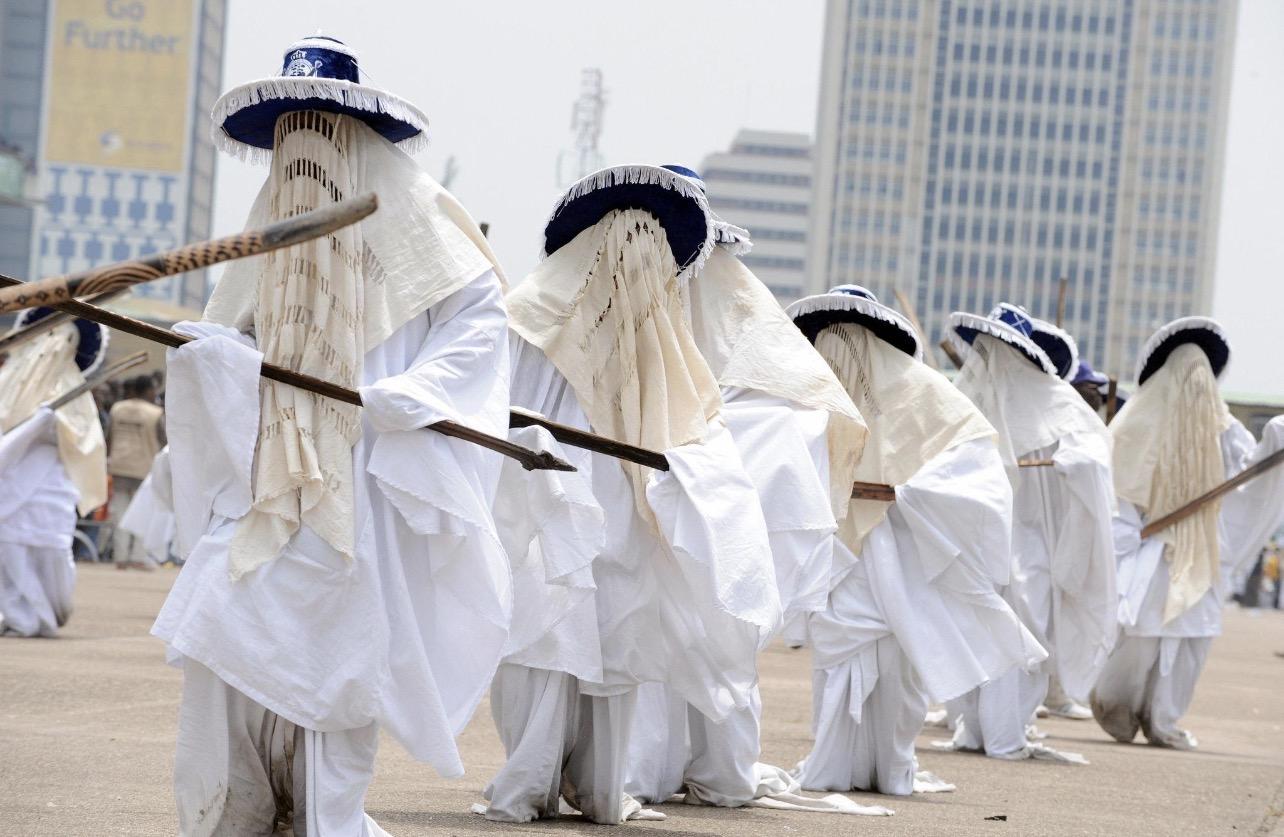
Epa Masquerade
In the heart of Yoruba land, where drums speak louder than words and traditions walk among the living, there exists a presence so powerful that even the bravest men lower their eyes when it passes. It is not a king, not a warrior, not even a spirit you can easily name. It is something more ancient, more commanding, and more feared. It is the Epa Masquerade.
Long before modern cities, before electricity lit up the night, before the noise of cars replaced the rhythm of talking drums, the people believed that the world of the living and the world of the ancestors were never truly apart. The ancestors watched. They guided. They protected. And sometimes, they returned.
The Epa Masquerade is not just a costume or a performance. It is a living symbol of strength, sacrifice, and spiritual authority. When it appears, it is said that what walks before you is no longer a man, but a vessel carrying the weight of generations.
The story of Epa begins with warriors.
In ancient Yoruba communities, survival depended on strength and unity. Villages faced threats from rival kingdoms, wild forces of nature, and unseen spiritual dangers. To protect the people, warriors were trained not only in combat but in discipline, honor, and spiritual alignment. They were not just fighters. They were guardians of the land and the unseen.
When a great warrior died, the people did not believe his strength vanished. Instead, they believed it transformed, becoming a protective force that could still guide the community. Over time, rituals were created to honor these spirits, to invite their presence back into the world, even if only for a moment.
That moment became the Epa festival.
During the festival, a chosen individual is selected to wear the Epa mask. But this is no ordinary mask. It is massive, towering above the wearer, often carved with detailed figures that represent community life, leadership, fertility, and war. The weight alone is enough to test the strongest of men. It is said that only someone spiritually and physically prepared can carry it without falling.
And that is where the fear begins.
Because if the carrier falls, it is not seen as a simple accident.
It is seen as a sign.
A bad omen.
A warning from the ancestors.
So when the Epa Masquerade steps into the open space, surrounded by drummers and chanting voices, silence often follows. Not the silence of emptiness, but the silence of respect mixed with fear. Every movement matters. Every step carries meaning.
The masquerade dances, but it is not a dance of joy. It is a dance of power.
Each stomp of the foot shakes the ground like a reminder that the ancestors are present. Each turn of the towering mask feels like a watchful eye scanning the crowd. The people watch carefully, not daring to mock, not daring to interrupt. Even children are warned to behave, because this is not entertainment.
This is presence.
This is authority.
And this is where many people begin to call it cruel.
The cruelty is not always physical. It is psychological. It is spiritual.
The Epa Masquerade does not tolerate disrespect. In many communities, there are strict rules. No one crosses its path carelessly. No one touches it. No one challenges it. Those who break these rules may face punishment, sometimes immediate, sometimes spiritual.
Stories have been told for generations of individuals who mocked the masquerade and later faced mysterious misfortune. Crops failing. Illness appearing without reason. Strange occurrences that could not be explained. Whether these stories are true or shaped by fear, they continue to live in the minds of the people.
And fear, once planted, grows strong.
But beyond fear, there is also discipline.
The Epa Masquerade represents the ideal of strength under control. The carrier must balance the heavy mask, maintain rhythm, and embody the spirit without losing focus. It is not easy. It requires training, endurance, and spiritual preparation. Some say the wearer enters a trance. Others say the spirit truly takes over.
No one can say for sure.
What is known is this: when the Epa moves, it does not move like a man.
It moves with purpose.
It moves with weight.
It moves like something older than time itself.
The fear of Epa is also tied to its unpredictability. Unlike lighter masquerades that entertain and interact playfully, Epa maintains a serious presence. It does not smile. It does not joke. Its towering structure makes it look almost like a giant walking among humans.
And humans fear what they cannot fully understand.
There are also moments during the festival when the energy becomes intense. Drums beat faster. Chants grow louder. The masquerade may perform sudden, powerful movements that send people stepping back instinctively. Not because they are told to, but because something inside them says, move.
Respect.
Fear.
Instinct.
All blending together.
Some elders explain that the Epa Masquerade is feared because it reminds people of consequences. It stands as a symbol that actions have weight. That the past is never truly gone. That the ancestors are always watching.
In a world where many things are changing, where modern life often moves faster than tradition, the Epa remains a powerful reminder of identity. It connects the people to their roots, to their history, to a time when strength was measured not just by physical ability but by spiritual alignment.
Yet, to outsiders, it can appear harsh.
The strict rules.
The serious presence.
The stories of punishment.
All of these create an image of something unforgiving.
But within the culture, it is not seen as cruelty.
It is seen as order.
It is seen as protection.
It is seen as necessary.
Because without structure, without respect, without fear of consequences, communities can fall apart.
The Epa Masquerade carries that responsibility.
To protect.
To warn.
To guide.
And sometimes, to remind.
There is a story often told in quiet tones about a young man who once tried to prove his bravery. He laughed at the warnings, stepped too close to the masquerade, and challenged its authority. Nothing happened immediately. He walked away proud, thinking the stories were just stories.
But days later, his life began to change. Small misfortunes at first. Then bigger ones. Until he returned to the elders, seeking forgiveness, performing rituals to restore balance. Whether coincidence or consequence, the lesson remained.
Respect what you do not fully understand.
That is the heart of the Epa Masquerade.
It is not just about fear.
It is about balance.
Between the living and the dead.
Between power and humility.
Between strength and responsibility.
As the festival ends and the masquerade disappears back into secrecy, the air slowly returns to normal. People begin to talk again. Children run. Laughter returns. But something lingers.
A feeling.
A reminder.
That for a brief moment, the boundary between worlds was thin.
And something crossed over.
That is why the Epa Masquerade is called the warrior spirit.
That is why it is feared.
Not because it is evil.
But because it is powerful.
And power, when deeply rooted in tradition and mystery, will always command both respect and fear.

Categories
Read More
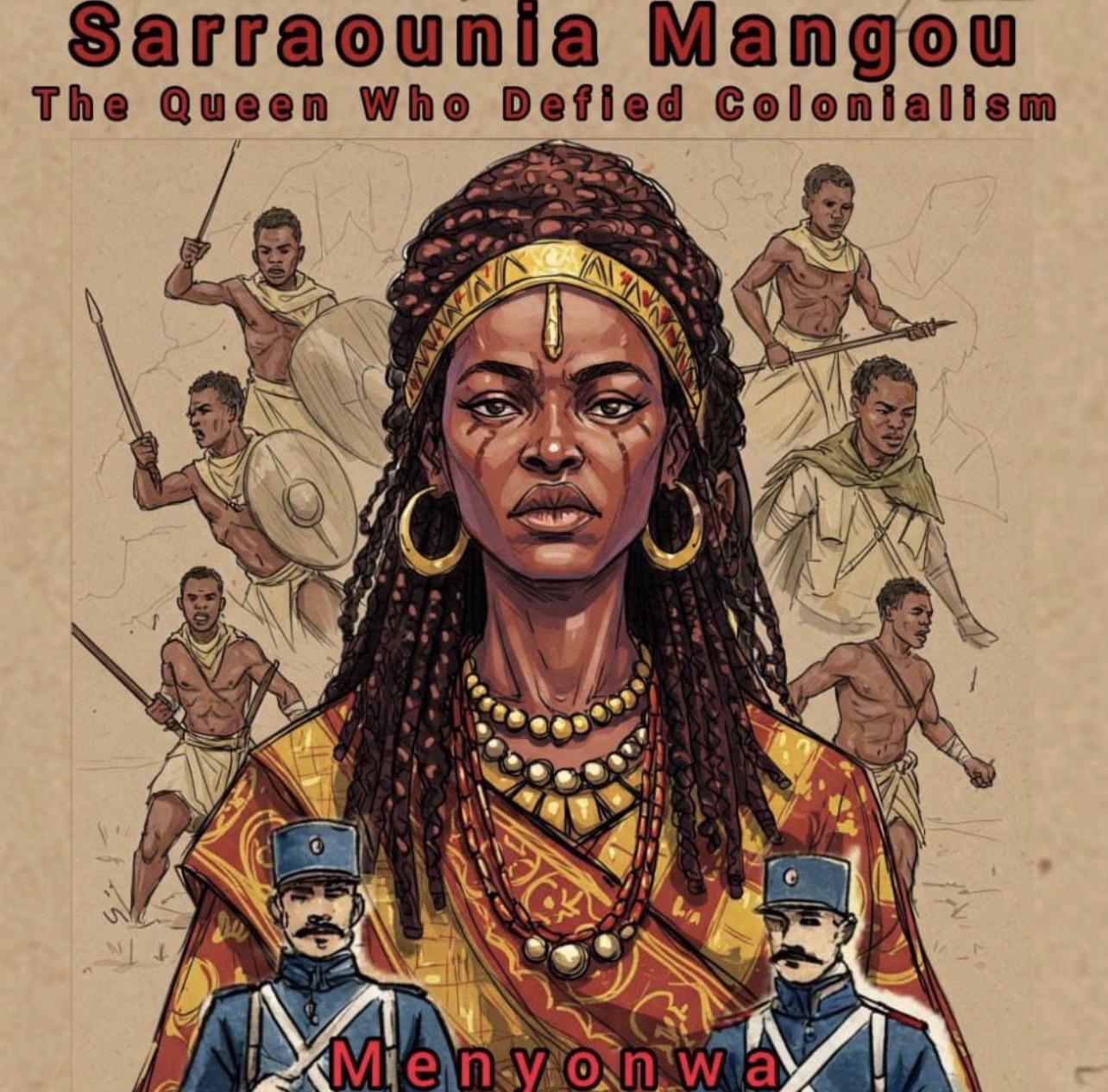
Sarraounia Mangou Long before her name began appearing in books, films, and conversations about African resistance, Sarraounia Mangou lived in a world where danger could arrive on horseback, where power was measured not only by the sword but by spirit, and where a ruler was expected to protect both land and people. She was not remembered simply because she sat on a throne. She...
The Indigenous People of Biafra (IPOB) has strongly criticized Anambra State Governor Chukwuma Soludo, accusing him of endangering Igbo youth and calling for his immediate resignation over what they describe as "reckless and inflammatory" remarks. The backlash follows Soludo’s recent statement during a U.S. engagement, where he claimed that 99% of those arrested for kidnappings and...

Jason Joel Desrouleaux, professionally known as Jason Derulo, was born on September 21, 1989, in Miramar, Florida, United States. He grew up in a Haitian-American family, and his cultural heritage played a role in shaping his musical style and artistic identity. From a young age, Jason displayed a strong interest in music and performance. He was influenced by a wide range of genres...

Frank Ugochukwu Edwards Before the bright concert lights, before global gospel collaborations, and before the name Rocktown became a respected music imprint, there was a quiet boy in Enugu State who found comfort in keys and chords. The world knows him as Frank Edwards — dynamic worship leader, producer, songwriter, and entrepreneur. But his journey began as Frank Ugochukwu...

Aminat (POV) I had never felt fear like the day I saw her my mother walking through the college gates. She looked small, fragile, dressed in faded clothes that screamed of struggle. My chest tightened. I wanted to run, to disappear into the crowd. I told myself I was busy, that I could not see her now, that the lies were necessary. I sent a cold text instead: I am busy. Please go home....