About
About
The Sacred Rhythm of the Drum The Spiritual Voice of Africa
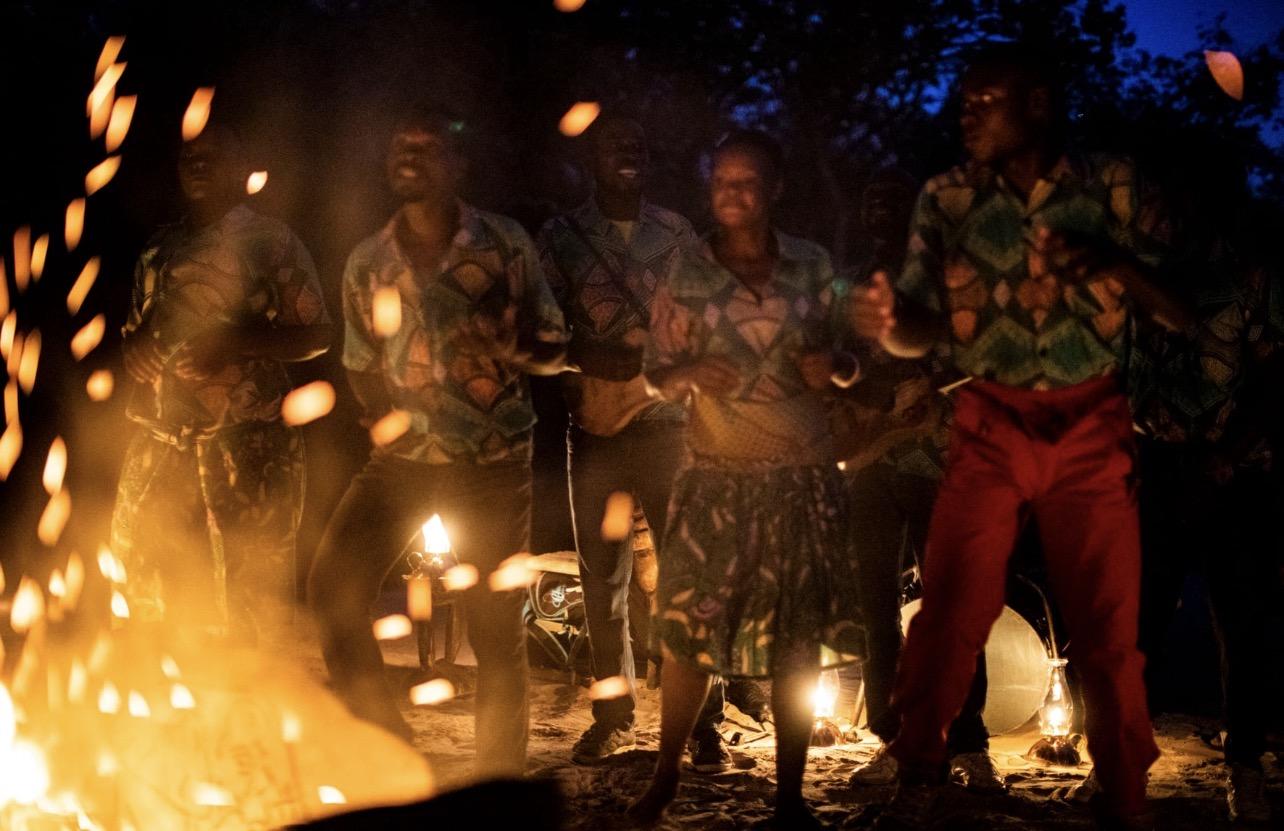
The Spiritual Voice
Long before written words traveled across the continent and long before colonial maps tried to divide lands that had their own ancient order, the drum was already speaking. In many African societies, the drum was never just an instrument. It was a messenger, a historian, a sacred object, and sometimes even a bridge between the living and the unseen world.
Across villages, kingdoms, forests, and deserts, the sound of the drum carried meaning deeper than rhythm. It carried spirit. It carried memory. It carried life itself.
In Africa, the drum does not simply make sound. The drum speaks.
The Drum That Calls the Spirit's
In a quiet village surrounded by tall baobab trees, the sun had begun its slow descent. Smoke from cooking fires curled gently into the evening air, and children chased each other between huts. But suddenly, the first deep boom of a drum echoed through the settlement.
Boom.
The sound rolled like thunder across the earth.
Another beat followed, then another, steady and powerful. Instantly, the atmosphere changed. Elders stood. Women paused their cooking. Children grew silent.
Everyone knew what the sound meant.
It was not entertainment.
It was a spiritual call.
In many African societies, drums are believed to awaken spiritual presence. The rhythm signals to ancestors and spirits that a ceremony has begun. The drum becomes a sacred invitation, telling the invisible world that the living are ready to communicate.
The drummer is therefore not just a musician. He or she is often a trained spiritual intermediary. Among the Yoruba, the master drummer is sometimes regarded as someone who understands both language and spirit. Among the Mandé people of West Africa, drummers known as griots are guardians of tradition, history, and sacred knowledge.
When the drum speaks, the spirit world listens.
The Language Hidden in Rhythm
One of the most fascinating powers of African drums is their ability to mimic human speech.
In many regions of West Africa, especially among the Yoruba people, the talking drum can imitate the tones and patterns of spoken language. Since Yoruba is a tonal language, the drum can reproduce entire phrases through rhythm and pitch.
A skilled drummer can announce a birth, warn of danger, praise a king, or call people to gather.
Imagine standing in a village where you suddenly hear a complex pattern of drumbeats echoing across the valley. To outsiders it may sound like music, but to the villagers it is clear communication.
The drum might be saying:
Come to the square.
The elders have called a meeting.
Or perhaps:
A traveler approaches. Welcome him.
This musical language once allowed messages to travel many miles across forests and hills. Before telephones or written letters, drums carried information faster than runners could travel
But beyond communication, these rhythms also carried spiritual meaning. Certain patterns were believed to please specific ancestors or deities.
Thus, the drummer was not merely keeping rhythm.
He was speaking a sacred language.
Drums in Ritual and Ceremony
Throughout Africa, drums play central roles in life’s most important moments.
Birth ceremonies begin with drums celebrating the arrival of new life. The rhythms welcome the child not only into the human community but also into the spiritual family of ancestors.
During initiation rites, young men and women entering adulthood often dance to powerful drum patterns that symbolize transformation. These rhythms represent the journey from childhood into responsibility and spiritual awareness.
Marriage ceremonies pulse with joyful drumbeats that unite two families and honor the spirits who bless the union.
Even funerals, which might appear solemn to outsiders, often include vibrant drumming. In many African traditions, death is not seen as an end but as a transition into the ancestral world. The drum guides the spirit of the departed on its journey.
The rhythm says farewell.
It also says welcome to the ancestors.
In this way, drums accompany every stage of life.
From the first breath to the final farewell.
The Sacred Craft of Drum Making
African drums are not randomly constructed objects. Their creation is itself a sacred process.
Traditionally, drums are made from hollowed tree trunks and animal skin. But the choice of tree and the preparation of the skin often follow ritual guidelines.
Some communities believe certain trees contain stronger spiritual energy. Before cutting the tree, elders or craftsmen may offer prayers or perform small rituals asking permission from the forest.
The animal skin used for the drumhead may also carry symbolic meaning. Goat skin, cowhide, or antelope skin each produces different sounds and is chosen carefully depending on the drum’s purpose.
The act of building the drum is therefore more than craftsmanship.
It is spiritual preparation.
By the time the drum is completed, it is believed to carry both physical and spiritual power.
Some cultures even give names to important drums, treating them as living entities within the community.
Drums as the Heartbeat of Community
In African villages, drums often function like a social heartbeat.
When the rhythm begins, people gather. Music, dance, storytelling, and spiritual expression merge into a shared experience.
The drum does not belong to a single person. It belongs to the community.
During festivals, drummers may perform for hours, weaving complex rhythms that inspire dancers and singers. The energy spreads through the crowd like fire through dry grass.
Feet move.
Bodies sway.
Voices rise.
In that moment, the community becomes united through rhythm.
Anthropologists who have studied African musical traditions often observe that drumming is not just performance. It is participation. Everyone present contributes through dance, clapping, or singing.
The drum brings people together.
It reminds them that they are part of something larger than themselves.
The Spiritual Trance of Rhythm
Another powerful dimension of African drumming is its ability to create trance states.
In spiritual ceremonies, repeated rhythms can lead participants into deep meditative or ecstatic experiences. The steady pulse of the drum synchronizes with the human heartbeat and breathing.
Over time, dancers and participants may feel transported beyond ordinary consciousness.
Among some traditions, this trance state allows spiritual possession or communion with divine forces. A dancer may suddenly begin moving in ways that reflect the personality of a particular spirit or deity.
Observers do not see this as strange.
Instead, they recognize it as evidence that the spiritual world has arrived.
The drum is the doorway.
The rhythm is the key.
The Talking Drum and the Voice of Kings
In many ancient African kingdoms, drums also symbolized political authority.
Royal courts often maintained special drum ensembles that played during ceremonies, public announcements, and royal appearances.
Among the Akan of Ghana, sacred drums were part of the royal regalia of kings. Their rhythms praised the ruler and reminded the people of their shared history.
Among the Yoruba, royal drummers played complex praise poetry through their instruments, celebrating the lineage and achievements of kings.
The drum was therefore not only spiritual but also political.
It announced leadership.
It preserved history.
It reminded the community of its identity.
The Drum as Keeper of Memory
Before written records became widespread, African societies relied heavily on oral traditions.
Drums played a key role in preserving these traditions.
Certain rhythms were associated with specific stories, heroic deeds, or ancestral praise names. Skilled drummers could recount historical events through musical patterns that listeners understood.
In this sense, the drum functioned like an archive.
Its rhythms stored the past.
When elders listened to familiar drum patterns, they were reminded of ancestors, victories, migrations, and struggles.
The drum kept memory alive.
The Survival of Drum Traditions
Despite centuries of disruption caused by colonialism, slavery, and modernization, African drum traditions have endured.
Even during the transatlantic slave trade, enslaved Africans carried their rhythmic knowledge to the Americas. From Brazil to Cuba to the United States, drum traditions survived and evolved.
Modern genres such as jazz, samba, reggae, and Afrobeat all carry echoes of ancient African rhythms.
Back on the African continent, drums continue to guide ceremonies, festivals, and spiritual gatherings.
The sound may change.
But the spirit remains.
The Eternal Voice of the Drum
If you travel through Africa today and listen carefully during evening gatherings, festivals, or traditional ceremonies, you will still hear the drum.
Its sound rises into the night air, rolling across hills and villages just as it has done for centuries.
Boom. Boom. Boom.
Each beat carries stories older than written history.
Each rhythm connects the living with those who came before.
In Africa, the drum is not simply an instrument.
It is the voice of ancestors.
It is the heartbeat of community.
It is the bridge between earth and spirit.
And as long as its rhythm continues, the spiritual soul of Africa will keep speaking.

Categories
Read More
Omoni Oboli Omoni Oboli is a Nigerian actress, filmmaker, scriptwriter, producer, and director known for her versatility and strong influence in Nollywood. Over the years, she has grown from a young actress into one of the most respected female filmmakers in Nigeria. Early Life and Background Omoni Oboli was born on April 22, 1978, in Benin City, Edo State, Nigeria. She hails...

Rory Assandey In many parts of Africa, access to healthcare remains one of the most serious challenges facing millions of people. Hospitals are often located far away from rural communities. Doctors are limited in number and medical resources are sometimes scarce. Many families rely on guesswork, traditional remedies, or unverified medical advice simply because professional...

Akpororo Akpororo is a Nigerian comedian, singer, and entertainer. He is widely known for his energetic stand up comedy performances and for combining comedy with gospel style music. Early Life and Background Akpororo whose real name is Bowoto Jephthah Oluwatiseyifumi Tanimola was born on October 14, 1989, in Warri, Delta State, Nigeria. He grew up in a humble background and...
The first time Aisha laughed that week, the sound startled her. It came out suddenly, sharp and almost foreign, like a forgotten language her body remembered before her mind did. She was standing at the edge of Third Mainland Bridge, packed into a yellow bus that smelled of sweat, engine oil, and impatience. The traffic hadn’t moved in forty minutes. A hawker outside was selling plantain...

Laycon Laycon is a Nigerian rapper, singer, songwriter, and reality television personality. He became widely famous after winning the fifth season of Big Brother Naija. Early Life and Background Laycon whose real name is Olamilekan Moshood Agbeleshe was born on November 8, 1993, in Lagos State, Nigeria. He originally hails from Ogun State. He grew up in Lagos where he spent most of...