


 About
About
The Wisdom Hidden in African Folktales
African Folktales
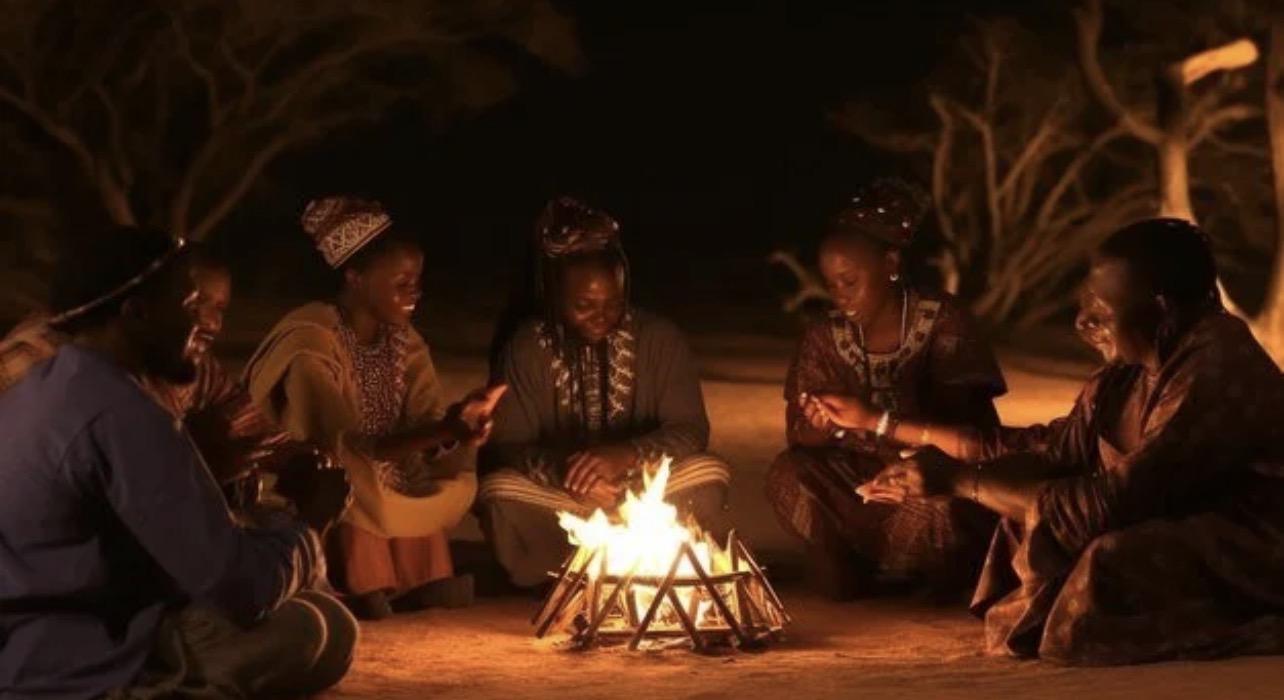
Long before books were printed and libraries were built, stories lived in the hearts of people. In many African communities, wisdom was not stored on paper but carried in the voices of elders and passed from generation to generation through stories. These stories were known as folktales. They were shared at night when the sun had set and families gathered around the warmth of a fire. Children sat quietly, their eyes wide with curiosity, while the elders spoke slowly and carefully, weaving lessons about life into simple tales.
African folktales were never just entertainment. They were the classrooms of the village. Through animals that spoke, clever tricksters, foolish kings, and brave children, these stories taught values that shaped entire societies. They taught patience, honesty, respect, courage, and wisdom. Even today, many Africans remember the first lessons they learned about life through these stories told by their grandparents.
The wisdom hidden in African folktales is deep and timeless. Each tale carries meaning that still applies to modern life. Even though the world has changed, the lessons remain the same.
The Story of the Talking Tortoise
In a small village surrounded by thick forests and wide rivers, there lived a tortoise known by everyone for his cleverness. The tortoise was not strong like the lion or fast like the antelope, but he had something more powerful. He had a sharp mind.
One season, the animals discovered that food had become scarce. The rivers were low and the fruit trees had stopped producing. Hunger spread across the land, and the animals began to worry about how they would survive.
One day the birds discovered a secret. High above the clouds was a land filled with endless food. There were fruits sweeter than honey and grains that never ran out. The birds planned to fly there for a great feast.
The tortoise overheard their conversation and quickly approached them.
“My friends,” he said politely, “we are all suffering in this season of hunger. Would you allow me to join you for the feast?”
The birds laughed at first because the tortoise could not fly. But he was known for speaking kindly and cleverly. After some discussion, each bird agreed to lend him one feather. With many feathers tied together, the tortoise was able to create wings.
Together they flew high into the sky and arrived at the land of plenty. When they landed, the hosts announced that the feast was prepared for all the birds.
The tortoise quickly spoke before anyone else could respond.
“Today my name is All of You,” he said.
When the food was served, the hosts said the feast was prepared for all of you. The tortoise immediately began eating everything before the birds could touch the food.
The birds were shocked and angry, but the tortoise had already filled himself with the delicious meal.
As punishment, the birds took back their feathers and left him stranded in the sky land. The tortoise begged them to tell his wife to place soft items on the ground so he could jump safely.
But the birds were still angry. When they delivered the message, they told his wife to place hard stones instead.
When the tortoise jumped down, he crashed onto the stones and his shell cracked into many pieces. Though it later healed, the cracks remained forever.
Even today, many people say the patterns on a tortoise shell remind us of the consequences of greed.
The lesson of this story is simple but powerful. Cleverness without honesty can bring trouble. Wisdom must always walk with good character.
The Spider Who Tried to Own All Wisdom
Another famous African folktale tells of a spider who believed he was the wisest creature in the world. The spider was known as Anansi, a trickster who loved knowledge.
One day Anansi began collecting every piece of wisdom he could find. Whenever someone shared a good idea or lesson, he stored it in a large pot.
Soon the pot became full of wisdom gathered from across the land. Anansi believed that if he kept all the wisdom for himself, he would become the most powerful creature alive.
But he was afraid that others might steal it, so he decided to hide the pot at the top of the tallest tree in the forest.
He tied the pot to his chest and began climbing the tree. However, the pot kept getting in the way. Every time he tried to climb higher, the pot pushed against the trunk and made climbing difficult.
His young son watched him struggling from below.
“Father,” the boy said gently, “why don’t you tie the pot to your back instead? That way you can climb easily.”
Anansi froze.
For a moment he realized something important. If he truly had collected all the wisdom in the world, how could his small child still teach him something new?
In frustration, he threw the pot down from the tree. The pot shattered and wisdom scattered everywhere across the land.
That is why people say wisdom belongs to everyone, not just one person.
This story teaches humility. No matter how much knowledge someone gathers, there is always something new to learn from others.
The Lion and the Little Hare
In another village near the savannah, a terrible lion ruled the land. The lion was powerful and cruel. Every day he hunted the animals without mercy. Soon the animals realized that if the lion continued this way, none of them would survive.
They gathered together to find a solution. After many hours of discussion, they made an agreement. Each day one animal would volunteer to go to the lion so the others could live in peace.
For many days the plan worked.
But one morning it was the turn of the little hare. The hare was small and weak compared to the lion, but he was known for being very clever.
Instead of going early, the hare deliberately arrived late.
The lion roared with anger.
“Why are you late?” he demanded.
The hare bowed respectfully.
“Oh great king, I came as fast as I could, but another lion stopped me. He said he is the true king of this land.”
The lion became furious.
“Another lion? Show me where he is!”
The hare led him to a deep well filled with clear water.
“He lives inside this cave,” the hare said, pointing to the well.
The lion looked inside and saw his own reflection. Thinking it was the rival lion, he roared loudly. The reflection roared back.
In anger he jumped into the well to attack the enemy and drowned.
The animals celebrated the clever hare who saved them all.
This folktale reminds people that intelligence can defeat strength. Bravery does not always come from size or power.
Why African Folktales Still Matter Today
African folktales are more than ancient stories. They are reflections of human life. They teach lessons that remain valuable in modern society.
They teach children to respect elders because elders carry experience. They teach communities to work together because unity brings survival. They teach leaders that power without wisdom leads to destruction.
In many African homes, storytelling still happens today. Grandparents continue to share these stories so that younger generations can understand the values that shaped their ancestors.
In a world filled with fast technology and constant change, these folktales remind people of something important. Wisdom does not always come from complicated books or modern inventions. Sometimes it comes from simple stories told under the stars.
And within those stories lies the voice of generations who lived, struggled, learned, and passed their wisdom forward.
African folktales are not just stories from the past. They are guides for the future.

Categories
Read More
Genevieve Nnaji’ Genevieve Nnaji is one of Nollywood’s most famous and influential stars, celebrated for her acting range, screen presence, and her role in pushing Nigerian cinema to global audiences. Over a career spanning decades, she has worked as an actress, producer, and director, becoming a symbol of modern Nollywood excellence. Early Life and Family Background Genevieve...

Victoria Adeyele, popularly known as Vee from Big Brother Naija, has once again set social media on fire—this time over a blunt take on friendship and boundaries in relationships. Taking to X (formerly Twitter), the Afrobeats singer shared a hotly debated opinion: “Anyone who shares their friend’s secret with their partner is a bad friend. End of story.” Vee’s...

Nelson Mandela Nelson Rolihlahla Mandela was born on July 18, 1918, in the small village of Mvezo in the Eastern Cape of South Africa. He was born into the Thembu royal family, and his father was a local chief. At birth, he was given the name Rolihlahla, meaning “troublemaker.” His English name, Nelson, was given to him by a teacher at school. From a young...

Prince Arthur Eze Arthur Eze (popularly called Prince Arthur Eze and known by the title Ozoigbondu) is a Nigerian billionaire businessman and oil mogul. He is best known as the founder and chief executive of Atlas Oranto Petroleum, one of the largest privately owned Nigerian exploration and production companies, with operations and licenses across multiple African countries. Early Life...

Human rights lawyer and activist, Dele Farotimi, has criticised President Bola Tinubu’s visit to Benue State, saying the President’s tone and posture during the trip were deeply insensitive to the pain and suffering of victims of recent violent attacks. Speaking on Channels Television’s The Morning Brief on Thursday, Farotimi said, “It would have been better if the...

