Über
Über
SHEHU SHAGARI: Nigerian Politician, statesman and Nigerian first Executive president
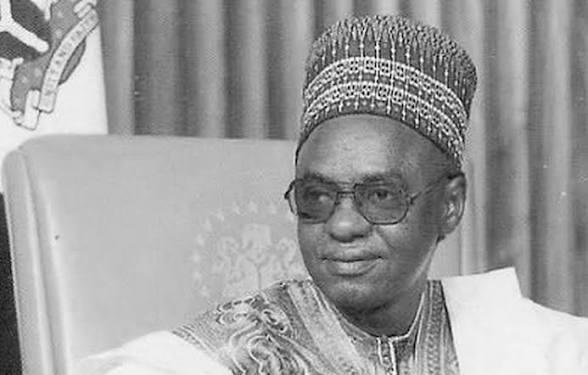
Shehu Shagari
Shehu Usman Aliyu Shagari was a Nigerian politician and statesman who served as the first executive President of Nigeria from 1979 to 1983. He became the leader of Nigeria during the Second Republic, marking the country’s return to civilian rule after many years of military government. Born on February 25, 1925, in Shagari town in present day Sokoto State, Nigeria, he later became one of the most important political figures in the nation’s history.
Early Life and Background
Shehu Shagari was born into a respected Muslim family in Shagari village, located in Sokoto State in northern Nigeria. His early upbringing was influenced by strong Islamic traditions and community leadership.
Growing up in northern Nigeria during the colonial era, Shagari experienced the cultural and political transformations that were taking place across the region.
Education
Shagari began his education at a Qur’anic school where he studied Islamic teachings and Arabic. He later attended Yabo Elementary School and Sokoto Middle School.
He eventually proceeded to Barewa College in Zaria, one of the most prestigious schools in northern Nigeria. The school produced several influential Nigerian leaders including Yakubu Gowon.
After completing his studies, Shagari trained as a teacher.
Early Career as a Teacher
Before entering politics, Shehu Shagari worked as a teacher. His teaching career helped him develop leadership and communication skills.
He later became a school inspector and education officer, gaining experience in administration and public service.
Entry Into Politics
Shagari entered politics during the late colonial period when Nigerians were pushing for greater participation in government.
He became involved in the Northern People’s Congress, a political party that represented the interests of northern Nigeria.
His political career gradually expanded as he held several government positions during Nigeria’s early years after independence.
Government Positions
During the First Republic, Shehu Shagari served in several important roles including:
Federal Minister of Economic Development
Federal Minister of Internal Affairs
Federal Minister of Finance
These positions gave him experience in national governance and economic management.
Presidency of Nigeria
In 1979, Nigeria transitioned from military rule back to civilian government. Shagari contested the presidential election under the National Party of Nigeria.
He won the election and became the first executive president of Nigeria on October 1, 1979.
As president, Shagari focused on national development, agriculture, and infrastructure projects.
Challenges During His Administration
Despite his efforts, Shagari’s government faced several major challenges including economic decline, corruption allegations, and falling oil prices.
These problems created political tension and dissatisfaction among many Nigerians.
Military Coup
On December 31, 1983, Shagari’s government was overthrown in a military coup led by Major General Muhammadu Buhari.
The coup ended the Second Republic and returned Nigeria to military rule.
Later Life
After leaving office, Shehu Shagari lived a quiet life and remained respected as an elder statesman. He occasionally participated in national discussions and supported democratic development.
Death
Shehu Shagari died on December 28, 2018, at the age of 93 in Abuja, Nigeria.
Legacy
Shehu Shagari is remembered as the first executive president of Nigeria and the leader who guided the country during the Second Republic.
His presidency represents an important chapter in Nigeria’s democratic history, reflecting both the hopes and challenges of civilian governance after years of military rule.

Kategorien
Mehr lesen
Being married doesn’t make you a husband. Leadership, sacrifice, emotional stability, and purpose do. It’s time we stop romanticizing maturity and start embodying it. Marriage isn’t about entitlement—it’s about building. Real husbands don’t demand submission—they inspire it. Be the structure. Be the foundation. Be the man who became. @pastrychef
Saidaboj Saidaboj is a Nigerian social media influencer and internet personality known for her bold statements about relationships, luxury lifestyle, and modern dating standards. She rose to fame through viral videos where she confidently shared her opinions about money, men, and self-worth, sparking debates across Nigerian social media Real Name Saidaboj’s full...

At a high-level diplomatic gathering in Changsha, China, representatives from 53 African nations—alongside the African Union—voiced strong concerns over recent U.S. trade tariffs on African exports. The group jointly called for a shift toward “fair and respectful” trade relations with Washington. In contrast, China extended zero-tariff access to most African countries,...
Mo Cheddah Mo'Cheddah did not enter the Nigerian music industry quietly. She came in bold, confident, stylish, and unapologetically different. At a time when female rappers were rare and often boxed into stereotypes, she carved her own lane with charisma, intelligence, and fearless delivery. But before the fame, before the hit songs, before the glamorous red carpets, there was a young...
A total of 542 senior Non-Commissioned Officers retired from the Nigerian Armed Forces on Thursday after 35 years of service. The retirement ceremony, held at the Nigerian Armed Forces Resettlement Centre in Oshodi, Lagos, included 362 soldiers from the Nigerian Army, 134 from the Navy, and 46 from the Air Force. Speaking at the event, the Chief of Army Staff, Lieutenant General Taoreed...