About
About
MARY SLESSOR : Scottish Missionary and Humanitarian Life story and biography
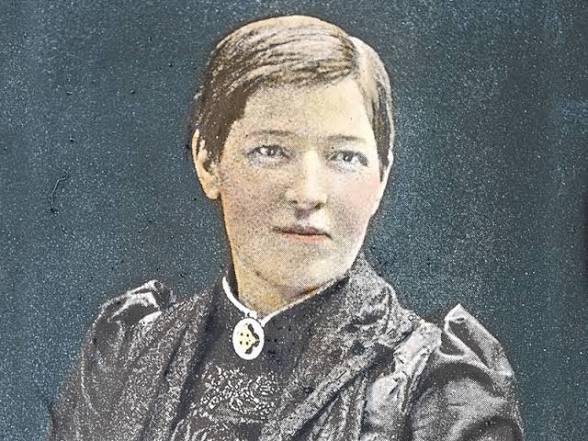
Mary Slessor
Mary Slessor was a Scottish missionary who became famous for her humanitarian work in Nigeria during the late nineteenth and early twentieth centuries. She is remembered for her efforts to stop the killing of twins and for promoting peace and education among communities in southeastern Nigeria. Born on December 2, 1848, in Aberdeen, Scotland, she later became one of the most respected missionaries in West African history.
Early Life and Background
Mary Mitchell Slessor was born into a poor working class family in Scotland. Her father worked as a shoemaker but struggled with alcoholism, which created financial difficulties for the family.
Because of these challenges, Mary had to begin working at a young age. At just eleven years old, she started working in a textile mill to help support her family.
Despite the hardship, Mary remained deeply religious and spent much of her time studying the Bible and missionary stories.
Inspiration to Become a Missionary
Mary Slessor became inspired by the stories of missionaries working in Africa, especially the work of the famous explorer and missionary David Livingstone.
She dreamed of traveling to Africa to help people and spread Christianity.
In 1876, after receiving training from the United Presbyterian Church, she was sent to Calabar in present day Cross River State, Nigeria.
Life in Nigeria
Life in Nigeria was extremely challenging for Mary Slessor. The climate was harsh, diseases such as malaria were common, and many European missionaries struggled to survive.
However, Mary adapted quickly. She learned the local languages and customs and lived among the communities rather than isolating herself.
Her willingness to understand local culture helped her gain the trust and respect of many people.
Fight Against the Killing of Twins
During that period, some communities in the region believed that twins were evil or cursed. Because of this belief, newborn twins were often abandoned or killed.
Mary Slessor strongly opposed this practice. She rescued many abandoned twins and cared for them herself.
Through years of advocacy and persuasion, she helped convince local leaders to abandon the harmful tradition.
Community Leadership
Mary Slessor became more than just a missionary. She often acted as a mediator and judge in disputes among local communities.
Her wisdom and fairness made her highly respected. Eventually, British colonial authorities even appointed her as a vice consul, allowing her to help administer justice in the region.
Humanitarian Work
In addition to rescuing children, Mary Slessor worked to improve the lives of local people by promoting education, healthcare, and peaceful cooperation among communities.
She helped establish schools and encouraged people to adopt new ideas that improved social conditions.
Death
Mary Slessor spent nearly four decades living and working in Nigeria. She died on January 13, 1915, in Calabar.
Her death was deeply mourned by both Nigerians and Europeans who recognized her dedication and service.
Legacy
Mary Slessor remains one of the most respected missionaries in Nigerian history. Her efforts helped save the lives of many children and brought social reforms to several communities.
Today, she is remembered as a symbol of compassion, courage, and humanitarian service. Her legacy continues to be celebrated in Nigeria, particularly in Cross River State where she carried out most of her work.

Categorieën
Read More
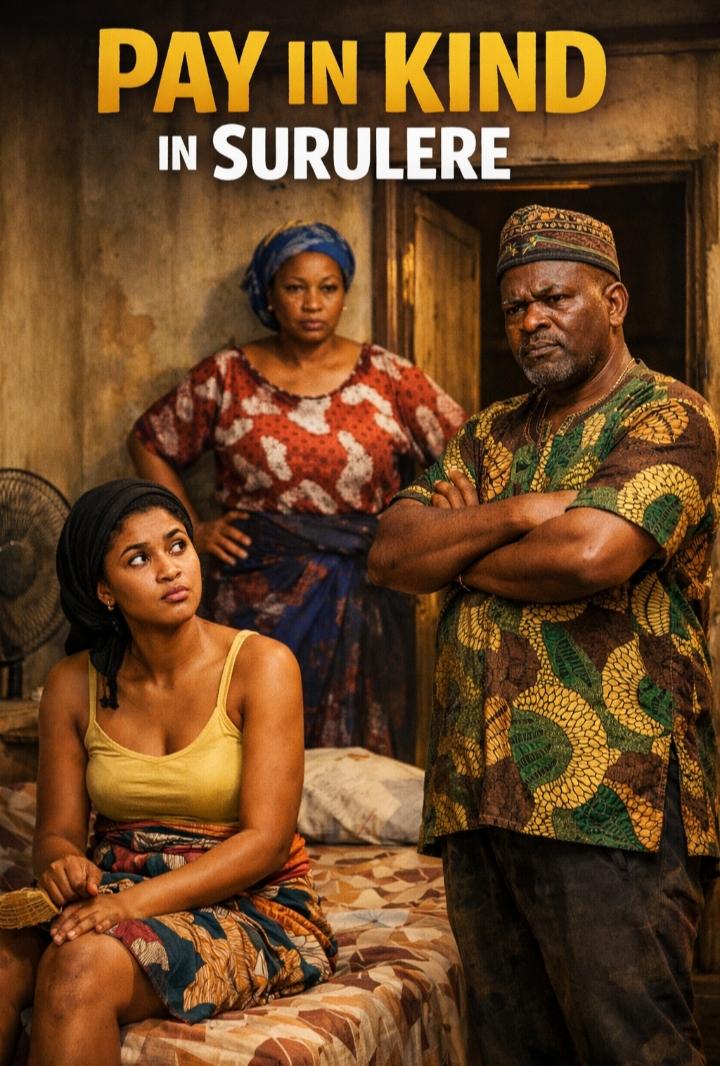
PAY IN KIND IN SURULERE In one lively face me I face you compound in Surulere, Lagos, there lived a dramatic young woman called Anita. Anita was fine. Not just ordinary fine. The kind of fine that made okada riders reduce speed when passing her balcony. She was confident, sharp mouthed, and always owing rent. Nobody in the compound really understood how she managed to look like soft life...
Adewale’s POV The palace courtyard was full. Chiefs. Elders. Guards. Servants. Everyone. I stood beside my father, the crown heavy on my head not because of its weight, but because of what I was about to do. I searched the crowd until I found her. Adebimpe. She stood quietly, unaware that her life was about to change in front of the entire kingdom. I stepped forward. “People...

Lawrence Anini In the turbulent decade of the 1980s, when fear gripped many parts of southern Nigeria, one name echoed louder than the rest. That name was Lawrence Anini. He became one of the most feared criminals in Nigerian history, a man whose actions shook the nation and exposed deep cracks in the country’s security system. Early Life and Background Lawrence Anini was...
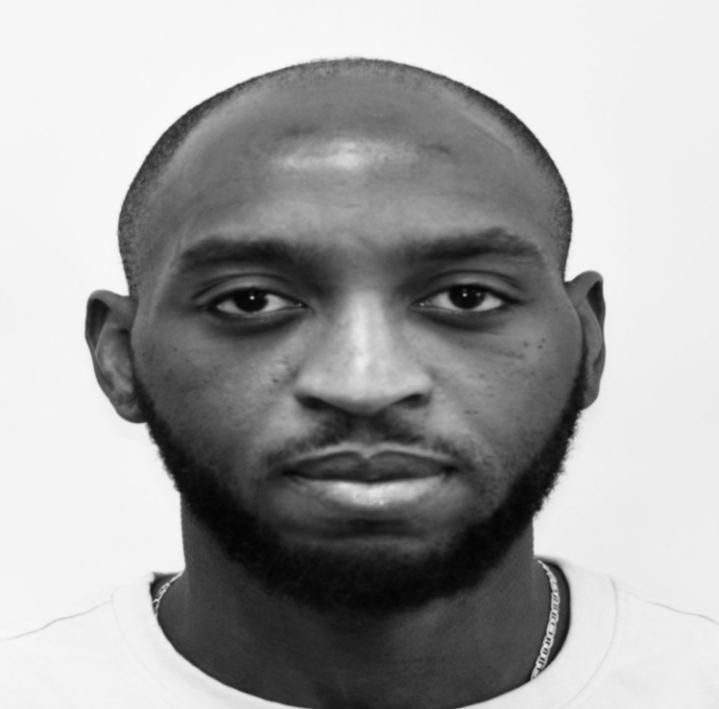
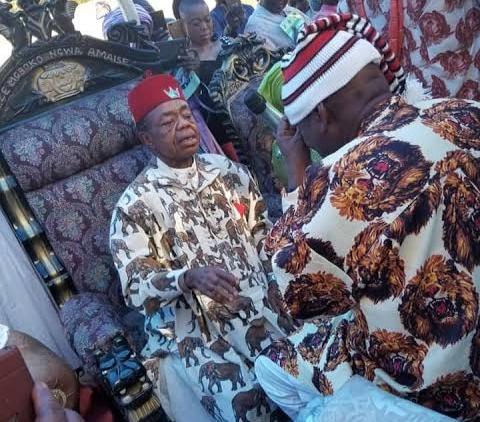
Eze Eberechi Dick In the creeks and riverbanks of Rivers State, where oil wealth and ancestral heritage meet in complex harmony, traditional authority still carries deep meaning. Chiefs gather in council. Drums speak in coded rhythm. Elders guard customs handed down for generations. Within this landscape rose a man whose journey traveled through engineering fields and corporate...
Colin Morgan Full Name:Colin MorganBorn:January 1, 1986Birthplace:ArmaghNationality:Northern IrishProfession:Actor (Film, Television & Theatre) Early Life and Education Colin Morgan was born and raised in Armagh, Northern Ireland. From a young age, he showed strong interest in acting and drama. He attended Integrated College Dungannon before going on to...