About
About
The Living Fortress by the Sea: The Timeless Story of the Kasbah of Algiers
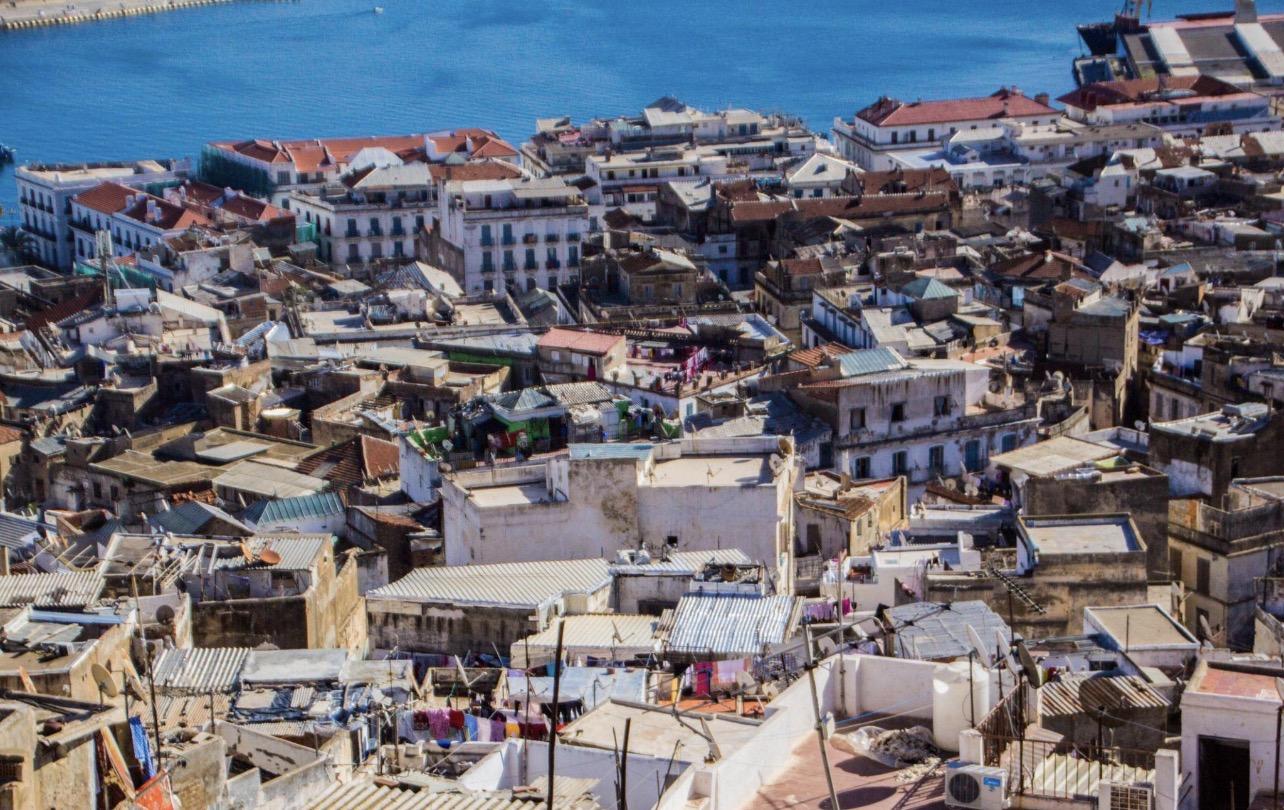
Kasbah of Algiers
High above the blue waters of the Mediterranean Sea stands one of the most fascinating historical places in North Africa. The Kasbah of Algiers is not just a group of old houses and winding streets. It is a living memory of centuries of power, struggle, culture, and resilience. Every wall, staircase, and narrow alleyway holds a story that shaped the history of Algeria and influenced the wider Mediterranean world.
To understand why the Kasbah of Algiers became such an important historical place, one must travel back through time to the early beginnings of the city of Algiers itself. Long before the Kasbah became famous as a fortress city and symbol of resistance, the area had already been inhabited by ancient civilizations.
The Early Origins of Algiers
The land where Algiers now stands was first settled thousands of years ago. Ancient Phoenician traders established trading posts along the North African coast. These traders were skilled sailors who built networks of commerce across the Mediterranean Sea.
One of their settlements eventually grew into a small port town that the Romans later called Icosium. During the Roman period the city became part of the vast Roman Empire and served as a coastal hub for trade and military activity.
Roman roads, buildings, and markets helped develop the region, but after the fall of the Roman Empire the city went through many changes. Different groups including the Vandals and later the Byzantine Empire controlled the area for some time.
However the true transformation of the city began during the arrival of Arab and Berber Muslim dynasties in North Africa during the seventh century. Islam spread across the region and new cultural traditions began to shape the society.
The Birth of the Kasbah
The Kasbah itself began to take shape during the medieval Islamic period. The word Kasbah refers to a fortified citadel or old city that sits on higher ground overlooking surrounding areas.
In Algiers the Kasbah was built on a steep hill facing the Mediterranean Sea. This location was perfect for defense because it allowed inhabitants to see approaching ships and protect the city from potential attacks.
Over time houses, mosques, palaces, markets, and defensive walls were built across the hillside. The city grew upward and inward, creating a maze of narrow streets and staircases.
These streets were intentionally designed to confuse invaders and protect residents. Only locals knew how to move easily through the winding pathways.
The Kasbah soon became the heart of Algiers. It served as the political, cultural, and military center of the region.
The Ottoman Era
One of the most important chapters in the history of the Kasbah began in the early sixteenth century when the Ottoman Empire expanded into North Africa.
During this period two famous brothers known as the Barbarossa brothers arrived in the region. Their real names were Aruj Barbarossa and Khair ad Din Barbarossa.
They were naval commanders who fought against European powers in the Mediterranean Sea. With their help the city of Algiers became part of the Ottoman Empire.
Under Ottoman rule the Kasbah developed into a powerful fortress city and naval base. The Ottomans strengthened the defensive walls, built grand palaces, and expanded the urban layout.
The Kasbah became the residence of the Dey of Algiers who was the Ottoman governor of the region. His palace overlooked the city and the sea, symbolizing the authority of the Ottoman state.
Life Inside the Kasbah
During the Ottoman era the Kasbah became a thriving city within a city. Thousands of people lived within its walls.
The architecture reflected a unique blend of Islamic, Ottoman, and North African traditions. Houses were built close together with white walls and wooden balconies.
Many homes were designed around interior courtyards that provided privacy and cool air during the hot summer months.
Mosques played an important role in daily life. Among the most famous were Ketchaoua Mosque and Djamaa el Kebir which served as places of prayer, education, and community gatherings.
Markets known as souks filled the streets with activity. Traders sold spices, fabrics, pottery, jewelry, and food from different regions of the Mediterranean and Africa.
The Kasbah was also a place where cultures met. Merchants from Europe, Africa, and the Middle East visited Algiers for trade.
Languages such as Arabic, Turkish, Berber, Spanish, and Italian could often be heard in the streets.
The Kasbah and Mediterranean Power
During the sixteenth and seventeenth centuries Algiers became one of the most powerful cities in the Mediterranean.
Its naval forces were known across the sea. Ships based in Algiers sailed across the Mediterranean defending Ottoman interests and attacking rival powers.
European nations often feared the strength of Algiers because its fleet could challenge their control of trade routes.
The Kasbah served as the strategic headquarters for these naval operations. From its high vantage point leaders could watch the sea and coordinate defenses.
This made the Kasbah not only a residential area but also a military stronghold.
The French Conquest
The next major historical turning point came in 1830 when France launched a military invasion of Algeria.
French forces attacked the city of Algiers and after intense fighting they captured the Kasbah. The Ottoman rule of the region came to an end.
This event marked the beginning of more than a century of French colonial rule in Algeria.
During the colonial period many parts of the city were transformed. French authorities built European style boulevards and modern buildings outside the old city.
However the Kasbah remained largely intact because its narrow streets and complex structure made large scale demolition difficult.
Instead it became a crowded neighborhood where many Algerians continued to live.
The Kasbah During the Struggle for Independence
One of the most dramatic periods in the history of the Kasbah occurred during the Algerian War of Independence between 1954 and 1962.
During this war Algerians fought against French colonial rule in order to gain independence.
The Kasbah played a crucial role in the resistance movement. Its maze like streets provided the perfect environment for freedom fighters to organize secret operations.
Members of the National Liberation Front used the Kasbah as a base for planning protests, distributing messages, and coordinating attacks against colonial forces.
French soldiers often struggled to navigate the complex alleys of the old city.
Because of this the Kasbah became a symbol of resistance and determination.
Many ordinary residents helped hide fighters, store weapons, and protect the movement.
This made the Kasbah not just a place of buildings but a place of courage and unity.
Independence and Recognition
In 1962 Algeria finally gained independence after years of struggle.
The Kasbah became a powerful symbol of national pride. It represented both the long history of the city and the bravery of the people who fought for freedom.
Recognizing its historical importance, the Kasbah of Algiers was later declared a UNESCO World Heritage Site.
This recognition highlighted the cultural and architectural value of the old city.
The Kasbah was described as one of the most remarkable examples of a traditional Islamic city built along the Mediterranean coast.
Its architecture, layout, and historical significance made it a treasure of world heritage.
Architecture of the Kasbah
One of the most fascinating features of the Kasbah is its architecture.
The houses are often built with white walls and wooden doors decorated with intricate designs.
Many homes contain beautiful courtyards with fountains and plants.
These courtyards create peaceful spaces away from the busy streets.
The narrow alleys twist and climb up the hill toward the citadel at the top of the city.
Because the streets are so narrow cars cannot easily pass through them. Many paths can only be walked on foot.
This unique design has remained largely unchanged for centuries.
It is one of the reasons the Kasbah feels like a journey back in time.
Cultural Life in the Casbah
The Kasbah has always been a center of culture and tradition.
Music, storytelling, cooking, and crafts have been passed down through generations.
Traditional Algerian music known as Chaabi developed in the neighborhoods of the Kasbah.
Artisans also produced handmade goods including carpets, ceramics, and metalwork.
Families gathered in courtyards to celebrate weddings, religious holidays, and community events.
These traditions helped preserve the identity of the Kasbah even as the world around it changed.
Challenges and Preservation
Despite its beauty and importance the Kasbah has faced many challenges.
Some buildings have deteriorated over time due to age, overcrowding, and lack of maintenance.
Efforts have been made to restore historic structures and preserve the cultural heritage of the area.
Architects, historians, and conservation experts continue working to protect the Kasbah for future generations.
Their goal is to maintain the authenticity of the old city while improving living conditions for residents.
Why the Kasbah of Algiers Became History
The Kasbah of Algiers became historical because it witnessed and shaped many important events.
It was the center of political power during the Ottoman era.
It was a fortress defending the Mediterranean coast.
It was a bustling city of merchants, scholars, and artisans.
It became a battleground during the French invasion.
And it later transformed into a symbol of resistance during Algeria’s struggle for independence.
Few places in the world have played so many roles across so many centuries.
The Kasbah is more than an architectural site. It is a living story of the people who built it, defended it, and preserved it.
Even today when visitors walk through its narrow streets they can feel the echoes of history around them.
The sea still shines below the hill just as it did centuries ago when ships approached the harbor and the Kasbah stood watch over the city.
And within those winding streets the spirit of Algeria’s past continues to live on.

Categories
Read More
"My body isn't 100%." — Lionel Messi has made a revealing statement regarding his current physical condition, as contract talks and transfer rumors swirl around the football icon. Inter Miami captain Lionel Messi has admitted he’s not in peak physical shape, just as his contract enters its final six months — a period that allows him, under FIFA regulations, to negotiate with...

Dele Giwa: There are journalists who report the news, and there are journalists who become the news. The life of Dele Giwa belongs to the second category. His story is not only about headlines and deadlines. It is about courage in a time of fear, about a man who believed that the truth must be told even when power trembles at its sound. His life burned bright and ended violently, but...
Bose Aregbesola Born on October 8, 1979, in Abeokuta, Ogun State, though she is originally from Ekiti State. Bose Aregbesola is a Nigerian actress and filmmaker known for her work in Yoruba Nollywood movies. Early Life and Background Bose Aregbesola was born in Nigeria and comes from a Yoruba background. She grew up in an environment where storytelling, traditional theatre, and cultural...

Kemi Ikuseedun Kemi Ikuseedun, popularly known as Mummy Wa, is a Nigerian actress, comedian, and social media personality who became famous through comedy skits on the internet. She gained massive popularity from her appearances in comedy videos with Nigerian comedian Mr Macaroni. Her unique acting style and humorous expressions made her one of the most recognizable characters in...

Jay-Z Jay-Z, whose real name is Shawn Corey Carter, is an American rapper, songwriter, producer, and business mogul widely regarded as one of the greatest hip hop artists of all time. Beyond music, he is also one of the most successful entrepreneurs in the entertainment industry. He was born on December 4, 1969, in Brooklyn, New York, United States. Early Life and Background Jay-Z was...