About
About
Divin Kouebatouka of the Republic of the Congo: The Inspiring Story of Kukia
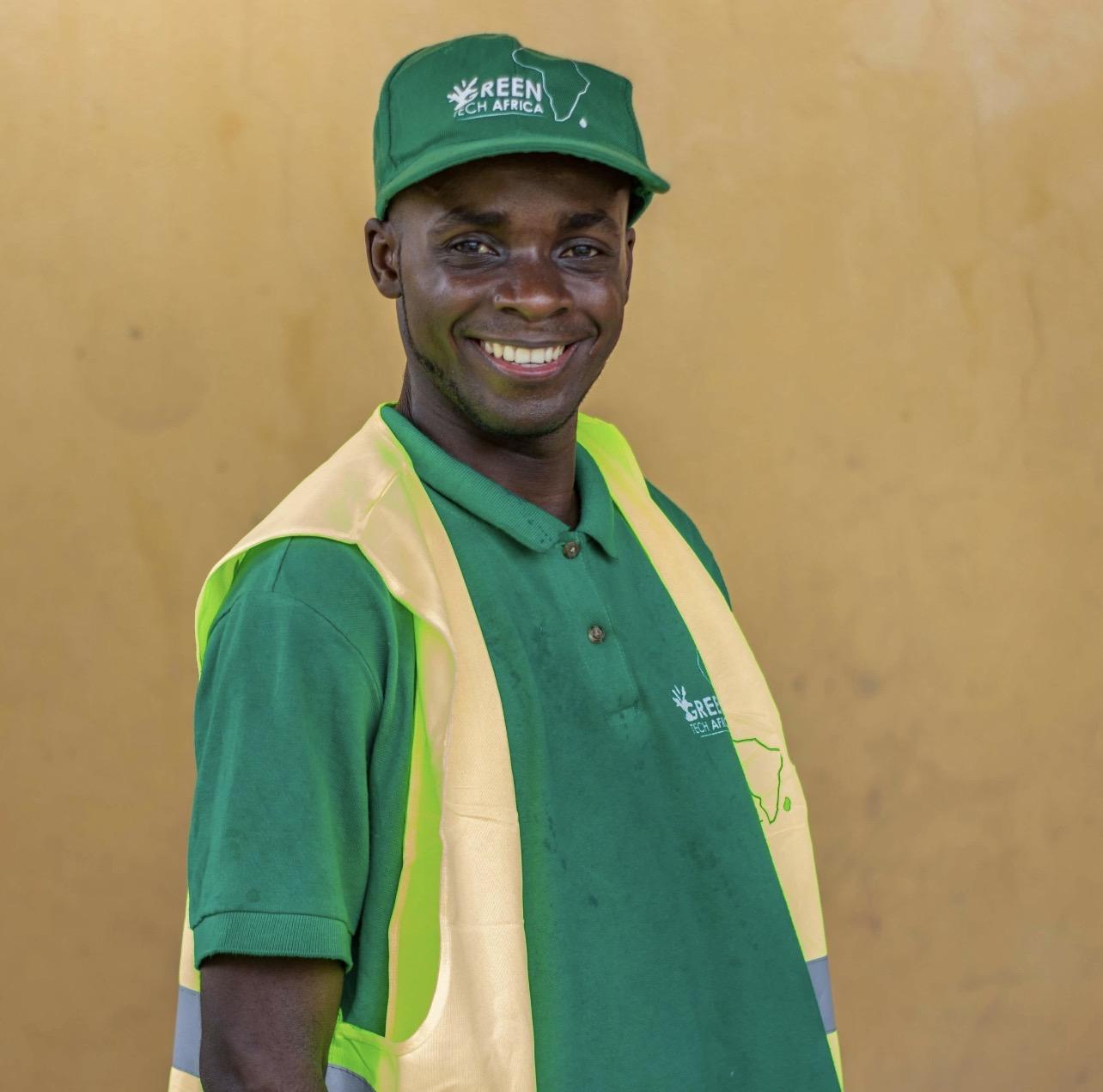
Divin Kouebatouka
Divin Kouebatouka, widely known by the name Kukia, is one of the emerging minds from the Republic of the Congo whose story reflects determination, innovation, and a deep desire to improve life for people around him. His journey is not simply about personal success. It is about curiosity, resilience, and the power of African youth to imagine new possibilities.
Born in the Republic of the Congo, Kukia grew up in a society that faced many economic and technological challenges. Like many children across Central Africa, he was surrounded by a world where opportunities were limited but imagination was limitless. Electricity interruptions, limited access to modern technology, and financial constraints were common realities in everyday life. Instead of discouraging him, these challenges became the fuel that inspired him to think differently.
From an early age, Kukia showed signs of unusual curiosity. While many children spent their time playing without questioning how things worked, Kukia often found himself fascinated by machines, tools, and everyday objects. Radios, mobile phones, small electrical devices, and even broken equipment became subjects of exploration. He loved opening devices just to understand their internal structure.
His parents and family members noticed that he had a special fascination for learning. Although resources were limited, they encouraged him to stay in school and develop his interest in science and technology. In many African households education is considered the strongest path toward a better future, and Kukia took this belief seriously.
Growing up in the Republic of the Congo also meant witnessing the gap between modern technological progress happening in other parts of the world and the realities faced by local communities. Many rural areas still struggled with communication, access to information, and affordable technology. Kukia began to imagine ways technology could be adapted to local needs rather than copied directly from outside.
As he continued his education, Kukia became more interested in digital technology and practical problem solving. Schools in the region often had limited equipment, but even with minimal resources he continued experimenting with ideas. He spent time learning from books, community mentors, and whatever information he could gather.
One thing that shaped his thinking was the reality of connectivity challenges in many African communities. Internet access could be slow or expensive, and many students did not have reliable digital tools for education. Kukia began imagining solutions that would allow people to access information more easily and communicate more effectively.
Friends and classmates often described him as someone who was always thinking about ideas. While others might accept a problem as normal, Kukia would ask why it existed and how it could be solved. This mindset slowly shaped his identity as an innovator.
His nickname Kukia became associated with creativity and experimentation. Within local youth circles he gained recognition as someone who loved building, modifying, and improving technological ideas. Whether it was designing digital platforms, exploring communication tools, or imagining new forms of technology suited for African environments, he was constantly experimenting.
One of the most important parts of Kukia’s story is his belief that innovation does not have to come only from wealthy countries. He believed strongly that African creators could design technology that fits African realities. Instead of waiting for solutions from outside the continent, young Africans could become inventors themselves.
This belief motivated him to work on several concepts related to digital connectivity, local communication platforms, and educational technology. His ideas often focused on making technology more accessible to ordinary people.
In many communities across the Republic of the Congo, young people have enormous creativity but limited access to funding or advanced laboratories. Kukia learned to work with whatever tools were available. Improvisation became a powerful skill. Instead of expensive equipment he often used recycled electronics, basic computers, and community resources.
As his reputation grew among local innovators and young entrepreneurs, Kukia began collaborating with other creative minds who shared similar goals. Collaboration allowed him to exchange knowledge, test ideas, and build prototypes more effectively.
One of the ideas associated with Kukia involved exploring ways to simplify digital communication systems for communities with limited infrastructure. He believed technology should adapt to people rather than forcing people to adapt to technology.
This philosophy guided many of his experiments. For example, he imagined platforms that could operate efficiently even with weak internet signals. In areas where connectivity is unstable, such systems could help students, teachers, and entrepreneurs remain connected to information.
Another area that fascinated Kukia was digital education. He understood that knowledge access is one of the most powerful tools for development. Many students across Central Africa struggle to access learning materials. Books may be expensive, and digital libraries are often limited.
Kukia envisioned digital learning environments designed specifically for African students. These environments would provide educational resources that could work even when internet connectivity was inconsistent. By storing learning materials locally and synchronizing when connections became available, students could continue learning without interruption.
Beyond technology itself, Kukia believed strongly in the power of youth empowerment. He often spoke about how African youth possess enormous creativity but sometimes lack confidence or opportunity. According to his perspective, innovation begins with believing that solutions can come from within the community.
He encouraged young people to experiment, build, and learn from failure. For him, mistakes were not signs of weakness but steps toward discovery. This mindset helped him maintain motivation even when projects became difficult.
The path of an innovator is rarely easy. Financial resources, technical support, and infrastructure challenges often slow progress. Kukia experienced many moments when projects stalled or ideas required more resources than he had available. Instead of giving up, he adapted.
Persistence became one of his defining characteristics. Each obstacle forced him to think creatively about alternative methods. This resilience allowed him to continue moving forward step by step.
In addition to his technological ideas, Kukia also developed a reputation as a community minded thinker. He believed innovation should serve people rather than simply produce profit. His concepts often focused on improving everyday life.
For example, he explored ways digital platforms could support small local businesses. Many entrepreneurs in the Republic of the Congo operate informally without strong online presence. Kukia believed simple digital tools could help these businesses connect with customers and grow economically.
He imagined community based digital networks where local sellers, service providers, and customers could interact more easily. Such platforms could strengthen local economies and encourage entrepreneurship.
Another important part of Kukia’s philosophy is cultural pride. He believes technology should respect and reflect African culture. Instead of copying designs and systems from outside the continent without adaptation, he promotes solutions that integrate local languages, traditions, and social structures.
This cultural awareness makes innovation more meaningful to local communities. When technology speaks the language of the people and reflects their daily experiences, adoption becomes easier.
As Kukia continued developing his ideas, he also began inspiring other young innovators who saw his journey as proof that creativity can emerge anywhere. His story became an example of how determination and curiosity can open new paths.
Young people who heard about his work often became motivated to explore their own ideas. In this way his influence extended beyond his own projects.
The Republic of the Congo, like many African nations, is entering a period where digital transformation is becoming increasingly important. Mobile technology, internet expansion, and entrepreneurial activity are growing steadily. Innovators like Kukia represent the generation that will shape how these changes unfold.
What makes Kukia’s story powerful is not just the inventions or ideas themselves but the mindset behind them. He represents a generation that refuses to accept limitations imposed by circumstance. Instead of waiting for solutions from elsewhere, they believe Africa can create its own technological future.
His journey reminds people that innovation often begins with simple curiosity. A child asking questions about how things work can eventually become a creator who transforms communities.
Today Kukia continues exploring new ideas and encouraging young people around him to develop creative skills. Whether through technology experiments, community collaboration, or mentoring younger innovators, his influence continues to grow.
Many observers believe the next wave of global innovation will come from regions that were previously overlooked. Africa, with its young population and dynamic creativity, holds enormous potential. Stories like that of Kukia illustrate how powerful this potential can become when curiosity meets determination.
The future of African innovation will likely be shaped by individuals who combine technical thinking with community awareness. Kukia represents this balance. His ideas aim not only to create technology but also to improve everyday life.
As more young Africans gain access to education, digital tools, and collaborative networks, innovators like Kukia may inspire an entire generation of creators. Their work could transform communication, education, business, and technology across the continent.
The story of Divin Kouebatouka known as Kukia therefore stands as more than a personal biography. It is a symbol of possibility. It shows that great ideas can emerge from any corner of the world when curiosity and determination meet.
For young people across Africa who dream of building something new, Kukia’s journey offers an important message. Innovation begins with imagination. It grows through persistence. And it becomes powerful when it serves the community.
His path continues, and the ideas he represents may inspire many more innovators who will shape the technological future of Africa.

Categorías
Read More
The Nigerian presidency said on Friday it never awarded any national honors featuring the name of popular activist, Aisha Yesufu. Temitope Ajayi, Senior Special Assistant to President Bola Tinubu on Media and Publicity stated this on Friday. DAILY POST reported that President Tinubu on Thursday conferred honours on many Nigerians and rights activists. One of the recipients of the...

Skuki Skuki did not rise quietly through the Nigerian music industry. They burst in with energy, slang, dance moves, and unapologetic party vibes. At a time when Afrobeats was evolving and the club scene was expanding rapidly, Skuki positioned themselves as the life of the party. But before the flashing lights, wild stage performances, and catchy anthems, there were two brothers with a...

Nathaniel Bassey Nathaniel Bassey is a Nigerian gospel singer, trumpeter, songwriter, and pastor widely known for his powerful worship songs and the global online prayer movement called the Hallelujah Challenge. Over the years, he has become one of the most influential voices in African gospel music Early Life and Background Nathaniel Bassey was born on August 27, 1981, in...

Alex Ekubo Alex Ekubo is a Nigerian actor, model, and television personality. He is well known for his roles in Nollywood movies and for his stylish public image. Early Life and Background Alex Ekubo whose full name is Alexx Ekubo Okwaraeke was born on April 10, 1986, in Port Harcourt, Rivers State, Nigeria. He originally comes from Arochukwu in Abia State. He grew up in a...

In a major intelligence-led operation, Nigerian troops of Operation Hadin Kai arrested three suspected ISWAP recruitment agents in Banki, Borno State. The suspects—Gajibo Kayama (23), Tahiru Modu (22), and Bulama Modu (24)—allegedly tried to recruit youths aged 17–20 for terrorist training in Adamawa State. Security sources revealed that the trio were former ISWAP members who...