Leandre Berwa: How a Rwandan Innovator Is Turning Old Batteries into Clean Energy

Leandre Berwa
In many parts of the world, new technology often comes from big companies. But sometimes, the best ideas come from people who understand everyday problems.
Leandre Berwa is one of those people. He is a Rwandan entrepreneur working on battery technology and clean energy in Africa.
He is known for his work on second-life batteries and battery-as-a-service. These ideas help make electric transportation cheaper and more practical.
This is the story of a young innovator who turned a problem into an opportunity.
Early Life
Leandre Berwa was born in Rwanda, a country known for innovation and development.
Growing up, he became interested in engineering and energy. Like many African countries, Rwanda faces challenges such as high fuel costs and limited electricity in some areas.
Instead of seeing problems, Berwa saw opportunities.
During his studies, he learned about renewable energy and battery technology. One thing caught his attention:
Motorcycles are widely used across Africa, but they all run on petrol.
This causes pollution and high fuel costs.
He began to ask:
Is there a better way?
The Problem
Motorcycles are very common in African cities. In Rwanda, they are used as taxis.
They help people move around and provide jobs. But they also have problems:
- Fuel is expensive
- They cause pollution
- They are noisy
Electric motorcycles seem like a good solution.
But there is a challenge:
Batteries are expensive, and charging takes time.
For riders, time is money. Waiting hours to charge is not practical.
Battery as a Service
Berwa explored a new idea called battery as a service.
Instead of buying a battery, riders subscribe to a system.
When their battery is low, they go to a station and swap it for a charged one.
It only takes a few minutes.
This helps by:
- Reducing costs
- Saving time
- Making electric bikes easier to use
Second-Life Batteries
Berwa also worked on another idea: second-life batteries.
Batteries lose power over time and are often thrown away.
But they still have some energy left.
Instead of wasting them, they can be reused for:
- Storing solar energy
- Powering homes
- Supporting charging systems
This is very useful in Africa, where energy storage is limited.
His Work
Berwa became part of Rwanda’s growing electric mobility system.
Battery swap stations are being built to support electric motorcycles.
His work focuses on using batteries in a smarter way:
- First use: vehicles
- Second use: energy storage
- Final stage: recycling
This reduces waste and saves resources.
Impact
His ideas help in many ways:
- Less pollution
- Less fuel use
- More clean energy
- More jobs
Electric motorcycles are cleaner and quieter than petrol ones.
Reusing batteries also reduces waste and the need for new materials.
Opportunities
Battery systems create jobs, such as:
- Technicians
- Engineers
- Business owners
Riders also benefit:
- Lower costs
- More income
It’s a win for everyone.
Rwanda’s Role
Rwanda supports innovation and clean energy.
Electric transport is growing, especially in Kigali.
This makes it easier for people like Berwa to test new ideas.
Challenges
There are still challenges:
- Battery systems are complex
- Infrastructure is needed
- Investment is required
But progress is being made through teamwork and innovation.
Global Importance
Second-life batteries are becoming important worldwide.
They can:
- Store energy
- Support electric vehicles
- Provide power in rural areas
Africa is not just using these ideas—it is helping lead them.
Inspiration
Berwa’s story shows that great ideas can come from simple questions.
He asked:
What if motorcycles didn’t need petrol?
That question led to real solutions.
Conclusion
Leandre Berwa is helping shape the future of clean energy in Africa.
Through simple but powerful ideas, he is making transportation cleaner and more affordable.
His story proves that innovation can come from anywhere—and Africa is part of the future.


الأقسام
إقرأ المزيد
Get Featured. Build Your Brand. Share Your Story. Are you an artist, actor, entrepreneur, public figure, content creator, influencer, athlete, comedian, or rising star?Submit your biography on Fintter and let more people discover your journey, achievements, and story. We publish engaging, well-structured, and SEO-friendly biography content across entertainment, lifestyle, business,...

Aiyegunle The first time the strangers came, no one in the village of Aiyegunle thought much of it, because visitors were not new, traders had passed before, missionaries had come with books and strange songs, and even wanderers had rested under the old iroko tree, but these men were different, their boots were too heavy for the soft earth, their eyes too cold for a place that had...
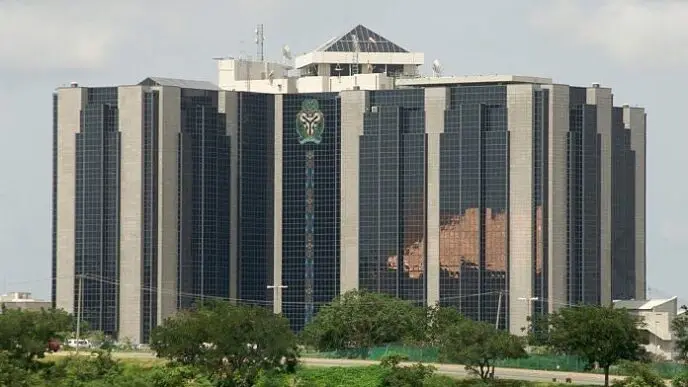
The Central Bank of Nigeria (CBN) has disbursed $1.259 billion to major oil sector operators to facilitate the importation of petroleum products and related items, as part of efforts to stabilize fuel supply and strengthen the naira. According to reports confirmed by The Punch and supported by CBN data, the move comes amid rising pressure in Nigeria’s foreign exchange market and concerns...
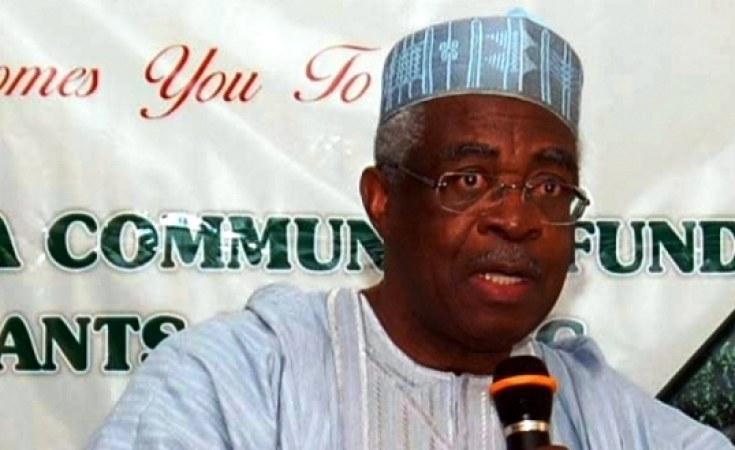
Theophilus Danjuma Theophilus Yakubu Danjuma is one of Nigeria’s most influential figures. From a young boy in Takum to a top military commander, defense minister, and successful businessman, his journey reflects Nigeria’s history and growth. Early Life and Education Theophilus Danjuma was born on December 9, 1938, in Takum, now in Taraba State, Nigeria. He came from a humble...
Aliko Dangote is the richest man in Africa and one of the most influential business figures on the continent. Known for building the largest industrial conglomerate in West Africa, he has transformed key sectors such as cement, sugar, flour, and oil refining. His story is widely regarded as one of the greatest entrepreneurial journeys in modern African history. Early Life and Background Aliko...