Σχετικά
Chukwuemeka Odumegwu Ojukwu The Proud Lion of Biafra and the Man Who Defied a Nation
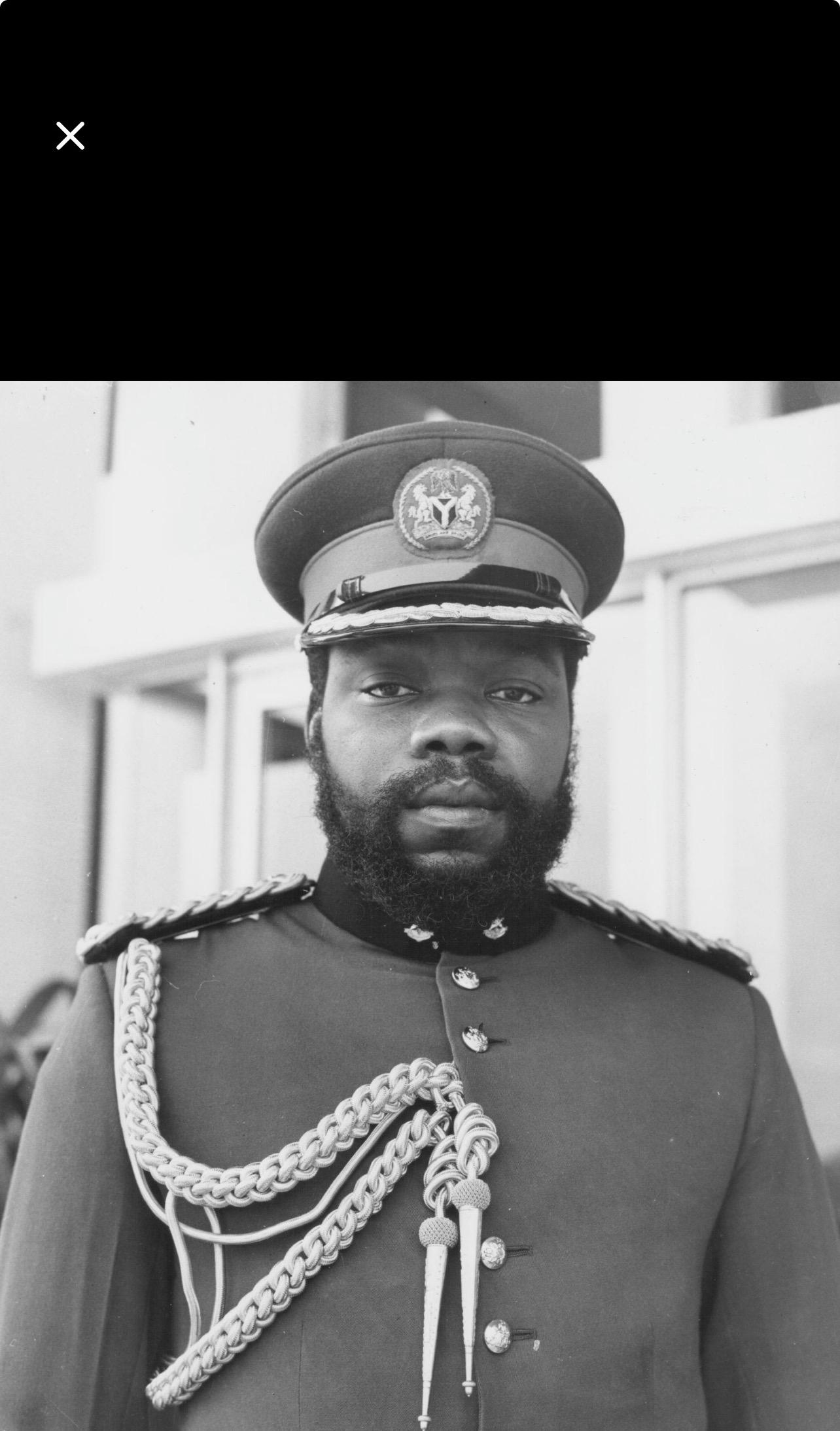
Chukwuemeka Odumegwu Ojukwu
The story of Chukwuemeka Ojukwu is one of the most dramatic and emotional chapters in the history of Nigeria. His life was filled with privilege, rebellion, courage, controversy, war, exile, and eventually reconciliation. Some remember him as a hero who fought for the dignity of his people. Others remember him as the leader who took Nigeria into one of its darkest and bloodiest conflicts. But regardless of opinions, one thing is certain. Ojukwu was a man whose name would forever be written into the history of Africa.
His life story begins long before the war that made him famous.
Early Life and Family Background
Odumegwu Ojukwu was born on November 4, 1933, in Zungeru during the British colonial era. He was born into wealth and privilege. His father, Sir Louis Odumegwu Ojukwu, was one of the richest men in Nigeria at the time. Sir Louis was a powerful businessman and transport tycoon whose success in trade and transportation made him a national figure.
Growing up, young Emeka as he was fondly called had access to the best education and lifestyle money could provide. But despite being born into wealth, he was known to possess a stubborn and independent personality even from a young age.
As a child he attended prestigious schools in Nigeria before traveling to the United Kingdom for further studies.
Education and Exposure Abroad
Ojukwu attended Epsom College in England before moving to one of the world’s most prestigious universities, University of Oxford. At Oxford he studied Modern History at Lincoln College.
Studying history exposed him to ideas about leadership, nationalism, revolution, and the struggles of nations seeking independence. These ideas would later shape the political decisions he made during one of Nigeria’s most turbulent periods.
However, his privileged upbringing created friction with his father. Sir Louis hoped his son would follow the path of business and wealth. But young Ojukwu had other ideas.
Instead of joining the family business empire, he chose a completely different path.
Joining the Nigerian Army
In 1957, Ojukwu returned to Nigeria and joined the military. At the time, the Nigerian Army was still under British influence, and it was uncommon for highly educated elites from wealthy families to join.
Many people were surprised by his decision. Some even mocked him for abandoning a life of comfort.
But Ojukwu saw the military as a place where he could serve the nation and prove himself without relying on his father’s wealth.
Because of his education and intelligence, he quickly rose through the ranks. He trained in military institutions abroad and became one of the most respected officers of his generation.
In fact, he became one of the first Nigerian officers to command a battalion.
Nigeria After Independence
Nigeria gained independence from Britain in 1960. The young nation was full of hope but also deeply divided along ethnic and political lines.
The country had three major ethnic groups competing for power.
The Hausa Fulani in the north
The Yoruba in the west
The Igbo in the east
These tensions would soon erupt into crisis.
The 1966 Coup and National Chaos
In January 1966, Nigeria experienced its first military coup. Young military officers overthrew the civilian government, killing several prominent political leaders.
The coup created suspicion and fear across the country. Many northern leaders believed the coup favored the Igbo ethnic group because most of the coup plotters were Igbo officers.
Soon after, a counter coup occurred in July 1966 led by northern officers.
During the violent aftermath, thousands of Igbo civilians living in northern Nigeria were killed in massacres. Many more fled back to the eastern region in fear for their lives.
At the time, Ojukwu was serving as the military governor of the Eastern Region.
He watched thousands of terrified refugees return home with stories of violence and persecution.
The eastern region was filled with anger and grief.
The Road to Biafra
Ojukwu demanded protection and justice for the Igbo people. Negotiations were held between military leaders to prevent Nigeria from breaking apart.
One of the most important meetings was the Aburi Accord in Ghana in 1967. The meeting aimed to restructure Nigeria and reduce tensions between regions.
However, disagreements over how to implement the agreement led to more distrust.
As the crisis deepened, Ojukwu believed the eastern region could no longer remain safe within Nigeria.
On May 30, 1967, he made a historic and controversial declaration.
He announced that the Eastern Region would become an independent nation called Biafra.
This declaration shocked the world.
The Nigerian Civil War
The declaration of Biafra triggered the Nigerian Civil War.
The war lasted nearly three years and became one of the most tragic conflicts in African history.
Ojukwu became the leader of the new Republic of Biafra. He built a government, formed an army, and tried to defend the new nation.
At first, Biafran forces achieved surprising military successes. Their soldiers were highly motivated and fought with determination.
However, Nigeria had greater resources, larger forces, and international support.
As the war dragged on, Biafra became increasingly isolated.
Food supplies ran out. Medicines became scarce. Children suffered severe malnutrition, and images of starving Biafran children shocked the world.
The humanitarian crisis led to international aid efforts, but the suffering continued.
Despite the difficulties, Ojukwu remained determined to keep Biafra alive.
His speeches inspired his followers and strengthened their resolve.
Many supporters saw him as a symbol of resistance and dignity.
The Fall of Biafra
By late 1969, the situation had become hopeless for Biafra. Nigerian forces had captured most of the territory.
Realizing that defeat was inevitable, Ojukwu made a difficult decision.
In January 1970 he left Biafra and went into exile in Ivory Coast.
Before leaving, he handed power to his deputy.
Shortly after, Biafran forces surrendered and the war officially ended.
Nigeria adopted a policy of reconciliation, reconstruction, and rehabilitation.
But the scars of the war remained deep.
Millions of lives had been lost.
Years in Exile
Ojukwu spent about thirteen years living in exile in Ivory Coast. During this time he lived quietly under the protection of the Ivorian government.
Despite being far from home, his influence and legend continued to grow among many Igbo people who saw him as a defender of their identity.
His absence became symbolic.
For many, he represented unfinished history.
Return to Nigeria
In 1982, the Nigerian government granted Ojukwu a presidential pardon.
After more than a decade away, he returned to Nigeria.
His return was emotional. Crowds gathered to welcome him back to the eastern region.
Many people saw his return as a moment of healing and reconciliation.
Political Life After the War
After returning from exile, Ojukwu entered democratic politics.
He joined the All Progressives Grand Alliance and became a strong political voice for the Igbo people.
He contested for the presidency of Nigeria in 2003 and 2007.
Although he did not win, his participation symbolized his transformation from a war leader into a democratic politician.
Personality and Leadership
Ojukwu was known for his intelligence, eloquence, and strong personality.
He spoke confidently and carried himself with the dignity of a statesman.
Supporters called him Ikemba Nnewi, a title meaning the strength of Nnewi, his hometown in Anambra State.
He was respected for his courage and his refusal to abandon his beliefs.
At the same time, critics argued that his decision to lead Biafra into war caused unnecessary suffering.
History continues to debate his legacy.
Final Years and Death
In his later years, Ojukwu remained a respected elder statesman.
He often spoke about unity, justice, and the need for Nigeria to treat all its ethnic groups fairly.
In November 2011, Chukwuemeka Odumegwu Ojukwu died in London after a long illness.
He was 78 years old.
His death triggered national mourning across Nigeria, especially in the southeastern region.
In 2012 he received a grand state funeral attended by political leaders, traditional rulers, and thousands of supporters.
Legacy of the Lion of Biafra
More than half a century after the Nigerian Civil War, Ojukwu remains one of the most powerful and controversial figures in Nigerian history.
To some, he was a rebel who challenged the unity of Nigeria.
To others, he was a courageous leader who fought for the survival and dignity of his people.
His story reflects the struggles of a young nation trying to find balance among diversity, power, and identity.
The life of Chukwuemeka Odumegwu Ojukwu is not just the story of one man.
It is the story of a country tested by conflict, shaped by history, and still searching for unity.
Even today, the name Ojukwu continues to echo in conversations about leadership, justice, and the unfinished journey of Nigeria.
His life reminds us that history is not only written by victory or defeat.
It is written by courage, choices, and the powerful impact one person can have on the destiny of a nation.


Κατηγορίες
Διαβάζω περισσότερα
Abia – Umuahia Adamawa – Yola Akwa Ibom – Uyo Anambra – Awka Bauchi – Bauchi Bayelsa – Yenagoa Benue – Makurdi Borno – Maiduguri Cross River – Calabar Delta – Asaba Ebonyi – Abakaliki Edo – Benin City Ekiti – Ado-Ekiti Enugu – Enugu Gombe – Gombe Imo – Owerri Jigawa –...
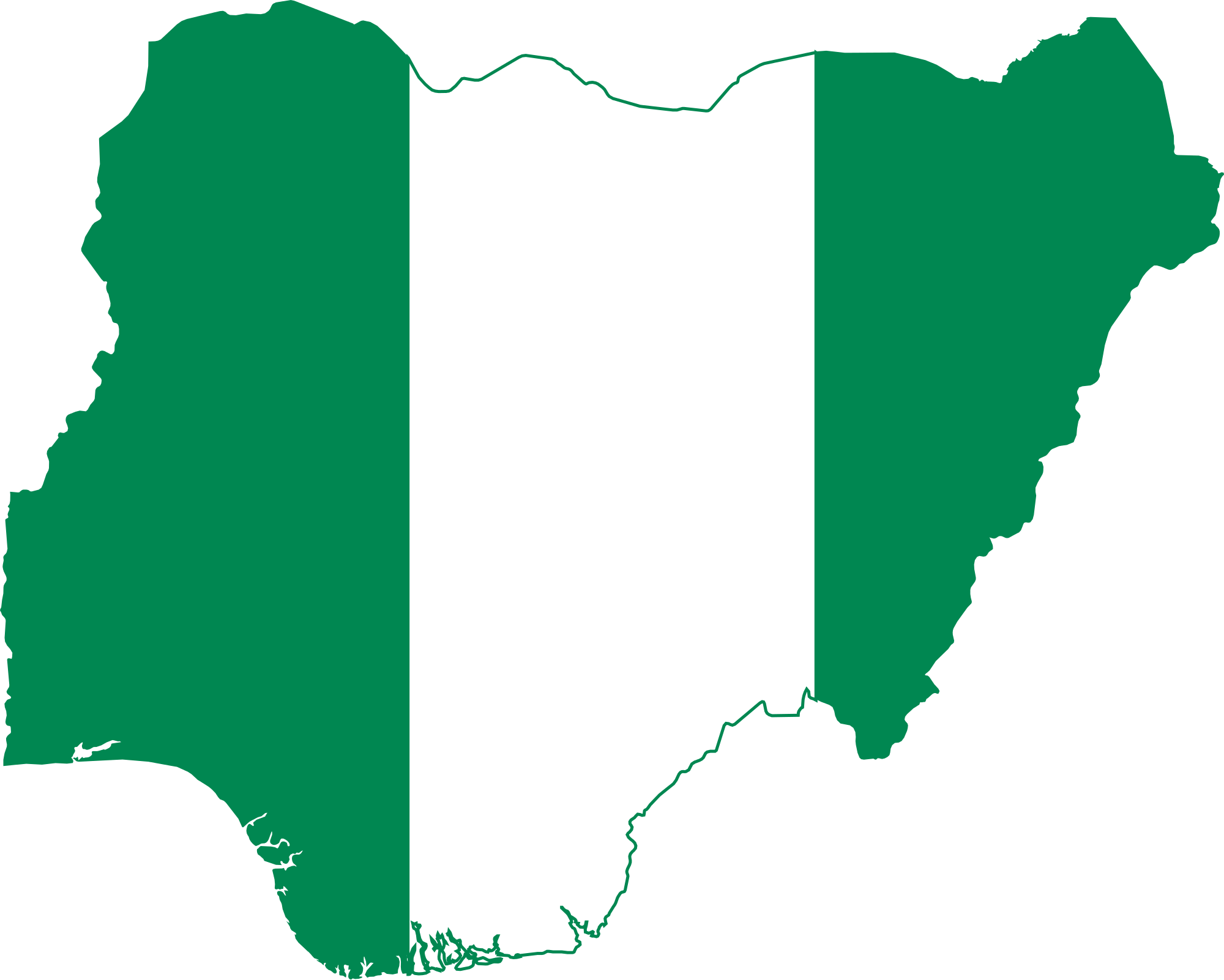
Cyprian of Carthage Early Life Cyprian of Carthage was born around the early 3rd century in Carthage, a powerful city in North Africa, located in present day Tunisia. He came from a wealthy pagan family. His full name was Thascius Caecilius Cyprianus. As a young man, he was highly educated and became a respected teacher of rhetoric. People admired his intelligence, his calm...
Strasbourg have reached an agreement to sign 21-year-old Senegalese midfielder Pape Demba Diop from Belgian side Zulte Waregem. The highly-rated youngster becomes the latest addition to the ambitious BlueCo project, aimed at building a strong squad for both the present and the future. Diop, known for his energy, vision, and box-to-box presence, is expected to bring fresh dynamism to the...
Yvonne Nelson Yvonne Nelson is a Ghanaian actress, film producer, model, and entrepreneur widely recognized as one of West Africa’s most prominent screen stars. Born on November 12, 1985, in Accra, Ghana, she has built a successful career spanning acting, film production, and advocacy. Early Life and Education Yvonne Nelson was born and raised in Accra. She was brought up...

Chimamanda Ngozi Adichie Full Name: Chimamanda Ngozi AdichieBorn:September 15, 1977Birthplace:Enugu, NigeriaProfession:Novelist, Essayist, Feminist Early Life and Education Chimamanda Ngozi Adichie was raised in Nsukka, a university town in Nigeria, where her father worked as a professor at the University of Nigeria. Growing up in an academic environment influenced her love for books...