


Theophilus Danjuma: The Soldier Who Became a Billionaire Statesman
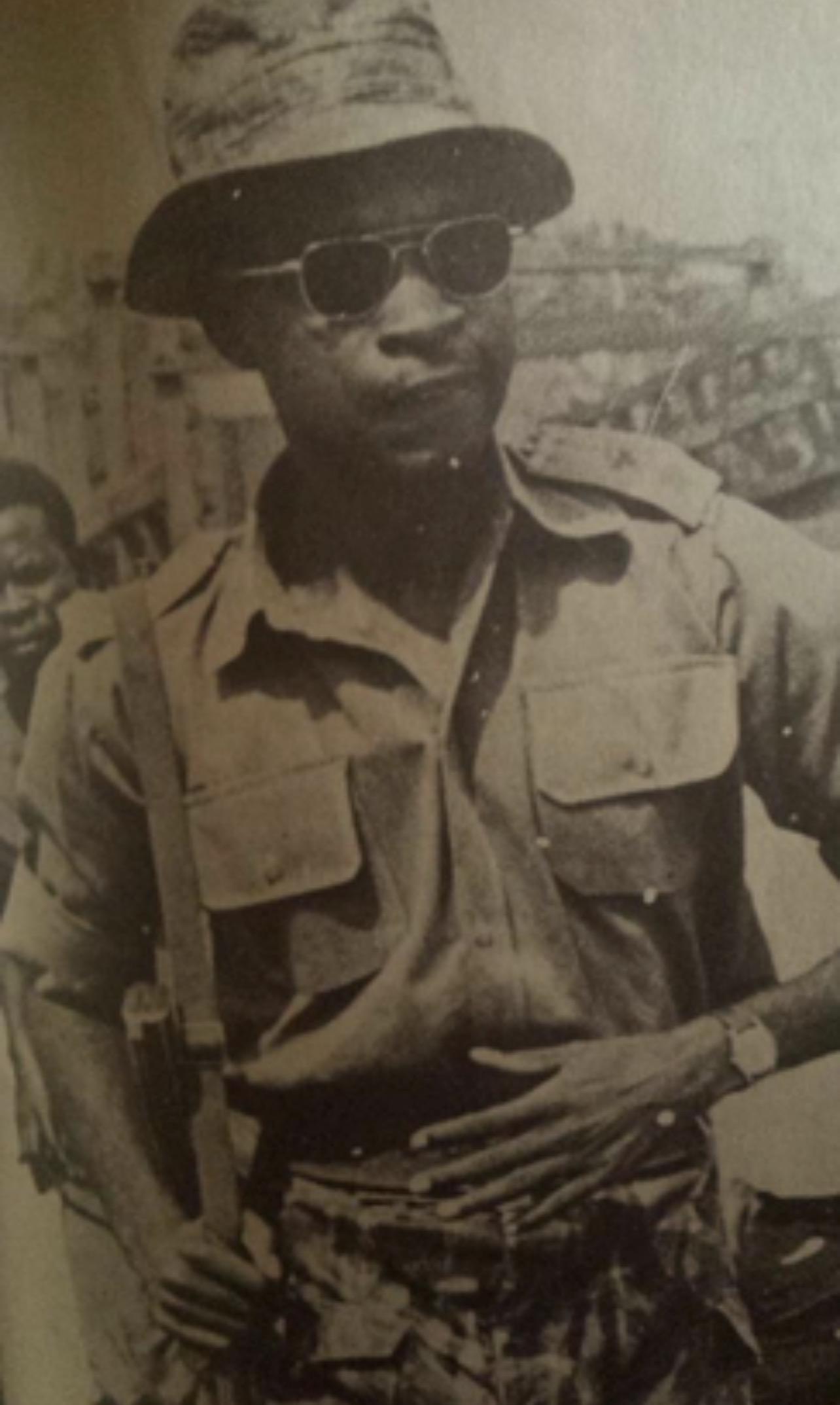
Theophilus Danjuma
In the quiet town of Takum in present day Taraba State, a boy was born in December 1938 into a humble family that could not have imagined the scale of influence he would one day command. That boy would grow into a soldier, a war time commander, a defense minister, and later one of Nigeria’s most successful businessmen and philanthropists. His name is Theophilus Yakubu Danjuma.
His life reflects the complex story of Nigeria itself. It is a journey through colonial rule, military coups, civil war, democratic transitions, and the rise of private enterprise. Through all these eras, Danjuma remained a significant figure.
Early Life and Education
Theophilus Yakubu Danjuma was born on December 9, 1938, in Takum, a community in what is now Taraba State in northeastern Nigeria. His parents were farmers and traders, and like many families of that era, survival depended on discipline and hard work.
He attended St. Bartholomew’s Primary School and later Benue Provincial Secondary School. As a young student, he showed intelligence and strong leadership qualities.
But the path that would define his early life was not business or politics. It was the military.
In 1959, Danjuma joined the Nigerian Army, just before Nigeria gained independence from Britain. He was among the generation of young officers trained to lead the new nation’s armed forces.
Early Military Career
The young Danjuma quickly distinguished himself in the army. He attended the Nigerian Military Training College in Kaduna and later received further military training abroad.
Nigeria in the 1960s was a country struggling with political instability. Ethnic tensions, regional rivalry, and military involvement in politics created a volatile environment.
Danjuma’s career unfolded in the midst of this turbulence.
Role in Nigeria’s Political Upheavals
During Nigeria’s first military coup in 1966, Danjuma was already a young officer rising within the ranks. The country soon descended into political crisis and eventually civil war.
During the Nigerian Civil War from 1967 to 1970, Danjuma served as a key commander in the federal forces. His leadership on the battlefield contributed to his reputation as a disciplined and effective military officer.
By the early 1970s, he had become one of Nigeria’s most respected military leaders. Under the leadership of Yakubu Gowon, Danjuma continued to rise within the army hierarchy.
Eventually, he became Chief of Army Staff, one of the most powerful positions in Nigeria’s military structure.
His influence during this period extended beyond military operations. The Nigerian armed forces were deeply intertwined with governance, and senior officers often shaped national policy.
Retirement from the Military
After years of service, Danjuma retired from the Nigerian Army in 1979 as a Lieutenant General. Many military officers of his era remained deeply involved in politics, but Danjuma took a different path.
He stepped away from active military power and entered the world of business.
Rise as a Business Leader
Danjuma founded South Atlantic Petroleum, commonly known as SAPETRO. The company became one of Nigeria’s major indigenous oil exploration firms.
Through strategic investments in Nigeria’s oil and gas sector, Danjuma built a vast business empire. SAPETRO secured stakes in offshore oil blocks and partnered with international companies.
His success transformed him from a retired military officer into one of Nigeria’s wealthiest businessmen.
Yet wealth alone did not define his later years.
Return to Public Service
In 1999, Nigeria returned to democratic rule after years of military governance. Newly elected President Olusegun Obasanjo appointed Danjuma as Minister of Defense.
The appointment symbolized trust between two military veterans who had once served during earlier political transitions.
As defense minister, Danjuma played a role in reforming Nigeria’s armed forces during the early years of democracy. The goal was to strengthen professionalism and ensure civilian control over the military.
He served in that role until 2003.
Philanthropy and National Influence
Beyond business and government, Danjuma became widely known for his philanthropy. Through the TY Danjuma Foundation, he has funded numerous health, education, and community development initiatives across Nigeria.
The foundation supports programs aimed at improving rural healthcare, empowering women, and providing education opportunities for underserved communities.
His philanthropic work reflects a belief that wealth carries responsibility toward society.
Voice in National Conversations
Even after leaving government, Danjuma remained influential in national discussions. Occasionally, he made public statements on issues related to national security and governance.
His comments often attracted significant attention due to his stature as a former military commander and elder statesman.
Personal Life
Theophilus Danjuma is married to Daisy Danjuma, a lawyer and former senator. Together, they have built a family known for influence in business, politics, and philanthropy.
Despite his wealth and influence, Danjuma maintains a relatively reserved public persona. He is not known for constant political commentary but speaks when he believes issues are critical.
Criticism and Debate
Like many figures who played roles during Nigeria’s military era, Danjuma’s legacy is occasionally debated. Some critics question aspects of the military’s involvement in politics during the 1960s and 1970s.
Others argue that he represents a generation that helped stabilize the country during turbulent times.
His business success has also attracted scrutiny typical of wealthy individuals connected to political networks.
Yet even critics acknowledge his lasting influence in Nigeria’s military history and private sector development.
Legacy of a Soldier Statesman
Theophilus Danjuma’s life spans some of Nigeria’s most defining decades. He witnessed colonial rule, independence, civil war, military governance, democratic transition, and economic transformation.
Few Nigerians have moved through so many roles. Soldier. General. Defense minister. Oil magnate. Philanthropist.
His journey from the small town of Takum to the commanding heights of national power illustrates the dramatic possibilities of Nigeria’s history.
Today, he stands as one of the country’s most prominent elder statesmen, a man whose story reflects both the challenges and opportunities of leadership in a complex nation.
From the battlefields of the civil war to the boardrooms of the oil industry, from military command to philanthropic service, Theophilus Yakubu Danjuma’s story remains one of Nigeria’s most remarkable leadership journeys.

Kategorien
Mehr lesen
Popular Nigerian influencer Papaya Ex has clapped back at critics questioning her recent trip to Tanzania, which sparked a swirl of online rumors linking her to singer Juma Jux and his ex, Priscilla Ojo. Social media went wild with speculation after Papaya shared stunning photos from her trip—fueling gossip about her connection to Jux, especially following his past ties with Priscilla....

Ibrahim Badamasi Babangida In the ancient town of Minna in present day Niger State, on August 17, 1941, a boy was born into a modest Muslim family. His name was Ibrahim Badamasi Babangida. No one could have predicted that the quiet child from the Nupe heartland would grow up to become one of the most powerful and controversial leaders in Nigeria’s history. Ibrahim...
Ebenezer Obey Ebenezer Obey, born Ebenezer Remilekun Aremu Olasupo Obey-Fabiyi, is one of Nigeria’s most legendary musicians and a pioneer of modern Juju music. For over five decades, he has shaped the sound of Yoruba highlife and Juju, blending traditional rhythms with philosophical lyrics, social commentary, and later gospel messages. His music has influenced generations and...
Troops of the 6 Division, Nigerian Army, Port Harcourt, have destroyed seven illegal crude oil refining sites in a sustained crackdown on oil theft across the Niger Delta region. According to a statement by Lt. Col. Jonah Danjuma, Acting Deputy Director of Army Public Relations, the coordinated operations—conducted between 10 and 23 November 2025 in partnership with other...
The moment I stepped inside, my children ran toward me like they had been waiting forever. My daughter hugged my legs tightly, refusing to let go. My son climbed onto my lap, coughing softly. My wife stood by the door, watching everything quietly. “I missed you,” my daughter whispered. That was when I broke. I held them close, breathing in their familiar scent, realizing how much...

