Oba Sikiru Kayode Adetona The Fearless Awujale Who Redefined Royal Authority in Ijebuland
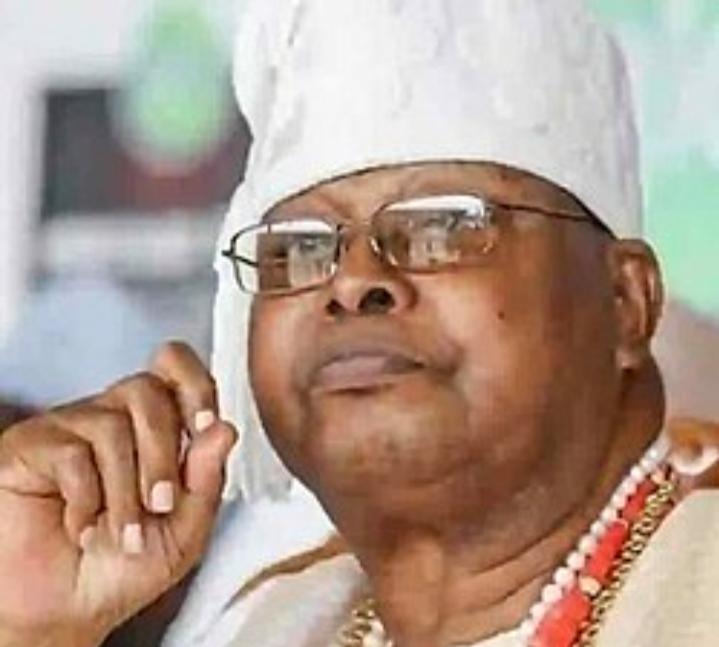
Oba Sikiru Kayode Adetona
In the historic town of Ijebu Ode, where culture moves with rhythm and tradition carries the authority of centuries, one throne has stood as a symbol of continuity and pride. Upon that throne sits one of Nigeria’s longest reigning and most influential monarchs, Sikiru Kayode Adetona, the Awujale of Ijebuland.
His story is not merely about longevity. It is about boldness, reform, confrontation, and the transformation of traditional leadership in modern Nigeria.
A Prince Born Into Destiny
Oba Sikiru Kayode Adetona was born on May 10, 1934, into the royal Anikinaiya family of Ijebu Ode. Though born into royalty, his childhood was not wrapped in luxury. He experienced discipline, structure, and the expectations that come with noble lineage.
He lost his father at a young age, and this early loss shaped his independence and resilience. His upbringing combined royal consciousness with personal determination.
Education and Early Exposure
He attended Baptist School in Ereko, Ijebu Ode, before proceeding to Olu Iwa College. His academic journey later took him abroad to the United Kingdom, where he studied accountancy.
Living in the United Kingdom exposed him to global systems of governance and administration. He observed how institutions functioned and how leadership operated in structured democracies.
This exposure would later influence how he viewed traditional authority at home.
An Unexpected Ascension
In 1960, Nigeria stood on the brink of independence from British colonial rule. That same year, destiny called a young Sikiru Adetona to the throne.
At just 26 years old, he was installed as the Awujale of Ijebuland on April 2, 1960.
He became one of the youngest monarchs in Nigerian history.
The timing was historic. As Nigeria gained independence, Ijebuland received a young king ready to challenge norms.
Redefining Royalty
Traditionally, Yoruba monarchs were seen as distant figures, heavily bound by rigid palace protocol. Oba Adetona quietly began reshaping that model.
He believed that a monarch should not be silent in the face of injustice. He believed that traditional rulers must engage with contemporary governance rather than remain ceremonial relics.
Over the decades, he would prove that conviction repeatedly.
Clashes With Power
Oba Adetona’s reign has spanned military regimes, civilian governments, and shifting political landscapes.
He served during the era of Prime Minister Tafawa Balewa. He witnessed military coups. He endured the civil war years. He interacted with presidents and governors across generations.
Yet he never hesitated to speak his mind.
He publicly criticized military rulers when he believed policies were unjust. He challenged governors when he felt Ijebuland’s interests were threatened.
His fearless approach earned him respect among many and discomfort among some political figures.
The Ojude Oba Renaissance
One of the most vibrant symbols of his reign is the global recognition of the Ojude Oba Festival.
Ojude Oba, meaning the king’s forecourt, is an annual celebration in Ijebu Ode where families and age grade groups pay homage to the Awujale after Eid celebrations.
Under Oba Adetona’s leadership, the festival transformed into an international cultural event. It attracts thousands of participants and visitors from across Nigeria and the diaspora.
Horse riders in colorful regalia parade before the Awujale. Cultural groups display coordinated attire. The event showcases unity, wealth, and pride in Ijebu identity.
Through Ojude Oba, Oba Adetona strengthened cultural tourism and preserved heritage in a modern format.
Advocate of Traditional Council Reform
Oba Adetona was instrumental in reforms that reshaped the relationship between traditional rulers and state governments in Ogun State.
He played a key role in ensuring that monarchs were not arbitrarily suspended or removed without due process.
His advocacy led to greater autonomy and respect for traditional institutions within the legal framework of Ogun State.
He believed that monarchy must coexist with democracy, not be subordinated to it unfairly.
Relationship With Political Leaders
Over six decades, Oba Adetona has interacted with numerous Nigerian leaders. He developed close working relationships with some and openly disagreed with others.
His bond with former Ogun State Governor Olusegun Osoba was notable. He also maintained influential connections at the federal level.
Yet he remained clear that loyalty to Ijebuland came first.
Longevity and Wisdom
As one of Nigeria’s longest reigning monarchs, Oba Adetona’s reign spans more than sixty years.
This longevity has transformed him into a repository of national memory. He remembers Nigeria before independence. He witnessed its struggles and triumphs.
Few leaders in the country possess such historical perspective.
His speeches often carry lessons drawn from decades of observation.
The Man Behind the Throne
Those who know Oba Adetona describe him as disciplined, firm, and intellectually sharp.
He is not known for flamboyant displays. His authority is calm but unmistakable.
He is married with children and has maintained a stable royal household throughout his reign.
His lifestyle reflects structure and consistency, qualities that defined his early education and overseas exposure.
Controversies and Strength
Like any long serving leader, Oba Adetona’s reign has not been free from controversy.
His outspoken nature has sometimes sparked political friction. Yet his willingness to confront power has strengthened his image as a monarch who refuses silence.
He has repeatedly asserted that traditional rulers must protect their people, even if it means challenging political authorities.
Ijebuland in Modern Nigeria
Ijebu Ode today stands as a cultural and economic hub within Ogun State.
Under Oba Adetona’s leadership, the town has experienced modernization while preserving identity.
Educational institutions, business growth, and cultural festivals coexist within a framework of traditional respect.
The Awujale remains a central figure in community decisions and ceremonial functions.
A Bridge Between Eras
Oba Sikiru Kayode Adetona’s life bridges colonial Nigeria, military rule, and modern democracy.
He has worn the crown longer than many politicians have lived public careers.
His reign demonstrates that traditional leadership can evolve without losing its essence.
The Throne That Endures
Within the palace in Ijebu Ode, where ancestral drums speak softly through carved pillars, Oba Adetona continues to sit as guardian of Ijebu pride.
He ascended the throne as Nigeria gained independence. He remains there as the country navigates contemporary challenges.
His story is one of resilience, courage, and unwavering dedication to his people.
He is not merely a ceremonial monarch.
He is a reformer in royal robes.
A critic when necessary.
A custodian of culture.
And in the long arc of Nigerian history, Oba Sikiru Kayode Adetona stands as one of the most influential traditional rulers of his generation.

الأقسام
إقرأ المزيد
The image of flint stone. The History of Fire Making Fire is one of the greatest discoveries in human history. Long before cities, machines, or electricity existed, early humans learned how to create and control fire. That single discovery changed everything about how people lived, ate, traveled, and survived. Scientists believe humans first used natural fire more than one million years ago....

The Federal Government of Nigeria has expressed strong concern over the deportation of 13 Nigerian nationals by the United States via Ghana, a move it says was carried out without prior consultation. The deportees, along with one Gambian, were flown out of the U.S. on a military cargo plane and handed over to Ghanaian authorities, despite having no legal or personal ties to the country....

Putin Tells Trump Russia Ready for New Ukraine Peace Talks After Prisoner Exchanges Russian President Vladimir Putin informed former U.S. President Donald Trump during a phone call on Saturday that Moscow is prepared to begin a new round of peace talks with Ukraine after June 22, following the completion of ongoing prisoner and body exchanges between the warring nations. The call marked the...

Coldplay Coldplay is a British rock band known for their emotional songs, powerful melodies, and global influence in music. Formed in London in 1997, the band has become one of the most successful music groups in the world. Formation and Members Coldplay was formed by four members: Chris Martin (lead vocals, piano) Jonny Buckland (guitar) Guy Berryman (bass) Will Champion (drums)...

Victoria’s POV Everything happened so fast, yet so slowly at the same time. The moment Daniel’s father looked from Daniel… to me… and then back again, his face drained of color. “You… you know each other?” he asked, his voice heavy with shock. I couldn’t speak. My legs felt weak, my mouth dry. Even my mother stood frozen, her eyes moving...