О нас
О нас
Central African Republic The Heart of Africa and the Story of a Nation Seeking Peace
Central African Republic
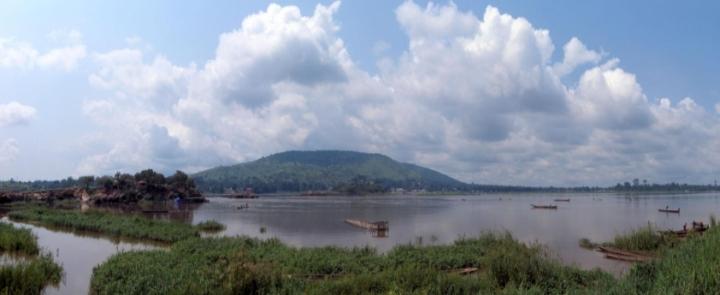
In the very center of the African continent lies a land of rivers, forests, and vast open plains. The Central African Republic is often described as the geographic heart of Africa. Yet beyond its location, its history is filled with powerful kingdoms, colonial hardship, struggle for independence, and an ongoing search for stability. It is a story of resilience in the face of repeated challenges.
The Earliest Inhabitants
Long before modern borders were drawn, the region that is now the Central African Republic was home to diverse communities. Forest dwelling hunter gatherers, often associated with groups like the Aka, lived in harmony with the dense tropical forests. They survived through hunting, fishing, and gathering, relying on deep knowledge of the environment.
Over centuries, Bantu speaking peoples migrated into the area. They introduced agriculture, ironworking, and settled village life. Crops such as millet, sorghum, and cassava supported growing populations.
The region’s rivers, including the Ubangi and the Sangha, became lifelines for trade and movement. Communities exchanged goods such as salt, iron tools, and livestock with neighboring regions.
Early Kingdoms and Regional Influence
Between the sixteenth and nineteenth centuries, several African states influenced parts of the territory.
In the north and east, powerful Islamic sultanates such as Dar al Kuti extended their authority into the region. These states were connected to trans Saharan trade networks. They traded ivory, cattle, and other goods across Central Africa.
However, this period also saw the expansion of slave raiding. Armed groups captured people to sell into slavery across North Africa and the Middle East. Many communities were disrupted and displaced.
Despite outside pressures, local societies maintained their traditions, leadership systems, and spiritual beliefs.
French Colonization
In the late nineteenth century, European powers began dividing Africa among themselves. France moved into the region during the Scramble for Africa.
By the 1890s, France had established control over the territory, which became known as Ubangi Shari. It was incorporated into French Equatorial Africa along with neighboring colonies.
French colonial rule was harsh. Large concessionary companies were granted rights to exploit rubber, ivory, and timber. Local people were forced into labor under brutal conditions. Many died due to overwork, disease, and punishment.
Colonial infrastructure was limited, and little investment was made in education or healthcare for the local population.
Despite the oppression, resistance occurred. Local leaders and communities pushed back against forced labor and exploitation.
Toward Independence
After World War Two, calls for independence grew stronger across Africa. In Ubangi Shari, political activism increased.
One of the most important leaders during this period was Barthelemy Boganda. A former priest, Boganda became a powerful voice for African dignity and unity.
Boganda advocated for social justice, education, and the end of colonial exploitation. He envisioned a larger federation of Central African states.
In 1958, Ubangi Shari became an autonomous republic within the French Community. Tragically, Boganda died in a plane crash in 1959, just before full independence.
On August 13, 1960, the country gained independence and was renamed the Central African Republic.
Early Independence and Political Turmoil
The early years of independence were unstable. David Dacko became the first president, but his rule faced economic difficulties and political tension.
In 1965, a military coup brought Jean Bedel Bokassa to power. In 1976, Bokassa declared himself emperor and renamed the country the Central African Empire.
His rule became known for extravagance and repression. In 1979, French backed forces removed him from power, and the country returned to being a republic.
Over the following decades, the Central African Republic experienced repeated coups, rebellions, and fragile governments.
Conflict and Humanitarian Crisis
In the early 2000s, armed groups began challenging the central government. In 2013, a coalition of rebel groups known as Seleka seized control of the capital, Bangui.
Violence erupted between mostly Muslim Seleka fighters and largely Christian militias known as anti Balaka. Communities were torn apart, and thousands were killed or displaced.
International peacekeeping forces intervened, but instability persisted. The country struggled with insecurity, weak institutions, and humanitarian crises.
Culture and Identity
Despite political instability, the Central African Republic is rich in culture.
More than eighty ethnic groups live within its borders. Sango and French are official languages, with Sango serving as a unifying national language spoken by most citizens.
Music, storytelling, and traditional dances remain important forms of expression. Rural life revolves around farming, fishing, and small scale trade.
The country is also known for its natural resources, including diamonds, gold, uranium, and timber. However, these resources have often fueled conflict rather than development.
A Nation Seeking Stability
Today, the Central African Republic continues working toward peace and reconstruction. Efforts have been made to hold elections and establish dialogue among communities.
International organizations provide support in rebuilding infrastructure, schools, and healthcare systems.
The challenges remain significant, but the resilience of the people is evident in their determination to move forward.
The Heart Still Beats
From early forest communities to Islamic sultanates, from harsh colonial exploitation to independence, from empire to republic, the Central African Republic has experienced dramatic chapters in a relatively short national history.
It is a country of rivers and forests, of cultural diversity and untapped potential.
Though conflict has marked much of its modern era, the heart of Africa continues to beat with hope. Its story is still being written by people who seek unity, dignity, and lasting peace.


Категории
Больше
M.I Abaga M.I Abaga, whose full name is Jude Lemfani Abaga, is one of Nigeria’s most influential rappers, record executives, and music producers. Born on October 4, 1981, in Jos, Plateau State, Nigeria, M.I Abaga is widely regarded as a pioneer of modern Nigerian hip hop and one of Africa’s greatest lyricists. Raised in Jos, M.I grew up in a creative and...

Before the city had a name, there was fear. Villages burned easily in those days. People slept with one ear open, listening for the sound of war drums, the scream of metal against metal, the rush of feet in the dark. Children learned how to run before they learned how to laugh. The Egba people were always moving. They moved when kingdoms fell.They moved when raiders came.They moved when...
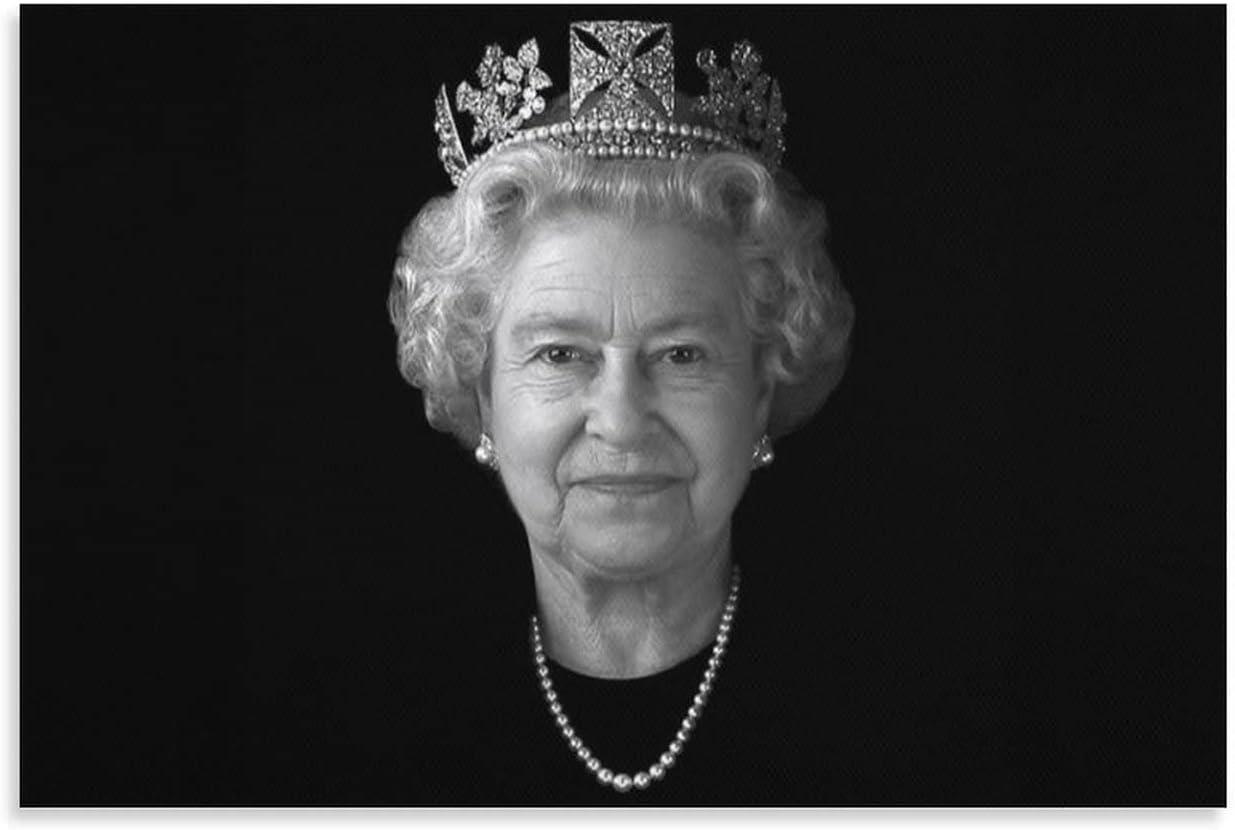
Queen Elizabeth II On 1 October 1960, Nigeria woke up to a new name for itself: Independent Nation. The flag was new. The anthem carried fresh pride. People celebrated in the streets, believing the long night of colonial rule had finally ended. And it did end… but not all at once. Because in that first chapter of independence, Nigeria still carried one last symbol from the old...
Evangelist Niyi Adedokun Niyi Adedokun is a Nigerian evangelist, actor, and gospel filmmaker known for his strong involvement in Christian ministry and faith-based movie productions. He is widely respected within the gospel film community for his dedication to spreading Christian messages through drama and preaching. Early Life and Background Evangelist Niyi Adedokun was...

Students at the School of Agriculture, Lagos State University (LASU), are sounding the alarm over a year-long delay in the release of their academic results. Many say the backlog has disrupted studies, stalled career opportunities, and left them unable to plan for the new academic session. The delay affects all levels and departments, with graduates from the Department of Agricultural...