О нас
О нас
Cameroon The Land of Many Peoples Many Cultures and an Unfinished Journey
Cameroon
Cameroon is often called Africa in miniature. Within its borders are deserts, rainforests, mountains, savannahs, and coastlines. Its people speak hundreds of languages and carry traditions shaped by kingdoms, trade routes, colonial rule, and modern struggles. From ancient societies to independence and beyond, Cameroon’s story is one of diversity, endurance, and constant change.
The First Settlers
Long before Cameroon became a nation, it was home to some of Central Africa’s earliest communities. Archaeological evidence shows that hunter gatherers lived in the forests and grasslands thousands of years ago.
Among the earliest known inhabitants were forest dwelling groups often linked to the Baka people. They lived by hunting, gathering, and deep knowledge of the rainforest. Their way of life centered on harmony with nature.
Over time, Bantu speaking peoples migrated into the region from the east and south. These migrations, beginning around two thousand years ago, brought ironworking, farming, and structured communities. Crops such as millet, yams, and bananas became central to survival.
The region’s geography shaped its history. The north opened into Sahel trade routes. The south was covered in thick forests. The west was dominated by volcanic highlands and fertile lands.
Early Kingdoms and Trade
In northern Cameroon, powerful Islamic kingdoms emerged between the fifteenth and nineteenth centuries. Among the most influential was the Fulani led Sokoto Caliphate expansion into the region in the early nineteenth century.
The Adamawa Emirate became a key political and religious center in northern Cameroon. Islam spread through trade and conquest, shaping northern society.
In western Cameroon, communities such as the Bamileke and Bamum built strong chiefdoms. These societies developed advanced art, architecture, and systems of governance. The Bamum kingdom in particular created its own writing system in the nineteenth century under King Ibrahim Njoya.
Along the coast, fishing communities and traders interacted with Europeans as early as the fifteenth century.
Portuguese Arrival and the Name Cameroon
In 1472, Portuguese explorers reached the Wouri River. They were struck by the abundance of shrimp in the river and named it Rio dos Camaroes, meaning River of Shrimp. From this name came the modern word Cameroon.
For centuries, European contact along the coast was focused mainly on trade. Goods such as ivory, palm oil, and enslaved people were exchanged. The transatlantic slave trade deeply affected coastal communities.
However, European powers did not initially establish full colonial control.
German Colonization
In 1884, Germany declared Cameroon a protectorate during the Scramble for Africa. The territory became known as Kamerun.
German rule introduced plantations, railways, and infrastructure, but it was also marked by forced labor and harsh treatment of local populations. Resistance movements arose in different parts of the country.
Despite economic development projects, colonial policies disrupted traditional societies.
Division After World War One
After Germany’s defeat in World War One, its colonies were divided among the victors. Cameroon was split between France and Britain under League of Nations mandates.
France received the larger eastern portion, known as French Cameroon. Britain administered two smaller western strips along Nigeria, known as British Northern Cameroons and British Southern Cameroons.
This division created lasting differences. French Cameroon developed under French legal and administrative systems. British areas adopted systems similar to Nigeria, including English language education.
The division would later shape modern Cameroon’s political tensions.
The Road to Independence
After World War Two, independence movements gained momentum. In French Cameroon, nationalist groups such as the Union des Populations du Cameroun demanded immediate independence. The movement faced repression from French authorities.
Despite violence and political struggle, French Cameroon gained independence on January 1, 1960, becoming the Republic of Cameroon under President Ahmadou Ahidjo.
In 1961, the British administered territories held a United Nations supervised vote. Northern Cameroons chose to join Nigeria, while Southern Cameroons voted to join the Republic of Cameroon.
The country became the Federal Republic of Cameroon, combining French and English speaking regions.
Unity and Centralization
President Ahmadou Ahidjo led Cameroon through its early years of independence. In 1972, the federal system was replaced with a unitary state to promote national unity.
While the move aimed to strengthen cohesion, it reduced regional autonomy, particularly in English speaking areas.
In 1982, Ahidjo resigned and was succeeded by Paul Biya. Cameroon was renamed the Republic of Cameroon.
Over time, political reforms introduced multi party elections in the 1990s. However, the country has faced criticism over governance and democratic processes.
Cultural Richness
Cameroon is home to more than two hundred ethnic groups. French and English are official languages, but many local languages thrive.
Music and dance vary widely across regions. Makossa from Douala and Bikutsi from central Cameroon have gained international recognition.
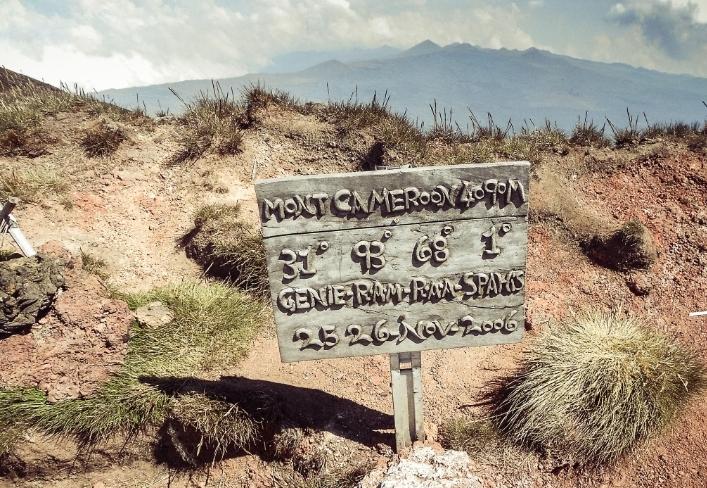
Mount Cameroon, an active volcano and the highest peak in West and Central Africa, stands as a national symbol. The country’s landscapes range from the Sahel in the north to tropical rainforests in the south and beaches along the Atlantic coast.
Agriculture plays a major role in the economy, with cocoa, coffee, and bananas among key exports. Oil production also contributes to national income.
Modern Challenges
In recent years, Cameroon has faced significant challenges. Security threats from extremist groups in the north and tensions in English speaking regions have tested national unity.
Despite these issues, many Cameroonians continue working toward dialogue and stability.
The country’s diversity remains both its greatest strength and its most complex challenge.
A Nation of Many Stories
From ancient forest dwellers to Islamic emirates, from German colonization to French and British division, from federal union to modern republic, Cameroon’s story is layered and complex.
It is a nation shaped by geography, diversity, and resilience.
Cameroon stands today as a crossroads of Africa. Its past carries lessons of unity and division, struggle and adaptation.
The journey is still unfolding, but one thing remains constant. Cameroon’s strength lies in its people, their cultures, and their determination to shape their own future.

Категории
Больше
Apples are among the most popular and nutritious fruits in the world. They have been cultivated for thousands of years and are widely known for their health benefits, refreshing taste, and versatility. The saying “an apple a day keeps the doctor away” became popular because apples contain many nutrients that support overall health. Below is a clear explanation of the...

Former Minister of State for Petroleum Resources and ex-Bayelsa State Governor, Timipre Sylva, has dismissed reports linking him to an alleged coup plot, describing the claims as “politically motivated.” In a statement issued on Wednesday by his media aide, Julius Bokoru, Sylva denied fleeing the country to evade questioning, clarifying that he is currently in the United Kingdom...
Zule Zoo : Al Hassan Ibrahim and Michael Aboh When the name Zule Zoo is mentioned in Nigeria, it unlocks a wave of nostalgia. It brings back memories of loud speakers on busy streets, crowded campus hostels, packed clubs, and bus drivers turning up the volume as passengers sang along without hesitation. It brings back one word that once echoed across the nation. Kerewa....

The PDP in Bayelsa has commended the FCT Minister, Nyesom Wike and G5 members for their zoning of the President to the South and recognition of Senator Samuel Anyanwu as the National Secretary of PDP at a meeting in Abuja. The state chapter, under the leadership of its Acting Chairman, George Turnah, said in a statement on Tuesday in Yenagoa that the recognition was a commitment to the survival...

Married to My Destiny Thief Part 2 The Day Femi Came Begging Femi came on a Tuesday the kind of afternoon that looks harmless until it changes your life. I was at my desk, signing onboarding papers, when the receptionist called. “There’s a man here asking for you. He says it’s urgent.” I didn’t need to ask his name. Some wounds announce themselves. He stood...