About
About
Ado Gwanja Biography: The King of Women Songs and His Electrifying Rise in Kannywood Music
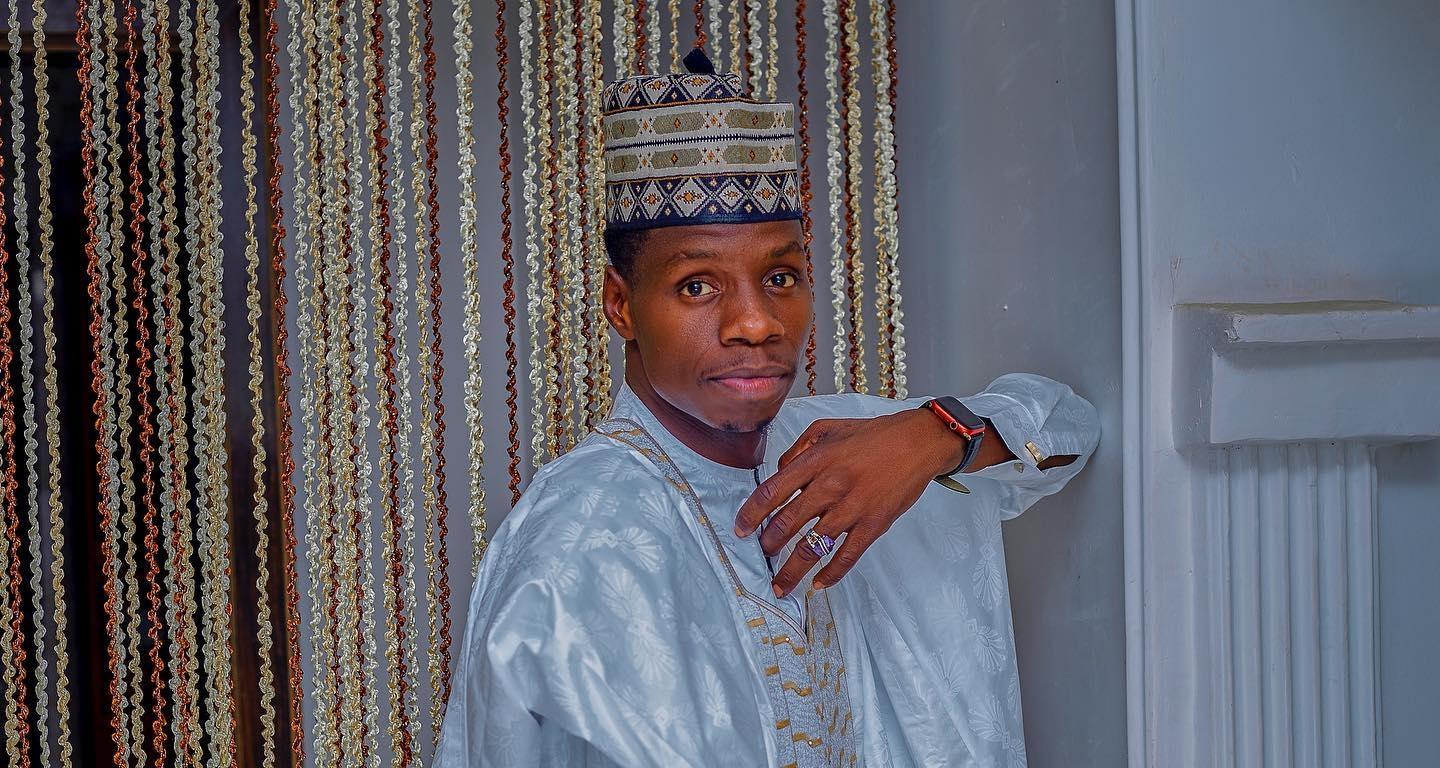
Ado Gwanja
When the name Ado Gwanja is mentioned anywhere in Northern Nigeria, one thing immediately comes to mind energy. Loud beats. Crowds chanting. Women screaming in excitement. His concerts feel less like performances and more like celebrations. But behind the vibrant stage name that has become a cultural brand is his real name, Ado Isah Gwanja.
His story is not quiet. It is bold, colorful, controversial, ambitious, and deeply rooted in the streets of Kano. From humble beginnings to becoming one of the most talked about Hausa musicians of his generation, Ado Gwanja’s journey reflects hustle, creativity, criticism, and resilience.
A Childhood in Kano
Ado Isah Gwanja was born in Kano State, Northern Nigeria, in the late 1980s. He grew up in a typical Hausa environment where religion, tradition, and discipline shaped everyday life.
Kano is not just a city. It is a marketplace of sounds. From the call to prayer echoing at dawn to traders shouting prices in busy markets, rhythm is everywhere. For a young boy like Ado, sound was more than background noise. It was inspiration.
As a child, he was energetic and expressive. He loved gatherings, weddings, and any event that had music. While some children quietly observed, Ado wanted to participate. He would sing for friends and imitate musicians he admired.
His family valued education and structure, but Ado’s heart leaned strongly toward entertainment. Even in school, he was known for his lively personality. He enjoyed being the center of attention.
Discovering His Musical Identity
Unlike traditional Hausa praise singers who focused on politics or royalty, Ado Gwanja was drawn to something different. He noticed that many Hausa songs were centered on men, politics, or moral storytelling. But he wanted to create music that directly celebrated women.
This decision would later define his entire brand.
In his early days, he began recording songs with limited resources. Studios were not easily accessible. Equipment was basic. But passion was abundant.
His early tracks started gaining street recognition. Young listeners were drawn to his energetic delivery and repetitive catchy choruses.
He did not try to sound like anyone else. He carved his own lane.
The Breakthrough Moment
Ado Gwanja’s rise became undeniable when he released hit songs that quickly spread across Northern Nigeria. One of his widely recognized tracks is Kujerar Tsakar Gida, a song that amplified his popularity.
The song reflected his signature style rhythmic, repetitive, playful, and heavily centered on women appreciation themes.
Soon after, he released more hits that solidified his position as a dominant figure in Hausa pop music.
His concerts became massive events. Women, in particular, formed a large portion of his fanbase. This led to his famous nickname King of Women.
The Signature Style
Ado Gwanja’s music is easy to identify. Strong drum beats. Catchy repetitive lyrics. High energy delivery. Direct praise of women.
Critics sometimes describe his style as simple. But simplicity is often powerful. His repetition makes songs unforgettable.
He understands crowd psychology. His songs are designed to be shouted along, not just listened to.
In a conservative society, his focus on women praise sparked debate. Some admired his boldness. Others criticized him.
But controversy only fueled his visibility.
From Music to Acting
Like many Northern Nigerian entertainers, Ado Gwanja did not limit himself to music. He stepped into Kannywood as well.
He appeared in films such as Dan Kuka, expanding his reach beyond music audiences.
His acting roles often reflected his energetic personality. Though music remained his strongest identity, acting gave him additional exposure.
Building a Brand
Ado Isah Gwanja understood early that talent alone is not enough. Branding matters.
He cultivated a loyal fanbase. His shows are carefully marketed. His public persona is consistent bold, confident, unapologetic.
His stage performances are electrifying. He moves energetically, engages directly with fans, and creates an atmosphere of celebration.
Over time, he became one of the most booked Hausa musicians for concerts and large gatherings.
Criticism and Controversy
With fame came criticism. Religious leaders and conservative observers sometimes questioned the nature of his lyrics and performances.
His focus on women praise and energetic shows sparked debate within conservative circles.
However, Ado Gwanja remained firm in his identity. He defended his artistic choices and continued producing music for his target audience.
In entertainment, relevance often comes with risk. He accepted that risk.
Business Growth and Wealth
Success in music brought financial growth. Ado Gwanja invested in his career and lifestyle. His flashy cars and public displays of success became talking points.
He built a strong performance brand that generates income through concerts, endorsements, and collaborations.
His rise reflects how Hausa music has evolved from small local gatherings to major entertainment business ventures.
Marriage and Personal Life
Ado Gwanja’s marriage also attracted public attention. Given his public image as King of Women, fans were curious about his personal life.
Marriage added a new layer to his public identity. While he continues to maintain his bold stage persona, he balances it with family responsibilities.
Influence on Younger Artists
Many upcoming Hausa musicians look up to Ado Gwanja’s marketing strategy and fan engagement style.
He demonstrated that understanding your audience deeply can create loyalty.
His focus on a specific niche women centered songs allowed him to dominate that lane.
Cultural Impact
Ado Isah Gwanja represents a modern shift in Hausa pop culture. He blends tradition with modern performance energy.
He challenged expectations. He carved a new identity within a structured society.
Love him or criticize him, his influence cannot be ignored.
The Man Behind the Energy
Behind the loud music and energetic performances is a determined man who grew up in Kano with big dreams.
He did not inherit fame. He built it.
He turned repetition into power.
He turned controversy into visibility.
He turned energy into empire.
Continuing the Journey
Ado Gwanja’s story is still unfolding. The music industry continues to evolve. New artists emerge.
But his name remains loud in the conversation.
From a lively Kano boy to one of Northern Nigeria’s most recognized pop musicians, Ado Isah Gwanja’s journey reflects ambition and bold self belief.
He did not wait for approval.
He created his own crown.
And today, whenever the crowd chants his name, it is not just for the music. It is for the story of a young boy who believed his voice could move thousands and proved it.

Categories
Read More
Debby Shokoya Debby Shokoya, popularly known as Omo Ibadan, is a Nigerian actress, Entrepreneur and content creator known for her humorous roles and lively personality in Yoruba Nollywood and social media skits. She has built a strong fan base through her relatable comedy and engaging storytelling. Early Life and Background Debby Shokoya was born on July 19, 1993, in Ibadan, Oyo State,...
Episode Three (18+) “Why she no go open? She go don hear about us na, and have decided to give in. I thought she is claiming hard to get?” Mark said smiling…. That was the beginning of their DOOM.. One week gone, and they kept counting down on the two weeks given to them by Lucifiana. But in all these period, she was not seen anywhere around the campus, neither...

Victoria’s POV That night, sleep refused to come. I lay on my bed staring at the ceiling, my mother’s words replaying over and over in my head like a stubborn echo. Love does not feed a family. I turned from one side to the other, hugging my pillow tightly, wishing it were Daniel’s chest instead. I loved him. That part was certain. But loving him suddenly felt like...

In a surprising turn of events during his trial in Finland, Simon Ekpa, a prominent figure associated with the Indigenous People of Biafra (IPOB), has distanced himself from the secessionist movement. He told the Finnish court that his title as "Prime Minister of Biafra" was a joke and that he is merely a "content creator" producing videos for leisure. This statement has sparked widespread...

Soldiers and other security forces in the early hours of Thursday, took over the popular Effurun roundabout and the Ebrumede roundabout in Uvwie Local Government Area of Delta State forcing rights activists who were supposed to lead protests to into hiding. No protester was seen on sight by our correspondent who monitored activities in the town. When contacted for comments, a human right...