О нас
О нас
Ibrahim Maishunku: The Silent Force Shaping Kannywood

Ibrahim Maishunku
When people say Ibrahim Maishunku, many Hausa film lovers remember a face that can look calm in one scene and dangerous in the next, a man whose presence feels like a warning and a promise at the same time. He is the kind of actor who does not need to shout before a room goes quiet. Yet behind the name that audiences know so well is his real name, Ibrahim Labaran Maishunku, a veteran actor and filmmaker who grew from the heart of Kano into one of the most familiar figures in Kannywood.
His story is the kind you hear when you sit with elders at dusk and they begin to talk about talent, patience, and the way life can carry a boy from ordinary streets to extraordinary screens. It is also a story about choices, about learning a craft while the industry itself was still learning to walk, and about staying relevant even when trends change and new faces arrive every season.
A boy from Kano with a restless spirit
Ibrahim Labaran Maishunku was born on October 6, 1976. Hausa sources place his roots in Kano State, and some accounts describe his beginnings around Jujin Labu in Dala Local Government Area, a part of Kano that carries the rhythm of markets, family compounds, and everyday hustle.
Kano is not just a city, it is a training ground. It teaches a child how to observe people, how to read moods, how to understand respect and discipline, and how to survive in a place where everyone seems to be doing something with their hands. In such an environment, a boy can learn confidence early, even if he is quiet. And Maishunku, from the way colleagues and writers describe him, grew into that mixture of calm and intensity that later became his signature on screen.
In Northern homes, especially in Kano, the early lessons are often clear. Respect your elders. Hold your tongue when needed. Work hard. Fear God. Learn to stand on your own feet. Those values do not always look like entertainment values, but they are the same values that build endurance. Acting, especially in the early days of Hausa film, was not always regarded as a secure path. It was exciting, yes, but it was also risky. So if a young man insisted on it, he needed not just talent, but stubborn determination.
School days and the first spark of performance
Maishunku’s early education is often linked to Kano schools, including Dala Special Primary School as part of his formative learning. In a place like Kano, school life is not only about books. It is about character. It is about learning to speak properly. It is about learning to stand in front of others, whether in class presentations, drama activities, or cultural events.
Long before a camera focuses on a face, life itself trains an actor. A future performer learns how people laugh, how they argue, how they hide pain, how they act brave when they are afraid. Many actors discover their gift in school because school forces them to stand up and express something. And in Maishunku’s case, by the time he reached secondary school age, the pull of performance was already there.
One old write up about him notes that he started acting while he was in SS3, which means the stage was calling him even before adulthood fully arrived. That matters because it shows something about him. He did not wait for a perfect invitation. He did not wait until everything was settled. He started where he was, with whatever opportunity he could find.
Nigerian Voice
Learning beyond the camera
Many people assume actors simply wake up talented, but the ones who last usually learn structure, discipline, and planning. A profile on him discusses his educational journey in a way that suggests he pursued further qualifications, including an NCE obtained in 1999, and links his schooling to Gwammaja area education in Kano. Even when details are shared differently across sources, the important point remains that he did not separate personal development from his dreams.
This is one of the hidden secrets behind longevity. When the lights go off and the applause fades, the person who keeps growing is the one who keeps finding opportunities. Education gives a person language, confidence, and the ability to understand contracts, production planning, and leadership. Those things become essential when an actor moves from simply performing to producing and organizing work for others.
Entering Kannywood when the industry was still shaping itself
Kannywood, the Hausa film industry, grew strongly in the late 1990s and early 2000s, a time when many talented young people were testing their voices and faces in front of cameras that were not as advanced as today’s. Ibrahim Labaran Maishunku is widely described as a Kannywood actor and producer who has been active since around the late 1990s.
Imagine entering an industry that is still building its rules. There are few established pathways. There is less funding. Distribution is hard. Piracy is common. Yet the hunger is strong because audiences want stories that reflect their language, culture, and daily life. This is the kind of environment that can either break a person or sharpen them.
Maishunku was sharpened by it.
He developed a presence that fit the kind of films people were watching at the time. Hausa films often carry moral lessons, family tension, love stories shaped by tradition, and conflicts that mirror what communities face. For an actor like Maishunku, the ability to look serious, to look like a man wrestling with decisions, became a powerful tool. Some fans also know him by the nickname Ibrahim Mai Shinko, a name that has followed him and appears in Hausa language references about him.
The roles that made people pay attention
Over time, Maishunku became known for performing in multiple productions, and sources mention that he built recognition through popular Hausa films. A report from VOA Hausa, while focusing on a personal loss in his family, refers to him as a well known Kannywood actor and mentions films people associate with him, including Madadi and Jamila Da Jamilu.
The mention of titles in a news context is important because it shows what the public remembers. Many actors appear in dozens of films, but only a few titles stick to their name in public conversation. When a person’s work becomes a reference point, it means audiences connected to it emotionally.
In another place, a film credit listing gives a sense of the volume around his career, showing him associated with many Hausa productions such as Aure ko Boko, Baki da Baki, Cikar Burina, Cikin Waye, Gari Ya Waye, Ina Nan, Matsayin So, Mazan Fama, Na Amince, and more. These lists are not just names. They represent years of showing up, learning sets, delivering lines, and carrying scenes.
And then there is the broader visibility. On IMDb, he is listed with credits including Kamaruz Zaman, Kowa Dalin, and Jidda. For many Hausa actors, being documented outside local circles helps preserve their legacy, especially as audiences spread across different platforms.
The making of a professional, not just a star
One of the clearest windows into Maishunku’s mindset comes from an interview published by Daily Trust titled Five Minutes With Ibrahim Maishunku. In it, he speaks in a way that reflects gratitude and awareness of how acting changed his life, suggesting that taking on roles and committing to the craft opened doors and allowed him to travel and grow.
That kind of statement may sound simple, but it reveals a deep truth. Many people chase fame. Fewer people chase mastery. The actor who sees acting as a doorway to growth, rather than only attention, often survives the storms of the industry.
It also hints at the role of family support. In different discussions about actors, you hear the same theme again and again. Someone believed in them early. Someone encouraged them. Someone said, keep going. In Maishunku’s case, the Daily Trust piece mentions appreciation toward his mother and toward Kannywood itself. That gratitude points to a foundation that kept him grounded.
From actor to producer and builder
As his name grew, Maishunku did not remain only in front of the camera. Hausa language references describe him as an actor and also a filmmaker involved in producing and organizing films. This step matters, because producing is not only about money. It is about leadership. It is about gathering people, shaping stories, managing schedules, and creating opportunities for others.
In Kannywood, many actors who become producers do so because they want control over storytelling or because they want to protect their career from depending on other people’s casting decisions. Producing becomes a way of saying, I will not wait for a call, I will create the call.
That decision is not easy. It requires courage. It requires relationships. It requires understanding the business side of entertainment. It also requires patience, because not every production succeeds.
Yet the actors who become producers often leave a deeper mark, because they shape the culture of the industry itself.
Fame, marriage, and the human side behind the camera
With public recognition often comes public curiosity. People want to know who an actor married, how they live, and what kind of person they are when the cameras stop. One older profile about Maishunku refers to him as married, offering a glimpse into the idea that he built a home life alongside a public career.
Whether or not every detail is repeated the same way in all sources, one thing remains true across entertainment: it takes a strong personal foundation to survive a long career. Acting can be unstable. Seasons change. Public opinion shifts. A person who does not build emotional stability can lose themselves in the noise.
Maishunku’s public presence has often leaned toward calm professionalism rather than constant drama. That does not mean he has not faced hardship. It means he has often carried it quietly.
Loss, faith, and the chapter that reminded people he is human
In January 2021, VOA Hausa reported on the death of Maishunku’s father, quoting his grief filled message and showing how colleagues and industry members sent condolences. In that moment, the public did not see a movie character. They saw a son.
This is one of the hard truths of life. No matter how famous a person becomes, grief makes everyone equal. And in cultures where family bonds are deep, losing a parent can shake a person’s world.
Yet even such painful moments reveal character. The way he expressed his loss, and the way industry colleagues responded, shows he is connected to a community. It also shows that Kannywood is not just an industry, it is a network of people who have grown together, suffered together, celebrated together.
His style as an actor and why audiences remember him
Every actor has a signature. Some are known for comedy, some for romance, some for the villain roles that make viewers shout at the screen. Maishunku is often remembered for a grounded presence that fits serious storytelling. Even older entertainment commentary described him as among the best in the Hausa movie genre at the time, emphasizing his strong profile in popular films.
What makes an actor memorable is not only looks. It is rhythm. Timing. The ability to pause at the right moment. The ability to say a line like it is coming from the heart, not from a script. And for an industry that values moral lessons and emotional storytelling, the actor who can carry weight becomes priceless.
Maishunku’s ability to move between different types of films is also part of his strength. His listed credits show variety across drama and social stories. He is not a one lane performer.
The evolving industry and how he stayed visible
Kannywood has changed. Production quality has improved. Distribution has shifted from CDs to online platforms. Social media has become a major influence on who becomes popular. In such a shifting environment, some early stars fade, not because they lack talent, but because they fail to adapt.
Maishunku’s continued appearance in recognized credits across the years suggests he has managed to stay part of the conversation. And being active over many years is never an accident. It is usually the result of professionalism. Showing up on time. Treating people with respect. Choosing roles carefully. Knowing when to step forward and when to step back.
What his journey represents for young actors
For younger Kannywood talents, Ibrahim Labaran Maishunku’s story carries a clear lesson. You can start early, even from school days, and build yourself step by step until people cannot ignore your growth. You can enter an industry while it is still developing and still create a strong identity. You can expand from acting into production and become part of the structure that supports others.
Most importantly, you can remain human through it all.
Because at the end of the day, the strongest legacies are not built only on fame. They are built on consistency, character, and contribution.
The man behind Ibrahim Maishunku
So when fans say Ibrahim Maishunku, they are speaking about a journey, not just a name. They are speaking about Ibrahim Labaran Maishunku, a Kano born figure whose career has traveled through the rise of Hausa film, through changing times, through personal loss, and through the constant demand to keep delivering.
They are speaking about an actor who started young, built skills, earned respect, and kept showing up.
And that is why his story matters. It reminds people that success in entertainment is not only about one big moment. It is about many small moments of effort, stacked together over years until the world has no choice but to notice.

Категории
Больше
Victoria’s POV The airport was louder than my thoughts, yet everything inside me felt quiet and heavy. Daniel stood in front of me with his small travel bag, looking calm on the outside but I knew him better now. His jaw was tight. His eyes lingered on my face like he was trying to memorize every detail. I smiled, even though my chest hurt. “So this is it,” I said softly....

Peller Peller is a Nigerian online streamer, TikTok personality, and content creator known for his energetic livestreams, comic style, and fast rise in Nigeria’s digital entertainment space. He gained wide public attention as one of the young creators who helped make livestreaming and short form online content more popular among Nigerian youth. Early Life and Background Peller was born...

In a major development that signals the end of an era in Nigeria’s corporate landscape, Aliko Dangote, Africa’s richest man and one of the continent’s most influential industrialists, has officially retired as Chairman of the Board of Dangote Sugar Refinery Plc. The announcement was made public today, marking the conclusion of a 20-year leadership journey that saw Dangote...

Etsu Umaru Majigi Early Life Etsu Umaru Majigi was born into a royal family in the ancient Nupe Kingdom, in what is now part of present-day Nigeria. From childhood, he was raised with discipline, wisdom, and deep respect for tradition. Growing up, he learned the values of leadership, courage, and responsibility. Elders in the palace trained him in the customs of the Nupe people,...
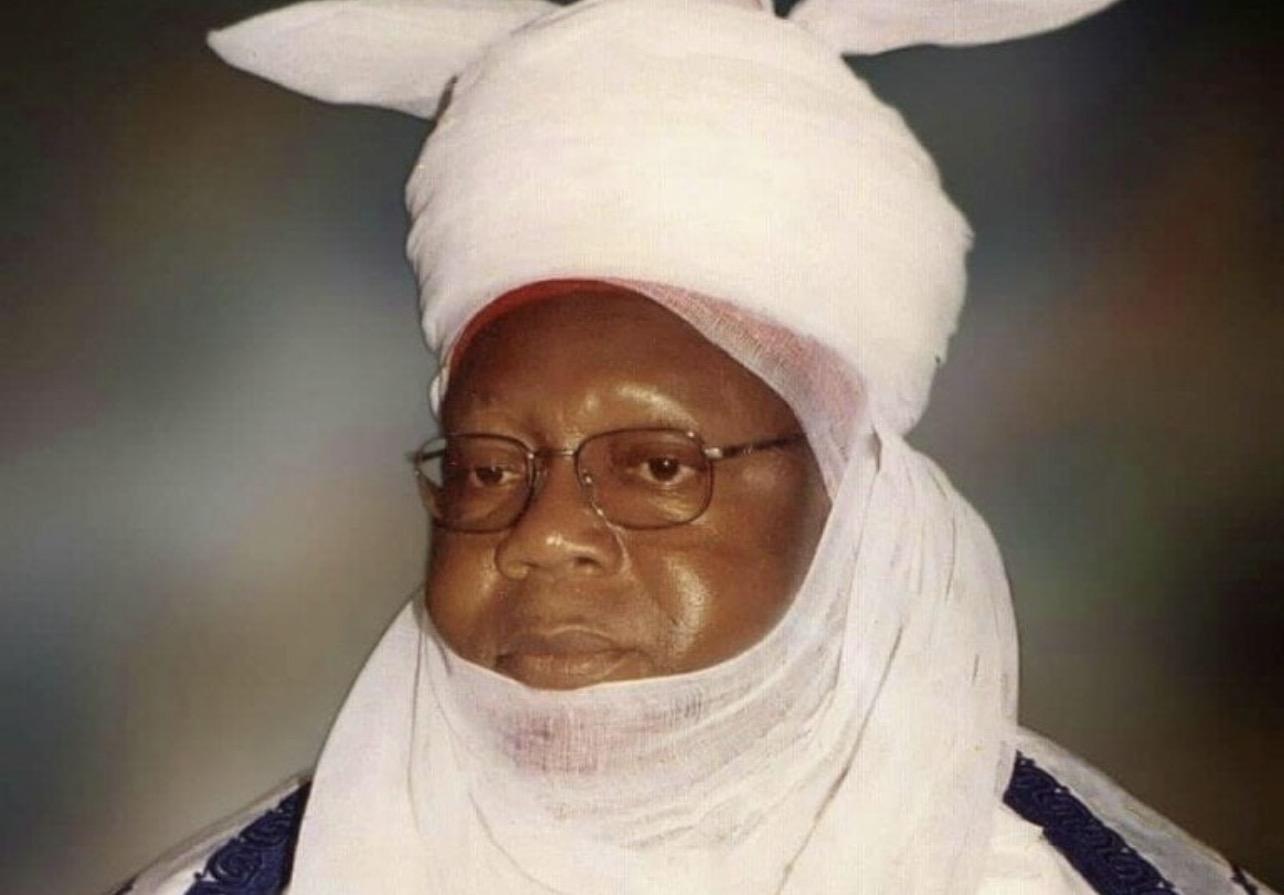
Charly Boy Charles Oputa, widely known as Charly Boy (also stylized as Charlie Boy or Area Fada), is a Nigerian singer, television presenter, actor, and outspoken social activist. He is celebrated not only for his contributions to Nigeria’s entertainment industry but also for his fearless activism, countercultural image, and advocacy for social justice and good governance....