


 Σχετικά
Naziru Sarkin Waka: The Legendary Voice Shaping Northern Nigerian Music

Naziru Sarkin Waka
When the name Naziru Sarkin Waka is mentioned across Northern Nigeria, it carries authority, rhythm, and cultural pride. The title itself commands respect. Sarkin Waka means King of Music in Hausa, and for many of his fans, the name is not just a nickname but a crown he earned through years of dedication. But behind the powerful stage identity is his real name, Naziru Ahmad.
His story is not simply about music. It is about heritage, praise singing, political influence, controversy, resilience, and the unwavering confidence of a man who believed in his voice long before the world crowned him with a title.
A Childhood Shaped by Tradition
Naziru Ahmad was born in Kano State, Northern Nigeria, into a society deeply rooted in tradition and oral storytelling. Kano, one of the most culturally significant cities in the region, has long been home to praise singers, griots, and court musicians who use rhythm and poetry to honor leaders and celebrate achievements.
From a young age, Naziru was surrounded by sound. Weddings, naming ceremonies, religious gatherings, and community celebrations were filled with music. The Hausa culture treasures praise singers who narrate history, recite lineage, and celebrate influential figures through song.
As a child, Naziru listened carefully. While other children were distracted by play, he paid attention to lyrics. He studied how praise singers structured their verses. He observed how they commanded attention from powerful men.
Even before he fully understood it, he was absorbing the art form that would later define his life.
Discovering His Talent
Naziru Ahmad began experimenting with rhythm at a young age. He would create short chants praising elders in his neighborhood. Sometimes it was playful. Sometimes it was serious. But even then, there was confidence in his delivery.
He did not just sing. He declared.
His voice was bold and energetic. It carried naturally without strain. Those around him noticed that he had the charisma of a traditional court singer.
Unlike mainstream musicians focused on romance or dance trends, Naziru was drawn to praise singing. It was a respected but demanding path. To succeed, one needed sharp memory, cultural knowledge, and bold presence.
Naziru embraced the challenge.
The Rise of Sarkin Waka
As Naziru entered adulthood, he began performing at larger gatherings. His reputation grew steadily. He composed songs praising prominent individuals, business leaders, and political figures.
His lyrics were strong and repetitive, designed to stick in the minds of listeners. He understood that praise singing is not subtle. It is direct, powerful, and intentional.
Over time, he adopted the title Sarkin Waka. Some may have considered it ambitious, but his supporters embraced it enthusiastically. They believed he had earned the crown.
His association with political figures significantly boosted his profile. During election seasons, his songs echoed at rallies. His energetic performances could transform a quiet gathering into a lively crowd.
One of the political figures he publicly supported was Muhammadu Buhari, and his campaign songs became widely recognized during election periods.
Fame and Influence
With fame came influence. Naziru Sarkin Waka was no longer just a local praise singer. He became a recognizable figure across Northern Nigeria.
His performances attracted large crowds. His studio projects gained traction. His lifestyle reflected success.
Unlike some entertainers who avoid political alignment, Naziru leaned into it confidently. He positioned himself as a voice for those he supported.
His music became both entertainment and political mobilization.
Controversies and Resilience
Political praise singing is powerful but risky. When political alliances shift, public opinion can change quickly.
Naziru faced criticism at different times. Some questioned the ethics of political praise music. Others accused him of being too outspoken.
At one point, reports emerged of property damage linked to political tensions. Such moments tested his resilience.
But Naziru did not retreat quietly. He maintained his bold persona. He continued producing music and appearing publicly.
For him, stepping back was not an option.
Musical Style and Identity
Naziru Sarkin Waka’s style is unmistakable. His songs feature heavy drum beats, energetic chants, and repetitive praise lines. His voice dominates the track.
He often incorporates cultural references and Islamic expressions into his lyrics, reinforcing his connection to Hausa identity.
His performances are animated. He moves confidently on stage, engaging directly with audiences.
He blends traditional praise singing with modern production, creating a hybrid style that appeals to both older and younger listeners.
Personal Life and Values
Despite his public boldness, Naziru Ahmad maintains certain aspects of his personal life privately.
He emphasizes loyalty. He values recognition. He believes in standing by those who support him.
Those close to him describe him as confident, ambitious, and strategic.
His strong personality is central to his brand.
Cultural Impact
Naziru Sarkin Waka represents a modern evolution of Hausa court musicians. Historically, praise singers served emirs and royal courts. Today, the court has expanded into political arenas and public stages.
Naziru carried that ancient tradition into the modern era.
He reminds audiences of the power of spoken rhythm and cultural pride.
Influence on Younger Artists
Younger praise singers look up to Naziru as a model of success. He demonstrated that political music can be profitable and influential.
He also showed that branding matters. By claiming the title Sarkin Waka, he positioned himself as a leader rather than a follower.
Confidence became his signature.
The Man Behind the Crown
Naziru Ahmad, known to millions as Naziru Sarkin Waka, is more than a performer. He is a symbol of ambition.
From a young boy listening to praise singers in Kano to becoming one of the most recognized political musicians in Northern Nigeria, his journey reflects courage and determination.
He did not wait for validation. He crowned himself and worked to justify it.
Continuing the Legacy
Naziru’s story is still unfolding. Political seasons come and go. New artists emerge. Public opinion shifts.
But his name remains firmly rooted in the conversation about Hausa political music.
He built a brand on boldness.
He embraced controversy instead of fearing it.
He transformed praise singing into a modern political force.
And whether admired or debated, Naziru Sarkin Waka’s legacy in Northern Nigeria’s cultural and political music scene is undeniable.

Κατηγορίες
Διαβάζω περισσότερα
Moyo Lawal Moyo Lawal is a Nigerian Nollywood actress, television personality, and entrepreneur known for her energetic performances and strong screen presence. She is one of the recognizable faces in Nollywood and has appeared in numerous Nigerian movies and television productions. Over the years she has gained attention for her acting talent, bold personality, and active presence on...

Emmanuel Ofori Devi When people talk about African innovation, the biggest stories are often the ones that begin with a real human problem. Not a theory. Not a lab exercise. Not a polished business pitch made only to impress investors. The strongest ideas often begin with inconvenience, pain, distance, and the stubborn question of why something so important has to be so hard. That is...

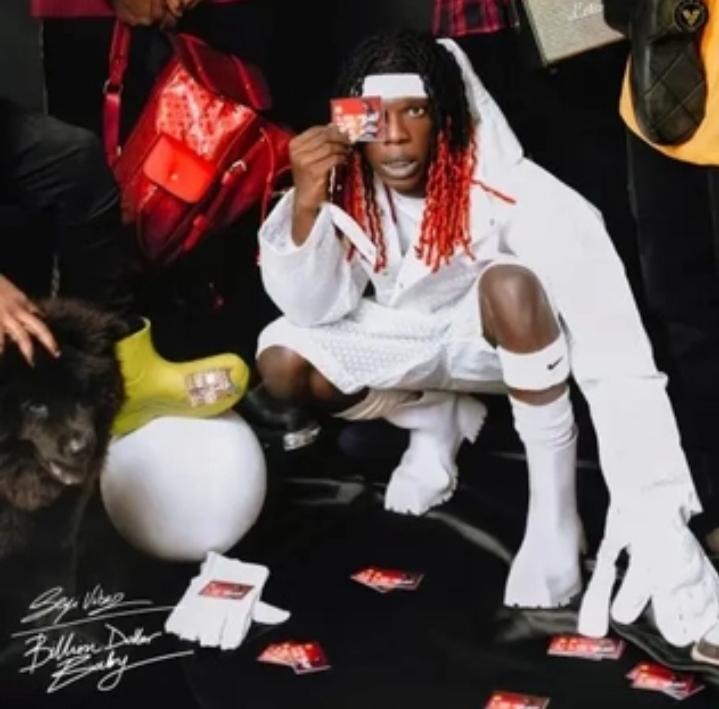
From the Streets of Ketu to the Sound of the People: The Powerful Journey of Seyi Vibez In the crowded streets of Ketu, Lagos, where survival is a daily competition and dreams often feel too big for narrow roads, a young boy once walked with music playing in his head. He did not have luxury. He did not have industry connections. What he had was pain, faith, hunger, and a voice that carried the...
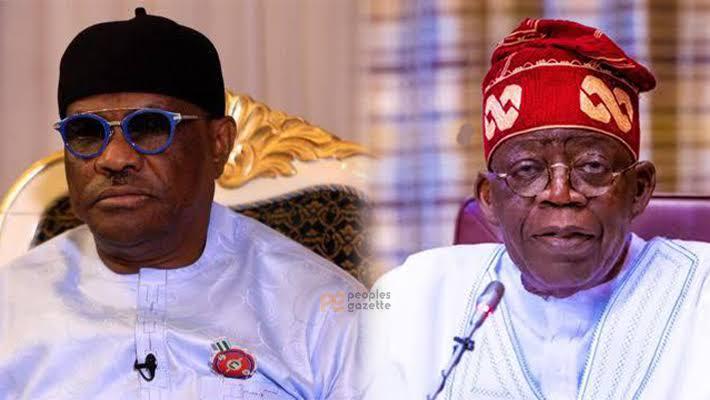
Prominent PDP chieftain, Dele Momodu, has sparked fresh political debate with his recent comments comparing President Bola Ahmed Tinubu and FCT Minister Nyesom Wike. According to Momodu, despite Tinubu’s long-standing political dominance in Lagos since 1999, he hasn’t been as “audacious” in governance as Wike. Momodu’s remarks are raising eyebrows and stoking...
Life has a way of testing us when we least expect it. At 23, I’ve seen more hardship than most people see in a lifetime. I lost my parents when I was still young. One by one, relatives who should have been there for me vanished, leaving me with nothing but memories and an aching void. After secondary school, I had dreams of furthering my education, of building a life that would honor my...

