About
About
The Golden Voice of Kannywood The Inspiring Journey of Sani Musa Danja
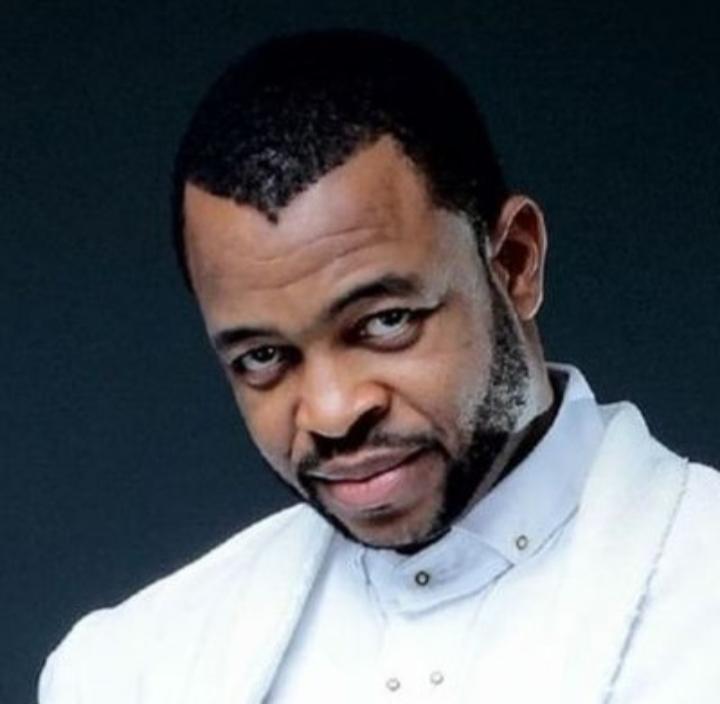
Sani Musa Danja
When people hear the name Sani Danja, they immediately think of charisma, talent, and a commanding presence that has shaped the Hausa film industry for decades. But behind the stage name that has become a household identity across Northern Nigeria is his real name, Sani Musa Abdullahi. His journey from a young boy with dreams in Kano State to one of the most respected figures in Kannywood is a story of persistence, faith, creativity, and evolution.
Early Life and Childhood
Sani Musa Abdullahi was born on April 20, 1973, in Kano State, Nigeria. Growing up in the culturally rich northern region, Sani was raised in an environment where tradition, religion, and storytelling played major roles in everyday life. Kano, known for its deep historical roots and vibrant Hausa culture, would later become the foundation of his artistic identity.
As a child, Sani was lively, curious, and naturally expressive. Those who knew him in his early years often described him as a boy who loved gatherings, performances, and attention. He would participate in school dramas and community events, sometimes imitating popular actors or singers he admired. Even before he understood what a professional acting career meant, he knew he loved being in front of people.
His parents valued education and discipline. While young Sani had dreams that revolved around performance, he also balanced his academic responsibilities. However, it became increasingly clear that his heart leaned more toward creative expression than conventional career paths.
Discovering His Passion for Entertainment
In the late 1980s and early 1990s, the Hausa film industry, now known as Kannywood, was gradually taking shape. Local storytelling through home videos was gaining popularity. Sani Musa Abdullahi was drawn to this emerging world like a magnet.
He began by associating with theatre groups and film enthusiasts in Kano. The industry was not as structured as it is today. There were limited resources, little funding, and almost no formal training institutions. What existed instead was passion and determination.
Sani started by taking small roles in productions. He observed senior actors carefully, learning how they delivered lines, expressed emotions, and handled the camera. He paid attention to directors, understanding how scenes were structured. These early experiences shaped his discipline and professionalism.
It was during this period that he adopted the stage name Sani Danja. The name quickly became memorable. Over time, it overshadowed his birth name and became synonymous with talent and excellence in Kannywood.
Rise to Fame in Kannywood
Sani Danja’s breakthrough did not happen overnight. He spent years building his reputation before landing roles that would cement his place in the industry.
One of the films that significantly boosted his profile was Manakisa, a production that resonated strongly with audiences across Northern Nigeria. His performance was praised for its emotional depth and authenticity.
Another important project was Kwarya Ta Bi Kwarya, where he displayed his versatility. He proved he could handle romance, comedy, and intense drama with equal skill. Producers began to see him as a bankable star, and his demand skyrocketed.
By the early 2000s, Sani Danja had become one of the leading faces of Kannywood. His name on a movie poster guaranteed attention.
Music Career and Artistic Expansion
Not satisfied with acting alone, Sani Danja ventured into music. His smooth voice and understanding of emotional storytelling made the transition natural. He released several Hausa music albums that gained popularity at weddings, celebrations, and public gatherings.
His songs often focused on love, culture, and moral values themes that resonated deeply with his audience. This dual career strengthened his brand and expanded his fan base beyond film lovers.
Becoming a Producer and Industry Leader
As he matured in the industry, Sani Danja moved into film production. He wanted creative control and an opportunity to mentor younger talents. Through production, he contributed significantly to the development of Kannywood’s storytelling standards.
He became more than just an actor. He became a leader, investor, and mentor within the Hausa entertainment industry.
Personal Life and Values
Despite his fame, Sani Danja is known for maintaining a relatively private personal life. He is married and a devoted family man. He often emphasizes faith, discipline, and respect for cultural values.
Balancing celebrity status with family responsibility has been one of his greatest achievements. He represents stability in an industry often filled with controversy.
Challenges and Resilience
The Kannywood industry has faced censorship issues and moral debates over the years. During periods when films were restricted, many careers suffered. Sani Danja endured these challenges with resilience, adapting and continuing to produce content within regulatory frameworks.
His ability to survive industry storms speaks volumes about his strength and professionalism.
Legacy and Cultural Impact
Today, Sani Musa Abdullahi known globally as Sani Danja is regarded as one of the pillars of Kannywood. His films have entertained millions across Nigeria and in Hausa speaking communities worldwide.
He helped shape modern Hausa cinema. He inspired a new generation of actors. He proved that with passion and consistency, a young boy from Kano could rise to become an icon.
His story remains one of determination, talent, and unwavering belief in his dreams.


Categories
Read More
Everyone used to admire me without question. They praised my beauty, my dressing, the way I carried myself like royalty. I was the girl people pointed at and whispered about not out of pity, but admiration. “She’s so neat.” “She looks expensive.” “That one has her life together.” I wore their words like jewelry, polished and shining. What they...

Poverty has many faces, but shame is the one people rarely talk about. I know this because I have worn it. I grew up in a family so poor that even people who were struggling themselves called us poor. It was not said with kindness; it was said as a fact, sharp and heavy. Our house was always quiet, not because there was peace, but because hunger has a way of silencing laughter. Most...
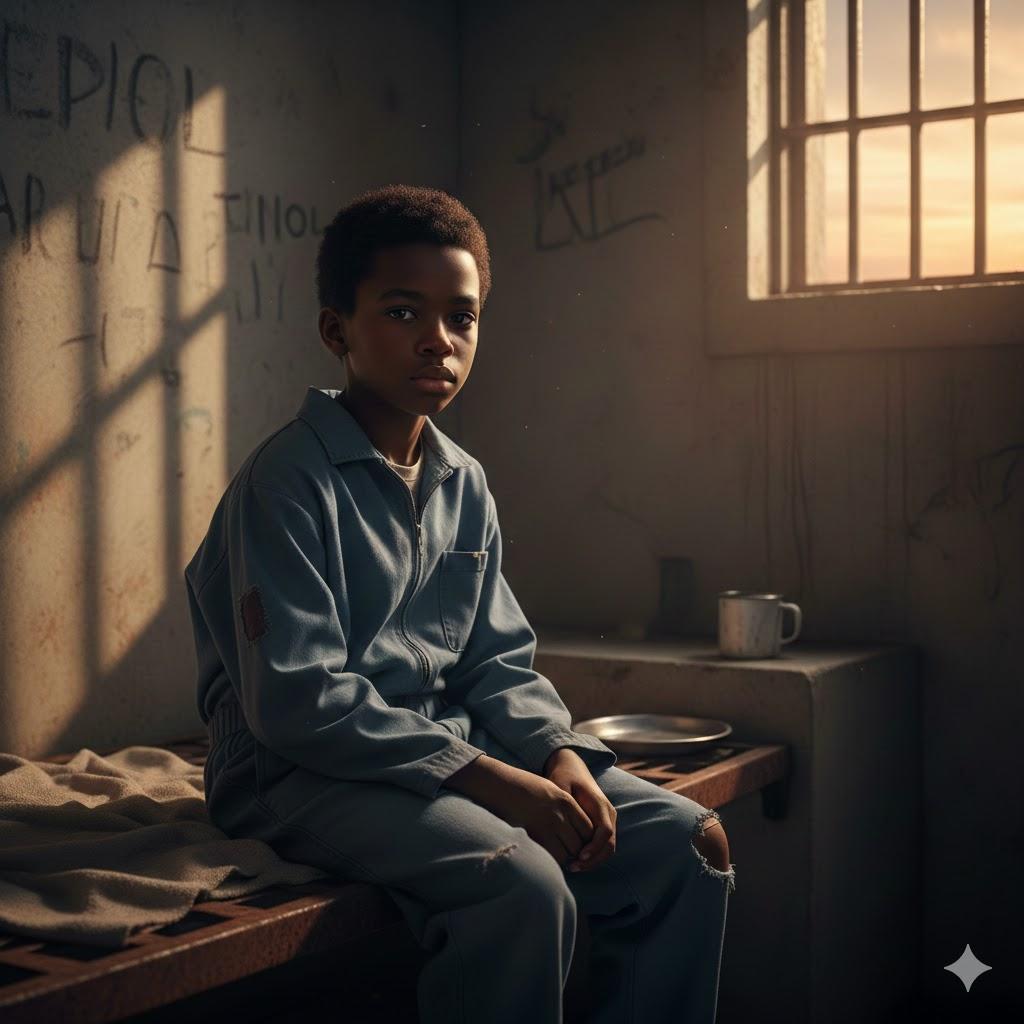
THE WOMAN WHO ATE AT NIGHT The wardrobe smelled of old clothes, mothballs, and fear. Tolani pressed her back against the wooden wall, knees drawn to her chest, one hand clamped over her mouth so tightly her jaw ached. The other hand gripped the heavy ceramic flower vase she had picked from the dresser in blind panic. Her arms were shaking. Her teeth were chattering. Outside the...

Presidential candidate of the Labour Party (LP), Peter Obi, has called for electoral accountability ahead of the 2027 general elections. Speaking at a book launch on Tuesday, Obi declared that votes will count in the upcoming polls. “The votes will count and those who think they will not count will be counted,” he said. The launched book, a biography titled “Obi: The Political...
Regina Chukwu Regina Chukwu is a respected Nigerian actress, filmmaker, and producer known for her strong presence in the Yoruba sector of Nollywood. Over the years, she has built a reputation not only for her acting talent but also for her resilience as a single mother and entrepreneur. Her life story is one of determination, faith, and perseverance in the face of personal loss. Age...