


 About
About
Hunger Is Not An Excuse
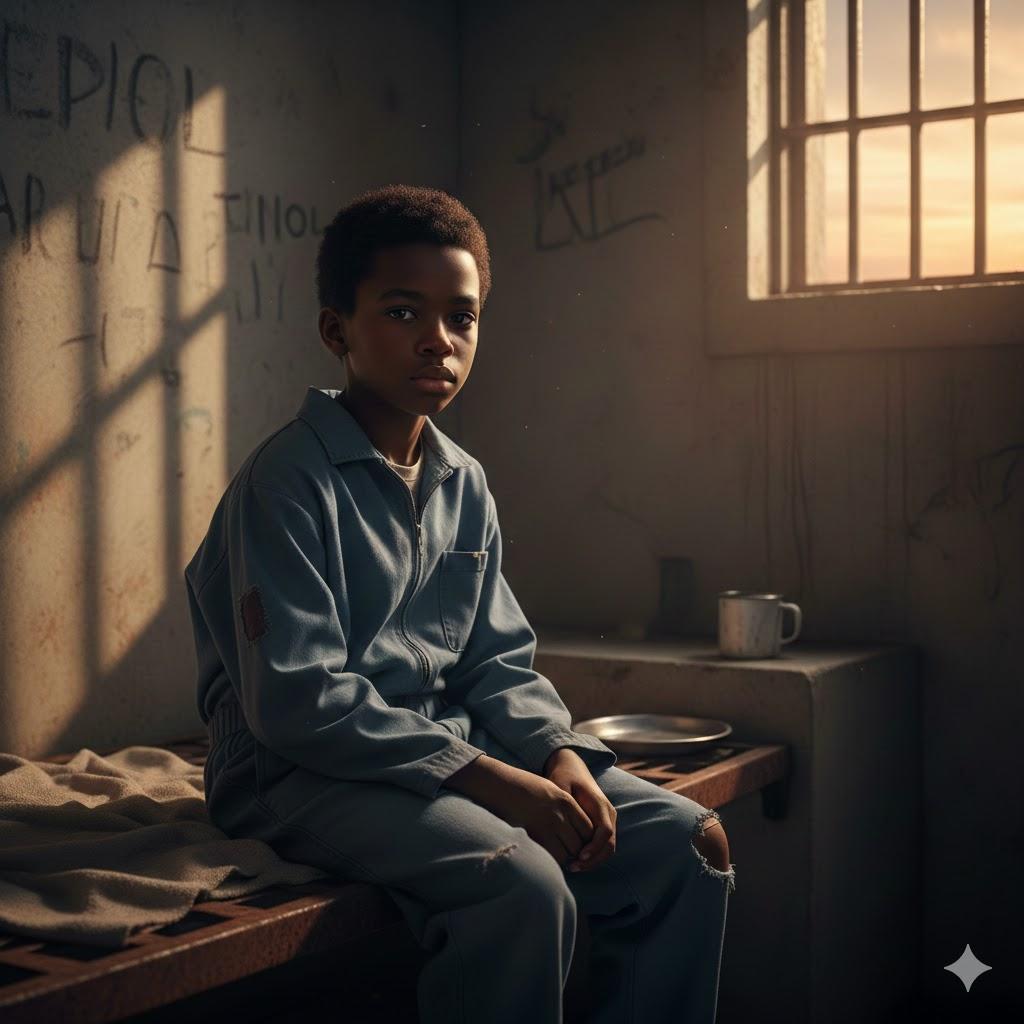
Poverty has many faces, but shame is the one people rarely talk about. I know this because I have worn it. I grew up in a family so poor that even people who were struggling themselves called us poor. It was not said with kindness; it was said as a fact, sharp and heavy. Our house was always quiet, not because there was peace, but because hunger has a way of silencing laughter.
Most days, garri was our companion morning, afternoon, and night. Sometimes we drank it with sugar if we were lucky, sometimes with plain water. I watched other children eat biscuits, bread, and sweets, and I learned early how to swallow saliva and pretend I was not hungry. I told myself that one day things would change, but hunger does not understand promises of tomorrow.
One particular day, hunger defeated my patience.
I woke up weak and angry, tired of pretending to be strong. My stomach burned, and my head felt light. I looked around our small room and felt trapped by poverty. That morning, I made a decision not a wise one, but one born out of frustration. I decided to leave the house. I didn’t know where I was going; I only knew I could not stay and drink garri again.
As I walked aimlessly, my eyes caught a supermarket. It stood there brightly, full of things I had only admired from afar. I hesitated, then entered. The cool air hit my face, and the smell of food almost made me dizzy. I walked slowly through the aisles, pretending I belonged there, pretending I had money.
Then I saw it a packet of biscuits I had always wished to eat.
I stood there for a long time, staring at it like it was gold. In my mind, I argued with myself. I told myself it was just biscuits. I told myself hunger had pushed me too far. I told myself that rich people would not miss it. Before I could stop myself, I took it. My hands were shaking as I tried to hide it. I thought I was smart. I thought no one saw me.
I was wrong.
The security noticed me from the camera. Before I could even step out properly, I was stopped. My heart jumped into my throat. People were staring. The same mouth that dreamed of tasting biscuits now tasted fear. They held me and called the police. As they led me away, I started shouting and crying. I kept saying it was because my family was poor. I thought maybe someone would pity me. No one did.
At the police station, my tears continued. I explained everything our poverty, the hunger, the garri, the shame. I thought the officer would understand. He listened quietly, then looked at me and said words that cut deeper than hunger: *“Hunger is not an excuse to steal.”*
Those words stayed with me.
My parents were called. Watching them arrive at the station was the worst moment of my life. Their faces were tired, confused, and deeply embarrassed. They did not shout; that hurt even more. To bail me out, they had to borrow money money they did not have. That day, instead of helping my family, I caused them more problems. Poverty had already humbled us, and my action dragged us lower.
As we walked home, I could not lift my head. I felt like I had failed not just myself, but everyone who loved me. The biscuits I wanted so badly were no longer important. What mattered was the lesson I had learned the hard way.
That day taught me something I will never forget: poverty is painful, but it is not an excuse for stealing. Hunger can explain temptation, but it cannot justify wrongdoing. I learned that my choices, even in hardship, carry consequences not just for me, but for my family.
We were still poor after that day. Garri did not disappear from our lives overnight. But something changed inside me. I learned discipline. I learned patience. Most importantly, I learned dignity.
Today, whenever I remember that day, I feel the shame but I also feel gratitude. That painful experience corrected my path early. It taught me that integrity is more valuable than any biscuit, and that no matter how hard life gets, I must never lose myself to it.


Categories
Read More
Prince Adewale stood before the throne, his hands clasped behind him, his back straight, yet his heart was anything but calm. The palace felt unusually silent that morning, as though the walls themselves were waiting to hear his truth. The King sat tall, authority resting easily on his shoulders. Beside him, the Queen watched her son closely, a mother’s eyes sharp enough to sense...

Dozie Mmobuosi Dozie Mmobuosi once appeared to be the bold new face of African technology. Young, ambitious, and globally visible, he told a story that captured headlines. A story of innovation, billion dollar valuations, global listings, and even an attempt to buy an English football club. But his journey became one of the most controversial chapters in modern African business....

Olusegun Kokumo Agagu In the coastal town of Iju Odo in Ondo State, where the rhythm of life moved gently with the tides and the palm trees swayed with old wisdom, a boy was born on February 16, 1948. That boy would grow up to become one of Nigeria’s most educated governors and a central figure in the political evolution of the South West. His name was Olusegun Kokumo Agagu....

Cosmas Maduka There was a time when a young boy walked the streets of Nnewi barefoot, not knowing that one day he would sit at the table of global automobile giants. That boy was Cosmas Maduka, a man whose life would become one of the most powerful business stories in Nigeria. A Childhood Marked by Loss Cosmas Maduka was born on December 24, 1958, in Nnewi, Anambra State,...

on Thursday refused to recognise Prince Emmanuel Kanu’s appearance for his brother, Nnamdi Kanu, ruling that only a certified lawyer can represent the IPOB leader in court. Nnamdi Kanu, who was recently convicted and sentenced to life imprisonment, had filed a fresh motion explaining why he should not remain in Sokoto prison. His brother, Emmanuel Kanu, presented the motion on...

