Σχετικά
EBENEZER OBEY: Nigerian Legendary Musician
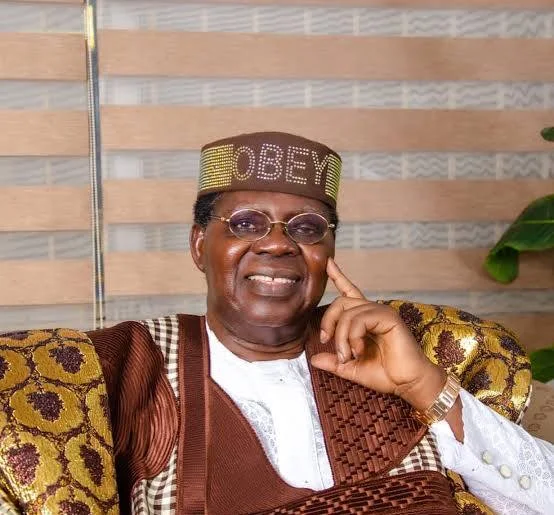
Ebenezer Obey
Ebenezer Obey, born Ebenezer Remilekun Aremu Olasupo Obey-Fabiyi, is one of Nigeria’s most legendary musicians and a pioneer of modern Juju music. For over five decades, he has shaped the sound of Yoruba highlife and Juju, blending traditional rhythms with philosophical lyrics, social commentary, and later gospel messages. His music has influenced generations and remains deeply respected across Nigeria and beyond.
Early Life and Background
Ebenezer Obey was born on April 3, 1942, in Idogo, Ogun State, Nigeria. He grew up in a modest Yoruba family where music was an essential part of community life. From childhood, he was drawn to traditional rhythms, church hymns, and local cultural performances.
His early exposure to music came through the church and community gatherings. Even as a young boy, he showed remarkable interest in instruments and vocal performance. His upbringing in southwestern Nigeria deeply influenced his musical identity, as Yoruba proverbs, wisdom, and praise poetry later became central elements in his songs.
Education and Musical Beginnings
Ebenezer Obey completed his primary education in Ogun State before moving to Lagos in the late 1950s in search of better opportunities. Lagos, at the time, was rapidly becoming Nigeria’s cultural and entertainment hub.
In Lagos, he joined a music group called The Fatai Rolling Dollar Band, where he began learning the professional side of music. Determined to create his own identity, he later formed his own band in the early 1960s known as The International Brothers, which he eventually renamed The Inter-Reformers Band.
This marked the true beginning of his professional music career.
Rise to Fame
During the 1960s and 1970s, Ebenezer Obey rose to prominence as one of the leading figures in Juju music. While Juju had already been popularized by earlier musicians, Obey refined and modernized the genre. He incorporated complex guitar arrangements, talking drums, Yoruba percussion, and rich harmonies.
His lyrics stood out because they were not just entertaining but deeply educational. He sang about morality, hard work, patience, gratitude, unity, and social responsibility. Many of his songs carried strong philosophical messages rooted in Yoruba culture.
Albums such as Board Members, The Horse The Man and His Son, and Current Affairs became massive successes. His ability to praise individuals at social events also made him highly sought after for weddings, birthdays, and high-profile ceremonies.
Musical Style and Influence
Ebenezer Obey’s music is characterized by smooth guitar melodies, steady percussion, and carefully structured storytelling. Unlike many musicians who focused solely on danceable tunes, Obey ensured his songs carried lessons for listeners.
He often used Yoruba proverbs and wise sayings to address issues such as greed, betrayal, loyalty, and faith. His music appealed to both the elite and everyday people, bridging social classes.
Throughout his career, he mentored several musicians who later became stars in their own right. His disciplined band structure and professionalism set high standards in the Nigerian music industry.
Transition to Gospel Music
In the early 1990s, Ebenezer Obey made a significant spiritual shift. He became a born-again Christian and transitioned from secular Juju music to gospel ministry. He established the Decross Gospel Mission, focusing on spreading Christian teachings through music.
Although some fans were surprised by the change, many embraced his new direction. His gospel songs retained his signature Juju style but carried stronger Christian messages. This transition expanded his influence from entertainment to spiritual leadership.
Personal Life
Ebenezer Obey is known for maintaining a relatively private family life. He is married and blessed with children and grandchildren. Despite decades in the spotlight, he has managed to avoid major public controversies.
His calm personality, humility, and dedication to faith have earned him respect not only as a musician but also as a community leader and elder statesman in Yoruba culture.
Awards and Recognition
Over the years, Ebenezer Obey has received numerous awards and honors for his contributions to music and culture. He has been recognized both nationally and internationally for preserving and promoting Yoruba heritage through song.
He is often celebrated alongside other Juju legends for shaping Nigeria’s musical history.
Legacy
Ebenezer Obey remains an icon. His songs continue to be played at social gatherings, religious events, and cultural ceremonies. Younger generations study his work to understand the roots of Juju music.
His legacy goes beyond entertainment. He represents discipline, wisdom, cultural pride, and spiritual transformation. Through decades of consistency and reinvention, Ebenezer Obey has secured his place as one of Nigeria’s greatest musical legends.

Κατηγορίες
Διαβάζω περισσότερα
Gabriel Afolayan Gabriel Afolayan is a Nigerian actor, singer, and songwriter whose career reflects both heritage and hard-earned individuality. Born on March 1, 1985, in Lagos State, Nigeria, he grew up in a family already deeply rooted in the Nigerian entertainment industry. He is the son of legendary filmmaker and actor Adeyemi Afolayan, popularly known as Ade Love, and the younger...

Sheikh Ahmad Lemu Introduction Sheikh Ahmad Lemu was one of the most respected Islamic scholars in Nigeria. His life was dedicated to knowledge, peace, and education. He was known for his calm voice, deep wisdom, and strong commitment to teaching Islam in a way that promotes understanding and unity. Many people across Nigeria and beyond saw him as a guiding light in both religion and...
Nse Ikpe-Etim Nse Ikpe-Etim is a highly respected Nigerian actress known for her emotional depth, intelligence, and powerful performances in Nollywood films. Over the years, she has built a reputation as one of the most talented and versatile actresses in the Nigerian movie industry. Early Life and Background Nse Ikpe-Etim was born on October 21, 1974, in Lagos State, Nigeria. She...

Deepika Padukone Deepika Padukone is an Indian actress, model, and film producer. She is one of the most successful and highest paid actresses in Bollywood and is widely known for her powerful performances in Indian cinema. Early Life and Background Deepika Padukone was born on January 5, 1986, in Copenhagen, Denmark. She was raised in Bangalore, India. She comes from a sports...

The Federal Government has suspended plans to implement the proposed 15% import duty on petrol and diesel. The Nigerian Midstream and Downstream Petroleum Regulatory Authority (NMDPRA) announced the decision in a statement issued on Thursday by its Director of Public Affairs, George Ene-Ita, urging Nigerians to avoid panic buying. President Bola Tinubu had earlier, on October 29, approved the...