


 About
About
IBADAN CITY :The capital of oyo state

Ibadan
Ibadan, the capital of Oyo State in southwestern Nigeria, is one of the country’s most historic and culturally significant cities. Known for its ancient brown rooftops, sprawling landscape, and rich Yoruba heritage, Ibadan stands as a symbol of resilience, political influence, and intellectual excellence. Once regarded as the largest indigenous city in sub-Saharan Africa, it remains one of Nigeria’s most populated and geographically expansive urban centers.
Historical Background
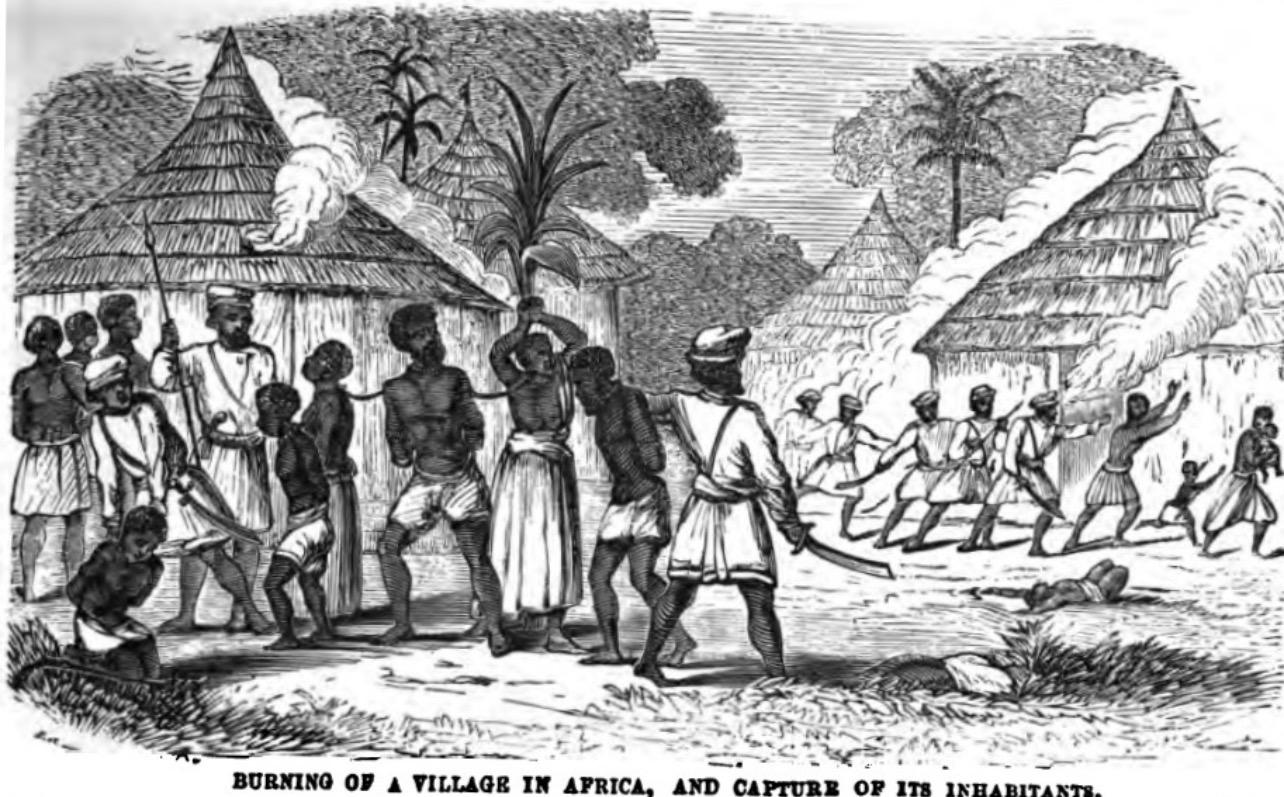
Ibadan was founded in the early 19th century, around 1829, during a period of political instability in the old Oyo Empire. It began as a war camp for warriors from different Yoruba towns, including Oyo, Ife, and Ijebu. Over time, the settlement grew into a powerful military state. By the mid-1800s, Ibadan had become a dominant force in Yorubaland, playing a central role in regional politics and warfare.
The city’s military strength and strategic location contributed to its rapid expansion. Unlike many traditional Yoruba cities governed strictly by monarchs, Ibadan developed a unique political structure led by military chiefs and influential leaders. This structure gave the city a reputation for discipline and organized governance.
During British colonial rule, Ibadan became an important administrative center. In 1893, it came under British protection, and by 1901 it was fully incorporated into the British colonial system. This period marked the beginning of modern infrastructure development, including roads, railways, schools, and government institutions.
Geography and Layout
Ibadan is located about 145 kilometers northeast of Lagos and occupies a large area characterized by rolling hills and valleys. The city is famous for its “brown roofs,” a nickname derived from the rust-colored rooftops that dominate its older neighborhoods. From a distance, the city presents a unique and historic architectural identity.
The urban structure of Ibadan reflects both tradition and modernization. Older areas such as Oje, Beere, and Mapo feature narrow streets and traditional compounds, while newer districts like Bodija, Oluyole, and Akobo showcase modern housing estates, shopping centers, and improved infrastructure.
Education and Intellectual Influence
Ibadan is widely regarded as Nigeria’s intellectual capital. The city is home to the prestigious University of Ibadan, established in 1948 as the first university in Nigeria. The institution has produced many notable scholars, writers, politicians, and professionals who have shaped Nigeria’s development.
The city also hosts other higher institutions and research centers, including The Polytechnic Ibadan and several colleges of education. The presence of these institutions has contributed significantly to Ibadan’s reputation as a center of academic excellence and research.
Economy and Commerce
Historically, Ibadan was a major center for agriculture and trade. Cocoa production played a crucial role in its economic growth during the 20th century. The iconic Cocoa House, completed in 1965, stands as a symbol of the wealth generated from cocoa exports. It was once the tallest building in tropical Africa and remains a landmark in the city.
Today, Ibadan’s economy is diverse. It includes agriculture, manufacturing, education, public administration, and small-scale businesses. Markets such as Bodija Market serve as important commercial hubs where foodstuffs, livestock, and household goods are traded daily.
Culture and Tradition
Ibadan is deeply rooted in Yoruba culture and traditions. The city is led by the Olubadan, the traditional ruler, who holds significant cultural authority. The Ibadan chieftaincy system is unique, following a well-structured line of succession that ensures stability in leadership.
Cultural festivals, traditional ceremonies, and vibrant local markets reflect the city’s strong connection to its heritage. The people of Ibadan are known for their distinctive dialect of the Yoruba language, which adds to the city’s cultural identity.
One of the most prominent historic landmarks is Mapo Hall, built in 1929 during colonial rule. The hall has served as a venue for political meetings, community events, and important ceremonies for decades.
Modern Development
In recent years, Ibadan has experienced significant urban development. Road expansions, flyovers, improved transportation systems, and new housing projects have reshaped parts of the city. The growth of shopping malls, hotels, and private businesses reflects its evolving urban character.
Despite modernization, Ibadan still maintains a balance between its historic past and contemporary growth. Traditional compounds stand alongside modern estates, and ancient cultural practices coexist with modern lifestyles.
Political Significance
Ibadan has produced several influential Nigerian leaders and politicians. During Nigeria’s First Republic, the city was a major political stronghold in the Western Region. It played a key role in shaping regional and national politics, and it continues to hold political relevance in Oyo State and beyond.
Ibadan is more than just a city; it is a historical powerhouse, a cultural treasure, and an academic giant. From its origins as a war camp to its transformation into a modern urban center, Ibadan’s story reflects resilience, ambition, and growth. Its brown rooftops, ancient hills, academic institutions, and vibrant markets tell the story of a city that has continuously evolved while preserving its rich heritage.
As Nigeria continues to develop, Ibadan remains a symbol of tradition meeting progress, standing proudly as one of the most important cities in the country.

Categories
Read More
Chibuzo Nnanna The first time anyone saw him again, they did not recognize him, not because his face had changed beyond memory but because time had carried him so far from the boy they once knew that even the wind hesitated to call his name, and yet he walked slowly into the village as though every step was a prayer, his feet touching the earth like a man asking forgiveness from the...
The U.S. Secret Service has dismantled a major telecommunications threat that could have crippled cellular networks during the United Nations General Assembly in New York City. Officials revealed on Tuesday that investigators uncovered more than 300 SIM servers and 100,000 SIM cards spread across abandoned apartment buildings in New York, New Jersey, and Connecticut. The network, they said,...

Amitabh Bachchan Amitabh Bachchan was born on October 11, 1942, in Allahabad (now Prayagraj), India. He was born into a respected and intellectual family. His father, Harivansh Rai Bachchan, was a famous Hindi poet, while his mother, Teji Bachchan, was known for her interest in theatre and social activities. Growing up in a literary environment influenced Amitabh greatly. He studied...

Teniola Aladese Teniola Aladese is a Nigerian actress, casting director, and producer known for her growing influence in Nollywood. She is admired for her talent, professionalism, and behind the scenes contributions to film production in Nigeria. Early Life and Background Teniola Aladese was born on July 28, 1993, in Lagos State, Nigeria. She grew up in a supportive environment that...

Technology is evolving at lightning speed, transforming the way we live, work, and connect. From smarter artificial intelligence to greener innovations, 2025 is proving to be a year of breakthrough advancements. Here are some of the biggest trends you should know about: 1. Agentic AI Artificial Intelligence is no longer just about answering questions. The rise of agentic AI means systems can...

