


 Sobre
Sobre
Ikorodu (Lagos): The Old Town in the Lagoon That Lagos Grew Around

Ikorodu is one of those places in Lagos that doesn’t feel like it was “built yesterday.” Step into it and you can sense it—this isn’t just a modern suburb that Lagos swallowed. Ikorodu is a proper old Yoruba town, with roots, structure, and a long memory.
Long before Lagos became a giant sprawl of estates and expressways, Ikorodu already had what many places are still trying to build today: a clear identity. It grew from Awori/Yoruba roots, with long-established quarters, chieftaincy systems, and the kind of town culture where people still know who owns which land, who leads which quarter, and which family has been there for generations. That “we’ve always been here” feeling is part of what makes Ikorodu stand out.
But the real secret behind Ikorodu’s personality is simple:
The lagoon is right there.
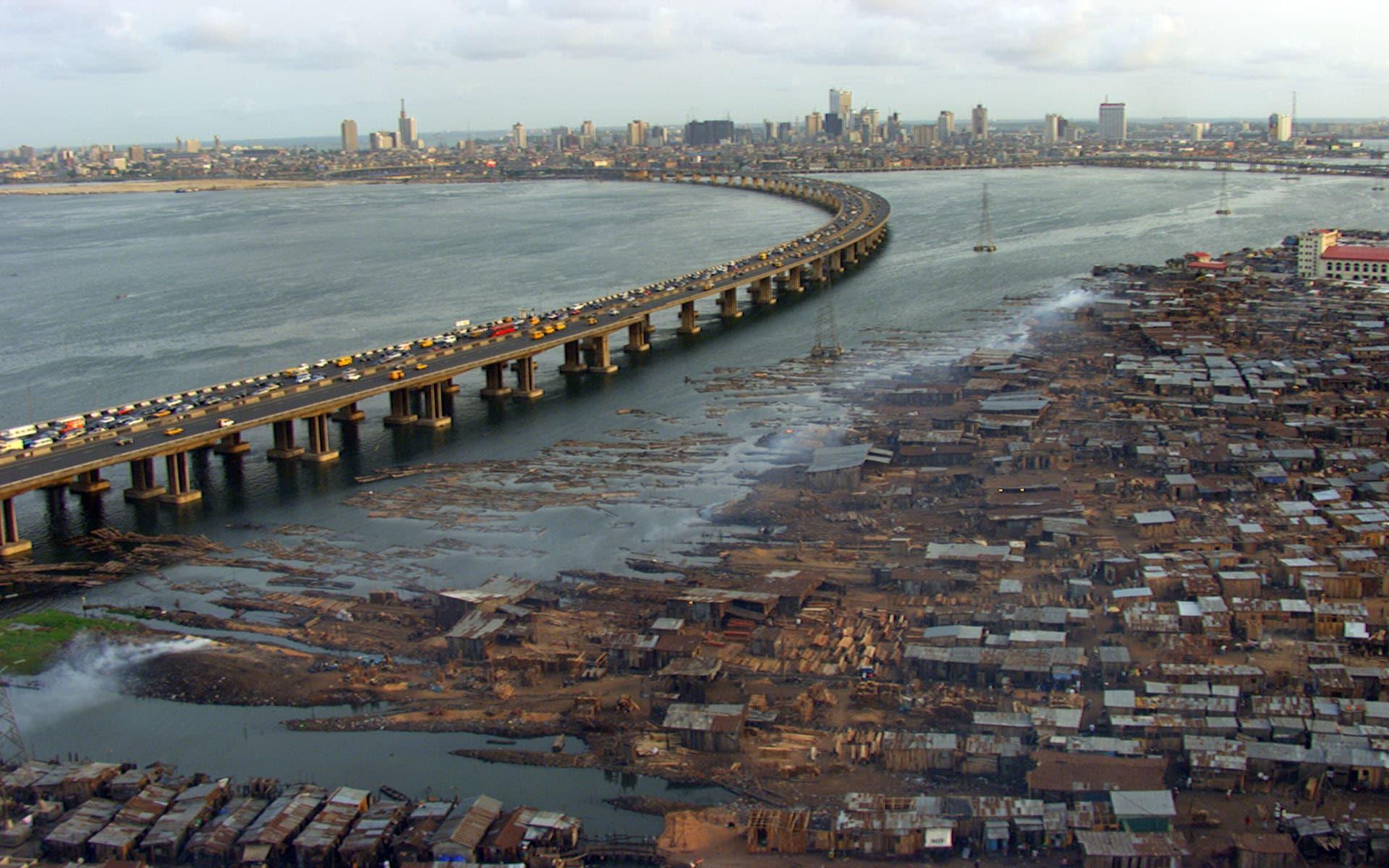
Living beside the Lagos Lagoon doesn’t just change the view—it shapes the lifestyle. Ikorodu has long ties to fishing, boat travel, and waterside commerce. Even when the rest of Lagos is loud and landlocked, Ikorodu still carries a calmer, coastal-town energy—like a place that can breathe because the water is always nearby.
And because it sits in that sweet spot—close enough to Lagos to matter, but positioned toward the southwest interior—Ikorodu naturally became something bigger than a town:
a gateway.
Historically and even today, Ikorodu works like a bridge between Lagos and the Yoruba hinterland routes—linking movement toward Ogun and deeper southwest towns. Traders, travelers, and transport routes have long used Ikorodu as a passage point, which helped it grow into a movement and market hub.
Yet, for all its growth, Ikorodu still keeps something many Lagos districts have lost: community.
People often describe Ikorodu as having a stronger “hometown vibe”—family compounds, community associations, and neighborhood solidarity. In busier parts of Lagos, you can live beside someone for years and never know their name. In Ikorodu, people are more likely to ask, “Who are you? Where are you from? Who’s your people?” Not to disturb you—just because that’s how town life works.
And the culture isn’t hidden either. Traditional festivals, age-grade groups, and local institutions are more visible and influential in daily life than in many newer Lagos neighborhoods. Leadership feels closer. Traditions feel active, not archived.
What makes Ikorodu even more unique is its balance. It’s growing fast—busy markets, dense streets, commuters, businesses—but it still has semi-rural pockets: more open land, wetlands, quieter stretches as you move outward. It’s Lagos, yes—but it’s Lagos with space to exhale.
And then there’s the commuter reality: Ikorodu is famous for long trips into central Lagos. But that struggle created something interesting—Ikorodu learned to become self-contained. People build their lives around local markets, schools, small industries, and social circles so they don’t always need to leave daily. It has its own rhythm, its own economy, its own “we’ll make it work here” energy.
So when people ask what makes Ikorodu different, the answer is this:
Ikorodu is Lagos—but with a town soul.
Old roots. Lagoon life. Gateway energy. Strong community. Growing city, still breathing like a coastal home.

Categorias
Leia mais
Fave Fave, whose real name is GodsFavour Chidozie, is a Nigerian singer and songwriter known for her soulful voice, emotional honesty, and fresh Afro fusion sound. Born on March 13, 2000, in Lagos State, Nigeria, Fave has quickly risen to become one of the most promising female voices in the Nigerian music industry. Raised in Lagos, Fave grew up in a supportive Christian...

EPISODE 1: SABO, MIDNIGHT, AND THE BED ABOVE MY HEAD There was a time my granny and I set out on one of those journeys that never really ends when it should. We were traveling to Funtua, deep in northern Nigeria, with loads of gifts and goodwill packed tighter than sense inside old Ghana‑must‑go bags. We reached Sabo in Ogbomosho, Oyo State, early enough, but road journeys don’t respect...

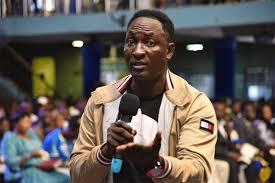
Jeremiah Omoto Fufeyin Jeremiah Omoto Fufeyin is a Nigerian pastor, prophet, televangelist, and philanthropist best known as the founder and head prophet of Christ Mercyland Deliverance Ministry in Effurun, Delta State. Public sources say he founded the ministry in 2010, and his church presents it as a deliverance and prophetic ministry built around healing, prayer, and what it calls solutions...
Agbado/Oke-Odo LCDA Agboyi-Ketu LCDA Apapa-Iganmu LCDA Ayobo-Ipaja LCDA Bariga LCDA Egbe-Idimu LCDA Ejigbo LCDA Eredo LCDA Igando-Ikotun LCDA Ikosi-Isheri LCDA Isolo LCDA Mosan-Okunola LCDA Odi-Olowo/Ojuwoye LCDA Ojodu LCDA Ojokoro LCDA Onigbongbo LCDA Orile-Agege LCDA Iba LCDA Ifelodun LCDA Igbogbo-Baiyeku LCDA Ikorodu North LCDA Ikorodu West LCDA Imota LCDA...
The ongoing controversy surrounding the RATEL name and app has raised important questions for everyday users and small investors who depend on digital platforms for transactions, savings, and business opportunities. At the centre of the issue is a dispute over the legal ownership of the RATEL name in Nigeria. While the disagreement appears to be between high-profile individuals, its possible...

