About
About
Sir Alan Cobham: The Sky Conqueror Who Brought Flight to Nigeria
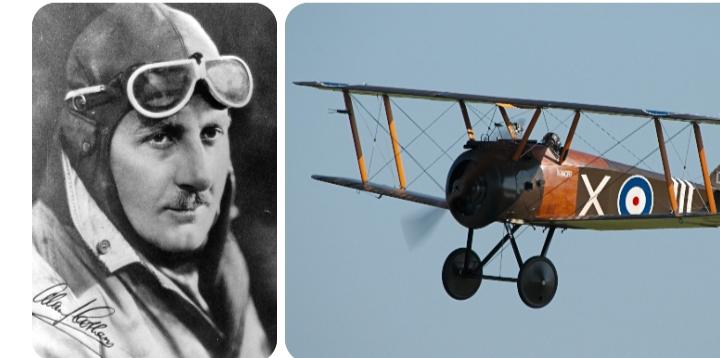
Sir Alan Cobham: The Sky Conqueror Who Brought Flight to Nigeria
There are men who live quietly within the boundaries of their time, and there are men who stretch those boundaries until the world must expand to contain them. Sir Alan John Cobham belonged to the second kind. He was born in an era when the sky was still a mystery, when flight was fragile and experimental, when engines coughed more than they roared. Yet he would grow into one of the most daring aviators of the twentieth century, a man whose wings carried him across continents, including to West Africa, where he became one of the earliest pioneers to demonstrate powered flight over Nigerian soil.
His story is not just about aviation. It is about imagination, courage, precision, and a restless desire to prove that distance was no longer a barrier.
This is the story of Sir Alan Cobham.
A Boy Who Looked Up
Alan John Cobham was born on May 6, 1894, in London, England. He was raised in a world that still relied heavily on ships and trains for travel. The Wright brothers had only recently proven that powered flight was possible. Aviation was not yet an industry. It was an experiment.
As a child, Alan was not known for rebellion. He was thoughtful and observant. But he had a fascination that separated him from others. He was obsessed with machines. Not the loud factory machines of industry, but the strange new flying machines that were beginning to appear in newspapers and exhibitions.
He built small mechanical models. He read everything he could about early flight attempts. He followed the stories of pioneers who risked their lives in fragile wooden aircraft.
While other boys dreamed of the sea, Alan dreamed of the sky.
War and the Making of a Pilot
When World War I erupted in 1914, aviation was still young. The war accelerated its development dramatically. Aircraft were used for reconnaissance and later for combat.
Alan joined the Royal Naval Air Service. It was here that the boy who once studied mechanical drawings became a real pilot.
The early aircraft were unreliable. Engines failed. Navigation systems were primitive. Pilots flew by sight and instinct.
Alan proved himself disciplined and precise. He developed a reputation for calmness under pressure. During wartime missions, steadiness meant survival.
By the time the war ended, Cobham was no longer simply a curious young man. He was a trained aviator with thousands of hours in the air.
But peace did not end his relationship with the sky. It intensified it.
The Dream of Long Distance Flight
After the war, many believed aviation would shrink back into novelty. Cobham disagreed. He saw aviation not as a weapon, but as a bridge.
He became fascinated with long distance flights. Not short hops between nearby cities, but bold journeys across oceans and deserts.
In the 1920s, long distance aviation was dangerous. Aircraft were unreliable over extended routes. Weather forecasting was limited. Fuel logistics were complicated.
Cobham did not see obstacles. He saw opportunity.
He began organizing demonstration flights designed to prove that air travel could connect the British Empire from Europe to Africa and beyond.
The African Expedition
In 1925, Cobham embarked on an ambitious flight to South Africa and back. The journey required flying across vast stretches of desert and wilderness.
He navigated using maps that were often incomplete. Landing fields were improvised. Fuel stops were uncertain.
The flight was a triumph.
It proved that aircraft could cover enormous distances and return safely. It inspired confidence in the future of aviation.
But his connection with West Africa, including what is now Nigeria, came during later demonstration tours.
The First Flights Over Nigeria
During the 1920s and early 1930s, Cobham conducted several Empire demonstration flights. These journeys were designed to promote aviation development in colonial territories.
Nigeria, then under British colonial administration, had minimal aviation infrastructure. There were no established airports in the modern sense. Landing strips were often improvised fields cleared for demonstration purposes.
Cobham flew over Nigerian territory as part of his African tours, conducting demonstration landings that were among the earliest organized powered flights witnessed in the region.
When his aircraft descended onto Nigerian soil, it was a spectacle.
Crowds gathered.
Many had never seen a powered airplane up close.
Children ran toward the landing field in amazement.
Elders watched cautiously.
Colonial administrators treated the event as both a technological exhibition and a political statement.
Cobham did not merely fly overhead. He landed. He spoke to officials. He demonstrated aircraft reliability.
Though other isolated flights may have occurred in West Africa before, Cobham’s organized demonstration tours helped popularize aviation in Nigeria and laid groundwork for later air services.
For many Nigerians who witnessed it, he was the first aviator they saw touch their land.
A Man Who Turned Flight Into Business
Cobham was not only an adventurer. He was strategic.
He realized that for aviation to survive, it needed structure. Maintenance systems. Fuel networks. Training programs.
He became involved in aerial refueling innovation, developing systems that would allow aircraft to stay in the air longer by transferring fuel mid flight.
This was revolutionary.
His work in air to air refueling would later become crucial in military and commercial aviation.
He founded companies dedicated to aviation technology and air services. He was not content with being a pilot. He wanted to shape the industry.
Knighted for His Service
Cobham’s contributions did not go unnoticed. He was knighted for his services to aviation, becoming Sir Alan Cobham.
The title reflected more than daring flights. It acknowledged his influence in shaping long distance air travel and technological development.
Personality and Discipline
Cobham was described as disciplined and methodical. He was not reckless. His flights were carefully planned.
He believed courage without calculation was foolishness.
He often said that preparation was the true hero of any successful journey.
Unlike some pilots who chased fame, Cobham focused on proving concepts. On demonstrating reliability.
Challenges and Risks
Aviation in his era was deadly. Many pioneers died in crashes.
Cobham survived storms, mechanical failures, and hostile terrain.
He understood the risks deeply. Yet he continued.
His belief in aviation as a unifying force drove him forward.
Later Years
As aviation matured into a commercial industry, Cobham shifted more into business leadership.
He oversaw aviation enterprises and continued technological development.
Though younger pilots emerged, his legacy remained foundational.
He lived long enough to see aviation transform from novelty into necessity.
His Death
Sir Alan Cobham died on October 21, 1973.
By then, commercial jets were crossing continents routinely. Airports had become global hubs.
The fragile biplanes of his youth had evolved into powerful airliners.
He had lived to see his dream realized.
Legacy in Nigeria
In Nigeria, aviation would grow steadily throughout the twentieth century. Airports were constructed. Domestic and international flights became normal.
Though history credits multiple contributors to early Nigerian aviation, Cobham’s demonstration flights remain among the earliest organized powered aircraft landings that showcased the future of air travel in the region.
For those who saw his plane descend, it was not just a machine.
It was the future arriving.
Final Reflection
Sir Alan Cobham was not merely the first pilot many Nigerians saw.
He was a bridge between imagination and infrastructure.
A boy who stared at the sky became a man who conquered it.
He proved that distance was temporary.
And in doing so, he left contrails across history.

Categorii
Citeste mai mult
Ladi Kwali Ladi Kwali was a renowned Nigerian potter and artist celebrated for her exceptional skills in traditional pottery and her contribution to African art. She is one of the most famous female artists in Nigeria and is recognized internationally for bringing Nigerian pottery to global attention. Ladi Kwali was born around 1925 in Kwali, a village in present day Abuja, Nigeria....

Your health doesn’t require a complete overhaul—just consistent, intentional choices. Here are 7 easy habits you can start today for a healthier, happier you: Hydrate First Thing – Start your morning with a glass of water to wake up your body and boost metabolism. Move Daily – Whether it’s a walk, stretch, or quick workout—just keep your body active. Eat...

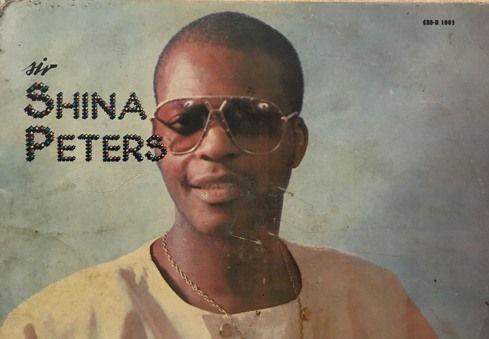
Sir Shina Peters Sir Shina Peters, born Oluwashina Akanbi Peters, is a legendary Nigerian juju musician known for revolutionizing Afro-juju music in the 1980s and 1990s. With his energetic performances and unique sound, he became one of the most celebrated juju artists in Nigeria Early Life and Background Sir Shina Peters was born on May 30, 1958, in Ogun State, Nigeria....
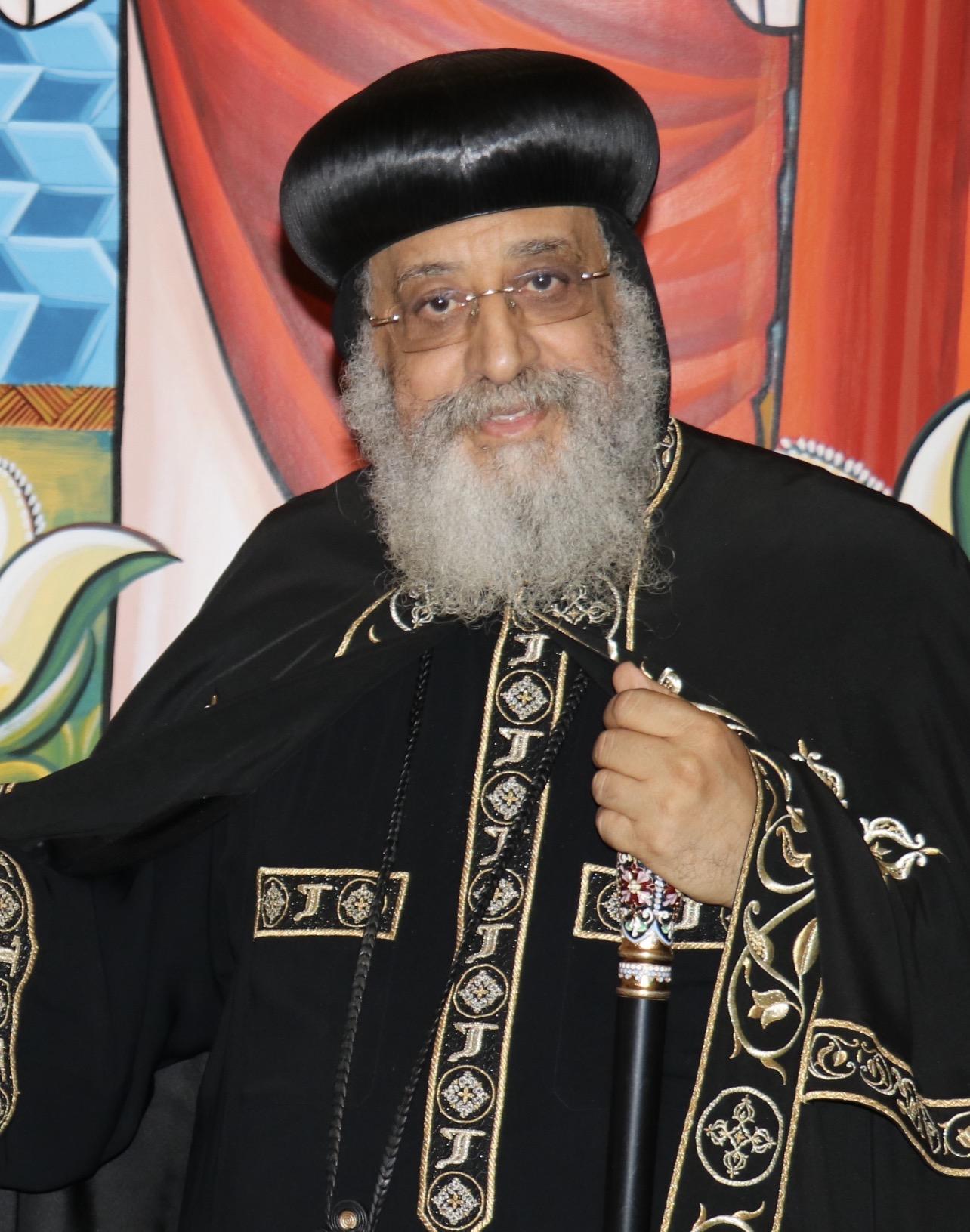
Pope Tawadros II Early Life Pope Tawadros II was born as Wagih Sobhi Baki Soliman on November 4, 1952, in Mansoura, Egypt. He grew up in a simple and disciplined Christian home where faith was part of daily life. His parents raised him with strong values, teaching him humility, respect, and devotion to God. From a young age, he showed a quiet and thoughtful personality. He...
I thought it was just a hustle. I thought it was acting. I didn’t know I was being paid to murder a man with my voice. If anybody ever invites you to join a “Prayer Warrior” group, a “Mourning Association,” or anything that pays cash to cry at funerals, please block that person immediately. Bind them. Cast them out of your life. Run. My name is Simi. I’m...