About
About
Europe’s Banned Pesticides Are Poisoning Nigeria
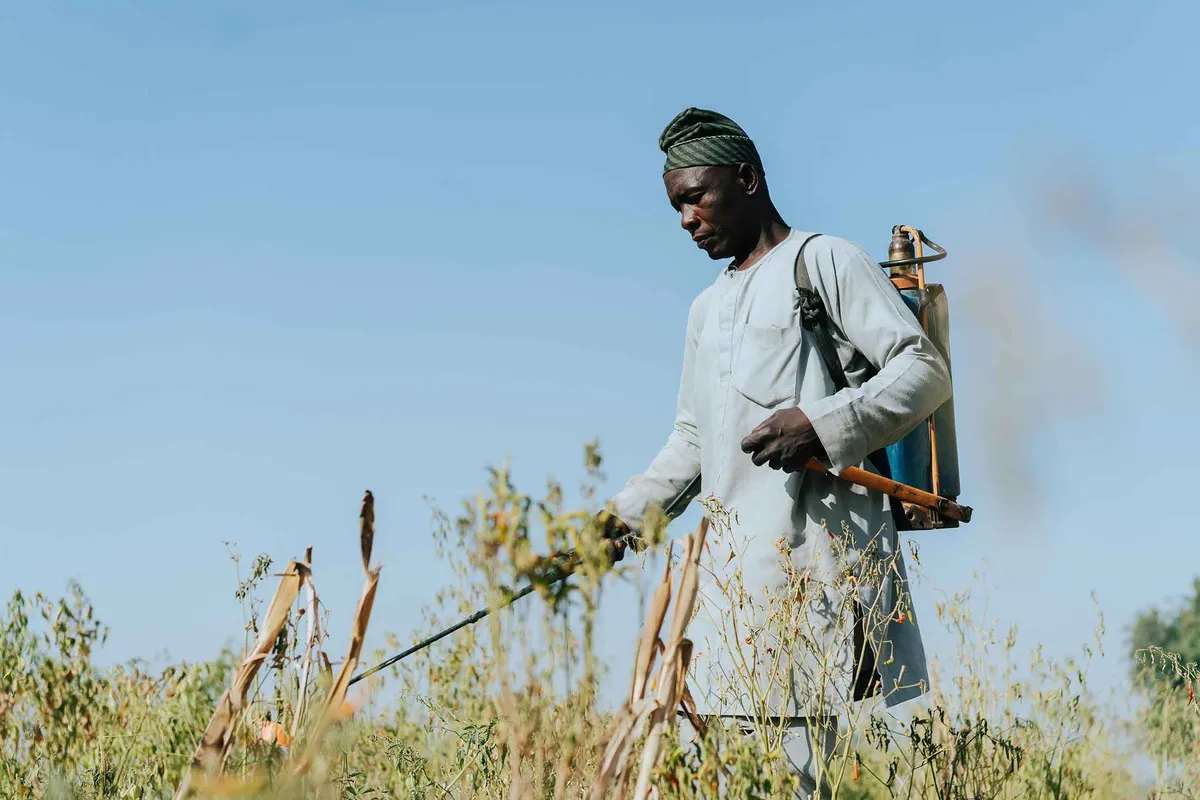
Dangerous pesticides outlawed by the European Union continue to circulate widely across Nigeria, raising urgent concerns about food safety, public health, and environmental contamination.
Investigations show that many of these chemicals—prohibited in Europe due to cancer risks, reproductive harm, and environmental destruction—remain easily accessible in Nigerian markets with minimal regulation.
Experts warn that the ongoing use of these substances threatens the nation’s water sources, farmlands, and consumers, while exposing farmers to long-term health hazards.
Some of the EU-Banned Pesticides Found in Nigeria
- Atrazine – Herbicide linked to groundwater contamination and endocrine disruption.
- Chlorpyrifos – Insecticide banned for severe neurodevelopmental risks.
- Mancozeb – Fungicide classified as toxic to reproduction.
- Paraquat – Highly toxic herbicide linked to organ and nervous system damage.
- Carbendazim – Fungicide considered a possible carcinogen.
- Dimethoate – Hazardous insecticide banned for worker and environmental toxicity.
- Diuron – Herbicide associated with cancer and aquatic toxicity.
- Endosulfan – Globally banned due to extreme neurotoxicity.
- Cypermethrin – Insecticide harmful to bees and aquatic life.
- Dichlorvos (DDVP) – Highly toxic insecticide linked to cancer and neurological harm.
- Imidacloprid – Neonicotinoid insecticide banned outdoors in the EU for harming pollinators.
- Lambda-cyhalothrin – Toxic insecticide banned in the EU since 2021.
Environmental groups say more than half of pesticides in Nigeria fall under “Highly Hazardous Pesticides,” many of which are illegal in Europe but still actively imported, sold, or used across farms and markets in the country.
#Nigeria #Agriculture #PublicHealth #Environment
Categories
Read More
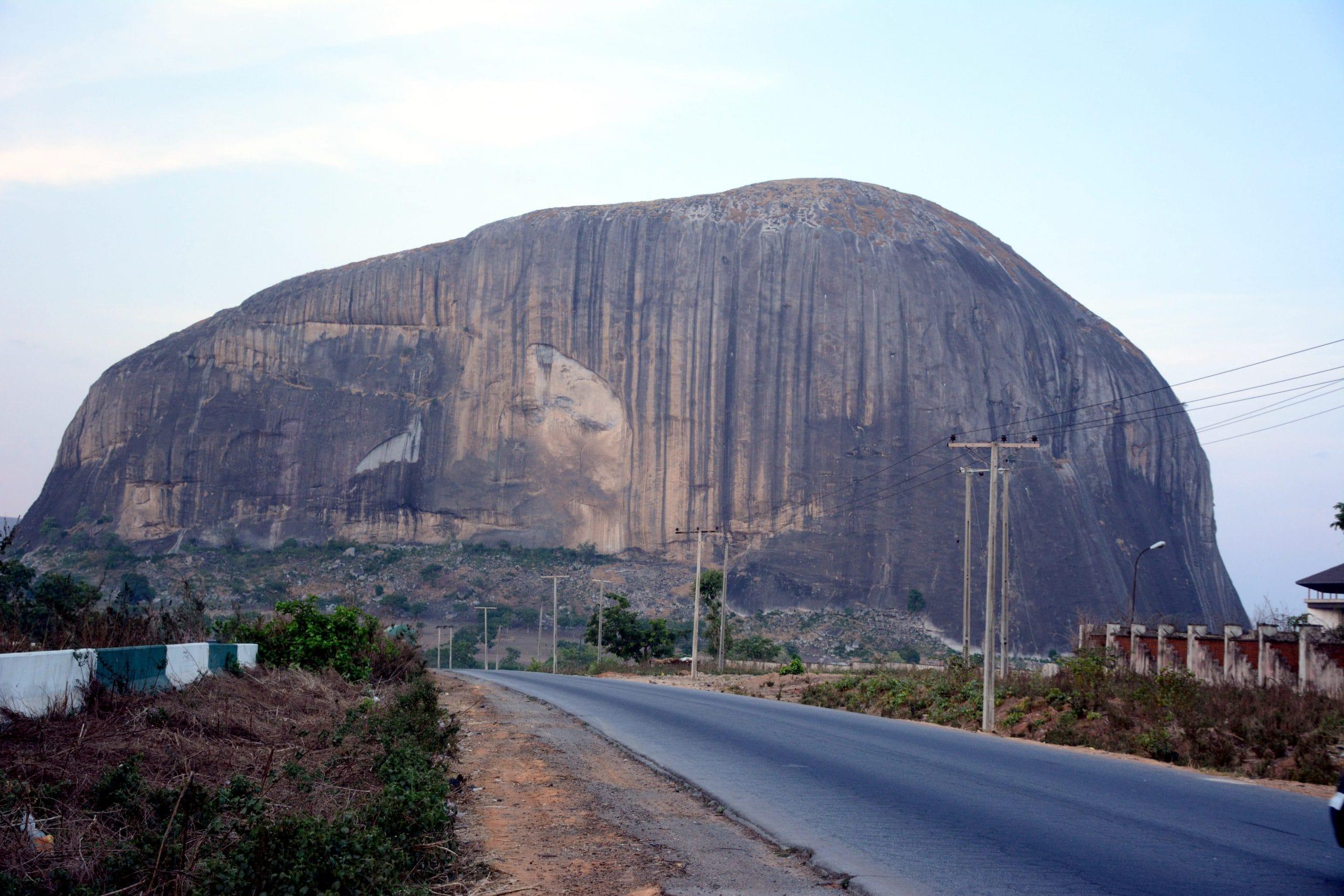
Zuma Rock Zuma Rock is one of Nigeria’s most famous natural landmarks. Located in Madalla, Niger State,just along the Abuja–Kaduna Expressway, it stands as a powerful symbol of strength, mystery, and cultural pride. Often called the “Gateway to Abuja,” Zuma Rock welcomes visitors entering Nigeria’s capital city. Location and Physical Features Zuma Rock rises...
Introduction to Winter Streetwear Style: Winter fashion is all about balancing warmth with style, and streetwear lovers know how important it is to maintain their identity even in colder months. This is where cactusjack fashion stands out, offering the perfect blend of comfort, layering, and bold design. Instead of compromising your look for warmth, you can create outfits that reflect your...
The Managing Director of Fidelity Bank Plc, Dr. Nneka Onyeali-Ikpe, allegedly confessed to paying ₦5 billion to avoid detention by the police amid a multi-billion-naira fraud investigation. Court documents from Charge No: FHC/L/138C/2025 before the Federal High Court in Lagos reveal that the Federal Republic of Nigeria is prosecuting Victor Ukutt, Fidelity Bank Plc, Dr. Onyeali-Ikpe, and a...

Bob Jensen: The Man Who Drove Into History There are moments in history that seem small when they happen, but years later they grow into legends. A wheel touches the ground. An engine roars. A crowd gasps. And something changes forever. That is how the story of Bob Jensen is told in certain circles. A foreign engineer with restless curiosity, steady hands, and an appetite for impossible...

Finland’s Immigration Service (Migri) has opened the 2025 application portal for its Seasonal Work Permit, giving Nigerians and other foreign workers access to well-paying opportunities in agriculture, forestry, and tourism. The programme, created to tackle Finland’s rising demand for seasonal labour, offers legal employment for up to nine months with a reported minimum monthly...