About
About
Muhammadu Buhari: From Military Ruler to Democratic President
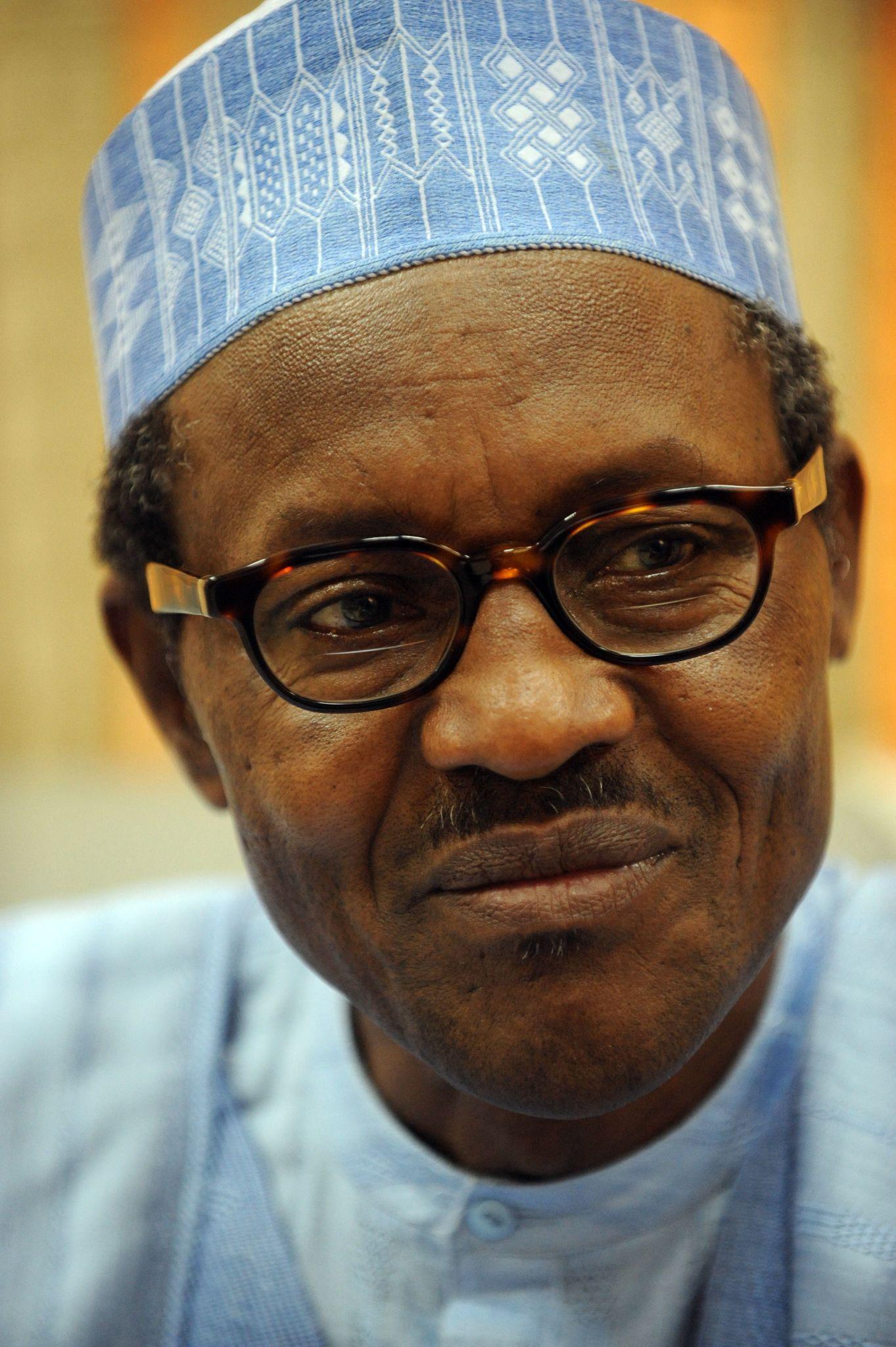
Muhammadu Buhari is a Nigerian military officer and politician who served both as a military Head of State and later as a democratically elected President of Nigeria. His leadership spans decades of Nigeria’s political history, making him one of the most prominent figures in the country’s governance.
Early Life and Education
Muhammadu Buhari was born on December 17, 1942, in Daura, Katsina State, Nigeria. He attended Katsina Provincial Secondary School before joining the Nigerian Military Training College in 1962.
He received further military training in the United Kingdom, India, and the United States. His military education shaped his disciplined and structured leadership style.
Military Career
Buhari rose through the ranks of the Nigerian Army during a period marked by coups and civil unrest. He served in various military roles during and after the Nigerian Civil War.
In December 1983, he became Nigeria’s military Head of State following a coup that overthrew the civilian government. His military administration lasted until August 1985.
During his rule, he launched a campaign known as the War Against Indiscipline, aimed at promoting order, anti corruption measures, and public accountability. However, his regime was criticized for restricting press freedom and detaining political opponents.
Return to Politics and Presidency
After years out of power, Buhari re entered democratic politics. He contested for the presidency multiple times before finally winning the 2015 election under the All Progressives Congress party.
His victory marked the first time in Nigeria’s history that an incumbent president was defeated in a general election.
He was re elected in 2019 and served until 2023.
Presidency
As President, Buhari focused on three main priorities: fighting corruption, improving security, and diversifying Nigeria’s economy away from oil dependence.
His administration invested in infrastructure projects such as railways, roads, and agricultural initiatives. However, his tenure also faced significant challenges, including economic recessions, rising inflation, and continued security threats from insurgent groups.
International Relations
Buhari represented Nigeria at global forums, including the United Nations and African Union meetings. His government emphasized regional cooperation in combating terrorism and strengthening economic ties.
Legacy
Muhammadu Buhari’s legacy is complex and widely debated. Supporters credit him for infrastructure expansion and anti corruption efforts, while critics highlight economic difficulties and persistent security issues during his presidency.
From military leadership in the 1980s to democratic governance decades later, Buhari remains a central figure in Nigeria’s political narrative.

Kategoriler
Read More
The Senate President told the retired police officers that the issue would be given a speedy hearing and concurrence with the House of Representatives, which had earlier passed the bill. The Senate President, Godswill Akpabio, has assured protesting retired police officers who besieged the gate of the National Assembly over their inclusion in the contributory pension scheme that they would be...

Political activist Usman Bugaje has taken a swipe at President Bola Tinubu, claiming the president is out of touch with the daily struggles of ordinary Nigerians due to being shielded by sycophantic aides. Bugaje argued that the rising poverty, insecurity, and economic hardship across the nation are being overlooked by the presidency, blaming the "echo chamber of praise-singers" around Tinubu...

Chichi was a young woman from Delta State, blessed with striking beauty and a charm that turned heads wherever she went. Many believed her looks could open doors to a bright future—school, a good job, and a life her parents would be proud of. But Chichi made a different choice. Driven by impatience and the desire for quick money, she decided to follow a dangerous path. She told her...
Kunle Remi Kunle Remi is a Nigerian actor, model, and television personality known for his versatility, charm, and powerful screen performances. He rose to prominence after winning a reality acting competition and has since become one of Nollywood’s respected leading men. Early Life and Background Kunle Remi was born Oyekunle Opeyemi Oluwaremi on October 18, 1988, in...

Lota Chukwu Lota Chukwu is a Nigerian actress, model, and television personality best known for her role as Kiki in the popular TV series Jenifa’s Diary. She has built a strong presence in Nollywood through her talent, elegance, and versatility in acting. Early Life and Background Lota Chukwu was born on November 29, 1989, in Nsukka, Enugu State, Nigeria. She hails from...