Σχετικά
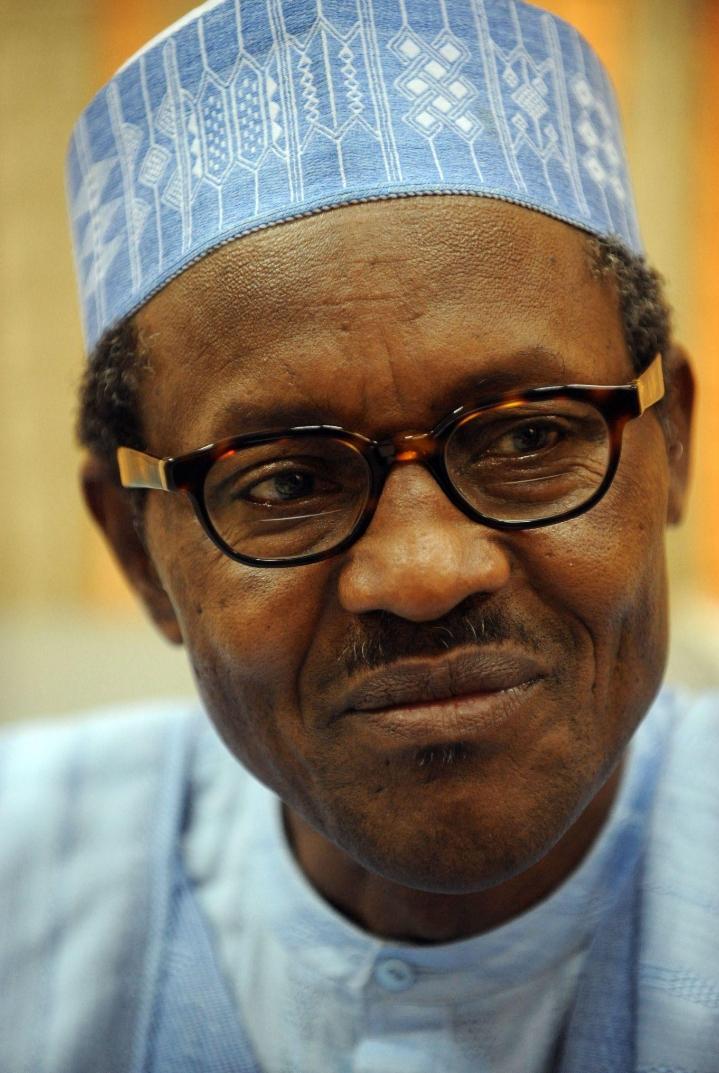
Muhammadu Buhari: Soldier, Military Ruler, Elected President, and the Long Arc of Power
Muhammadu Buhari: Soldier, Military Ruler, Elected President, and the Long Arc of Power
Introduction
Muhammadu Buhari is one of the most consequential and debated figures in modern Nigerian history. He is unique in that he ruled Nigeria both as a military Head of State in the nineteen eighties and later as a democratically elected President more than three decades later. Few leaders in Africa have experienced power in such contrasting political systems.
His life has been defined by discipline, controversy, anti corruption rhetoric, military toughness, political persistence, and strong regional loyalty. Admirers see him as a man of integrity who sought to confront corruption and insecurity. Critics argue that his administrations were marked by economic hardship, human rights concerns, and unfulfilled promises.
This biography presents a full and deep account of Muhammadu Buhari’s life, from his childhood in northern Nigeria to his military rise, his first period in power, years out of office, democratic comeback, policies, controversies, and his life after leaving the presidency.
Early Life and Background
Muhammadu Buhari was born on December 17 1942 in Daura, Katsina State, in what was then Northern Nigeria under British colonial rule. He was born into a Fulani family. His father, Adamu Buhari, was a traditional leader and farmer. His mother, Zulaihat, raised him after his father died when Muhammadu was still young.
Growing up in Daura, Buhari experienced a conservative and disciplined environment shaped by Islamic education and northern cultural traditions. He attended Quranic school in his early years before moving on to formal education.
He studied at Katsina Middle School and later at Katsina Provincial Secondary School. From a young age he showed interest in structure and order, traits that would later define his leadership style.
Military Training and Rise
In 1961, Buhari joined the Nigerian Army. He trained at the Nigerian Military Training College in Kaduna. He later received further training in the United Kingdom, India, and the United States.
Nigeria gained independence in 1960, and the early years of the country were unstable. Ethnic tensions, political rivalry, and corruption created a volatile atmosphere.
Buhari rose steadily through the ranks. During the Nigerian Civil War from 1967 to 1970, he served as a military officer. The war, fought between the federal government and Biafran separatists, was a defining period for many officers of his generation.
He developed a reputation as disciplined and firm. His military career included roles such as Governor of the North Eastern State in the mid nineteen seventies and later Federal Commissioner for Petroleum and Natural Resources.
Role in the 1983 Coup
In December 1983, Nigeria experienced a military coup that overthrew the civilian government of President Shehu Shagari. Buhari emerged as Head of State.
His rise to power came at a time when Nigeria faced severe economic crisis, declining oil revenue, and accusations of widespread corruption under civilian leadership.
As military ruler from 1983 to 1985, Buhari introduced strict measures aimed at restoring discipline and economic order.
Military Rule and Policies
Buhari’s military government launched what was known as the War Against Indiscipline. The campaign sought to instill public order. Citizens were expected to queue properly, arrive at work on time, and obey traffic rules.
The administration also pursued anti corruption efforts. Several politicians from the previous civilian government were arrested and tried by military tribunals.
However, Buhari’s rule was criticized for harshness. Journalists were detained. Decree Four limited press freedom by allowing the detention of reporters for publishing information deemed embarrassing to the government, even if true.
Economic austerity measures were introduced to manage debt and foreign exchange shortages. Import restrictions and currency controls created hardship for many Nigerians.
While supporters argued that Buhari was attempting to restore accountability, critics described his regime as authoritarian.
Overthrow and Years in the Background
In August 1985, Buhari was overthrown in another military coup led by General Ibrahim Babangida.
After his removal, Buhari was detained for a period before being released. He largely stayed away from frontline politics during the Babangida years and later under the regime of General Sani Abacha.
He maintained a public image of personal integrity. He was appointed Chairman of the Petroleum Trust Fund in the nineteen nineties under Abacha. The fund was responsible for infrastructure projects financed by petroleum revenue.
This role kept him relevant in public life but not at the center of power.
Entry into Democratic Politics
After Nigeria returned to civilian rule in 1999, Buhari reentered politics as a civilian candidate.
He ran for President in 2003 under the All Nigeria Peoples Party but lost to Olusegun Obasanjo.
He ran again in 2007 and lost to Umaru Musa Yar'Adua.
In 2011 he contested under the Congress for Progressive Change but lost to Goodluck Jonathan.
Despite repeated defeats, Buhari maintained strong support in northern Nigeria. His persistence reflected determination and belief in his political vision.
2015 Election Victory
In 2015 Buhari formed part of a coalition that created the All Progressives Congress. The coalition united several opposition groups into a stronger force.
He ran again for President, this time successfully defeating Goodluck Jonathan.
His victory marked the first time in Nigerian history that an incumbent president lost to an opposition candidate through democratic election.
The win was celebrated as a milestone for Nigerian democracy.
Presidency from 2015 to 2023
Buhari entered office promising to tackle corruption, defeat insurgency, and revive the economy.
Security was a central issue. The Boko Haram insurgency had devastated parts of northeastern Nigeria. Buhari increased military operations and claimed progress in reclaiming territory.
However, insecurity persisted in different forms, including banditry, farmer herder conflicts, and kidnappings.
Economically, Nigeria faced challenges due to declining oil prices and global economic pressures. The country entered recession in 2016. Efforts were made to diversify the economy into agriculture and manufacturing.
The administration launched social investment programs targeting youth and vulnerable populations.
Anti corruption efforts included high profile investigations and prosecutions. Critics argued that enforcement appeared selective at times.
Health Issues During Presidency
During his presidency, Buhari faced health challenges. He traveled to the United Kingdom multiple times for medical treatment.
His absences sparked public debate about transparency and leadership continuity.
Vice President Yemi Osinbajo acted as President during several periods when Buhari was abroad.
Though details of his medical condition were not fully disclosed, he eventually returned to office after each absence.
Second Term and Policy Focus
In 2019 Buhari was reelected for a second term.
His government emphasized infrastructure development, including rail projects and road construction.
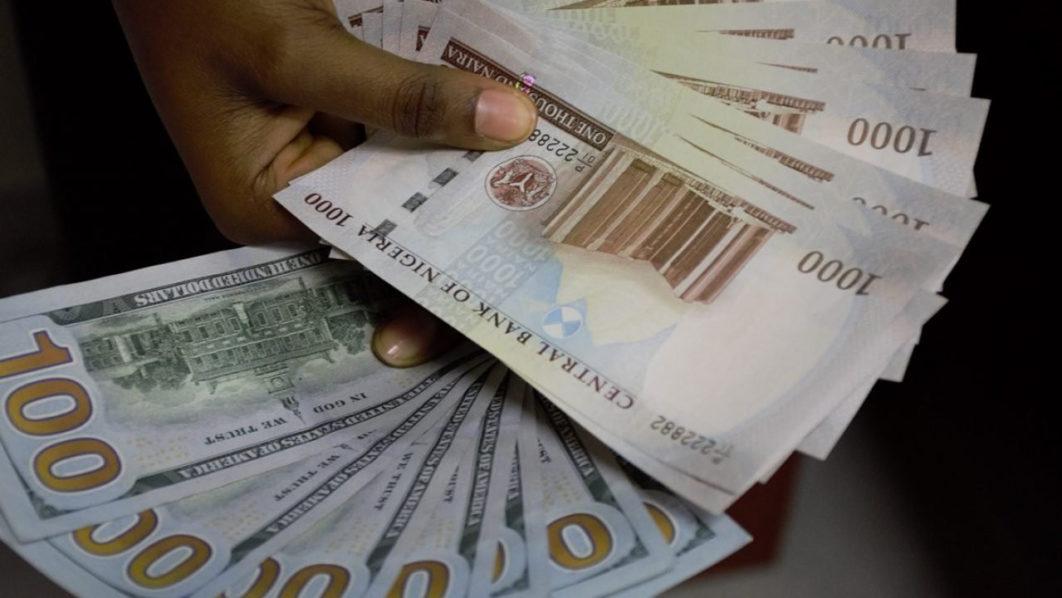
He also approved a controversial currency redesign policy in his final year, which aimed to reduce vote buying and illicit cash flow but caused temporary cash shortages and economic stress.
Public opinion remained divided. Supporters praised his personal discipline and anti corruption stance. Critics pointed to unemployment, inflation, and ongoing insecurity.
Personal Life
Buhari married his first wife, Safinatu Yusuf, in 1971. They had children together but later divorced.
He later married Aisha Buhari in 1989. Aisha became a visible First Lady during his presidency and occasionally expressed independent views on political matters.
Buhari is known for a reserved personality. He avoids flamboyance and often speaks in measured tones.
He identifies strongly with his Islamic faith and northern heritage.
Leaving Office
In May 2023 Buhari completed his second term and handed over power peacefully to his successor.
His departure marked the end of eight years of civilian leadership following his earlier military rule decades before.
After leaving office, he returned to his hometown in Daura.
Legacy
Muhammadu Buhari’s legacy is complex and deeply debated.
He is the only Nigerian leader to rule both as a military Head of State and as an elected President.
He built his political brand around discipline and anti corruption.
His administrations faced serious challenges including economic downturns and security crises.
He maintained strong regional support but also faced strong national criticism.
His life reflects the arc of Nigerian political evolution from military rule to democratic transition.
He remains one of the most influential figures in Nigeria’s political history.


Κατηγορίες
Διαβάζω περισσότερα
Chacha Eke Faani Chacha Eke, whose full name is Charity Eke Faani, is a Nigerian actress known for her emotional roles in Nollywood films. She gained popularity for portraying romantic and dramatic characters and has remained a recognized face in contemporary Nigerian cinema. Early Life and Background Chacha Eke was born on July 17, 1987, in Ebonyi State, Nigeria. She hails...

Oil marketers under PETROAN have expressed deep concern over the Dangote Refinery’s plan to begin direct fuel distribution across Nigeria by August, warning it could wipe out thousands of jobs and create a monopoly. Speaking on The Morning Brief on Channels Television, PETROAN President Billy Gillis-Harry urged the Federal Government and regulators, particularly the NMDPRA, to enforce the...
Ebuka Obi-Uchendu Ebuka Obi-Uchendu is a Nigerian lawyer, media personality, and television host best known as the long-time host of Big Brother Naija. With his sharp fashion sense, eloquence, and confident stage presence, he has become one of the most recognizable faces in African entertainment. Early Life and Background Ebuka Obi-Uchendu was born on July 14, 1982, in Benin...
Nigeria’s foreign exchange market continues to experience volatility, with the naira trading significantly weaker in the parallel (black) market compared to the official window. As of today, the USD/NGN exchange rate in the black market stands at: ₦1,605 per dollar (buy) ₦1,615 per dollar (sell) In contrast, the Central Bank of Nigeria (CBN) maintains an official rate of ₦1,539.72...
Odunlade Adekola Odunlade Adekola is a celebrated Nigerian actor, filmmaker, producer, and director who has become one of the most recognizable faces in the Yoruba segment of Nollywood. Known for his versatility, comic timing, emotional depth, and energetic screen presence, he has built a remarkable career that spans over two decades. His journey from a humble background to...