About
About
Goodluck Jonathan: The President Who Strengthened Nigeria’s Democracy
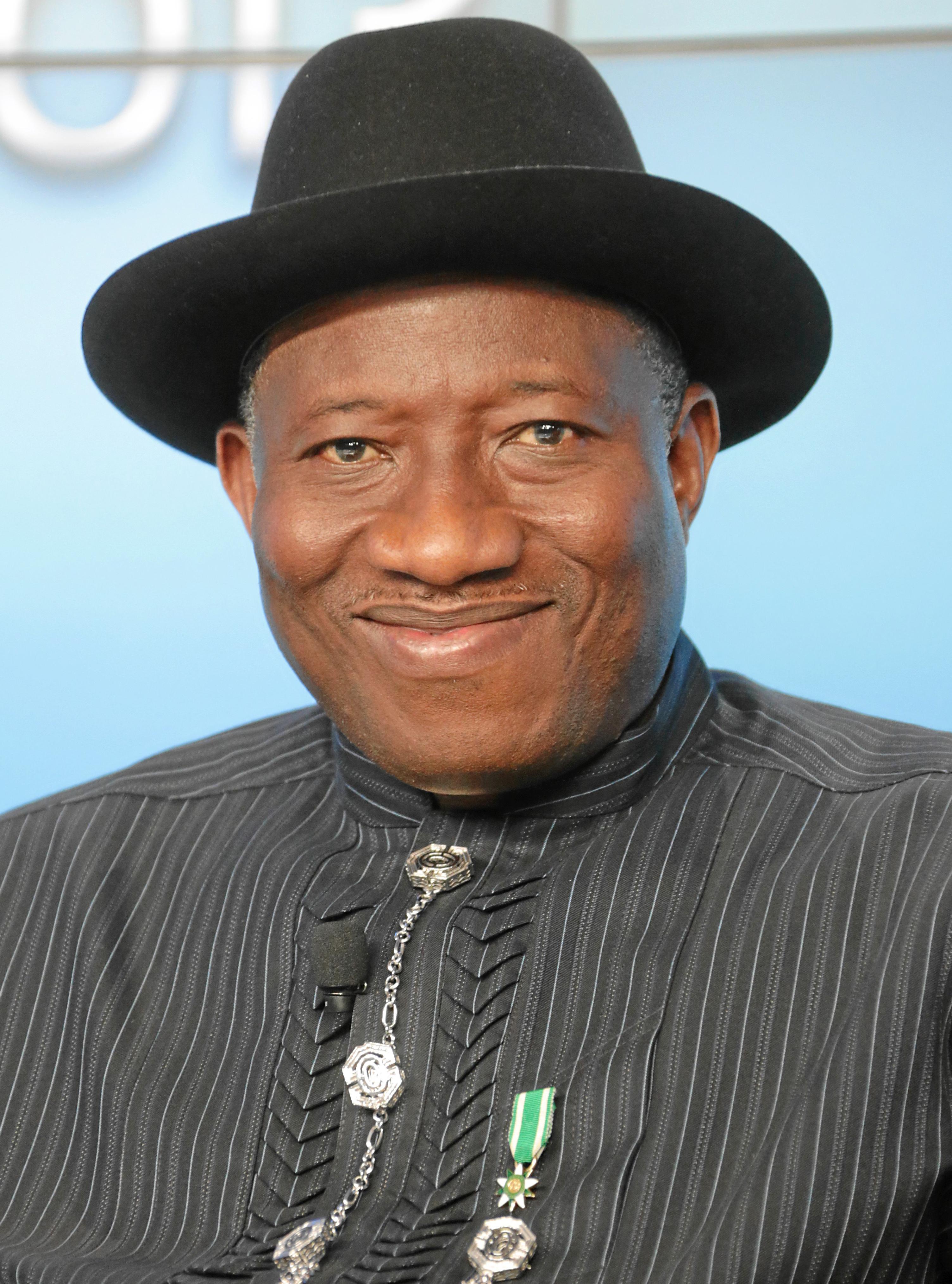
Goodluck Jonathan is a Nigerian politician who served as President of Nigeria from 2010 to 2015. He is widely recognized for overseeing one of the most significant democratic moments in Nigeria’s history when he peacefully conceded defeat in the 2015 presidential election.
Early Life and Education
Goodluck Ebele Azikiwe Jonathan was born on November 20, 1957, in Otuoke, Bayelsa State, Nigeria. He grew up in a modest family in the Niger Delta region.
He studied Zoology at the University of Port Harcourt, where he later obtained a Master’s degree and a PhD in Zoology. Before entering politics, he worked as a lecturer, education inspector, and environmental protection officer.
Entry into Politics
Jonathan began his political career as Deputy Governor of Bayelsa State in 1999. He later became Governor in 2005 following political changes in the state.
In 2007, he was selected as the running mate to Umaru Musa Yar’Adua in Nigeria’s presidential election. After their victory, he became Vice President of Nigeria.
Presidency
Following the illness and eventual death of President Yar’Adua in 2010, Goodluck Jonathan was sworn in as President. He later contested and won the 2011 presidential election.
During his presidency, Nigeria experienced significant growth in telecommunications, agriculture reforms, and infrastructure development. His administration also oversaw the rebasing of Nigeria’s economy in 2014, which temporarily made Nigeria the largest economy in Africa.
However, his government faced major security challenges, particularly the rise of Boko Haram insurgency in northeastern Nigeria.
2015 Election and Democratic Milestone
In 2015, Jonathan contested for a second full term but lost to Muhammadu Buhari. In a historic move, he conceded defeat before the final results were officially announced, promoting peace and democratic stability.
His decision was widely praised both within Nigeria and internationally as a strong example of democratic maturity.
Post Presidency
After leaving office, Goodluck Jonathan became involved in international diplomacy and election observation missions across Africa. He has served as a mediator in regional political conflicts and remains active in peacebuilding initiatives.
Legacy
Goodluck Jonathan’s legacy is closely tied to democratic development in Nigeria. While his administration faced criticism over security and corruption issues, his peaceful transfer of power in 2015 remains a defining moment in Nigeria’s political history.
From a small town in Bayelsa to the presidency of Africa’s most populous nation, his journey reflects the unpredictable and evolving nature of Nigerian democracy.

Categories
Read More
PvP battles in Roblox can get intense, and having the right weapon can be the difference between victory and defeat. If you're aiming to become a top-tier PvP player, it's essential to arm yourself with weapons that offer both power and versatility. Whether you're facing off in Roblox's most popular battle arenas or participating in intense player-versus-player duels, these five weapons will...

Algeria Algeria is a land where deserts whisper ancient secrets and Mediterranean waves carry memories of empires long gone. From prehistoric hunters carving stories into stone to modern revolutionaries fighting for independence, the story of Algeria is one of resilience, culture, conquest, and identity. It is a nation shaped by time, struggle, and an unbreakable spirit. The...
Putin Tells Trump Russia Ready for New Ukraine Peace Talks After Prisoner Exchanges Russian President Vladimir Putin informed former U.S. President Donald Trump during a phone call on Saturday that Moscow is prepared to begin a new round of peace talks with Ukraine after June 22, following the completion of ongoing prisoner and body exchanges between the warring nations. The call marked the...

A global coalition of human rights organisations has formally petitioned Nigeria’s Attorney-General of the Federation (AGF) and Minister of Justice to urgently intervene in the case of Mr. Sunday Jackson, a farmer from Adamawa State who is on death row for killing a herdsman in what the coalition describes as an act of self-defence. The petition, led by Hope Behind Bars Africa, was...

OJOPAGOGO Ojopagogo (real name Olayiwola Olasunkanmi Razaq) is a veteran Nigerian actor, filmmaker, producer, and musician primarily active in the Yoruba film industry. Born on September 30, 1964, in Iseyin, Oyo State, he has over 40 years of experience in the arts and is widely recognized for his versatility, often portraying wise elders or comedic characters. Stage Name Origin: He...