Σχετικά
Umaru Musa Yar’Adua: The Quiet Reformer Whose Presidency Was Shaped by Promise, Crisis, and Untimely Death
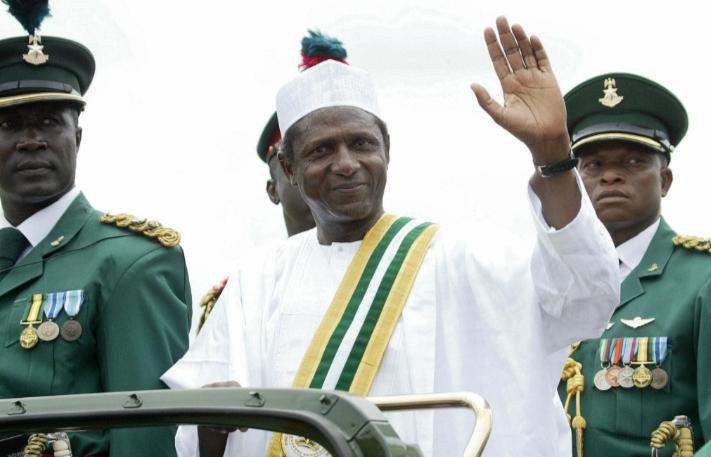
Umaru Musa Yar’Adua: Power, Illness, and the Fragile Promise of Reform
Introduction
Umaru Musa Yar'Adua was the thirteenth President of Nigeria and one of the most quietly controversial leaders in the nation’s modern political history. He came into office with a reputation for personal integrity and modesty. He promised electoral reform, rule of law, and national reconciliation. Yet his presidency became overshadowed by prolonged illness, political uncertainty, constitutional crisis, and ultimately his death while still in office.
Unlike many Nigerian leaders known for flamboyance and bold rhetoric, Yar’Adua was reserved, soft spoken, and deliberate. He was often described as principled, humble, and deeply religious. At the same time, critics questioned the legitimacy of his election and the transparency of governance during his health struggles.
This is a full and deep biography of Umaru Musa Yar’Adua, including his early life, family background, education, political rise, governorship of Katsina State, presidential campaign, major policies, illness, constitutional crisis, and the events that led to his death.
Early Life and Family Background
Umaru Musa Yar’Adua was born on August 16 1951 in Katsina, in northern Nigeria. He was born into an influential political family. His father, Musa Yar’Adua, was a respected teacher and politician who served as a minister in the First Republic. His elder brother, Shehu Musa Yar'Adua, later became Chief of Staff Supreme Headquarters under General Olusegun Obasanjo during military rule and was one of the most powerful figures in Nigeria in the late 1970s.
Growing up in such a family exposed Umaru to politics early in life. However, unlike his more outspoken brother, he was known for being quiet and introspective.
He attended Rafukka Primary School and later Katsina Provincial Secondary School. From a young age, he showed strong academic focus rather than political aggression.
Education and Academic Career
Yar’Adua studied chemistry at Ahmadu Bello University in Zaria. He earned a Bachelor of Science degree in Education and Chemistry in 1975.
He briefly worked in the private sector but soon returned to academia. He became a lecturer at the College of Arts, Science and Technology in Zaria.
Those who knew him during this period described him as disciplined and methodical. He did not rush into politics despite his family background.
His academic training influenced his governance style. He approached issues analytically rather than theatrically.
Entry into Politics
Yar’Adua entered politics in the 1980s during the Second Republic. He aligned with the People’s Redemption Party, a party associated with northern political reform.
However, military coups disrupted civilian governance, and his political activities paused during periods of military rule.
His elder brother Shehu Musa Yar’Adua remained politically active and was later imprisoned by General Sani Abacha. Shehu died in detention in 1997 under controversial circumstances. This loss deeply affected Umaru.
Many observers believe Shehu’s death strengthened Umaru’s resolve to pursue politics but with caution and discipline.
Governor of Katsina State
In 1999, when Nigeria returned to civilian rule, Yar’Adua ran for governor of Katsina State under the People’s Democratic Party. He won and became governor.
He was reelected in 2003.
As governor, Yar’Adua built a reputation for personal integrity. He publicly declared his assets, a rare move among Nigerian politicians at the time.
He focused on education reform, rural development, healthcare, and civil service restructuring.
However, critics argued that Katsina’s development pace remained slow compared to expectations. Supporters insisted that his emphasis on process and rule of law mattered more than flashy projects.
His style was low key but deliberate.
Presidential Election of 2007
In 2007, outgoing President Olusegun Obasanjo endorsed Yar’Adua as his successor.
Yar’Adua was selected as the People’s Democratic Party candidate. His running mate was Goodluck Jonathan, then governor of Bayelsa State.
The 2007 election was highly controversial. Observers described it as deeply flawed. Reports of ballot stuffing, irregularities, and logistical failures were widespread.
Despite the controversy, Yar’Adua was declared the winner and sworn in on May 29 2007.
Notably, during his inauguration speech, Yar’Adua acknowledged flaws in the election process and promised electoral reform. This admission was rare in Nigerian political culture.
Presidential Agenda
Yar’Adua introduced what he called a Seven Point Agenda. The agenda included power and energy reform, food security, wealth creation, transport development, land reforms, security, and education.
He emphasized rule of law and institutional reform.
One of his most significant achievements was the Niger Delta Amnesty Program. Militancy in the Niger Delta had severely disrupted oil production. Yar’Adua offered amnesty to militants willing to disarm.
The program reduced violence significantly and stabilized oil output.
However, his administration was often criticized for slow implementation of reforms.
Health Struggles
Yar’Adua had a long history of kidney related health problems. Even during his governorship, he reportedly traveled abroad for treatment.
In late 2009, his health worsened significantly. In November 2009, he traveled to Saudi Arabia for medical treatment without formally transferring power to Vice President Goodluck Jonathan.
This created a constitutional crisis.
For months, Nigerians were left uncertain about who was in charge. Rumors circulated. Political tension grew.
The National Assembly eventually invoked the doctrine of necessity in February 2010, making Goodluck Jonathan Acting President.
Return to Nigeria and Political Silence
In February 2010, Yar’Adua was secretly flown back to Nigeria at night.
He remained largely out of public view. Reports suggested he was severely weakened.
Power struggles intensified behind the scenes.
The country faced uncertainty about leadership continuity.
Death
On May 5 2010, Umaru Musa Yar’Adua died at the Presidential Villa in Abuja.
He was fifty eight years old.
His death ended months of political tension and uncertainty.
He was buried in Katsina according to Islamic rites.
Goodluck Jonathan was sworn in as President.
Legacy
Yar’Adua’s legacy is complex.
He was widely regarded as personally honest and humble.
He admitted flaws in his own election.
He reduced violence in the Niger Delta through amnesty.
Yet his presidency was hampered by illness and administrative inertia.
His health crisis exposed weaknesses in Nigeria’s constitutional framework.
He did not rule long enough to fully implement his reform vision.
He died in office, leaving unfinished plans.
His life reflects both the promise and fragility of Nigerian democracy.


Κατηγορίες
Διαβάζω περισσότερα
Sunday was a poor young boy living in a small village. He had no father, and his mother struggled every day to feed them. Most mornings, Sunday went from farm to farm, helping people just to earn food. One hot afternoon, as Sunday was returning home, he saw an old man walking slowly along the narrow path. The man was weak and bent with age. A heavy load of firewood rested on his head, and his...
Zayn Malik Zayn Malik, popularly known as Zayn, is a British singer and songwriter known for his smooth voice, unique style, and global success in pop and R&B music. He first rose to fame as a member of the boy band One Direction before launching a successful solo career. Zain Javadd Malik was born on January 12, 1993, in Bradford, England. Early Life and Background Zayn was born and...

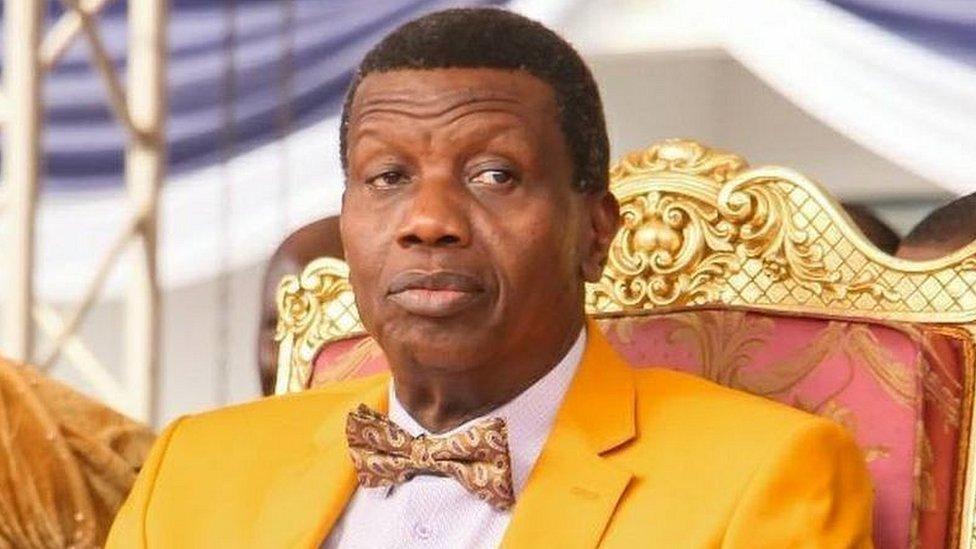
Enoch Adeboye Enoch Adeboye is a Nigerian pastor, teacher, and author best known as the General Overseer of the Redeemed Christian Church of God. He is one of the most influential Christian leaders in Nigeria and across Africa, and he also served as president of the Pentecostal Fellowship of Nigeria from 1992 to 1995. Early Life and Background Enoch Adejare Adeboye was born on 2 March 1942...
Tayo Sobola Tayo Sobola, popularly known as Sotayo Gaga, is a Nigerian actress, producer, and entrepreneur known for her work in Yoruba Nollywood films. She is admired for her bold personality, versatility, and strong presence in the Nigerian entertainment industry. Early Life and Background Tayo Sobola was born on December 28, 1985, in Lagos State, Nigeria. She hails from Ogun State...

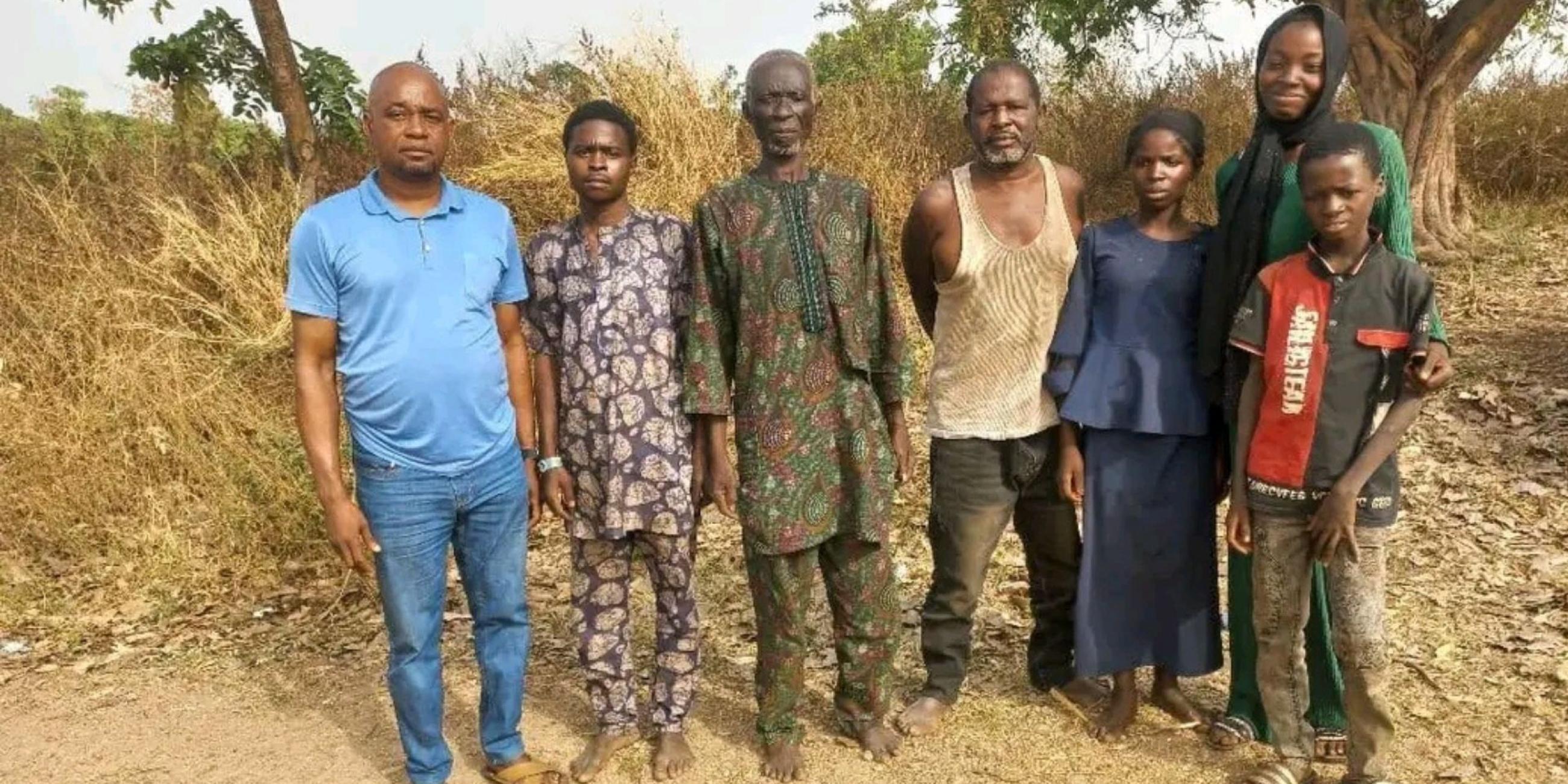
Relief swept through Aiyetoro Kiri community in Bunu land, Kogi State, as six remaining ECWA worshippers abducted by terrorists were finally released after weeks of negotiations and ransom payments. The Aiyetoro Kiri Bunu Development Association (AKBDA) confirmed the development on Wednesday, describing it as the end of a painful and traumatic chapter for the victims, their families, and the...