Sobre
Sobre
The Ooni of Ife and the Symbolic Letter to the Missionaries (c. 1852)
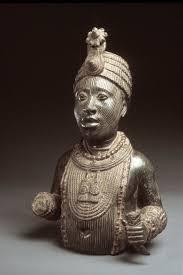
Around 1852, during the early years of Christian missionary expansion into Yorubaland, a remarkable event unfolded between Ile-Ife and the growing missionary presence in southwestern Nigeria.
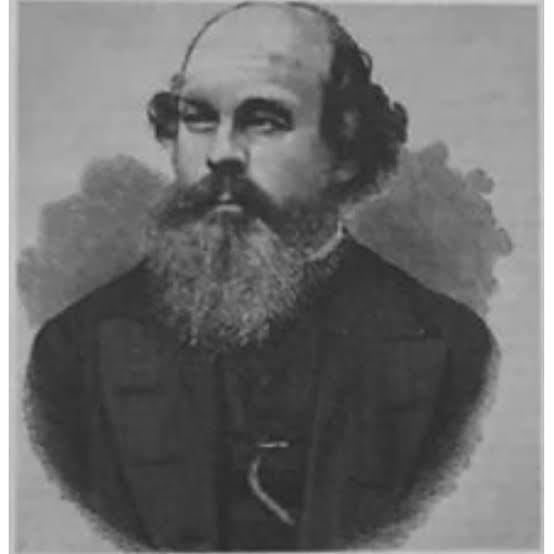
At the time, David Hinderer, a representative of the Church Missionary Society, had just completed an exploratory stay of about three months in Ibadan before returning to Abeokuta, which was emerging as a center of missionary activity and Yoruba political influence.
It was there that an unusual message arrived from the Ooni of Ife, the traditional ruler of Ile-Ife.
A Letter Without Words
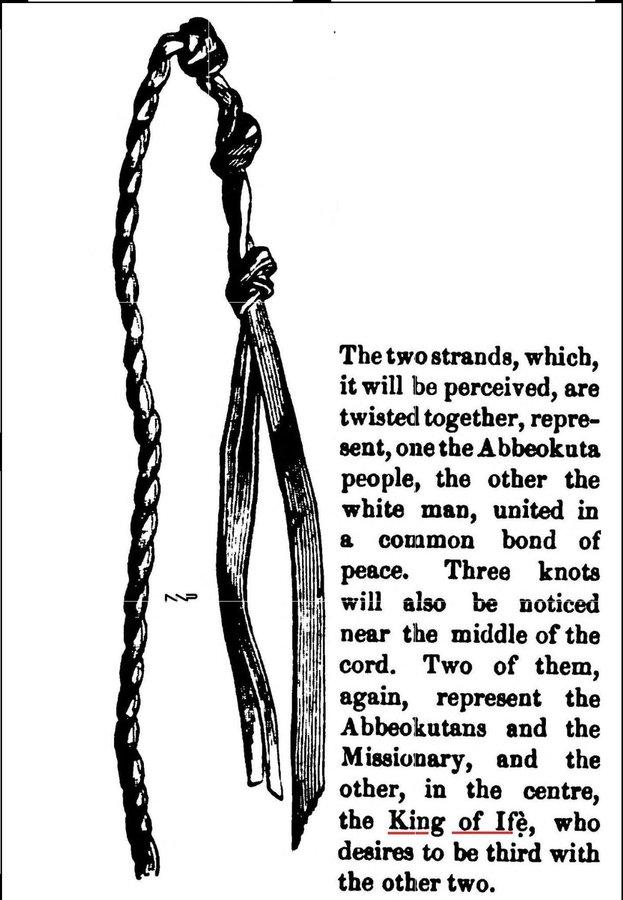
Instead of ink on paper, the Ooni sent what was known in Yoruba tradition as an àrokò—a symbolic message composed of objects arranged to convey meaning.
The “letter” consisted of:
-
A piece of coconut fibre, carefully twisted
-
Three knots tied near its center
-
Forty kola nuts, carried alongside it
-
A messenger entrusted to interpret its meaning
This was not random. Every element had intention.
The Meaning of the Message
The two strands of twisted fibre represented unity.
One strand symbolized the people of Abeokuta, where the missionaries were based.
The other represented the white missionary.
Together, the strands showed a desire for peaceful cooperation.
The three knots carried deeper symbolism:
-
One knot represented the Abeokutans
-
One represented the missionary
-
The central knot represented the King of Ife, who wished to stand as the third partner in this bond
The forty kola nuts were a traditional Yoruba token of friendship and goodwill, reinforcing the spirit of peace and alliance.
What This Reveals About Yoruba Diplomacy
This episode demonstrates that Yoruba political culture was sophisticated and highly symbolic. Communication was not limited to spoken or written language. Through àrokò, meaning was encoded in physical objects that required cultural knowledge to interpret.
The coconut fibre itself likely had no mystical significance; it simply served as the medium for the message. The meaning lay in its structure, knots, and accompanying gifts.
The Ooni’s gesture was not merely religious curiosity. It reflected political awareness. Ile-Ife recognized the growing influence of Christian missions and sought diplomatic engagement rather than isolation.
The Decline of Àrokò
Today, very few people fully understand the àrokò messaging system. Once an essential method of coded communication, it has largely faded from common knowledge.
Yet this story reminds us that long before colonial administration standardized written correspondence, Yoruba society possessed its own complex systems of symbolic diplomacy.
Conclusion
The symbolic letter of 1852 stands as a powerful example of cultural intelligence and political foresight. It shows a traditional ruler navigating a changing world, using indigenous methods to open dialogue with foreign missionaries.

Categorias
Leia mais
The Chairman of the African Democratic Congress (ADC) in Kano State, Alhaji Musa Ungoggo, has sharply criticised the Nigerian government over what he described as selective justice in the country’s security and judicial system. Speaking to party members and supporters, Ungoggo questioned why the leader of the Indigenous People of Biafra (IPOB), Nnamdi Kanu, remains in detention while...

People admired me for my taste. I dressed well, smelled good, and always knew the latest food spots in town. If there was a new buka, a roadside joint, or a shiny new restaurant, I was there before the hype settled. I used to joke that my stomach was adventurous. What I didn’t know was that adventure sometimes comes with a price. It started on a Friday evening in Ibadan. I had just...

A joint operation involving local vigilante groups and military forces has led to the deaths of several suspected bandits and their spouses in Dutsen Zaki, a forested area within the Wase Local Government Area of Plateau State as reported by the Daily Trust. The offensive, which commenced on Saturday and extended through Wednesday, also resulted in the deaths of four vigilantes, with 16 others...

Mercy Chinwo Mercy Chinwo is a Nigerian gospel singer, songwriter, and worship leader known for her powerful voice, joyful praise songs, and deep spiritual messages. She rose to prominence after winning a music reality show and has since become one of Africa’s most celebrated gospel artists. Early Life and Background Mercy Chinwo was born on September 5, 1991, in...

NokCivilization The Land Before the Fire Long before the rise of many kingdoms that would later define the history of West Africa, there existed a mysterious and remarkable civilization in what is today central Nigeria. This ancient society is known today as the Nok Civilization. It flourished roughly between 1000 BCE and 300 CE across parts of present day Kaduna, Plateau, and Niger...